Outfitter Camps on Arizona Forest Ground
Oh, the romantic ideal of an outfitter camp deep in the Arizona wilds! It’s a dream for many a hunter—sleeping under canvas or a rustic shelter, miles from the nearest paved road, with the smell of pine and campfire smoke filling the air. But making that dream a reality, especially when navigating the vast stretches of Arizona's public National Forests, can feel like trying to track a Coues deer through a prickly pear patch blindfolded. This guide is here to shed light on how hunting outfitters establish and run their camps on Arizona's public forest ground, helping you understand the regulations, what kind of experience to expect, and how to pick the right one for your next adventure.
The Foundation: Understanding Arizona's Public Forest Lands
Arizona's landscape is incredibly diverse, ranging from scorching low deserts to alpine peaks. Much of this incredible habitat is managed by the federal government as National Forest land, providing a playground for hunters, hikers, and outdoor enthusiasts. But understanding how these lands function and how outfitters can legally operate on them is key to appreciating the guided hunt experience.
What "Forest Ground" Means for Hunters in Arizona
When we talk about "forest ground" in Arizona, we're primarily referring to the expansive National Forests that cover millions of acres across the state. Think of names like the Coconino National Forest around Flagstaff, the Apache-Sitgreaves National Forests in the eastern White Mountains, the Tonto National Forest stretching north and east of Phoenix, or the Kaibab National Forest bordering the Grand Canyon. These are immense tracts of public land, managed by the U.S. Forest Service for multiple uses, including recreation, timber, grazing, and wildlife habitat.
For hunters, these National Forests represent incredible opportunity. Unlike private land, which often requires specific permission or a hefty trespass fee, or State Trust Land that mandates a specific permit (though your hunting license often covers it), National Forest ground is generally open for public access for hunting. This vast public domain means that outfitters have significant acreage to work with, allowing them to truly get away from roads and pressure, seeking out the prime habitat where elk, mule deer, or bear might be found. They are not limited to small parcels; their operations can span across entire units, seeking game wherever it might be. This expansive access is a huge draw for guided hunts, as it allows for genuine wilderness experiences. You can find detailed information on accessing these areas by checking out articles like Coconino National Forest Access in Arizona or Apache-Sitgreaves National Forest Access.
General Rules for Camping and Access
While National Forests are generally open, they aren't a free-for-all. There are important regulations that apply to everyone, outfitters and DIY hunters alike, to ensure the land remains healthy and accessible for future generations. Most commonly, dispersed camping is allowed, meaning you can pitch a tent almost anywhere, as long as you adhere to certain guidelines. This usually involves staying a certain distance from developed recreation sites, water sources, and paved roads, and respecting stay limits (often 14 days in a 30-day period). These rules are crucial for preventing overuse and concentrating human impact in sensitive areas.
Vehicle access is another big one. National Forests typically have designated road systems, and motor vehicle use maps (MVUMs) are indispensable tools for knowing where you can drive, and more importantly, where you absolutely cannot. Driving off-road is almost universally prohibited, except for very specific game retrieval circumstances, and even then, there are strict rules. Furthermore, weather, particularly during the monsoon season or winter snows, can lead to seasonal road closures, making some areas temporarily inaccessible. Fire restrictions are also a common concern, especially during dry periods, and a campfire ban can significantly change the atmosphere and logistics of a camp. Understanding these baseline rules is essential for any forest user, and outfitters operating commercial camps are held to an even higher standard. You might want to read Camping on Forest Ground During Hunting Season and Motorized Travel Rules on Arizona Public Land to get a better grasp of these regulations.
How Outfitters Operate on National Forest Ground
Operating a commercial hunting camp on federal land isn't as simple as just setting up a tent. Outfitters must navigate a specific set of regulations and secure special permits to ensure their operations are legal, safe, and environmentally sound. This allows them to offer guided hunts while respecting the public nature of the land.
The Special Use Permit Requirement
This is perhaps the most critical piece of the puzzle. Any commercial activity on U.S. Forest Service land, including guiding hunting clients, requires a "Special Use Permit." This isn't just a formality; it's a comprehensive agreement between the outfitter and the Forest Service that outlines exactly where, when, and how they can operate. These permits are unit-specific and often species-specific, meaning an outfitter with a permit for elk hunts in Unit 9 on the Kaibab National Forest cannot simply move their operation to Unit 23 in the Tonto National Forest without another permit.
The permit process is rigorous. The Forest Service evaluates factors like the outfitter's experience, safety record, insurance, and their proposed operational plan, including camp locations, waste management, and client numbers. This ensures that the outfitter adheres to environmental best practices and doesn't unduly impact other forest users or the natural resources. These permits often dictate things like the maximum number of clients an outfitter can host at one time, the types of structures they can erect, and even how long a camp can be in place. It's designed to protect the integrity of public lands while still allowing for legitimate commercial recreation. You can learn more about this by looking up Special Use Permits Arizona Outfitters Carry. This ensures accountability and helps you, as a client, know that you're going with a legitimate operator who respects the land.
Types of Outfitter Camps in the Forest
Outfitters, recognizing the diverse needs and desires of their clients, often employ different types of camps on forest ground. Each offers a unique experience and logistical footprint.
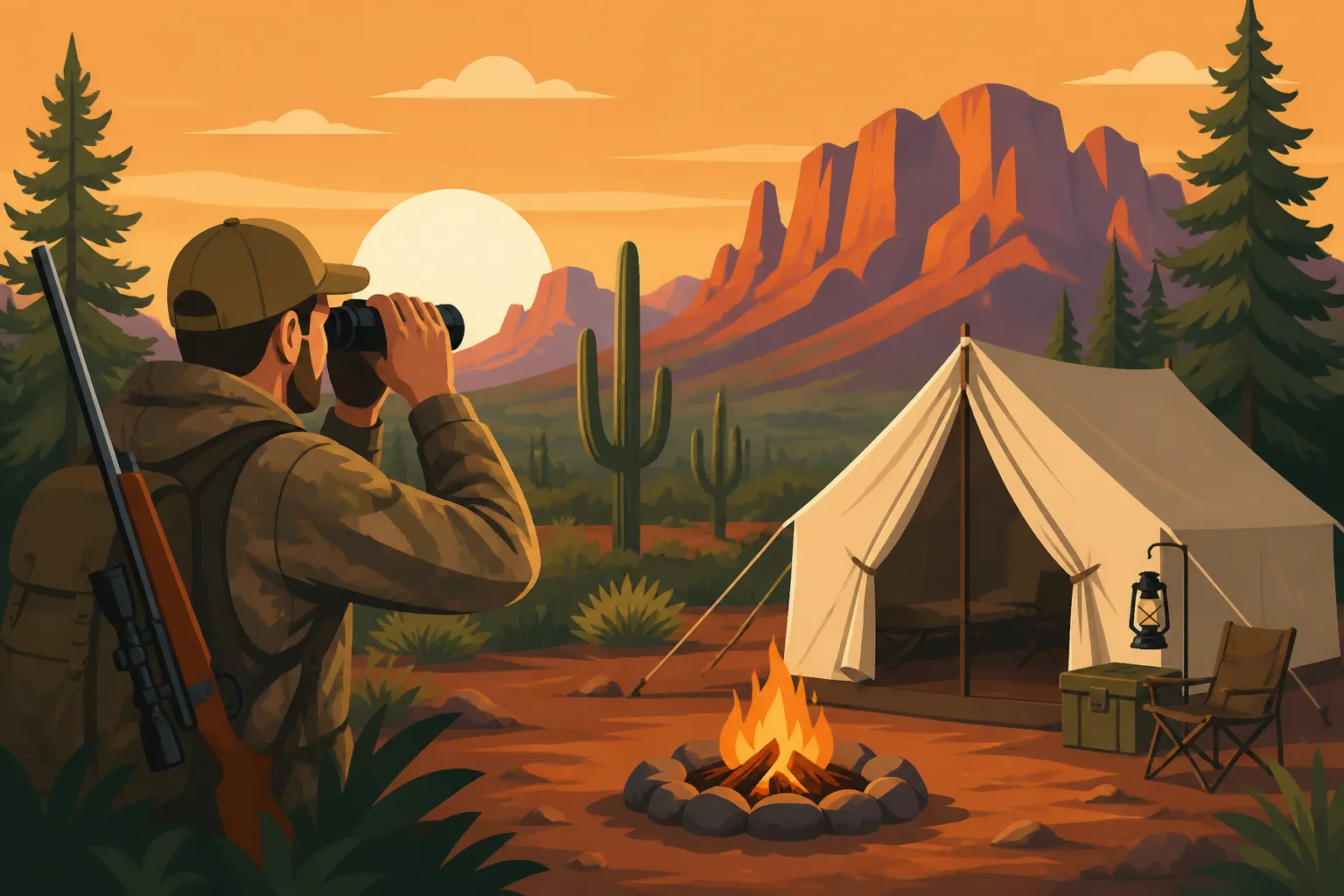
A traditional base camp is often the most comfortable option. These are typically established at an easily accessible (but still remote) location, sometimes near a forest road, and might consist of several large wall tents, a dedicated cook tent, a shower tent, and latrine facilities. These camps are usually set up for the entire duration of a season or a series of hunts, offering a stable and relatively amenity-rich base from which to hunt. Clients return to the base camp each evening for a hot meal, a warm fire, and a good night's sleep in a proper cot. This setup is popular for longer hunts or for hunters who appreciate a bit more creature comfort after a strenuous day afield.
Then there are spike camps. These are much more minimalist and are often temporary, set up closer to where the hunting action is happening. A spike camp might be a small dome tent, a bivy sack, or even just a sleeping bag under the stars. They're designed for mobility and stealth, allowing hunters and guides to stay out in the field for several days without returning to a larger base camp. This is common for aggressive elk hunts where moving with the animals is critical, or for chasing elusive Coues deer deep in remote canyons. The amenities are basic—freeze-dried meals, minimal gear—but the advantage is maximizing hunting time in prime areas. You'll find more details on these distinct approaches in discussions like Drop Camp Against Fully Guided and How Spike Camp Arrangements Work.
Finally, some outfitters run more mobile operations, especially for species like bear or mountain lion, where success might hinge on covering vast amounts of ground. This could involve truck camping, setting up small, temporary camps each night in a different area, or even packing in on horseback to areas without any road access. The choice of camp style heavily influences the overall hunting experience, from comfort levels to the intensity of the daily grind.
What to Expect from an Outfitter Camp Experience
Deciding to book a guided hunt that involves an outfitter camp on National Forest ground means signing up for a particular kind of adventure. It's often a blend of rustic living, deep immersion in nature, and focused hunting efforts. It’s definitely not a luxury resort, but it’s an authentic experience designed to put you on game.
Accommodations and Amenities
The level of "comfort" in a forest outfitter camp varies widely, but it's generally on the rustic side. For a base camp, you might expect spacious canvas wall tents, often equipped with wood-burning stoves for warmth (especially important for late-season hunts), cots with sleeping pads, and enough room to stand up and organize your gear. There will typically be a separate mess tent or cooking area where hearty meals are prepared, and possibly a shower tent for a quick cleanup, though hot water might be a bucket and a gravity bag. Latrines are usually simple setups, sometimes just a shovel and a roll of paper, following strict "leave no trace" principles. It’s all about functionality and keeping warm, fed, and rested for the next day's hunt.
For a spike camp, expectations should be even more basic. Think small, individual tents or even just a tarp overhead if weather permits. Food will be simple, easy-to-prepare trail fare. There might not be any amenities beyond what you and your guide carry on your backs. The trade-off is often unparalleled access to untouched hunting grounds and minimal travel time to and from the action. Outfitters are generally quite upfront about their camp setups, so make sure to ask for details. If you're wondering about the specifics, articles like Arizona Outfitter Lodging Standards in Camp can give you a clearer picture, as can What Meals Look Like on a Guided Hunt, which will help you prepare for the culinary side of your adventure.
Logistics and Daily Operations
Getting to an outfitter camp on forest ground can be an adventure in itself. Depending on the unit and the specific camp location, you might drive directly to it via forest roads, or you might meet at a trailhead and be packed in on horseback or with ATVs. This initial journey sets the tone for the remote experience. Once at camp, the daily routine is almost entirely dictated by the hunt. Early mornings are the norm, often before first light, with a quick breakfast before heading out. Days are long and physically demanding, spent glassing, stalking, or calling, depending on the species and terrain.
One of the significant logistical advantages of a forest camp, especially for species like elk or mule deer in rugged terrain, is the ability to use pack animals. Horses and mules aren't just for getting hunters into remote areas; they are invaluable for packing out heavy game meat. This is particularly relevant in Arizona's more mountainous regions like the Mogollon Rim or the Sky Islands, where a downed animal can be miles from the nearest road. Your guide will handle the logistics of game retrieval, often involving quartering the animal in the field and loading it onto pack animals for the journey back to camp or a waiting vehicle. This support system is a major reason many hunters opt for a guided hunt in challenging areas. For more on this, you can check out Pack String Outfitters Working in Arizona. The entire operation is geared towards maximizing your time and effort in the field, with the camp serving as a functional, strategic base.
Benefits and Drawbacks of Forest Camps
Like any hunting setup, choosing an outfitter camp on Arizona Forest Ground comes with its own set of unique advantages and potential challenges. Understanding both sides can help you manage your expectations and ensure you pick the right adventure for your hunting style.
Advantages of Hunting from a Forest Camp
The primary benefit of hunting from an outfitter camp on National Forest ground is unparalleled proximity to the hunting grounds. Instead of driving an hour or two each morning from a hotel or distant RV park, you're often just minutes, or even steps, away from prime habitat. This means more time actually hunting and less time commuting, especially valuable in vast units where game may range widely. It allows for pre-dawn starts and late-evening finishes without the arduous journey back to civilization.
Another huge advantage is the immersive wilderness experience. You're truly living in the heart of the habitat. The sounds of coyotes at night, the crisp morning air, the dark skies filled with stars—it all contributes to an authentic connection with nature that's hard to replicate from a more conventional lodging arrangement. This can be a huge draw for hunters looking for more than just a kill; they're seeking the full outdoor adventure.
Compared to lodge-based hunts on private land or high-end resorts, outfitter camps on public forest ground often present a more cost-effective option. While guided hunts are an investment, eliminating expensive private land leases or luxurious amenities can make them more accessible. This allows hunters to tap into an outfitter's expertise, logistics, and permit access without necessarily breaking the bank. For many, it's the ideal balance of support and wildness, proving that you don't always need a five-star lodge to have a five-star hunt. While this article focuses on guided options, understanding Planning a DIY Public Land Hunt in Arizona can help illustrate the advantages a guide offers in these environments.
Potential Challenges and Considerations
Of course, a rustic forest camp isn't for everyone, and there are some potential drawbacks to consider. The most obvious is exposure to the elements and rustic living. You're sleeping in tents, likely without running water or electricity, and reliant on a wood stove for heat. Weather can change quickly in Arizona's mountains and deserts, and you might face freezing temperatures, intense winds, or even snow, all while living outdoors. This requires a certain level of resilience and a willingness to "rough it" that not all hunters possess. Being prepared for a wide range of conditions is vital; think about Physical Conditioning for a Sky Island Hunt or Heat Management on an Arizona Early Season Hunt if you're targeting specific seasons.
Another consideration is shared camp dynamics. Unless you've booked an exclusive one-on-one hunt, you'll likely be sharing camp space with other hunters and guides. This can be a wonderful opportunity to build camaraderie and share stories, but it also means adapting to a group environment. Personal space might be limited, and different personalities or hunting styles will be part of the experience.
Finally, there's the environmental impact awareness. While outfitters operating under Special Use Permits are generally diligent about minimizing their footprint, the cumulative effect of human presence in a remote area still exists. Hunters should be prepared to adhere strictly to "leave no trace" principles, pack out all trash, and be mindful of their impact on the fragile forest ecosystem. The remote nature of these camps often means a heightened sense of responsibility for both the outfitter and the clients to preserve the pristine environment they are enjoying.
Choosing the Right Outfitter and Camp
Deciding to go with an outfitter on Arizona Forest Ground is a big decision, and selecting the right guide and camp setup is paramount to a successful and enjoyable experience. It requires careful research and clear communication.
Vetting Outfitters for Forest Operations
This step is critical. You're entrusting your hunt, your investment, and your safety to this individual or company. Start by confirming they hold the necessary Special Use Permits for the specific National Forest and unit you're interested in. A reputable outfitter will be transparent about this. Don't be shy about asking for proof or specific permit numbers. This isn't just a legal nicety; it demonstrates their professionalism and commitment to operating above board.
Next, dive deep into their experience in that particular unit and with your target species. How long have they been guiding in that area? Do they specialize in archery, rifle, or muzzleloader hunts? Experience translates directly into knowledge of game movements, terrain, and weather patterns. You'll want to review their references, ideally from hunters who have booked similar hunts with them recently. Platforms like BookYourHunt can be a great place to start your research, allowing you to browse different outfitters and read reviews from past clients. While these platforms can connect you with guides, always follow up with direct conversations and reference checks. Similarly, resources from GoHunt often provide detailed unit breakdowns that can help you cross-reference what an outfitter claims about a unit with objective data.
Also, consider their safety protocols and emergency plans. Hunting in remote forest environments carries inherent risks. What measures do they have in place for medical emergencies? Do guides carry satellite communication devices? Asking these questions upfront will give you peace of mind. A comprehensive guide on this topic is Vetting an Arizona Outfitter Before You Send a Deposit, which offers practical advice.
Understanding Contract Terms and Expectations
Before you commit, meticulously review the outfitter's contract. This document should clearly lay out what's included in the hunt package and, just as importantly, what isn't.
Typically included will be the guide's services, camp accommodations (tent, cot), meals (usually hearty and trail-friendly), and field care of the animal (quartering, packing out to a certain point). Some may also include transportation from a designated meeting point to camp.
What's often not included (and needs to be budgeted for separately) are your hunting license and tag fees, meat processing and taxidermy costs, alcoholic beverages, travel expenses to and from Arizona, and crucially, gratuities for your guide and camp staff. These "hidden" costs can significantly add to the overall expense, so get a clear understanding.
Pay close attention to cancellation and refund policies. What happens if you fail to draw the tag for the hunt you booked? Some outfitters will apply your deposit to a future hunt, while others have strict non-refundable clauses. Given Arizona's draw system, this is a very important question. Understanding these terms before you put down a deposit will prevent unpleasant surprises. You can find more detail in articles like Questions Worth Asking Before You Book and Whether You Get a Refund If You Fail to Draw.
Here’s a quick overview of common outfitter camp types you might encounter in Arizona’s forests:
| Camp Type | Description | Amenities | Best For | Pros | Cons |
|---|---|---|---|---|---|
| Base Camp | Semi-permanent setup, usually accessible by vehicle, serves as central hub for multiple hunters/guides. | Large wall tents, cots, wood stoves, cook tent, potentially shower/latrine. | Longer hunts, hunters valuing comfort, group hunts. | Relative comfort, hot meals, central meeting point, easier logistics. | Less mobile, potential for more pressure if close to roads, less "deep wilderness" feel. |
| Spike Camp | Temporary, lightweight camp set up close to hunting action, often packed in. | Small tents, sleeping bags, minimal cooking gear, basic trail food. | Aggressive hunts, remote areas, following game, maximizing hunting time. | Maximizes time in field, deep wilderness immersion, highly mobile. | Very rustic, physically demanding, limited comfort, highly weather-dependent. |
| Mobile Camp | Camp moves regularly, often daily, by vehicle or pack string to follow game or cover ground. | Varies from truck camping to small tents, focus on mobility over comfort. | Predator hunts, wide-ranging game, early season scouting, adaptive hunting. | Extremely flexible, allows pursuit of game across large areas, adaptable to changing conditions. | High logistical complexity, less consistent "home base," very basic amenities. |
Ultimately, hunting from an outfitter camp on Arizona's forest ground offers a truly memorable and challenging experience. It's about disconnecting from the modern world and immersing yourself in the pursuit of game, supported by experienced professionals who know the territory inside and out. Do your homework, ask the right questions, and prepare for an adventure that will create lasting memories in some of the most beautiful wild places our country has to offer.
Disclaimer
This article is for general informational purposes only and does not constitute professional advice. Laws, prices and regulations vary by location and change over time. Consult a qualified professional for guidance on your specific situation.