Pack String Outfitters Working in Arizona
Hunting Arizona's vast and rugged backcountry often presents a monumental logistical challenge for even the most seasoned hunter. Trying to carry enough gear, establish a comfortable camp deep in a wilderness area, and then pack out a hard-earned harvest can feel like an impossible feat for a solo hunter or a small group. This guide will walk you through everything you need to know about pack string outfitters in Arizona, exploring how they can transform your backcountry hunt from a grueling expedition into a focused, enjoyable pursuit.
The Role of Pack String Outfitters in Arizona Hunting
Pack string outfitters are the unsung heroes for many who dream of venturing deep into Arizona's most remote hunting grounds. These professionals provide the muscle and expertise needed to overcome the physical barriers of rugged terrain, allowing hunters to access areas that would otherwise be out of reach or require an immense, often unfeasible, amount of personal effort.
Accessing Remote Wilderness Areas
Arizona is home to vast stretches of designated wilderness and roadless areas where motorized vehicles are strictly prohibited. These are often the very places where big game thrives, undisturbed by road noise and easily accessible hunters. Imagine a unit deep within the Mazatzal Wilderness, or a hidden basin in the Blue Range Primitive Area. Getting into these spots with enough supplies for a week, plus the added challenge of packing out an elk or deer, is where a pack string becomes indispensable.
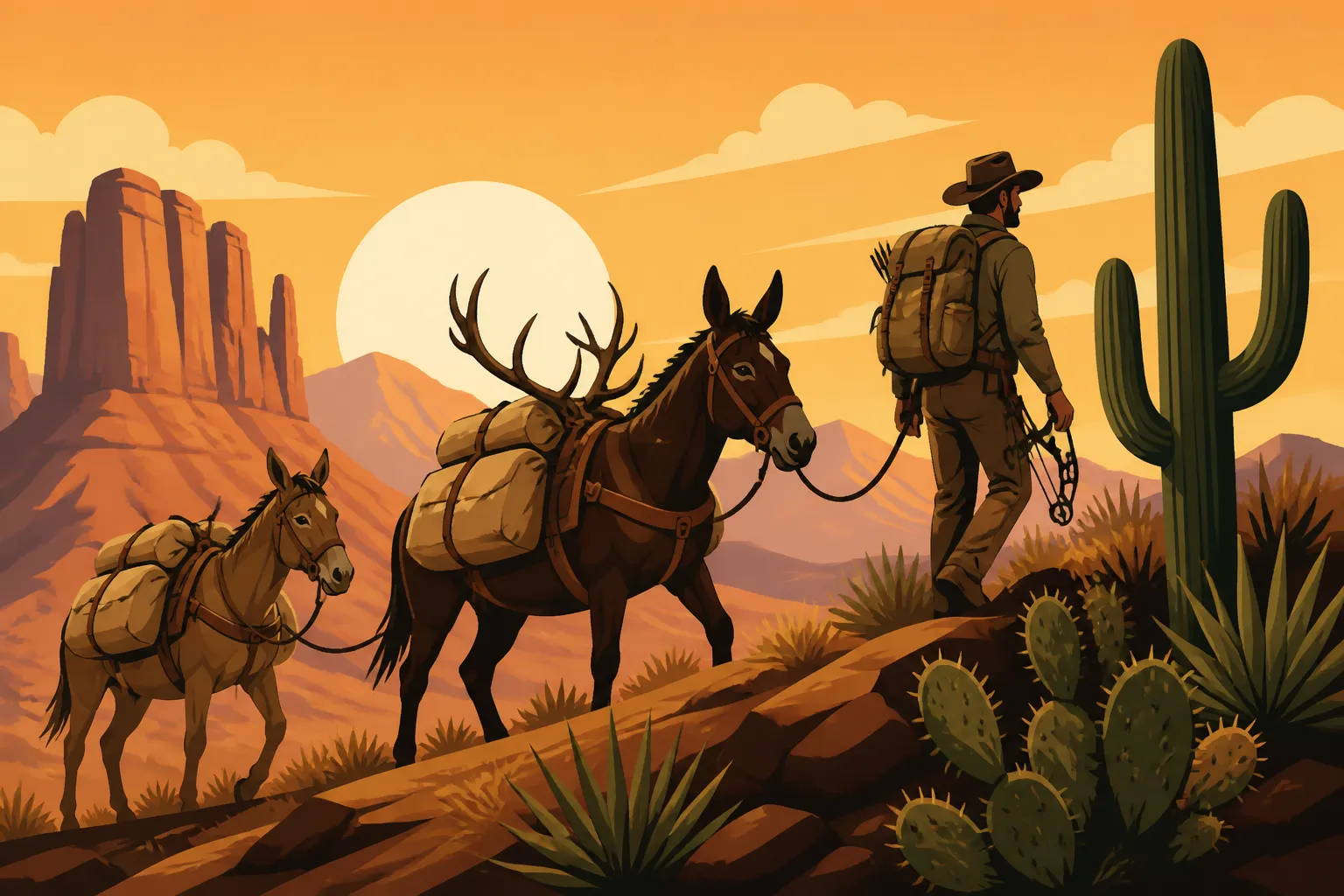
Outfitters who specialize in pack strings understand these landscapes intimately. They know the trails, the water sources, and the nuances of traversing steep canyons and dense timber. They provide horses or mules specifically trained for packing, capable of carrying hundreds of pounds of gear over rough, uneven ground. This means you can focus on the hunt itself, rather than spending days just getting to and from your hunting area. For anyone eyeing a tough backcountry unit, understanding Wilderness Areas Inside Arizona Forests is crucial, and a pack string often unlocks these opportunities.
Transporting Gear, Camps, and Harvested Game
The sheer volume and weight of gear required for a multi-day backcountry hunt can be overwhelming. Think about tents, sleeping bags, cooking equipment, food, water filters, emergency supplies, and specialized hunting optics. Trying to carry all of this on your back, while also maintaining the energy to hunt effectively, is a recipe for exhaustion. Pack string outfitters take this burden off your shoulders.
They can transport your entire camp, allowing you to establish a comfortable base far from any trailhead. This isn't just about convenience; it's about enabling a more effective hunt. A well-rested hunter with a good camp setup is far more likely to succeed than one constantly battling fatigue and discomfort. Beyond getting your camp in, these outfitters are invaluable for getting your game out. Once you've successfully harvested an animal, particularly something large like an elk, the thought of quartering and then shuttling hundreds of pounds of meat and antlers back to the truck is daunting. A pack string handles this with efficiency, ensuring your hard-earned meat is brought out safely and quickly, minimizing spoilage, especially during warmer early seasons. It ties directly into the critical concern of Getting Meat Cooled on an Early Season Hunt.
Types of Pack String Services Offered
Not all pack string services are created equal, and understanding the variations is key to finding the right fit for your hunt and budget.
- Spot-Pack Services: This is perhaps the most common and often most affordable option. The outfitter will pack your gear and supplies into a pre-determined location, drop it off, and then pick you up, and your harvest, at a later, agreed-upon date. You're responsible for setting up and managing your camp, and doing all the hunting on your own. It's a fantastic option for experienced hunters who want a DIY experience but need help with the heavy lifting of logistics.
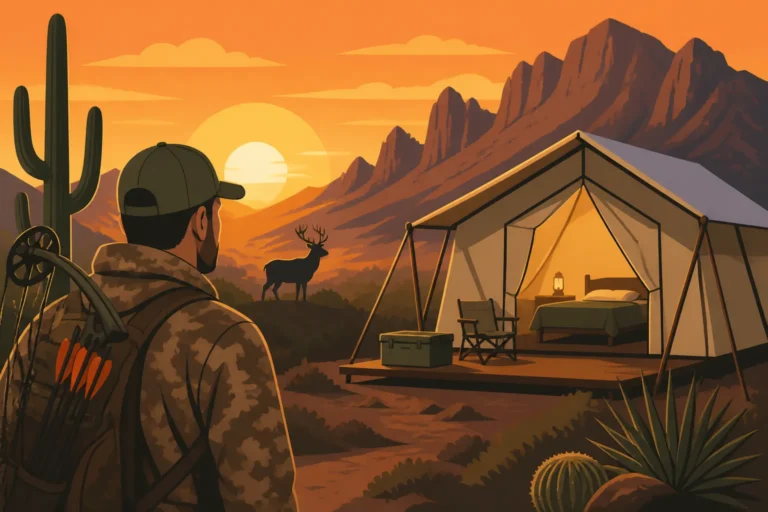
- Drop Camp Services: Similar to spot-pack, but typically more comprehensive. The outfitter might not only pack your gear in but also provide a pre-set camp, including tents, cots, and cooking equipment. You still hunt on your own, but the camp infrastructure is largely taken care of. This bridges the gap between a completely self-sufficient hunt and a fully guided experience. For more detail, consider checking out What an Arizona Drop Camp Costs and The Logistics of a Horseback Drop Camp.
- Full Pack-In Guided Hunts: While less common for just the pack string aspect, some fully guided hunts incorporate pack strings as a core component of their service. In these cases, the outfitter provides guides, camp, food, and uses pack animals for all transportation needs, allowing clients to experience deep wilderness hunts with all the amenities. This is typically the most expensive option but offers the highest level of service.
| Service Type | Gear Transport | Camp Setup | Guide Provided | Hunter Responsibility | Ideal For |
|---|---|---|---|---|---|
| Spot-Pack | Yes | No | No | All hunting & camp management | Experienced DIY hunters needing logistical support |
| Drop Camp | Yes | Yes | No | All hunting | Experienced DIY hunters wanting basic camp provided |
| Full Guided Hunt | Yes | Yes | Yes | Focus on hunting | Hunters seeking a comprehensive, wilderness experience |
What to Expect from an Arizona Pack String Outfitter
When you decide to work with a pack string outfitter, it's essential to know what the experience entails to manage your expectations and prepare properly. This isn't a luxury vacation; it's a rugged adventure that requires cooperation and understanding.
Gear Requirements and Weight Limits
One of the most critical aspects of working with a pack string is adhering to their gear and weight limitations. Pack animals, while strong, can only carry so much, and overloading them is unsafe for the animal and can damage your gear. Most outfitters will provide specific guidelines on how to pack your items, often recommending duffel bags or specialized soft-sided containers rather than rigid framed packs. They'll also give you a strict weight limit per animal or per hunter. This is not just a suggestion; it's a safety and operational necessity.
You'll need to meticulously plan your gear, prioritizing essentials and leaving anything unnecessary behind. Think about compact, lightweight solutions for sleeping bags, tents, and cooking systems. Don't forget that Water You Must Carry on a Day Hunt is a significant consideration, and while the pack string can haul in bulk water, you'll still need personal hydration solutions for daily excursions. Always communicate openly with your outfitter about what you plan to bring to avoid surprises at the trailhead.
The Experience on the Trail
The journey into the backcountry with a pack string is an experience in itself. You'll typically meet your outfitter and their crew at a designated trailhead, often at dawn to make the most of cooler temperatures. After loading the pack animals, you'll either ride a saddle horse alongside the string or hike in on foot, following the packer. Expect trails to be rugged, steep, and potentially slow-going. This isn't a leisurely walk in the park.
Patience is key. The pace of a pack string is dictated by the animals and the terrain, not necessarily by how quickly you want to reach camp. Enjoy the scenery, learn from the packers, and immerse yourself in the wilderness. The packers are skilled at navigating the backcountry and ensuring the safety of their animals and your gear. Once at camp, they'll unload, set up any provided camp gear, and ensure you're settled before departing or beginning the guided portion if you've booked a full service. This is a great time to start Reading Terrain Before You Pick a Camp and getting familiar with your surroundings.
Costs and Inclusions
The cost of a pack string service in Arizona varies widely depending on the length of the trip, the number of animals required, the distance to the drop-off point, and the specific services included. Spot-pack services are generally less expensive than full drop camps, which in turn are more affordable than fully guided, pack-in hunts.
When discussing pricing, make sure you understand exactly what is included. Does the price cover both the pack-in and pack-out? Is there an extra charge for packing out game? Are there any fees for additional weight? Some outfitters might include saddle horses for clients, while others expect you to hike. Always clarify tipping expectations for the packers as well, as this is standard practice in the outfitting industry. For a broader understanding of related expenses, checking What Outfitter Prices Almost Never Include might offer some perspective on additional costs beyond the base fee.
Choosing the Right Pack String Outfitter
Selecting the right pack string outfitter is crucial for a successful and enjoyable backcountry hunting trip. It's not just about finding someone with horses; it's about finding a reputable professional who aligns with your hunting style and expectations.
Vetting Potential Outfitters
Start your search early, especially for prime season dates or popular units. Reputable outfitters often book out months, if not a year, in advance. Utilize resources like online directories and review sites. Websites like BookYourHunt or GoHunt often feature lists and reviews of outfitters.
- Check References: Ask for references from past clients, particularly those who have used their pack string services recently. Ask specific questions about their experience: Was the outfitter punctual? Were the animals well-cared for? Did they adhere to agreed-upon weight limits? Was the gear handled safely?
- Verify Licenses and Permits: Ensure the outfitter is properly licensed by the Arizona Game and Fish Department and holds any necessary special use permits for operating on public lands (such as National Forests or BLM land). This protects you and ensures you're working with a legitimate business.
- Communicate Clearly: Have an open and detailed conversation with potential outfitters about your hunt plan. Discuss the unit, the intended camp location, the duration of your trip, and your gear list. A good outfitter will be upfront about what they can and cannot do. This initial conversation is also a great time to discuss safety protocols and what happens in an emergency scenario deep in the backcountry.
Planning Your Pack-In Hunt
Once you've chosen an outfitter, the real planning begins. This involves a collaborative effort between you and the outfitter to ensure everything runs smoothly.
- Detailed Itinerary: Establish a clear itinerary, including exact dates, meeting times, and locations. Be specific about the drop-off and pick-up spots for your gear and game.
- Food and Water Strategy: Plan your food menu carefully, opting for calorie-dense, non-perishable items that are easy to prepare. Discuss water sources with your outfitter; while they can pack in some water, relying on natural sources and purification methods is often necessary for extended trips.
- Emergency Preparedness: Even with an outfitter, you need to be self-sufficient in case of unforeseen delays or emergencies. Carry a satellite communication device, a robust first-aid kit, and understand basic wilderness survival. Discuss the outfitter's emergency plan and how they handle situations like unexpected weather, injuries, or a downed animal.
- Physical Conditioning: Don't underestimate the physical demands of a pack-in hunt. Even if you're riding, you'll still be spending long hours in the saddle, and if you're hiking, the elevation and ruggedness can be challenging. Start preparing well in advance. Getting a solid foundation in Preparing Physically for a Desert Hunt will make a huge difference.
Legalities and Permits
Hunting in Arizona, especially in wilderness areas, comes with specific rules and regulations that both you and your outfitter must adhere to. Beyond your hunting license and tags, there are considerations for the use of pack animals.
- Pack Stock Rules: Arizona has regulations regarding the use of pack stock on public lands, particularly in wilderness areas. This often includes rules about feed, tethering, and waste. A reputable outfitter will be well-versed in these requirements. For a deep dive, you might want to look into Pack Stock Rules Inside Wilderness.
- Unit-Specific Regulations: Always double-check the specific regulations for your hunting unit. Some units might have unique access restrictions or rules that could impact your pack string operations. While Motorized Travel Rules on Arizona Public Land are different from pack animal rules, understanding the general philosophy of access limitation in certain areas can be helpful.
- Fire Restrictions: Pay close attention to fire restrictions, especially during dry seasons. These can impact cooking methods and overall camp comfort, and your outfitter will be the best source of up-to-date information on current conditions.
Using a pack string outfitter in Arizona can unlock some of the state's most challenging yet rewarding hunting experiences. By understanding their services, knowing what to expect, and carefully choosing a reputable professional, you can focus on the hunt and create lasting memories in the incredible Arizona backcountry.
Disclaimer
This article is for general informational purposes only and does not constitute professional advice. Laws, prices and regulations vary by location and change over time. Consult a qualified professional for guidance on your specific situation.