Why Arizona Coues Guides Charge for Glassing Hours
Hunting Coues deer in Arizona's vast, often unforgiving landscapes is a challenge unlike many others, and if you've started looking into guided hunts, you've probably noticed a line item or a conversation point that stands out: the cost associated with "glassing hours." It can feel a bit abstract, like paying for someone to simply look through binoculars, but this guide will peel back the layers to reveal why those hours are arguably the most critical investment in a successful Coues deer hunt, reflecting not just time, but immense skill, specialized equipment, and deep local knowledge.
The Elusive Nature of Arizona's Coues Deer
Before we even talk about the "why" of glassing hours, it's essential to understand the "what" and "where" of Coues deer themselves. These are not your typical whitetails. Often referred to as "gray ghosts," Coues deer are notoriously shy, small, and perfectly camouflaged against the rugged desert and mountain terrain they call home in Arizona. Their habitat is equally challenging, characterized by expansive, brush-covered hillsides, deep canyons, and remote sky island ranges.
Tiny Targets in Vast Landscapes
Imagine trying to spot a medium-sized dog in a living room full of furniture. Now, scale that up to finding a deer the size of a large dog, often weighing under 100 pounds, in a mountain range that stretches for miles, covered in juniper, oak brush, and prickly pear. That's the reality of Coues deer hunting. They don't typically hang out in open agricultural fields or dense, unbroken timber. Instead, they prefer broken country where they can easily disappear with a quick flick of a tail. This means you won't often stumble upon them at close range. Your eyes are your primary tool, backed by powerful optics, to locate them from a distance. The sheer scale of their habitat makes traditional still-hunting or blind-sitting methods far less effective than they might be for other species.
Their Habits Demand Patience and Precision
Coues deer are crepuscular, meaning most active at dawn and dusk, but even then, they're not always out in the open. They might feed for a short period before bedding down in a shaded nook or a thicket, often for the entire day. Spotting a bedded Coues deer requires an incredibly keen eye, patience, and the ability to differentiate a patch of gray fur from a similarly colored rock or bush. Their small antlers, even on mature bucks, don't stand out like the impressive racks of a mule deer or elk. You're looking for subtle cues: an ear twitch, the flick of a tail, a patch of hide, or the distinct outline of a deer's body against the landscape. This meticulous scrutiny is precisely what a guide's glassing hours are designed to achieve. It's less about covering ground and more about painstakingly picking apart every inch of visible terrain. Why Coues Deer Reward Patience Over Movement perfectly captures this challenge.
The Investment in Optics and Specialized Expertise
When an Arizona Coues guide charges for glassing hours, they're not just billing you for their time. They are encapsulating the significant financial investment in high-end equipment, years of honing a specialized skill, and an intimate understanding of the terrain.
Top-Tier Glassware and Accessories
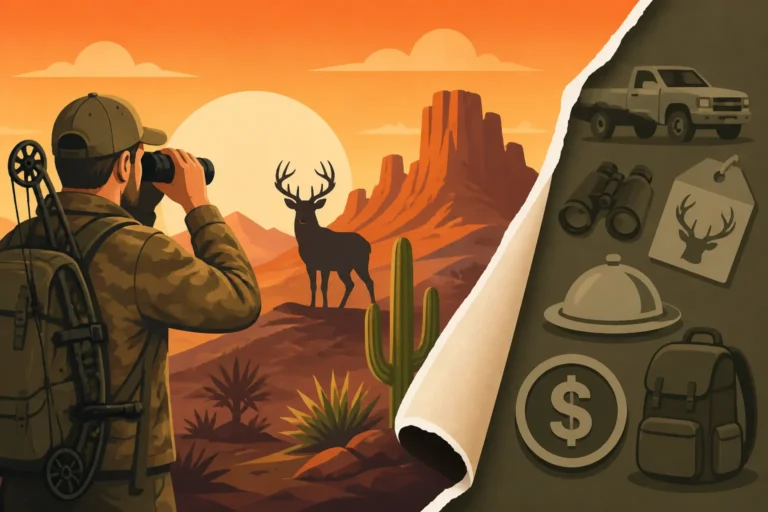
Effective Coues hunting absolutely depends on superior optics. A guide isn't showing up with a cheap pair of department store binoculars. They're typically packing professional-grade binoculars, often 10x or 15x power, and a high-magnification spotting scope – think 60x, 80x, or even 95x power – mounted on a rock-solid tripod. These aren't minor purchases. Such equipment represents a substantial financial outlay, often running into many thousands of dollars for a complete setup. Beyond the initial cost, there's maintenance, cleaning, and replacing gear that takes a beating in the harsh Arizona sun, dust, and occasional monsoons. When you pay for glassing hours, you're getting access to this specialized equipment and the guide's knowledge of how to maximize its effectiveness. Optics Power for Arizona's Long Desert Sightlines delves deeper into why this is so critical.
| Aspect of Optics | DIY Hunter Approach | Guided Hunter Advantage (Glassing Hours) |
|---|---|---|
| Equipment Cost | Personal investment in binoculars, possibly mid-range scope. | Access to premium, professional-grade scopes and binoculars, no personal outlay. |
| Power & Clarity | Often limited to what's affordable and portable. | High-magnification, razor-sharp optics designed for extreme range. |
| Stability | Hand-held binoculars, maybe a shaky tripod. | Heavy-duty, stable tripods specifically for hours of glassing. |
| Experience | Learning to interpret heat shimmer, mirage, and light. | Guide's expertise in using optics in all conditions and lighting. |
| Maintenance | Personal care, occasional cleaning. | Professional cleaning and maintenance by the outfitter. |
The Trained Eye and How to Use It
Owning expensive optics is one thing; knowing how to use them effectively for Coues deer is another entirely. A significant portion of "glassing hours" is the guide's trained eye. They've spent countless days, often years, staring through glass, learning to distinguish a deer's ear from a rock, a leg from a stick, or a bedded buck's outline from the shadows. This isn't just about scanning; it's about a systematic approach to breaking down vast hillsides into manageable grids, identifying high-percentage areas, and knowing when to pause, zoom, and scrutinize. The Grid Glassing Method, Step by Step outlines some of these techniques, but a guide has perfected them.
They understand how thermals affect deer movement at different times of day, where deer prefer to bed down given sun exposure or wind direction, and how the light changes throughout the day, impacting visibility. They can spot that tiny flash of movement or the subtle glint of an antler tip that an inexperienced hunter would undoubtedly miss, even with the best equipment. This skill isn't taught in a weekend course; it's earned through thousands of hours in the field.
The Time and Effort Behind the Scenes
The "glassing hours" fee isn't solely for the time spent during your actual hunt. It's a reflection of the extensive pre-season work, ongoing scouting, and constant mental effort that goes into finding those elusive Coues bucks.
Pre-Season Scouting: Laying the Groundwork
Long before your hunt begins, a dedicated Coues guide is out in the field. They spend weeks, sometimes months, during the off-season, hiking into remote areas, glassing hillsides, checking water sources, and setting up trail cameras. This is their research phase, where they gather intel on deer patterns, locate specific bucks, and identify high-traffic areas. They're watching how drought conditions might affect water availability, or how a recent wildfire might have altered habitat. This pre-season scouting is physically demanding, time-consuming, and crucial for success.
Imagine the hours spent navigating rough two-tracks, hiking into a new canyon system, and then sitting for half a day in the scorching August sun, just to confirm that deer are using a particular area. That upfront investment of time, fuel, vehicle wear and tear, and physical effort is absorbed into the cost of the guided hunt, because it directly contributes to the guide's ability to put you on deer. When you apply for a limited-entry tag in Arizona, especially for a trophy species, many hunters use tools like GoHunt to research units, but a guide takes this several steps further with boots-on-the-ground intelligence. Scouting an Arizona Unit Before the February Deadline highlights the importance of this groundwork.
On-Hunt Dedication: Relentless Pursuit
During the actual hunt, the "glassing hours" become a relentless, all-day commitment. While you might take breaks, eat lunch, or even nap, your guide is likely still behind the glass. They're not just passively observing; they're actively searching, analyzing, and strategizing. This often means waking up well before dawn to be on a glassing point with good light, staying out until the last legal minute, and sometimes even repositioning to a new spot for an evening glassing session.
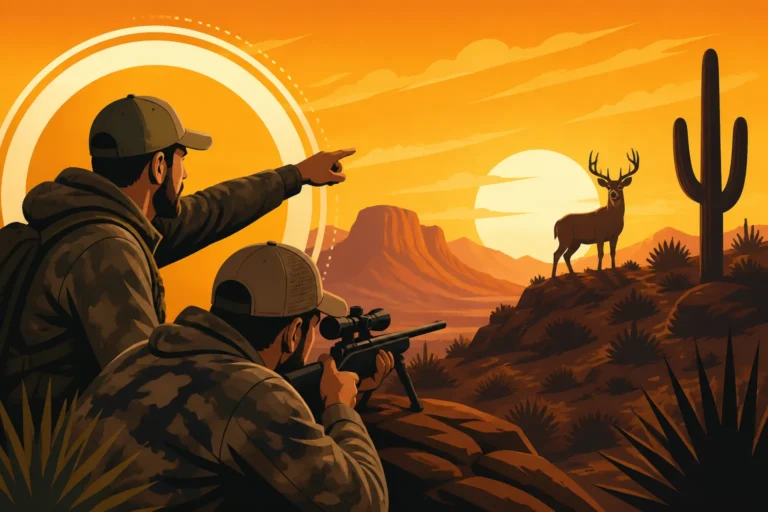
If a buck is spotted, the guide's work then shifts from finding to analyzing: judging the deer, planning an approach, and guiding you through the stalk. If no deer are spotted, they're constantly evaluating new areas to glass, relying on their accumulated knowledge of the unit. This intensive, focused effort for 8-10+ hours a day, day after day, is physically and mentally taxing. It's their professional responsibility to maximize every minute of daylight to increase your odds. How Many Days an Arizona Coues Hunt Runs often directly correlates with the amount of dedicated glassing a guide can commit.
What You're Really Paying For: Efficiency and Experience
Ultimately, the charge for "glassing hours" is a transparent way for outfitters to convey the value of their specialized service in the unique context of Coues deer hunting. It boils down to efficiency, minimizing your learning curve, and leveraging unparalleled experience to improve your chances of success.
Maximizing Your Chances
Coues deer hunts are often low-opportunity affairs. You might only get one or two legitimate chances at a quality buck over several days. The guide's "glassing hours" are about ensuring that when those opportunities arise, you're in the best possible position to capitalize on them. They've already done the homework, invested in the best tools, and put in the time to narrow down the vastness of the desert into high-probability areas. This isn't just about finding any deer; it's about finding a quality deer that meets your expectations, especially if you're chasing a particular antler class. Judging an Arizona Coues Buck at Distance is a skill they possess and pass on in the field.
Navigating the Nuances of a Guided Hunt
When you book a guided Coues hunt, you're entering into a professional service agreement. Platforms like BookYourHunt can connect you with reputable outfitters, but understanding the breakdown of their fees is important. The "glassing hours" component clarifies that a significant portion of the value is tied to this specific, highly skilled activity. It differentiates a Coues hunt from, say, a waterfowl hunt where equipment and tactics are entirely different.
It also means that the guide is dedicating their energy to the most effective strategy for Coues: finding them from afar. You're paying for their ability to sit, stare, and spot, allowing you to save your energy for the stalk and the shot, which often involves steep, rocky terrain. What a Guided Coues Hunt Looks Like often involves hours of static observation followed by intense physical exertion.
Peace of Mind and Education
For many hunters, especially those new to Coues deer or Arizona's terrain, hiring a guide offers invaluable peace of mind. You're not left wondering if you're in the right spot, if your optics are good enough, or if you're missing something critical. The guide's presence and their dedicated glassing effort provide a level of confidence that significantly reduces the stress of such a challenging hunt. Moreover, it's an incredible learning experience. You get to observe a master at work, picking up techniques and strategies that you can apply to future hunts, whether guided or DIY. Ultimately, the "glassing hours" reflect the core strategy for successfully hunting the gray ghost of the desert.
Disclaimer
This article is for general informational purposes only and does not constitute professional advice. Laws, prices and regulations vary by location and change over time. Consult a qualified professional for guidance on your specific situation.