Flying Into Tucson for a Coues Hunt
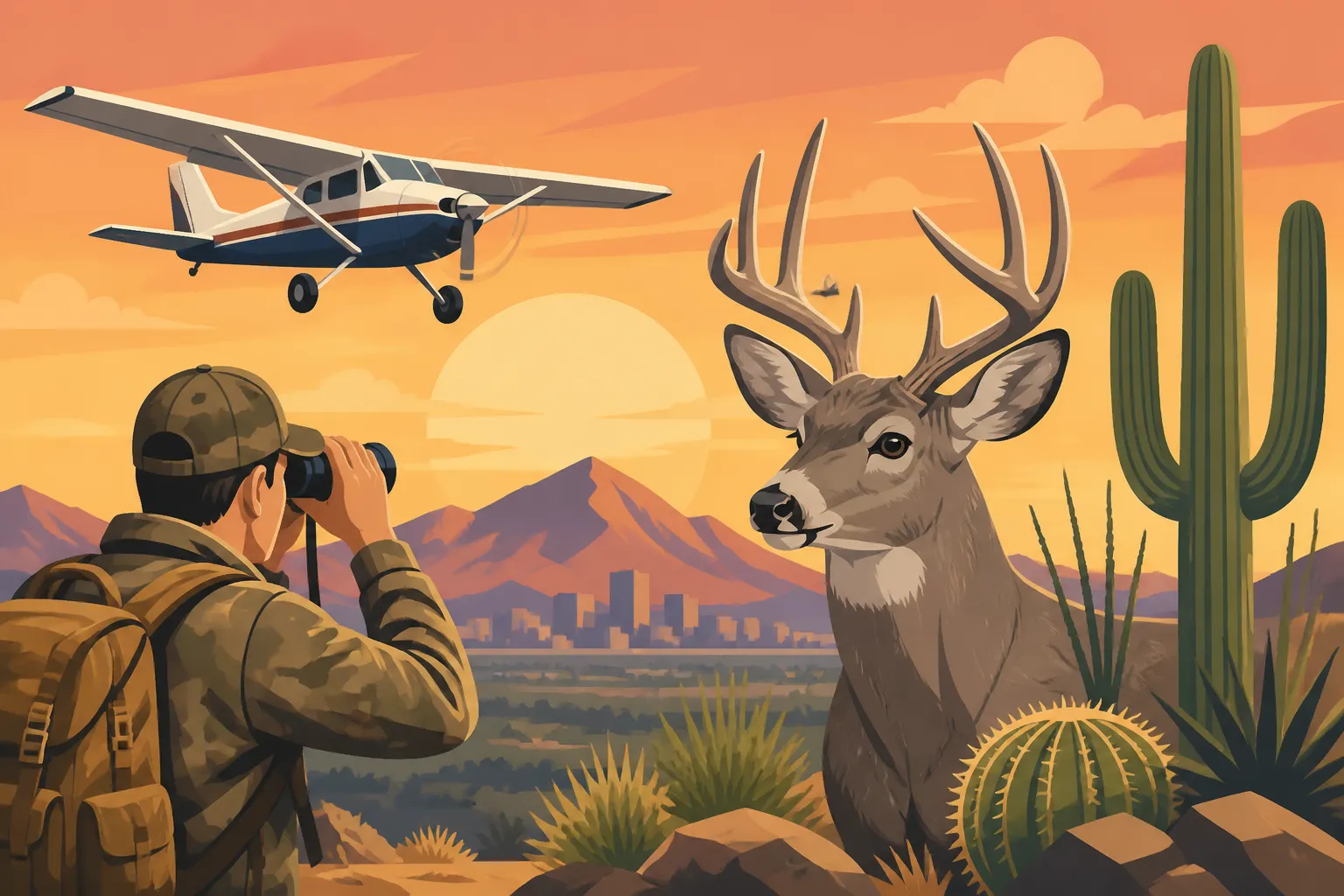
The idea of hunting the elusive Coues deer in Arizona is thrilling, but for those of us flying in from out of state, the logistics can feel like a whole separate challenge. You're not just thinking about where the deer are or what stand to pick; you’re wrestling with airline regulations, rental car nightmares, and how on earth you'll get your gear and hopefully your harvest back home. This guide is here to untangle that knot for you, focusing specifically on flying into Tucson to chase those "gray ghosts" of the Sky Islands.
Why Tucson Is Your Gateway to Arizona's Sky Island Coues Deer
When you set your sights on Coues deer, you're looking at a particular kind of country, and southern Arizona is the heart of it. Tucson, nestled right against some of these iconic mountain ranges, offers the perfect springboard for your hunt. It’s not just a convenient airport; it’s a city steeped in the very landscape you’ll be hunting.
The Allure of the Sky Islands
The "Sky Islands" are these incredible, isolated mountain ranges that rise dramatically out of the surrounding Sonoran Desert. Think of them as ecological islands in a sea of desert, each with its own unique flora and fauna, and crucially, prime Coues deer habitat. These ranges, like the Santa Ritas, Huachucas, Chiricahuas, and Catalinas, are where these small, wily whitetails thrive. The terrain is rugged, often steep, and covered in thick brush, oak woodlands, and eventually pine forests at higher elevations. It's an experience unlike any other deer hunt you might have had, demanding patience, keen optics, and a willingness to put in the miles. Understanding What Makes a Coues Deer Different from other whitetails helps you appreciate the challenge and reward.
The unique ecology here means varied temperatures and conditions, sometimes all within a single day. You might start your morning bundled against a crisp chill in the oaks, and by midday, be shedding layers as the desert sun beats down in the lower elevations. The deer use this varied terrain to their advantage, often bedding in thick, north-facing slopes to escape the heat and hunters' eyes. Hunting here is truly a game of glassing, patiently dissecting mountainsides for hours on end. This makes the optics you bring and how you use them absolutely critical.
Tucson International Airport TUS as a Base Camp
Tucson International Airport (TUS) is a fantastic starting point for a Coues deer hunt. It's a manageable size, not overwhelming like some of the larger hubs, but still well-served by major airlines. This means fewer headaches navigating massive terminals and quicker access to your rental car. Being located in southern Arizona, it puts you right in the vicinity of many of the top Coues units.
From TUS, you're often just an hour or two drive from the base of several Sky Island ranges. This proximity saves valuable hunting time, allowing you to maximize your days in the field rather than spending them behind the wheel. The city itself also offers all the amenities you might need for a hunting trip – sporting goods stores for last-minute gear, grocery stores for camp supplies, and a variety of lodging options. While you'll want to get into the field, having a solid staging point like Tucson helps smooth out the travel edges. This convenient location allows you to focus more on Glassing Arizona's Sky Islands for Coues Deer rather than navigating complicated logistics.
Essential Logistics for Flying Hunters: Gear, Rentals, and More
Flying with hunting gear always adds a layer of complexity. It requires meticulous planning and a clear understanding of airline and state regulations. Don't let a forgotten rule derail your hunt before it even begins.
Navigating Airline Regulations for Firearms and Archery Equipment
This is often the biggest hurdle for flying hunters. Airlines have strict, albeit sometimes varying, rules for transporting firearms and ammunition. Generally, firearms must be unloaded, cased in a locked, hard-sided container, and declared at check-in. The case should be specifically designed for firearms and able to withstand normal baggage handling. Ammunition usually needs to be in its original manufacturer's box or a similar secure container, separate from the firearm, and often has a weight limit. Always check with your specific airline well in advance of your flight, and then double-check closer to your departure, as policies can change.
For bowhunters, the rules are usually a bit more forgiving, but still require attention. Bows need to be in a hard-sided case to protect them from damage, and many airlines will treat them as oversized luggage, sometimes incurring extra fees. Broadheads, with their sharp edges, must be removed from your arrows and securely stored within your checked luggage, often in a separate, sturdy container. Never, ever attempt to carry on broadheads or ammunition. It’s a guaranteed way to cause major delays and potentially lose your gear. Remember, Arizona has specific requirements like Why Arizona Requires Broadheads Wider Than 7/8 Inch, so ensure your equipment complies before you even pack.
Vehicle Rentals and Off-Road Considerations
Once you land in Tucson, your choice of rental vehicle is paramount. Many of the best Coues deer units, especially those in the Sky Islands, involve driving on unpaved, often rocky, and sometimes steep forest service roads. A standard two-wheel-drive sedan simply won't cut it. You'll likely need a high-clearance 4×4 or at least an all-wheel-drive SUV. While rental companies frown upon taking their vehicles off-road, many forest roads, even if rough, are technically still "roads."
When booking, inquire specifically about 4×4 or AWD options and be prepared for higher rental costs. Inspect the vehicle thoroughly before leaving the lot for existing damage. Think about tire type, too – while you won't get mud-terrain tires, good all-season tires with decent tread are better than worn-out street tires. Having a full-size spare tire and the tools to change it is also highly recommended. There are times when even a solid truck won't protect you from a flat on a sharp rock. Also, consider the storage capacity for your gear, camp equipment, and if you're lucky, a deer. Having enough space for everything, including coolers for meat, is crucial for comfort and logistics.
Accommodation Options for Your Hunt
Tucson itself has a wide array of hotels, from budget-friendly options to more upscale resorts. This is a great choice for the night before or after your hunt, or if you prefer to drive into the hunting grounds each day. However, for most serious Coues hunts, you'll want to be closer to the action.
Many hunters choose to stay in smaller towns adjacent to the Sky Island ranges, like Sierra Vista, Patagonia, or Sonoita. These towns offer more basic lodging, often at lower prices, and significantly reduce your daily commute to the trailheads. Alternatively, dispersed camping on public lands (Bureau of Land Management or National Forest) is a popular and cost-effective option. This puts you right where you need to be at dawn and dusk, maximizing your hunting time. Just be sure to check fire restrictions, as Arizona's desert can be extremely dry, especially during early seasons. If you plan to camp, you'll need to pack accordingly, or plan to purchase some items locally in Tucson before heading out.
Pre-Trip Planning: Maps, Permits, and Practice
A successful Coues hunt, especially for an out-of-state hunter flying in, hinges heavily on thorough pre-trip preparation. The more you can plan and prepare beforehand, the smoother your actual hunt will be.
Digital Scouting and Physical Map Prep
In today's age, digital scouting tools are invaluable. Platforms like GoHunt offer detailed satellite imagery, topographic maps, and public land overlays that can help you identify promising glassing knobs, water sources, and potential bedding areas long before you ever set foot on the ground. You can mark waypoints, measure distances, and even identify access roads. Spend hours poring over these maps, identifying units that have good public land access and historical success rates. E-Scouting an Arizona Unit Before the Season is a skill worth honing.
However, never rely solely on digital tools. Cellular service can be spotty or non-existent in many remote hunting areas. Always carry physical maps—both topographic and forest service road maps—and a compass as a backup. Learn how to navigate with them. A good GPS unit, separate from your phone, is also a wise investment. Mark your intended routes, escape points, and potential glassing locations on both your digital and physical maps. This dual approach ensures you're never truly lost, even if technology fails you in the vast Arizona landscape.
Securing Your Licenses and Permits
Arizona's licensing and tag system can be a bit different from other states, so it's critical to understand it well in advance. For most Coues deer hunts, you'll be applying for a permit-tag through the draw, which has specific application deadlines (the February deadline for deer). However, Arizona also offers an Arizona's Over-the-Counter Archery Deer Tag Explained which runs for several months of the year, providing a fantastic opportunity for non-residents looking for a more accessible hunt. This OTC archery tag is a non-permit tag, meaning you can purchase it directly without going through the draw, making flying into Tucson for an archery hunt particularly attractive.
You'll need a valid Arizona hunting license first, which is typically purchased online through the Arizona Game and Fish Department portal. Familiarize yourself with all the current regulations, including legal shooting hours, blaze orange requirements (if applicable to your hunt), and specific weapon rules. If you're new to hunting, or if your state's hunter education isn't recognized, you might need to complete The Arizona Hunter Education Age Requirement. Many hunters also consider taking The Ethically Hunting Arizona Course Earns a Permanent Point, which can benefit future draw applications.
Practice Makes Perfect: Final Shooting Practice
Whether you're bringing a rifle or a bow, consistent practice before your trip is non-negotiable. Coues deer are small targets, and shots can often be at extended ranges in windy conditions. For rifle hunters, understanding Holding for Wind Across a Wide Canyon and practicing shooting from field positions—off a bipod, shooting sticks, or a backpack—is crucial. Don't just practice from a bench. Practice quickly acquiring your target, especially after a long hike.
Archery hunters need to be even more dialed in. The steep, uneven terrain means you'll rarely have a flat shot. Practice shooting uphill, downhill, and from awkward kneeling or crouching positions. Know your effective range inside and out, and be honest with yourself about your limitations. The last thing you want is to wound a deer in the thick desert brush. A trip to a local range or even a backyard setup that mimics hunting scenarios can make all the difference when that Coues buck finally steps out.
On the Ground: Making the Most of Your Coues Hunt
You've landed, you've got your gear, and you're headed to the mountains. Now the real work (and fun!) begins. Hunting Coues deer is a unique challenge that rewards patience, stealth, and a deep appreciation for the desert environment.
Understanding Coues Deer Behavior and Habitat
Coues deer are notoriously shy and masters of camouflage, often referred to as "gray ghosts." They blend seamlessly into the oak brush and rocky slopes of the Sky Islands. Unlike their larger whitetail cousins, they don't typically respond well to aggressive calling, though some hunters have success with subtle fawn bleats. Your primary strategy will involve extensive glassing. Spend hours behind good binoculars and a spotting scope, slowly dissecting every inch of hillside. Why Coues Deer Reward Patience Over Movement cannot be overstated.
They are most active during the cooler parts of the day, early morning and late evening, often retreating to dense cover during the midday heat. They'll frequent water sources, especially during drier periods, and key on specific forage. Learning to identify fresh tracks, scat, and rubs will give you an edge, but the sheer vastness of their habitat means you'll be covering a lot of ground, visually. Pay close attention to wind direction, as Coues deer have an exceptional sense of smell, and a shift in thermals can quickly give you away when Playing Thermals on a Canyon Stalk.
Local Resources and Emergency Preparedness
Even with all your planning, things can go wrong in the backcountry. Familiarize yourself with the nearest towns and their services. Know where the closest gas station, mechanic, and urgent care facilities are. It’s also wise to research local butcher shops or meat processors if you plan to have your game professionally handled.
Emergency preparedness is non-negotiable. Carry a well-stocked first-aid kit, and know how to use it. A satellite messenger or personal locator beacon (PLB) is a smart investment, especially if you're hunting alone or in remote areas with no cell service. Always let someone know your hunting plan, including your specific unit, expected return time, and any changes to your itinerary. Carry plenty of water—more than you think you’ll need—and pack extra food, a headlamp, and emergency blankets. The desert environment can be unforgiving, with temperatures swinging dramatically and dehydration being a constant threat. Water You Must Carry on a Day Hunt is a critical piece of the puzzle for safety.
Post-Harvest Logistics
Congratulations, you've harvested a Coues deer! Now comes the next logistical puzzle: getting your meat and trophy home. In Arizona's often warm climate, prompt field dressing and cooling are absolutely essential to preserve the meat. Understand the Field Dressing in Desert Heat process. Have large coolers packed with ice ready at your vehicle, or plan for an immediate trip to a meat processor.
If you plan to fly your meat home, you'll need to bone it out, double-bag it, and pack it in airline-approved coolers or insulated boxes. Each airline has specific rules for shipping meat, often requiring it to be frozen solid and adhering to strict weight limits. Check these policies well in advance. For antlers or capes, you might consider having them professionally caped and frozen by a local taxidermist before shipping. Some hunters opt to ship antlers via freight or a specialized shipping service rather than trying to check them as baggage. Discuss these options with your chosen taxidermist or outfitter, if you've used one through a service like BookYourHunt.
Here's a quick checklist for flying with your gear:
| Item Type | Airline Requirement (General) | Hunter Action |
|---|---|---|
| Firearm | Unloaded, hard-sided, locked case, declared at check-in. | Confirm airline policy; use TSA-approved locks; keep keys separate. |
| Ammunition | Original packaging/secure container, separate from firearm, weight limits. | Confirm airline policy; pack securely in checked bag; weigh before packing. |
| Compound Bow | Hard-sided case, often considered oversized. | Confirm airline policy; invest in durable case; check for extra fees. |
| Broadheads | Removed from arrows, securely stored in checked luggage. | Pack in sturdy container (e.g., small tackle box) inside main bag. |
| Arrows/Bolts | Securely cased, often within bow case. | Ensure fletchings are protected; check length limits for cases. |
| Knives/Tools | Checked luggage only. | Pack all blades, multitools, etc., in your main checked bag. |
| Optics | Can be carry-on (for protection) or checked. | Consider carrying on valuable optics like spotting scopes and binoculars. |
This article is for general informational purposes only and does not constitute professional advice. Laws, prices and regulations vary by location and change over time. Consult a qualified professional for guidance on your specific situation.