Donating Meat After a Guided Hunt
A successful hunt in Arizona often leaves you with an abundance of beautiful, organic game meat. While that's a wonderful problem to have, for many hunters, especially nonresidents or those with limited freezer space, deciding what to do with a substantial harvest can become a real head-scratcher. This guide will walk you through the ins and outs of donating your hard-earned game meat after a guided hunt in Arizona, ensuring your harvest contributes to the community and minimizes waste.
The Ethical Hunter's Dilemma: Sharing Your Bounty
Bringing down an Arizona elk or a healthy Coues deer is a moment of immense satisfaction, but then the reality sets in: you're looking at hundreds of pounds of high-quality protein. For some, it's more than their family can consume in a reasonable timeframe, or perhaps the logistics of transporting it all home, especially for those traveling a long distance, become overwhelming. This is where the idea of donating your meat truly shines, aligning perfectly with the conservation ethics that many hunters embody.
Why Consider Donating Your Harvest?
The reasons for donating game meat extend beyond just practical considerations. At its core, hunting is about being connected to the land and its resources, and part of that connection often means giving back to the community. When you donate game meat, you're transforming your successful hunt into a direct benefit for others, providing lean, natural protein to families who might otherwise struggle to put healthy meals on the table. It's a powerful way to demonstrate the positive impact of hunting on society.
From a practical standpoint, imagine you've just taken a magnificent bull elk from the Mogollon Rim. That’s a significant amount of meat! If you're a nonresident, the cost of processing, freezing, and shipping all that meat back home can be considerable, sometimes rivaling the cost of the hunt itself. Donating a portion, or even all of it, can alleviate this logistical and financial burden while still honoring the animal and the hunt. It's a win-win, ensuring no part of your harvest goes to waste.
Arizona's Meat Salvage Requirements
Before we dive into the how-to of donating, it's crucial to understand Arizona's foundational rules regarding your harvest. The state has clear regulations about ensuring that edible portions of big game animals are salvaged. Simply put, you can't just leave good meat in the field. This regulation underscores the ethical responsibility all hunters share to utilize their harvest.
These meat salvage requirements are designed to prevent waste and ensure that the resource is respected. Whether you intend to keep every ounce yourself or donate it, the commitment to proper field care and retrieval of all edible meat remains. Donating provides a clear and ethical pathway to comply with these rules, especially when personal consumption isn't an option for the entire animal. It’s important to familiarize yourself with The Meat Salvage Requirements for Big Game to ensure full compliance. This means getting the meat cooled quickly and transported out of the field, which is often a big undertaking, especially if you're thinking about Field Dressing in Desert Heat or figuring out Getting Meat Cooled on an Early Season Hunt.
Navigating Donation Options with Your Outfitter
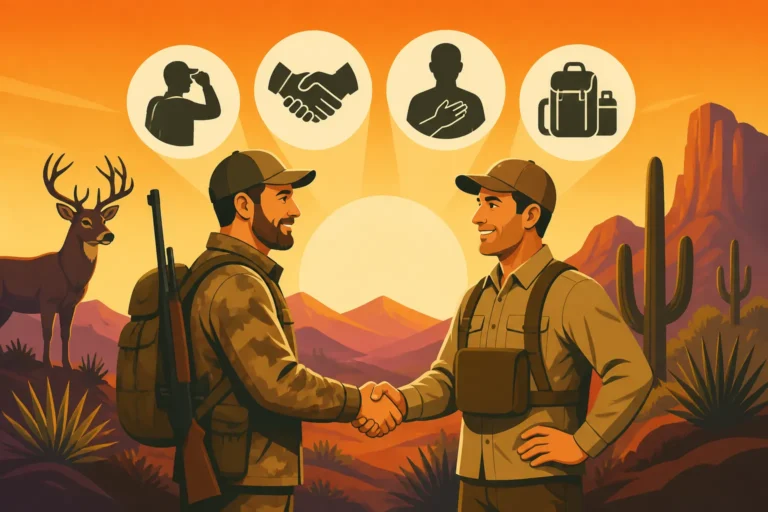
When you're on a guided hunt, your outfitter isn't just there to help you find and harvest an animal; they're often an invaluable resource for everything that comes after the shot. This is especially true when it comes to handling your meat, whether you're keeping it or looking to donate. They live and breathe the local hunting culture and often have established relationships that can smooth the donation process.
Your Guide as a Local Resource
Think of your guide as your local expert, not just on animal behavior and terrain, but also on the community infrastructure that supports hunting. Many outfitters have long-standing relationships with local meat processors, which is the first crucial step in getting your game ready for donation. They know who does quality work, who is reliable, and who might even be connected to local food banks or "hunters for the hungry" programs.
It's absolutely essential to discuss your intentions to donate before your hunt begins, preferably even before you finalize your booking. This allows your outfitter to plan accordingly. They can factor in the extra logistics of transporting the meat to a specific processor or contacting a charity. For instance, if you're researching potential outfitters on platforms like BookYourHunt, adding "Do you facilitate meat donation, and do you have connections with local food banks?" to your list of vetting questions is a smart move. Their answer can give you a lot of insight into their operation and community involvement. While you're working with your guide, it's also a good time to ask about How Much to Tip a Hunting Guide so you're prepared.
Local Processors and Hunters for the Hungry Programs
Arizona has numerous small towns scattered near its prime hunting units, and many of these communities are home to independent meat processors. These are the folks who turn your field-dressed animal into packaged, freezer-ready cuts. They are the linchpin of any meat donation effort.
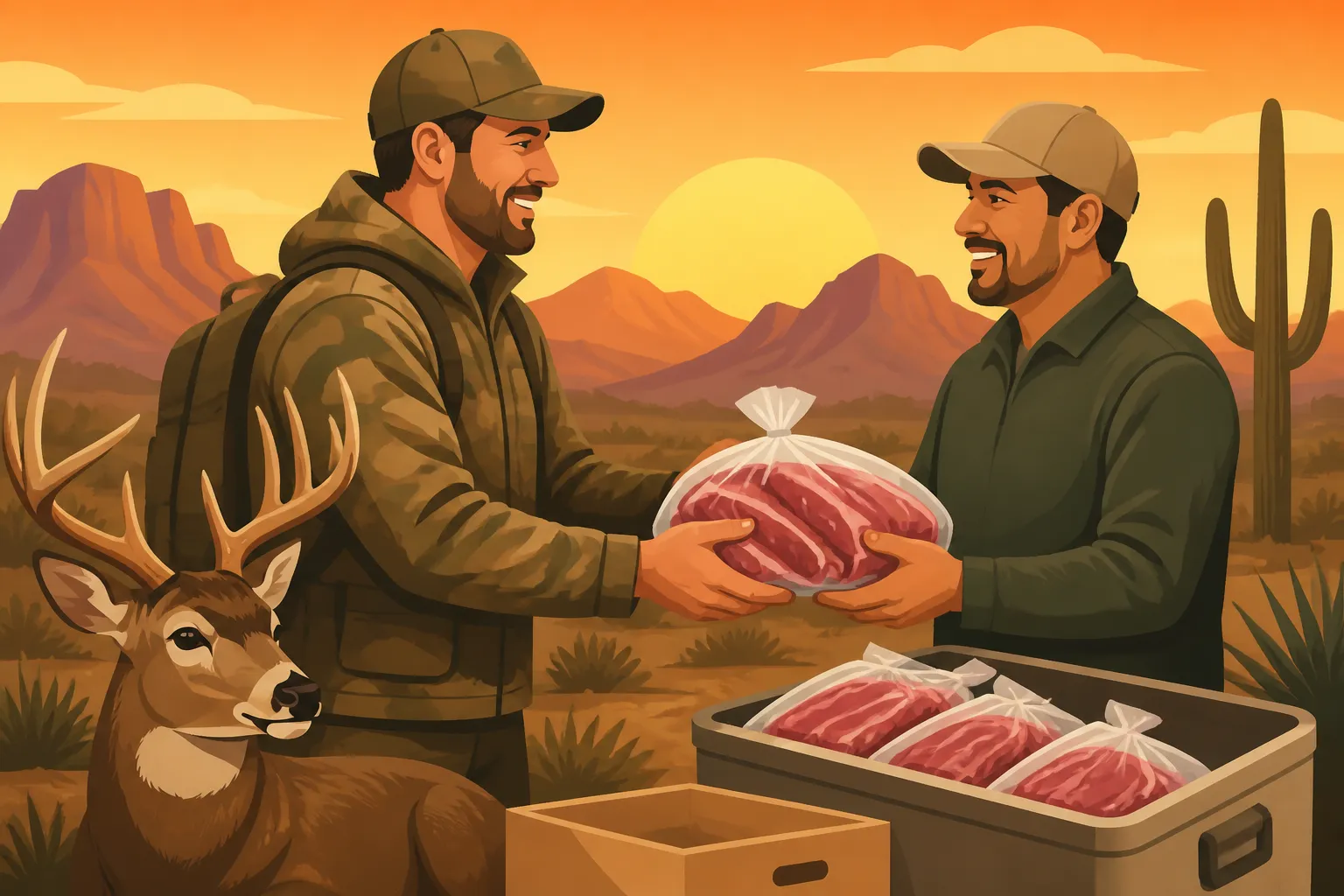
Beyond individual processors, there are often statewide or local "Hunters for the Hungry" type programs. These initiatives specifically facilitate the donation of game meat to food banks and charitable organizations. Here's generally how they work:
- Hunter harvests animal.
- Hunter takes animal to a participating processor. The processor might be on a pre-approved list for the program, or your outfitter might recommend one they work with.
- Hunter pays for processing. In most cases, the hunter is responsible for the processing fees. This is an important budgetary consideration.
- Processor packages the meat. They handle all the cutting, grinding, and wrapping.
- Program arranges distribution. Once processed, the designated food bank or charity picks up the meat or it's delivered to them.
This system ensures that the meat is handled safely and professionally, guaranteeing a high-quality product for those in need. It's a streamlined way to get your wild game to hungry families, transforming your successful hunt into a tangible benefit for the wider community. Knowing that your guide understands these local resources, whether through direct connections or knowledge of participating programs, can make a huge difference in the overall success of your donation efforts.
Practical Steps and Considerations for Donating Your Harvest
Donating game meat isn't just a spontaneous act; it requires a bit of forethought and coordination, especially when you're working with an outfitter. Proper planning ensures that the meat remains high quality and that the donation process goes smoothly from the field to the recipient.
Pre-Hunt Planning for Donation
The best time to plan for donating your game meat is well before you even set foot in the hunting unit. Here’s a checklist of things to consider:
- Discuss with Your Outfitter: As mentioned, this is paramount. When you're planning your hunt, perhaps even after you've used a resource like GoHunt to research potential units and draw odds, be sure to ask your outfitter about their experience with meat donation. Clarify what level of assistance they can provide, such as transporting the carcass to a processor or connecting you with a charity. Understanding What a Guided Arizona Elk Hunt Includes might give you an idea of services, but specifically asking about donation is key.
- Research Local Programs: Do a quick online search for "Hunters for the Hungry Arizona" or "game meat donation Arizona." This will often point you to state-level programs or local food banks that accept wild game. Make a few calls to understand their specific requirements, drop-off locations, and any fees involved.
- Budget for Processing Fees: Remember that you, the hunter, are typically responsible for the processing costs. These fees can vary, so get an estimate from potential processors. It's an investment in ensuring your meat is properly prepared for donation and that no part of the animal goes to waste.
- Understand Meat Care: Whether you're keeping the meat or donating it, the quality begins in the field. Rapid cooling and cleanliness are crucial. Your outfitter will undoubtedly be an expert at Field Dressing in Desert Heat and Getting Meat Cooled on an Early Season Hunt, but knowing the importance of these steps yourself will help you ensure the best possible outcome for the donated meat.
Post-Harvest Logistics
Once you've successfully harvested your animal, the clock starts ticking for proper meat handling. The logistics here are critical for the quality and safety of the donated product.
- Transport from Field to Processor: Your outfitter will likely manage the initial transport of the carcass from the kill site to a designated drop-off point, often their camp or a staging area. From there, it needs to get to the meat processor. Discuss with your guide whether they can deliver it directly or if you'll need to arrange transport. Having a plan for this step prevents delays that can compromise meat quality, especially in warmer Arizona temperatures.
- Ensuring Proper Handling: A reputable processor will follow all food safety guidelines. Make sure the processor you choose is experienced with wild game and understands the specific requirements for donated meat. Proper chilling, butchering, and packaging are non-negotiable for a safe and quality product.
- Documentation and Tagging: Don't forget the legal side of things. Your tag must be properly affixed to the animal as required by Arizona Game and Fish Department regulations. When you drop off the animal at the processor, ensure all necessary documentation is completed, including any forms required by the donation program. This often ties into Mandatory Reporting After an Arizona Harvest, so make sure you're clear on all post-harvest obligations.
Costs and Benefits of Donating
While the act of donating is philanthropic, it's important to be realistic about the financial aspect.
The primary cost associated with donating game meat is the processing fee. As the hunter, you will almost certainly be responsible for this expense. Prices can vary significantly based on the size of the animal and the specific cuts requested, but it's a necessary investment to transform a field-dressed animal into edible, packaged portions suitable for a food bank. There typically aren't additional fees for the act of donating itself from the charity's side, as they are usually grateful for the protein.
The benefits, however, far outweigh the costs.
- Community Impact: You're providing nutrient-rich, lean protein to individuals and families who are food insecure. This is often an expensive protein source that many cannot afford on their own.
- Waste Reduction: Donating ensures that a valuable natural resource is fully utilized, honoring the animal and the hunt.
- Positive Image for Hunting: It showcases hunters as responsible conservationists and compassionate community members, challenging negative stereotypes and building goodwill.
- Personal Satisfaction: There's an immense sense of fulfillment in knowing your successful hunt has helped others. This truly embodies the spirit of giving back.
To help you visualize the differences, here's a table outlining the donation process with and without outfitter assistance:
| Aspect of Donation | DIY Hunter (No Guide) | Guided Hunter (With Guide) |
|---|---|---|
| Research | Independent research for programs & processors. | Guide may have established contacts and recommendations. |
| Field Care | Sole responsibility for proper field dressing/cooling. | Guide assists significantly with proper field care. |
| Transport | Hunter must transport carcass to processor. | Guide often assists with transport to initial staging/processor. |
| Processor Link | Hunter identifies and contacts processor directly. | Guide can make introductions or arrange drop-off with a known processor. |
| Fees | Hunter pays all processing fees. | Hunter pays all processing fees. |
| Logistics | Hunter coordinates all steps post-harvest. | Guide can help coordinate logistics, especially in remote areas. |
| Local Knowledge | Relies on personal research and networking. | Leverages guide's deep local knowledge and community ties. |
Ultimately, donating meat after a guided hunt in Arizona is a fantastic way to extend the impact of your outdoor adventure beyond your own freezer. By coordinating with your outfitter and understanding the simple logistics, you can easily ensure your harvest provides healthy food for those who need it most, embodying the very best of hunting and conservation ethics.
Disclaimer
This article is for general informational purposes only and does not constitute professional advice. Laws, prices and regulations vary by location and change over time. Consult a qualified professional for guidance on your specific situation.