Trail Camera Use by Arizona Outfitters
It's incredibly frustrating when you're trying to prepare for an Arizona hunt, especially when you're working with an outfitter, and you just don't know what to expect from their scouting methods. You hear whispers about technology, but what does that really mean for your hunt? This guide will dive deep into how reputable Arizona outfitters are using trail cameras to enhance their scouting efforts, ensuring you understand the ethical considerations, technological applications, and strategic advantages these tools provide in the field.
The Role of Trail Cameras in Modern Arizona Outfitting
In the world of professional guiding, particularly in a state as vast and diverse as Arizona, every tool that provides an edge is meticulously considered. Trail cameras have evolved from simple "eye in the woods" gadgets to sophisticated scouting partners, fundamentally changing how outfitters prepare for client hunts. They're not just about getting a picture of a big buck; they're about understanding the nuanced rhythms of the wild before a single boot even touches the ground with a client.
For outfitters, these cameras are an investment in their clients' success and a testament to their dedication. They allow for a level of continuous, non-intrusive monitoring that simply wasn't possible a couple of decades ago. This constant surveillance helps build a comprehensive picture of a unit, far beyond what even the most diligent human scout could gather in a limited timeframe. It’s about leveraging technology to become more efficient, more knowledgeable, and ultimately, more effective in putting clients on game.
Scouting and Inventorying Game Before the Hunt
One of the primary benefits of trail cameras for Arizona outfitters is their ability to conduct extensive pre-season scouting and game inventory. Imagine trying to cover hundreds or even thousands of acres of rugged Arizona terrain on foot, looking for specific trophy animals or even just understanding the general population density. It's a Herculean task, often limited by time, resources, and human endurance, especially in the scorching desert summer or during the deep snows of the high country.
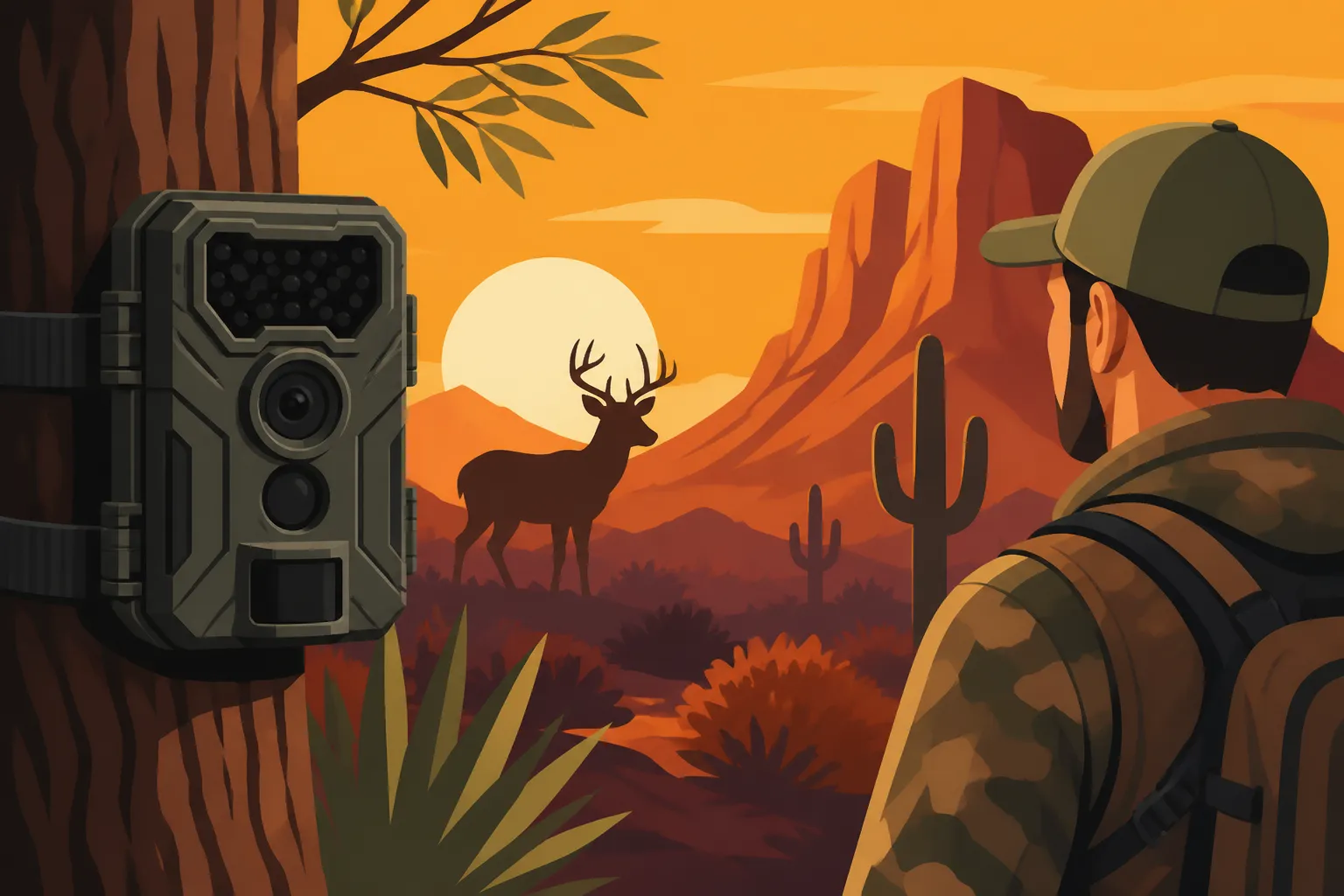
Trail cameras become silent, tireless sentinels, placed strategically along game trails, near water sources, or within bedding areas. They capture an ongoing record of what animals are present in a given area, the size and quality of bucks and bulls, and the overall health of the herd. An outfitter might deploy dozens of cameras across several units, gathering intel that would take weeks or months to collect otherwise. This allows them to effectively "inventory" the animals in their permitted areas, identifying target animals long before the season even begins. This rigorous intelligence gathering is a key reason why many outfitters boast impressive success rates. For more on what goes into a successful scouting mission, check out E-Scouting an Arizona Unit Before the Season.
This early inventory helps outfitters manage client expectations and allocate resources efficiently. If they know a particular unit has several mature mule deer bucks in specific canyons, they can focus their pre-hunt preparations on those areas, rather than blindly searching. It’s about working smarter, not just harder, and ensuring that when clients arrive, the outfitter has a solid plan based on verifiable, recent data.
Patterning Animal Movement and Behavior
Beyond simply knowing what's in the woods, trail cameras are invaluable for understanding how animals behave. Arizona's diverse landscapes, from the Sky Islands to the Mogollon Rim, mean animal patterns can vary wildly. A bull elk's movement in the ponderosa pines of unit 9 will be different from a Coues deer's behavior in the mesquite flats of unit 21. Trail cameras capture data points like time of day, direction of travel, and even interactions between animals, painting a vivid picture of daily routines.
This patterning capability is crucial for identifying precise ambush points or determining the best time to initiate a stalk. An outfitter can see if a particular waterhole is active at dawn, dusk, or in the middle of the night. They can track the consistency of a buck hitting a rub line or discover a bedding area that's used exclusively during certain wind conditions. This granular data allows for highly targeted hunting strategies, moving beyond guesswork to informed decision-making in real-time during the hunt. Reading Fresh Elk Sign in Ponderosa Timber further emphasizes the importance of understanding these patterns.
For example, an outfitter might notice a specific bull elk consistently moving between a feeding area and a bedding thicket around 9:00 AM. This information is gold. Instead of randomly walking through the woods hoping to stumble upon him, the outfitter can set up an interception point or plan a strategic stalk well in advance, capitalizing on predictable behavior. Without trail cameras, gathering such consistent, precise data would be incredibly difficult, often requiring countless hours of human observation, which is both expensive and time-consuming.
Understanding Ethical Boundaries and Regulations for Trail Camera Use
While trail cameras offer immense advantages, their use by outfitters, and indeed all hunters, is subject to specific ethical considerations and legal regulations in Arizona. It's important for both outfitters and their clients to be well-versed in these rules to ensure compliance and maintain the integrity of fair chase hunting. For comprehensive information, always refer to Baiting and Trail Camera Rules in Arizona.
Arizona has clear guidelines regarding the use of trail cameras, particularly those with cellular capabilities, and how they relate to the timing of a hunt. The core principle is generally to prevent real-time "live scouting" during a hunt, which could give an unfair advantage. Outfitters must ensure that any cameras providing immediate alerts are not actively transmitting during the hunt itself if specific regulations prohibit it. This means cameras might be used extensively during pre-season scouting but then either turned off, removed, or used without live transmission once the season officially opens and clients are in the field.
Outfitters also have a responsibility to educate their clients on these rules. Transparency about their scouting methods, including trail camera deployment, builds trust. A reputable outfitter will always operate within the bounds of the law and ethical hunting practices, explaining how their camera data is collected and used. This ensures that while technology aids the hunt, it doesn't detract from the challenge and tradition of the sport. It's about respecting both the game and the regulations designed to manage it sustainably.
Types of Trail Cameras Arizona Outfitters Employ
Not all trail cameras are created equal, and Arizona outfitters often employ a range of technologies depending on the specific scouting need, terrain, and budget. The choice of camera can significantly impact the effectiveness of their pre-season reconnaissance. Understanding the differences helps appreciate the effort and thought that goes into an outfitter's preparation.
From basic models that simply record to an SD card to advanced cellular cameras that transmit images to a phone, each type has its advantages and disadvantages in the rugged Arizona environment. Outfitters often maintain a diverse arsenal of cameras, deploying the right tool for the right job, whether it's monitoring a remote water source for bighorn sheep or tracking elk movements in a dense rim country burn.
Cellular vs. Standard SD Card Cameras
The biggest distinction in trail camera technology today lies between cellular and standard SD card models. Each offers a different level of convenience and data retrieval, which directly impacts an outfitter's workflow and efficiency.
Standard SD Card Cameras: These are the traditional workhorses. They record images and videos to an internal memory card, which must be physically retrieved by visiting the camera.
- Pros: Generally more affordable, simpler technology means fewer potential points of failure, no monthly subscription fees, and they can be deployed in areas with no cellular service (which is common in many remote Arizona units). They are excellent for long-term, passive monitoring where frequent checks aren't necessary or feasible.
- Cons: Requires physical presence to check, meaning more trips into the field, which can disturb game and take valuable time. If a camera is placed deep in a wilderness area, checking it frequently might be impractical or require significant effort, such as a multi-day hike. This can lead to stale data if a unit's conditions change rapidly.
- Outfitter Use Case: Often used in areas where cell service is nonexistent, or for very sensitive spots where minimal disturbance is key. They might be set up well in advance of the season, checked infrequently, and then pulled before clients arrive to avoid any accidental in-season "live" scouting.
Cellular Cameras: These cameras use a cellular network to transmit images and videos directly to a user's phone or computer, providing near real-time updates.
- Pros: Immediate data retrieval without disturbing the area, allowing outfitters to monitor multiple locations from their office or home. This saves immense time and effort, and provides the most up-to-date information on game activity. They are invaluable for understanding sudden shifts in animal behavior due to weather changes, hunting pressure, or rutting activity.
- Cons: Higher initial cost, requires a monthly data plan (which can add up with multiple cameras), and relies entirely on cellular service, which can be spotty or nonexistent in many of Arizona's remote hunting units. Battery life can also be shorter due to constant transmission, requiring more frequent checks for battery changes.
- Outfitter Use Case: Crucial for monitoring high-traffic areas, identifying specific trophy animals, and reacting quickly to changes. They are often deployed in units with reliable cell service to maximize their benefit. When scouting with tools like GoHunt, outfitters might overlay cellular service maps to plan optimal cellular camera placement.
Here's a quick comparison of the two types:
| Feature | Standard SD Card Camera | Cellular Camera |
|---|---|---|
| Cost | Lower initial cost | Higher initial cost, ongoing data plan fees |
| Data Retrieval | Manual (physical visit required) | Automatic (images sent to phone/email) |
| Real-time Updates | No | Yes (near real-time) |
| Cell Service Required | No | Yes |
| Disturbance | Higher (repeated visits needed) | Lower (infrequent visits needed) |
| Battery Life | Generally longer | Generally shorter (due to transmission) |
| Ideal Use | Remote areas, long-term passive monitoring | Active monitoring, quick adaptation, high-traffic areas |
Strategic Placement and Concealment for Success
The best trail camera in the world is useless if it's placed incorrectly or easily detected. Arizona outfitters are masters of strategic placement and concealment, understanding that successful camera deployment is an art form influenced by animal behavior, terrain, and environmental factors.
Placement often revolves around known game travel corridors, pinch points between bedding and feeding areas, natural funnels created by topography, and critical water sources. In the desert, a lone stock tank or a hidden spring can be a hotspot, especially during early archery seasons when heat management is a major concern. In the high country, trails leading to secluded meadows or along ridges can yield excellent results. Outfitters are constantly looking for those subtle features of the landscape that naturally channel animal movement. Finding Water in Arizona's Dry Country is a prime example of where cameras can shine.
Concealment is equally important. A camera that's too obvious can be stolen, vandalized, or, perhaps worse, spook animals. Outfitters use natural cover like thick brush, tree trunks, and rocks to hide cameras, sometimes even camouflaging them further with paint or fabric wraps to blend into the surroundings. Mounting them high and angled down can also make them less noticeable to both humans and wary wildlife. The goal is for the camera to become just another inanimate object in the environment, capturing authentic, undisturbed animal behavior. This meticulous attention to detail ensures the data collected is a true representation of what's happening on the ground, without altering the animals' natural routines.
Interpreting Trail Camera Data for Hunt Planning
Collecting countless images and videos from trail cameras is only half the battle; the real skill lies in interpreting that data to formulate an effective hunt plan. Arizona outfitters spend considerable time sifting through their digital captures, looking for patterns, identifying specific animals, and making critical decisions that will directly impact their clients' success. This analytical phase is where raw data transforms into actionable intelligence.
It’s a bit like being a detective, piecing together clues from thousands of images to build a comprehensive narrative of the hunting unit. Every timestamp, every angle, every animal interaction tells a part of the story, and a skilled outfitter knows how to read between the lines to extract the most valuable insights. This in-depth analysis is a core component of their professional service, distinguishing them from less prepared operators.
Analyzing Time-Lapse and Video Footage
Trail cameras capture data in various formats, most commonly still images and short video clips, and sometimes time-lapse sequences. Each format offers unique insights that outfitters use to their advantage.
Still Images: These are great for identifying individual animals, especially trophy-class bucks and bulls. An outfitter can pore over images, noting specific antler characteristics, body size, and unique markings to create an "identity" for target animals. This is crucial for judging an animal in the field quickly and accurately. For example, learning to recognize a specific Coues buck from a photo taken months prior can be the difference between a pass and a shot. Judging an Arizona Coues Buck at Distance is a skill honed partially through reviewing these images. Outfitters also use images to assess the general health and composition of the local game population.
Video Footage: Video clips, though they consume more battery and memory, provide a dynamic view of animal behavior. They show how an animal moves, how it interacts with its environment or other animals, and offer a better sense of its size and gate. A video can reveal if an animal is alone or part of a group, if it’s wary or relaxed, and exactly which trail it prefers. This context is invaluable for planning a stalk or a stand setup. Seeing an elk herd's actual path to water in a video, rather than just a still image of one, offers far more tactical information.
Time-Lapse: Some cameras offer a time-lapse mode, which takes a series of photos over an extended period (e.g., one photo every 10 minutes from dawn to dusk). This is particularly useful for monitoring large open areas like meadows or food plots, or for observing shifts in activity over an entire day. An outfitter might use time-lapse to determine when a specific field is most active, allowing them to pinpoint optimal hunting times without disturbing the area. It provides a broad overview of activity trends, rather than just individual events.
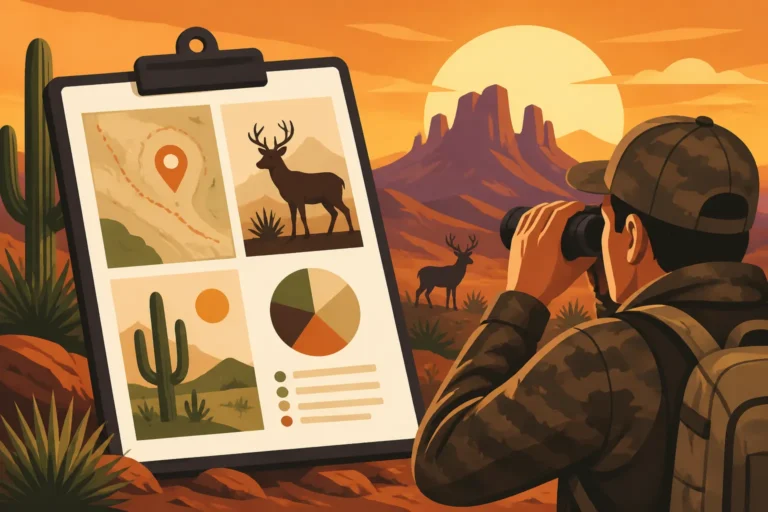
Outfitters meticulously log and categorize this data, often using software or detailed spreadsheets to track specific animals, their movements, and patterns over time. This systematic approach ensures that no valuable intel is overlooked, and that a clear, data-driven picture of the hunting unit emerges.
Adjusting Strategies Based on Intel
The ultimate goal of all this trail camera work is to inform and adjust hunt strategies. The data gathered isn't just for show; it's the foundation upon which an outfitter builds a dynamic plan for their clients. A good outfitter doesn't just stick to a pre-conceived notion; they adapt based on the most current information available.
If trail cameras show that a target bull has changed its pattern due to increased early season pressure, the outfitter can immediately pivot, scouting new areas or adjusting their approach. If a particular water source unexpectedly dries up, forcing deer to use an alternative, the cameras will reveal this, allowing the outfitter to shift focus without losing precious hunting time. This adaptability is where the investment in trail camera technology truly pays off, offering flexibility and responsiveness in a constantly changing environment.
Moreover, this intel allows outfitters to tailor the hunt experience to the client's preferences and physical capabilities. If the cameras reveal a trophy animal consistently using a relatively accessible area, it might be perfect for a client with limited mobility. Conversely, if the big one is deep in a remote canyon, the outfitter can prepare a more strenuous, backcountry hunt plan. Platforms like BookYourHunt allow clients to review outfitter services, and understanding how outfitters use such intel can be a part of vetting their professionalism. Ultimately, trail camera data empowers outfitters to make precise, informed decisions, maximizing the client's chances of a successful and rewarding Arizona hunting experience.
Disclaimer
This article is for general informational purposes only and does not constitute professional advice. Laws, prices and regulations vary by location and change over time. Consult a qualified professional for guidance on your specific situation.