Hunter Education From Age Nine in Arizona
It can feel like a tangled web trying to figure out all the rules and regulations surrounding youth hunting, especially when you're just trying to get your kids outdoors responsibly. Many parents get frustrated by conflicting information or simply not knowing where to start when their child expresses interest in hunting. This comprehensive guide will untangle Arizona's hunter education requirements, offering a clear path for families, with a specific focus on what it means for aspiring young hunters as early as nine years old, ensuring everyone understands the journey ahead.
Understanding Arizona's Hunter Education Mandate for Youth
Bringing a new hunter into the field, especially a young one, is a wonderful experience, but it comes with a significant responsibility: ensuring they are safe, knowledgeable, and ethical. Arizona has specific requirements for hunter education that are designed to protect both the hunter and the wildlife. It’s not just about passing a test; it’s about instilling a lifelong understanding of conservation and safe practices. For many families, the age factor is the first big question mark, and Arizona has distinct rules for different age groups.
Who Needs to Take Hunter Education in Arizona
Let's get straight to it: not everyone needs to take hunter education in Arizona. If you were born on or before January 1, 1967, you are generally exempt from the requirement. This rule is a common one across many states, acknowledging that those hunters likely learned their skills and ethics in a different era. However, for anyone born after that date, hunter education is a mandatory step before they can hunt big game in Arizona. This includes species like deer, elk, bear, mountain lion, and javelina. It's a foundational requirement that ensures a baseline level of knowledge for all participants in these often challenging and demanding hunts. Even if you're an adult moving to Arizona from another state, your hunter education certification from a different state (as long as it's IHEA-USA approved) is usually recognized, so you won't have to retake it.
The Specifics for Hunters Aged Nine to Fourteen
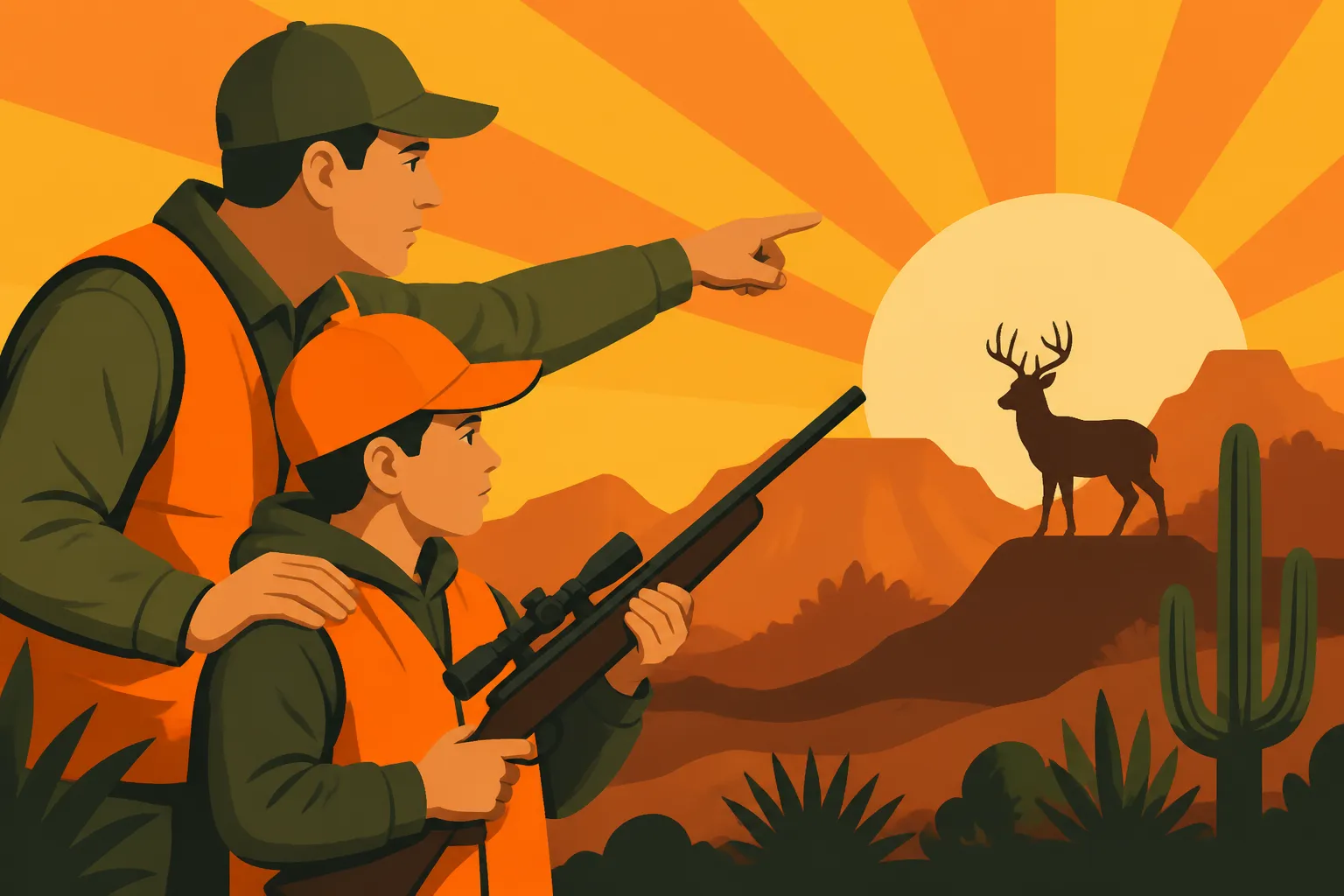
This is where many parents find themselves scratching their heads. Arizona’s regulations clearly state that anyone under the age of 14 must complete an approved hunter education course before they can hunt big game. However, the earliest a child can begin the course is age nine. So, if your child is nine, ten, eleven, twelve, or thirteen, they absolutely must complete hunter education to pursue big game. This means that if your nine-year-old draws that coveted javelina tag, they'll need their hunter education card in hand before opening day. The state allows this early start to give young hunters ample time to complete the course and gain their certification, rather than rushing through it right before a season. It’s important to remember that this requirement is specifically for big game. For small game, a certified adult can take Taking Two Unlicensed Children Afield without the children needing hunter education, though this guide focuses on the big game pathway.
Why Arizona Prioritizes Early Education
Arizona's emphasis on hunter education for youth, especially starting at age nine, isn't just about bureaucracy; it's deeply rooted in safety and responsible stewardship. The Arizona Game and Fish Department understands that the earlier good habits and ethical principles are learned, the more ingrained they become. Introducing subjects like firearm safety, wildlife identification, shot placement, and game recovery at a younger, more impressionable age allows these crucial concepts to become second nature. It also gives parents and mentors a structured curriculum to reinforce these lessons. Think of it as building a strong foundation. A young hunter who understands the anatomy of an animal for proper shot placement or the importance of knowing their target and what lies beyond, is a safer and more ethical hunter for decades to come. This early education also helps foster a sense of respect for wildlife and their habitat, laying the groundwork for future conservation efforts.
Navigating the Arizona Hunter Education Course
Once you understand the "why," the next step is figuring out the "how." Arizona offers several pathways to complete hunter education, and understanding the format options, curriculum, and practical components is key to a smooth experience. It's not just a dry lecture; modern hunter education is designed to be engaging and comprehensive, preparing young hunters for real-world scenarios in the field.
Online vs. In-Person Course Formats
Arizona provides flexibility in how hunter education is completed, offering both online and in-person options to accommodate different learning styles and schedules. For many families, the online course offers a convenient starting point. Students can work through modules at their own pace, covering topics like firearm safety, hunting ethics, wildlife management, and basic survival skills from the comfort of their home. This flexibility is a huge plus for busy families. However, regardless of whether you choose the online or in-person classroom route, every student must attend a mandatory in-person field day. This isn't optional; it's where the rubber meets the road. The field day provides essential hands-on experience, reinforcing the theoretical knowledge learned. For those who prefer a more traditional learning environment from the outset, complete in-person courses are also available, often running over a weekend or several evenings. These courses combine classroom instruction with the practical field exercises, offering a fully integrated experience. Each option has its merits, but the core outcome—a safe and knowledgeable hunter—remains the same. You can often find details on course availability and registration through the Arizona Game and Fish Department website.
What the Course Curriculum Covers
The Arizona hunter education curriculum is remarkably comprehensive, designed to create well-rounded and responsible hunters. It goes far beyond just firearm handling. Students delve into critical topics like the history of wildlife conservation and the role hunters play in it, responsible hunting practices, and understanding hunting laws and regulations. You'll learn about different types of hunting equipment, from firearms and archery gear to proper clothing and essential survival items. A significant portion of the course is dedicated to wildlife identification, habitat, and biology, teaching students how to distinguish game animals from non-game, and understanding animal behavior. Crucially, the course also covers shot placement and game recovery, emphasizing ethical harvesting and minimizing suffering. Navigation skills, basic first aid, and wilderness survival are also woven into the curriculum, preparing hunters for unexpected situations in the backcountry. For an aspiring young hunter, it's an immersive introduction to an entire world of outdoor knowledge, ensuring they understand the legal and ethical responsibilities that come with carrying a weapon in the field. This foundation is truly invaluable for anyone looking to hunt in Arizona.
The Importance of the Field Day Component
While the classroom or online portion provides the theoretical knowledge, the field day is where everything comes together in a practical, hands-on environment. This crucial component is where students demonstrate their understanding of safe firearm handling, including loading, unloading, carrying, and proper storage. Instructors observe students' decision-making skills in simulated hunting scenarios, ensuring they can identify safe zones of fire and understand target backstops. Marksmanship skills are also assessed, often through live-fire exercises on a shooting range, where students learn to safely and accurately handle a firearm. This isn't about being a sharpshooter, but rather demonstrating the ability to safely operate a weapon and place shots ethically. Furthermore, the field day often includes practical exercises in compass and map reading, basic survival skills like fire building or shelter construction, and even discussions on field dressing and game care. It's a chance to put classroom knowledge into action under the direct supervision of certified instructors, solidifying good habits and correcting any misunderstandings. This hands-on experience is critical for developing confidence and competence, preparing young hunters for the real challenges and responsibilities of hunting responsibly in Arizona's diverse landscapes. For more on what to expect, check out what the Arizona Game and Fish Department says about Does Hunter Education Include a Field Day?.
Benefits Beyond the Certification Card
While the immediate goal of hunter education is to secure that certification card, the long-term benefits extend far beyond simply meeting a requirement. For young hunters, especially, this course is an investment in their future outdoor pursuits, offering tangible advantages and shaping their entire approach to hunting and conservation.
Earning a Permanent Bonus Point for Future Draws
One of the most appealing, and often overlooked, benefits of completing Arizona's hunter education course is the earning of a permanent bonus point. Yes, you read that right – permanent. When your child successfully completes their hunter education course and Arizona Game and Fish processes their certification, they are automatically awarded one bonus point. This isn't a point that expires or gets used up in the draw; it stays with them for life. This single point can be a game-changer when applying for highly sought-after big game tags, especially for species like elk or antelope, where draw odds are notoriously tough. Every single point matters in Arizona's bonus point system, giving applicants an incrementally better chance in the draw. So, for a nine-year-old taking the course, that point is a fantastic head start, accumulating preference for future hunts over many, many years. It truly underscores why The Permanent Arizona Point From Hunter Education is such a valuable incentive. Parents can even utilize resources like GoHunt to research how these bonus points affect draw odds for specific units and species, helping to plan their child's future hunting applications strategically.
Building Foundational Skills for Lifelong Hunting
Beyond the bonus point, the hunter education course lays a robust foundation of skills that will serve a young hunter throughout their entire life in the outdoors. It's not just about passing a test and forgetting the material; it’s about establishing ingrained habits and knowledge. They learn about ballistic trajectories, the importance of maintaining equipment, and how weather can affect a hunt. Understanding basic wildlife biology and habitat helps them become better scouts and trackers. Furthermore, the emphasis on ethical decision-making, such as knowing when to pass on a shot or understanding game retrieval, cultivates a deep respect for the animals they pursue. These aren't just rules; they're principles that guide responsible behavior in the field. When they eventually venture into more complex hunts, perhaps for elusive Coues Deer Are Arizona's Signature Whitetail in the Sky Islands, these foundational skills will be invaluable for their success and safety. This comprehensive training ensures they're not just equipped with a license, but with the wisdom and judgment needed to be truly effective and ethical hunters.
Fostering a Culture of Ethical Hunting
Perhaps the most significant, yet intangible, benefit of early hunter education is its role in fostering a strong culture of ethical hunting. The course actively teaches students about the North American Model of Wildlife Conservation, emphasizing that wildlife is a public trust and that hunting is a tool for management, not just recreation. It instills principles of fair chase, respect for game animals, landowners, and other outdoor users. Young hunters learn about minimizing their impact on the environment, understanding legal shooting hours, and avoiding actions like baiting that undermine fair chase. When they complete the course, they aren't just certified hunters; they are ambassadors for the sport. This ethical grounding is crucial for the future of hunting, ensuring that the next generation practices and promotes responsible behavior, safeguarding the integrity and public perception of hunting. The course often complements programs like The Ethically Hunting Arizona Course Explained, which focuses entirely on reinforcing these vital ethical considerations, sometimes even offering another bonus point incentive.
Beyond Hunter Education: The Apprentice Hunter Program
While hunter education is the traditional and mandatory path for big game hunting for youth under 14, Arizona also offers an alternative pathway for aspiring young hunters, especially those just dipping their toes into the hunting world: the Apprentice Hunter Program. This program provides a unique opportunity to gain experience under direct supervision before committing to the full hunter education course.
What an Apprentice License Allows Young Hunters
The Apprentice Hunting License in Arizona is a fantastic option for new hunters, especially youth, who haven't yet completed their hunter education. This license allows an uncertified individual to hunt small game, big game, and even predatory/fur-bearing animals, as long as they are accompanied by a licensed hunter who is at least 18 years old and has a valid Arizona hunting license. The mentor must be within arm's reach of the apprentice and be able to take immediate control of the weapon. This "one-on-one" supervision is key, ensuring safety and direct instruction in the field. It’s designed to provide real-world experience, letting new hunters feel the excitement of a hunt, understand the challenges, and learn directly from an experienced mentor. Importantly, it removes the immediate barrier of requiring hunter education before ever stepping foot in the field for big game, which can be particularly useful for those who want to try it out first. For a more detailed look, consider reading What an Apprentice Hunting License Allows in Arizona.
When the Apprentice License Makes Sense
The Apprentice License makes a lot of sense in several specific scenarios. First, it’s perfect for a parent whose nine-year-old is curious about hunting but isn’t quite ready to commit to the full hunter education course. Instead of forcing them through a multi-day course right away, the apprentice license allows them to join a mentor on a hunt, experience it firsthand, and see if it truly captures their interest. It’s a low-pressure entry point. Secondly, it's excellent for families with limited time. If a big game tag comes up unexpectedly or there's a specific hunt opportunity, an apprentice license can get a young hunter into the field sooner, provided they have a qualified mentor. It's also beneficial for reinforcing concepts learned in hunter education. While not a substitute for the full course for big game, it can act as an invaluable hands-on supplement, building confidence before or after formal instruction. However, keep in mind Why an Apprentice License Excludes Big Game in terms of independent hunting, as it is strictly a supervised experience.
Transitioning from Apprentice to Certified Hunter
While the Apprentice License offers a great start, it's not a permanent solution for big game hunting, especially for youth under 14. For these younger hunters, the apprentice license is primarily a stepping stone. Once a young hunter decides that hunting is for them, and they are committed to pursuing big game independently (or even just with less restrictive supervision), the next logical step is to complete their hunter education course. This transition is crucial because after turning 14, the apprentice license alone will no longer suffice for big game hunting; they will require full certification. By completing hunter education, they unlock the ability to hunt big game on their own once they reach legal age, gain that valuable permanent bonus point, and solidify their understanding of all the rules and ethics. The apprentice period can be a wonderful time to build practical skills, but the full hunter education course provides the comprehensive knowledge and official certification needed for a lifetime of responsible hunting in Arizona.
Practical Steps for Young Hunters and Parents
Embarking on the hunter education journey can feel like a big undertaking, but with a clear plan, it can be a rewarding experience for both young hunters and their parents. Knowing the practical steps involved, from registration to making the most of the learning, can ease any anxieties and set everyone up for success.
Finding and Registering for a Course
The first step in getting your child certified is finding an approved hunter education course in Arizona. The easiest and most reliable place to start is the Arizona Game and Fish Department (AZGFD) website. They maintain an updated schedule of all upcoming in-person classes and field day sessions across the state. You can typically search by location and date to find a convenient option. Registration is usually handled directly through the AZGFD portal, and it's essential to sign up in advance, especially for field days, as spots can fill up quickly. If you opt for an online course, you'll register through one of the AZGFD-approved third-party providers. Remember, even with an online course, you still need to register for and attend a separate field day, so plan accordingly. Before registering, it's a good idea to confirm the course structure, location, and any prerequisites. For example, some online courses require a minimum age to register, though Arizona allows students to begin the combined online and field day course starting at nine years old. Organizations like GoHunt can also be helpful resources for finding information and tips on navigating state regulations, though direct registration always happens via the AZGFD.
Preparing for the Hunter Education Journey
Once you’ve registered, a little preparation can go a long way in ensuring a positive and effective learning experience for your child. If you've chosen the online course, encourage your child to work through the modules at a steady pace, taking notes and discussing key concepts with them. Don't just let them click through; engage them in conversation about the material. For the in-person field day, review basic safety rules and commands beforehand. Practice handling an unloaded firearm safely at home, demonstrating muzzle control, trigger discipline, and safe carrying positions. This familiarity will build confidence and help them feel more comfortable during the hands-on portions. Make sure they understand the importance of listening attentively to instructors and asking questions when they're unsure. Pack appropriate clothing for the weather, snacks, and plenty of water, as field days can be long and held outdoors. Remind them that it's okay to be nervous, but the instructors are there to help them learn, not to judge. A good night's sleep before the field day is also crucial for staying focused. Knowing How Long the Hunter Education Course Takes can also help manage expectations and plan study time effectively.
Maximizing the Learning Experience Together
Hunter education isn't just a solo endeavor for the child; it's a fantastic opportunity for parents to get involved and learn alongside them. Attend the in-person class or field day with your child if allowed. Your presence shows support and allows you to reinforce the lessons learned. Ask your child what they found most interesting or challenging about each module or activity. Use real-world examples from your own hunting experiences (or hypothetical ones) to illustrate concepts like ethical shot placement, reading sign, or respecting private property. After the course, continue the education. Visit a shooting range together to practice safe firearm handling and marksmanship. Spend time outdoors identifying animal tracks, learning about local flora and fauna, and discussing responsible land use. This ongoing mentorship is vital. The certification card is just the beginning; the true learning happens over years of shared experiences and guidance. By making hunter education a collaborative effort, you're not just creating a certified hunter, but forging a deeper connection and instilling a lifelong passion for the outdoors and ethical stewardship.
Disclaimer
The information provided in this guide is for general informational purposes only and is not intended as legal advice. Hunting regulations in Arizona can change, and it is the responsibility of every hunter to consult the most current Arizona Game and Fish Department regulations booklet before participating in any hunting activity. Always confirm specific requirements, deadlines, and rules with the official Arizona Game and Fish Department resources.