Why an Apprentice License Excludes Big Game
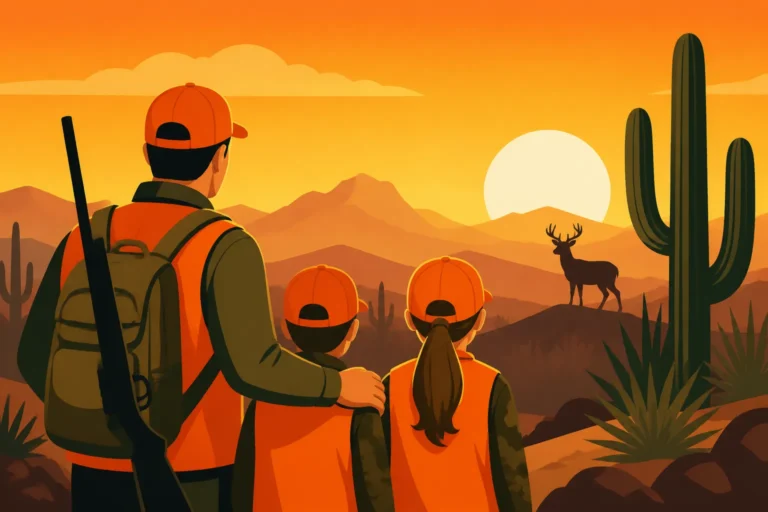
It’s a common scenario for many of us: you’re eager to introduce a new hunter, perhaps a child or even an adult friend, to the incredible world of Arizona hunting. You pick up an apprentice license, only to discover a crucial detail that can throw a wrench in your plans: it explicitly excludes big game. This can be incredibly frustrating and confusing, leaving you wondering why such a valuable tool for newcomers has this significant limitation. This guide will dive deep into why Arizona's apprentice license doesn't cover big game, what it does allow, and how to successfully bridge the gap for aspiring big game hunters.
Understanding the Arizona Apprentice License Framework
The Arizona Game and Fish Department (AZGFD) created the apprentice hunting license with a clear, commendable goal: to lower the barrier to entry for new hunters and foster a mentorship culture. The idea is to allow an uncertified individual to experience hunting under the direct supervision of an experienced, licensed adult. It’s meant to be a stepping stone, a way to get boots on the ground and hands on a firearm or bow, without first having to complete the full hunter education course.
Think of it as a provisional permit. It’s an invitation to explore the outdoors and learn the ropes firsthand, safely guided by someone who already knows them. This license is primarily designed for individuals who might be trying hunting for the very first time, or for young hunters who haven't yet reached the age where hunter education is mandatory, or perhaps just haven't had the opportunity to complete the course. For many, it's a fantastic way to introduce kids to the field, letting them chase rabbits or quail with a parent before committing to the full hunter education program. It’s a way to taste the experience, to feel the thrill of the chase, and to understand the responsibility involved, all while under close supervision. If you're wondering exactly what this license allows, or conversely, the specific exclusions, you might find more detailed information in resources like "The Apprentice License and What It Excludes".
General Provisions of the Apprentice License
While the apprentice license has its limitations, it does grant privileges that are essential for an introductory hunting experience. The most critical provision is that the apprentice hunter must be accompanied by an adult who is at least 18 years old and holds a valid Arizona hunting license for the current year. This licensed adult is not just a companion; they are the direct supervisor, responsible for ensuring the apprentice adheres to all hunting regulations, safety protocols, and ethical standards.
The supervision isn't a suggestion; it's a strict requirement. The licensed adult must be close enough to the apprentice to provide immediate direction and control, often meaning within conversational distance and able to see and hear the apprentice at all times. This ensures that every shot taken, every stalk attempted, and every interaction with wildlife is done with guidance and oversight. It’s about more than just legal compliance; it’s about imparting fundamental skills and values from the very beginning. This direct mentorship is truly the cornerstone of the apprentice program, setting a strong foundation for future independent hunting.
The Contrast with a Standard Hunting License
A standard Arizona hunting license, sometimes referred to as a "regular" license, is what most seasoned hunters carry. This license signifies that the holder has met all the state's requirements, including, for most big game species, successful completion of a hunter education course. With a standard license, hunters can apply for and purchase tags for all legally huntable species in Arizona, including big game like elk, deer, and javelina, provided they have drawn the tag or it's an over-the-counter opportunity.
The key differentiator is the prerequisite of formal education and demonstrated knowledge. The standard license represents a hunter who is considered capable of making independent, responsible decisions in the field regarding safety, ethics, and conservation. It empowers them to pursue a much wider array of hunting opportunities across the state's diverse landscapes, from the high country of the Mogollon Rim to the vast Sonoran Desert. The apprentice license, by design, intentionally limits these opportunities to ensure a controlled learning environment, prioritizing safety and basic skill acquisition above all else.
The Rationale Behind Excluding Big Game
This exclusion isn't arbitrary; it's rooted in a deep commitment to safety, conservation, and ethical hunting practices. The Arizona Game and Fish Department has carefully weighed the benefits of introducing new hunters against the complexities and potential risks associated with pursuing big game animals. It all boils down to ensuring a safe, responsible, and successful experience for everyone involved.
Prioritizing Hunter Safety
Big game hunting inherently involves a higher level of risk and responsibility compared to pursuing small game. Imagine a new hunter, still learning the basics of firearm handling and shot placement, attempting to take down a large mule deer or an elk. The calibers are larger, the potential for dangerous situations (like a wounded animal) increases, and the shots are often at longer distances, requiring precise judgment. Misidentification of species or gender, especially with antlered or horned animals, can lead to serious legal consequences or, worse, unethical harvests.
Hunter education courses are specifically designed to address these complex scenarios. They cover crucial topics like shot angles, bullet trajectory, responsible use of powerful firearms, and safe field dressing practices. Without this foundational knowledge, a new hunter, even under supervision, could inadvertently create a dangerous situation for themselves, their mentor, or even other hunters in the field. The apprentice license's exclusion of big game mitigates these risks by requiring formal training before engaging in these more demanding hunts. For a clearer picture of the specific requirements, you can look into details like "Hunter Education Is Required Under 14 in Arizona" or "Which Young Hunters Must Certify Before Big Game".
Conservation and Ethical Considerations
Beyond safety, the exclusion is deeply tied to conservation and the ethical pursuit of big game. Arizona's wildlife populations are a precious resource, managed carefully by the AZGFD. Each big game tag represents a limited opportunity, designed to ensure sustainable populations for future generations. An unethical or irresponsible harvest, such as wounding an animal that is never recovered, can negatively impact conservation efforts and public perception of hunting.
Hunter education instills a strong ethical framework. It teaches hunters about fair chase, responsible animal recovery, evidence of sex requirements, and the importance of minimizing waste. These are not just rules; they are principles that uphold the integrity of hunting. Big game animals often present unique challenges in these areas, from tracking a blood trail for miles across rugged terrain to field dressing an animal quickly in the desert heat. The AZGFD wants to ensure that anyone pursuing these magnificent animals has a solid understanding of these responsibilities before they are granted the privilege. This is especially important for species like the state's signature whitetail, the Coues deer, which can be incredibly challenging to pursue ethically due to their elusive nature.
The Foundational Role of Hunter Education
Ultimately, the apprentice license is a temporary bridge, and hunter education is the destination for those aspiring to hunt big game. The course provides comprehensive instruction on everything from firearm safety and archery techniques to wildlife identification, game care, and legal regulations specific to Arizona. It covers vital topics like map reading, compass use, and survival skills—all critical for navigating Arizona's vast and often unforgiving landscapes.
By requiring this education for big game, Arizona ensures that hunters possess a baseline of knowledge that goes beyond simply pulling a trigger. It cultivates a more informed, responsible, and ethically minded hunting community, which is essential for the long-term health of both wildlife populations and the hunting tradition itself. Think of hunter education as earning your stripes before you can embark on the grand adventure of big game hunting.
What an Arizona Apprentice License Does Cover
While the big game exclusion might feel like a hurdle, it's crucial to remember that the Arizona apprentice license still opens the door to a fantastic array of hunting experiences. It’s a wonderful entry point, allowing new hunters to develop foundational skills and foster a love for the outdoors without the added complexities of big game.
Small Game, Furbearers, and Predators
The primary focus of the apprentice license is small game, furbearers, and predators. This includes species like:
- Small Game: Cottontail rabbits, jackrabbits, tree squirrels, and all varieties of Arizona quail (Gambel's, Mearns, and Scaled). These hunts are often less physically demanding, occur closer to populated areas, and offer frequent action, which is perfect for keeping a new hunter engaged. They also provide excellent opportunities to practice shooting skills, tracking, and understanding animal behavior in a lower-pressure environment. For a closer look at these opportunities, you might want to check out "Cottontail and Jackrabbit Seasons" or explore options for "Hunting Small Game Under Ten Without a License" if you're bringing along younger aspiring hunters.
- Predators and Furbearers: Coyotes, bobcats, foxes, and other similar species fall under this category. Pursuing predators can be incredibly exciting and offers a different kind of challenge, often involving calling techniques and patience. These hunts are also excellent for learning about animal ecology and responsible wildlife management. Plus, many predator hunts, especially for coyotes, are open year-round, providing plenty of opportunities to get out in the field. For those interested in year-round opportunities, the article "Hunting Coyotes Year Round in the Desert" provides valuable insights.
These types of hunts are excellent training grounds. They allow new hunters to learn about firearm or archery safety, shot placement on moving targets, field care of harvested animals, and navigation, all under the direct supervision required by the apprentice license.
The Role of Direct Supervision
The success and safety of an apprentice hunt hinge entirely on the licensed adult mentor. This isn't a passive role; it's active and engaged. The mentor is responsible for:
- Ensuring Safety: This means being constantly aware of the apprentice's weapon handling, shot direction, and overall situational awareness. It's about teaching muzzle control, understanding backstops, and making sure the apprentice knows when it's safe to shoot and when it's not.
- Teaching Ethics: The mentor guides the apprentice through ethical considerations, such as responsible target identification, avoiding unnecessary suffering, and respecting wildlife and other land users. They instill the values of fair chase and responsible stewardship.
- Providing Guidance: From identifying game species to understanding legal shooting hours, the mentor provides real-time instruction. This hands-on learning is invaluable and often sticks with a new hunter more than any textbook.
- Navigating Regulations: The mentor ensures that the apprentice complies with all specific hunting regulations for the species being pursued, including bag limits, season dates, and weapon restrictions.
This direct, one-on-one mentorship is arguably the most beneficial aspect of the apprentice license. It creates a personalized learning environment where questions can be asked immediately, and lessons can be taught experientially.
Steps to Transition from Apprentice to Big Game Hunter
So, you’ve had some great experiences hunting small game with an apprentice license, and now the call of the wild for big game is undeniable. The path forward is clear and rewarding: formal hunter education. This transition is less about overcoming a barrier and more about gaining the knowledge and confidence to hunt independently and responsibly.
Completing Hunter Education
This is the non-negotiable step to unlock big game hunting opportunities in Arizona. The AZGFD offers various options to complete hunter education, designed to accommodate different schedules and learning styles:
- Traditional Classroom Courses: These in-person courses offer a comprehensive learning environment with direct instruction from certified instructors. They often include hands-on components like firearm handling, archery practice, and field exercises. This can be a fantastic way to engage with the material and ask questions directly.
- Online Courses with a Field Day: Many states, including Arizona, now offer approved online courses. These allow you to complete the bulk of the coursework at your own pace from home. However, to fully certify, you'll almost always need to attend a mandatory "field day." This practical session covers hands-on safety, shooting proficiency, and ethical scenarios that can't be replicated online. It's crucial not to skip this part, as it solidifies the practical skills. You might be curious about "How Long the Hunter Education Course Takes" or "Does Hunter Education Include a Field Day?", which can help you plan.
Upon successful completion of either format, you'll receive your hunter education certification, a crucial document that validates your foundational knowledge and safety skills. This certification is your ticket to a world of new hunting possibilities, including applying for big game tags.
Beyond Certification: Continuing Mentorship and Experience
While hunter education provides the necessary foundation, the learning journey doesn't stop there. True proficiency and responsible hunting come from continuous experience and, often, continued mentorship.
- Seek Out Diverse Experiences: Don't just jump straight to the hardest big game hunt. Continue to hunt small game, varmints, and predators. Each experience builds your confidence, fieldcraft, and understanding of animal behavior.
- Learn Your Unit: Once certified, delve into researching specific hunting units for big game. Resources like GoHunt are invaluable here, providing data on draw odds, unit profiles, and even herd reports. Understanding the terrain, vegetation, water sources, and common game movements in a unit is paramount for success.
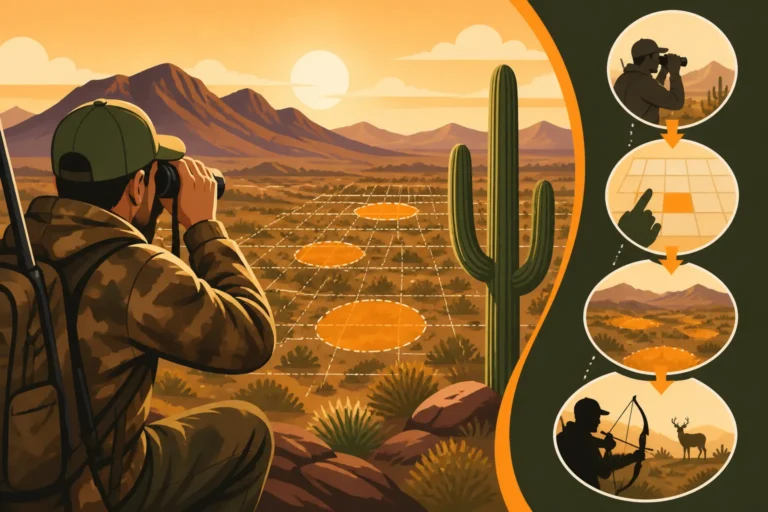
- Scouting is Key: Before you even apply for a big game tag, spend time scouting. Use tools like satellite imagery and topographical maps to identify potential bedding areas, feeding grounds, and travel corridors. GoHunt offers excellent mapping layers that can help you digitally scout and learn a unit from your couch. This pre-season work can make all the difference when you finally have a tag in hand.
- Maintain Mentorship: Even after you're certified, don't be afraid to ask questions and seek advice from experienced hunters. The hunting community is generally very welcoming and eager to share knowledge. Whether it's advice on "Glassing Arizona's Sky Islands for Coues Deer" or tips for calling in elk on the Mogollon Rim, every bit of wisdom helps.
Table: Arizona Hunting License Comparison
| Feature | Apprentice Hunting License | Standard Hunting License |
|---|---|---|
| Eligibility | Any age; no Hunter Education required | Any age; Hunter Education required for big game licenses |
| Supervision Required | Yes, by licensed adult (18+) within arm's length/conversational distance | No, can hunt independently (unless age-restricted) |
| Big Game Hunting | EXCLUDED | INCLUDED (with valid tag) |
| Small Game Hunting | INCLUDED | INCLUDED |
| Predator/Furbearer | INCLUDED | INCLUDED |
| Required for Draw | No, cannot apply for big game draws | Yes, required to apply for big game draws |
| Path to Big Game | Complete Hunter Education | Already completed Hunter Education |
| Bonus Point Earning | No | Yes, by applying or completing specific courses like "Earning an Arizona Point by Applying" or "The Permanent Point From Hunter Education" |
Applying for a Full License and Tags
Once you have your hunter education certification, you can purchase a standard Arizona hunting license. With this license, you're eligible to apply for big game draws. Arizona uses a lottery system for most big game species like elk, deer, antelope, and bighorn sheep. This process can be competitive, especially for desirable units and trophy animals. This is where resources like GoHunt become invaluable once again, offering detailed draw odds and application strategies to help you make informed choices. They help hunters navigate the often-complex application process, allowing you to optimize your chances of drawing a coveted tag.
Remember, patience is a virtue in Arizona hunting. It might take several years to draw a premium tag, but the journey of learning and scouting is part of the adventure. Embrace every opportunity to learn more, refine your skills, and immerse yourself in the rich hunting heritage of Arizona.
Disclaimer
This guide provides general information about Arizona hunting regulations. Hunting laws and regulations are subject to change. Always consult the official Arizona Game and Fish Department regulations booklet or website for the most current and accurate information before planning any hunt.