Minimum Crossbow Bolt Length for Big Game
Navigating the world of hunting regulations can feel like trying to solve a complex puzzle, especially when you’re gearing up for a big game hunt in a state as unique as Arizona. One particular detail that often trips up even seasoned hunters is the specific legal requirements for crossbow equipment, particularly something as seemingly straightforward as bolt length. It's frustrating to invest in gear only to find out it doesn't meet the precise standards. This guide is here to clear up that confusion, diving deep into Arizona's minimum crossbow bolt length for big game and why these rules are in place, helping you ensure your setup is legal and effective for your next hunt.
Understanding Arizona's Crossbow Regulations
Arizona, with its diverse landscapes and incredible hunting opportunities, maintains specific regulations to ensure ethical and safe hunting practices for all. When it comes to crossbows, the Arizona Game and Fish Department (AZGFD) doesn't just look at draw weight or broadhead type; they also consider the humble bolt, and for good reason. For hunting big game, which includes species like deer, elk, bear, mountain lion, and javelina, your crossbow bolts must adhere to a minimum overall length.
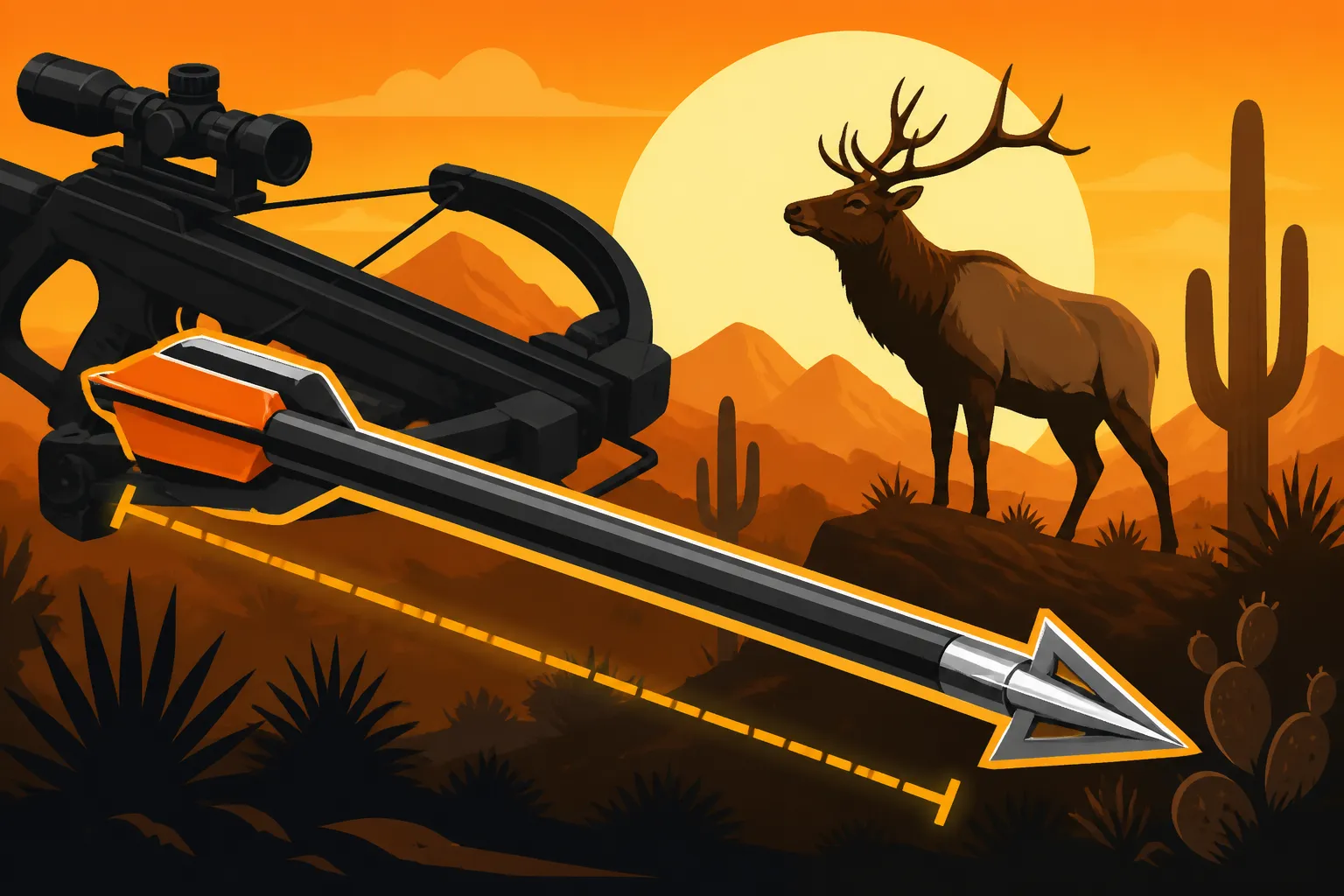
The official regulation from the Arizona Game and Fish Department states that any crossbow bolt used for big game must have a minimum overall length of 16 inches. This isn't just an arbitrary number; it’s a standard designed to promote consistent performance and responsible hunting. Shorter bolts can sometimes be less stable in flight, potentially leading to reduced accuracy and, therefore, a less ethical shot. Ensuring a minimum length helps in achieving better kinetic energy transfer and consistent flight characteristics, both crucial for a clean kill. These regulations are a key part of the broader framework governing hunting in the state, evolving as technology and best practices in the hunting community progress. For the most current and detailed information, always check the official AZGFD regulations handbook or a reputable resource like GoHunt.
Practical Implications of Bolt Length Requirements
Meeting the 16-inch minimum bolt length requirement for big game in Arizona isn't just about legality; it's about optimizing your hunting setup for performance and ethical considerations. Bolt length plays a surprisingly significant role in how your crossbow performs in the field, and understanding these dynamics can give you a real edge.
How Bolt Length Affects Performance
The length of a crossbow bolt directly impacts its flight characteristics and energy delivery. Generally, longer bolts tend to offer greater FOC (Front of Center) balance, which contributes to more stable and accurate flight, especially at longer distances. A bolt that is too short, or not properly spined for the crossbow's draw weight, might wobble or "fish-tail" during flight, leading to erratic shot placement. This instability can be exacerbated by factors like wind or minor inconsistencies in your shooting form. Furthermore, a proper bolt length ensures that the broadhead clears the crossbow's rail and riser cleanly, preventing potential contact that could damage your equipment or drastically alter the bolt's trajectory. Manufacturers design crossbows to function optimally with bolts within a certain range, and adhering to the 16-inch minimum helps ensure you're within a performance sweet spot.
Choosing the Right Bolt Material and Components
Once you've confirmed the length, the next step is to consider the actual construction of your bolts. Crossbow bolts are typically made from aluminum or carbon, or a combination of both. Carbon bolts are popular for their lightweight yet durable nature, offering excellent speed and flatness of trajectory. Aluminum bolts, while heavier, can provide more kinetic energy and penetration, which can be advantageous for larger big game species.
Beyond the shaft, components like nocks, fletching, and inserts also influence performance. Nocks must be compatible with your crossbow's string to ensure a clean release. Fletching (vanes) stabilizes the bolt in flight; common configurations include three or four vanes, with different sizes and helical twists affecting stability and wind drift. For big game, selecting durable vanes that can withstand brush and impact is wise. Inserts, which hold your broadhead, come in various weights and are crucial for tuning your FOC. When considering all these elements, remember that the overall weight and balance, including the broadhead, must work in harmony with the 16-inch minimum length to provide a consistent and powerful shot. If you're looking for detailed specifications or comparison charts for various bolt types, resources like GoHunt often have excellent articles and gear reviews to help you make an informed decision.
Beyond Bolt Length: Other Critical Crossbow Rules for Arizona Big Game
While the 16-inch minimum bolt length is a crucial regulation, it's just one piece of the puzzle when preparing for a big game hunt in Arizona with a crossbow. Arizona Game and Fish Department has a comprehensive set of rules to ensure fair chase, ethical harvest, and hunter safety. Understanding these additional requirements is just as vital as knowing your bolt length.
Draw Weight and Broadhead Regulations
Beyond the bolt, your crossbow itself must meet specific power requirements. Arizona sets the minimum draw weight for vertical bows at 30 pounds, but for crossbows, the requirement is significantly higher, at 125 pounds. This ensures that the crossbow delivers sufficient kinetic energy to humanely harvest big game. You can learn more about this in our guide on The 125-Pound Crossbow Draw Weight Arizona Requires.
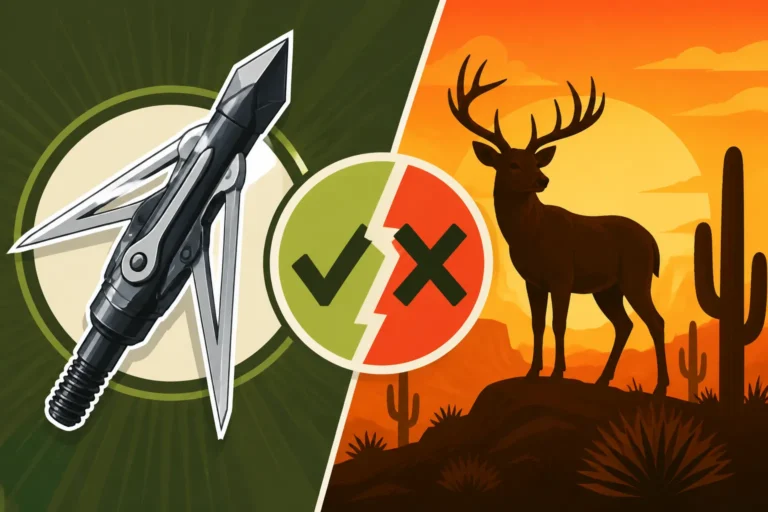
Broadhead regulations are another critical area. For big game, Arizona mandates that broadheads must have a minimum cutting diameter of 7/8 inch. This rule is designed to ensure adequate wound channels for quick and ethical kills. Hunters often wonder about the legality of mechanical broadheads, and yes, mechanical or expandable broadheads are legal in Arizona as long as they meet the 7/8-inch minimum cutting diameter when fully open. For more details on these vital components, check out Why Broadheads Must Exceed Seven-Eighths of an Inch and Are Mechanical Broadheads Legal in Arizona?. These details are vital for ensuring your entire projectile system is compliant and effective.
Season Limitations and Permit Requirements
Arizona's hunting seasons are carefully structured, and crossbow hunters need to be aware of where and when their equipment is legal. Historically, crossbows were permitted during archery-only seasons, but changes have been implemented. As of January 1, 2023, crossbows were removed from Arizona's traditional archery-only seasons, a significant change that impacts many hunters. By 2026, Crossbows Leave Arizona's Archery-Only Seasons in 2026 entirely. This means that for general big game hunts, crossbows are typically allowed during firearm seasons or specific H.A.M. (Handgun, Archery, Muzzleloader) hunts where they are explicitly permitted. It’s imperative to review the hunt regulations booklet for your specific tag and unit.
There are, however, exceptions through special permits. The Arizona CHAMP (Challenged Hunter Access/Mobility Permit) program allows hunters with qualifying disabilities to use crossbows in seasons where they might otherwise be restricted. Understanding What a CHAMP Permit Allows and Who Qualifies for a Crossbow Permit in Arizona is crucial if you believe you might be eligible. These permits are designed to provide access to hunting opportunities for individuals facing physical challenges. Without such a permit, you must strictly adhere to the season structure that allows crossbow use.
Verifying Your Setup and Ethical Practice
Successfully hunting big game in Arizona, or anywhere for that matter, goes far beyond just understanding the rules. It’s about being a responsible, ethical hunter, and that starts with meticulously verifying your equipment and committing to rigorous practice. Ensuring your crossbow setup is legal and effective is a continuous process, not a one-time check.
How to Measure Your Bolts Correctly
Measuring your crossbow bolts might seem straightforward, but it’s worth double-checking to avoid any misinterpretation of the 16-inch minimum rule. The "overall length" typically refers to the measurement from the nock end to the tip of the shaft, not including the broadhead itself. Different nock designs (flat, half-moon, capture) might add a tiny fraction of an inch, but the critical measurement is the shaft and any integrated nock component that forms the base of the bolt.
To get an accurate measurement, use a reliable measuring tape or a specialized bolt measuring tool. Lay the bolt flat on a hard surface, ensuring it's straight, and measure from the very end of the nock to the very tip of the bolt shaft. Do this for several bolts from your quiver to ensure consistency across your ammunition. It's a small step, but it provides peace of mind that you're well within the legal requirements before you even step foot in the field.
Where to Find the Most Up-to-Date Regulations
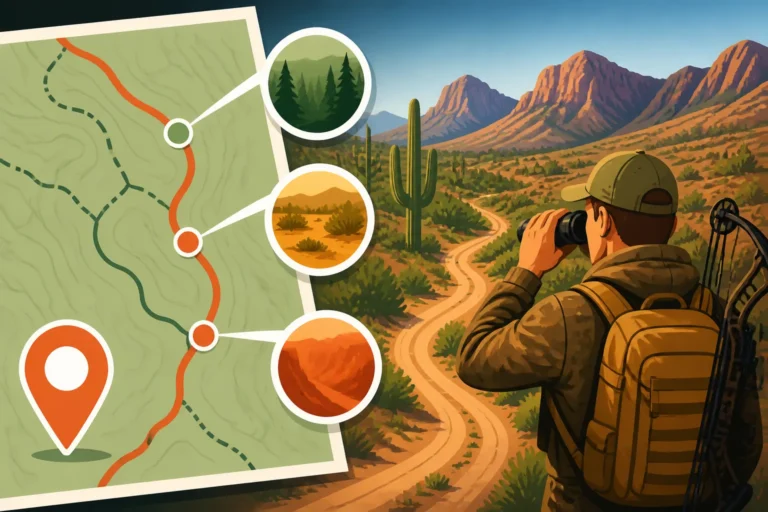
Hunting regulations, by their very nature, can change. What was legal last year might have subtle modifications this season. Relying on outdated information is a common pitfall that can lead to unintended violations. The absolute best source for current Arizona hunting regulations is always the official Arizona Game and Fish Department (AZGFD) website. They publish the annual hunting regulations booklet, which is the definitive guide to all rules, season dates, and equipment requirements.
Beyond the official source, reputable hunting resources like GoHunt provide valuable tools and interpretations of these regulations, often with user-friendly interfaces and timely updates. They can help you sift through complex information, understand draw odds, and even e-scout potential units. However, always cross-reference critical details like equipment requirements with the official AZGFD documentation. Never assume that a forum post or an older article holds the most current information. Make it a routine to review the regulations annually, especially before applying for tags or heading out for a hunt.
The Importance of Practice with Your Chosen Setup
Even with a perfectly legal and technically sound crossbow setup, it's all meaningless without consistent practice. Ethical hunting demands that you can place your shots accurately and consistently under various field conditions. Your 16-inch bolts, paired with your broadheads and crossbow, need to become an extension of you.
Start by sighting in your crossbow at a controlled range, gradually extending your distances to 40, 50, and even 60 yards, depending on your comfort and ethical limits. Practice from different positions: standing, kneeling, sitting, and even from elevated platforms if you anticipate hunting from a blind or treestand. Simulate real-world hunting scenarios by shooting at angled targets or after a brief hike to get your heart rate up. Pay close attention to how your broadheads fly compared to your field points; some setups require slight adjustments. The more you practice, the more confident you'll become in your ability to make a clean, ethical shot when the moment of truth arrives. Remember, taking a life, even for food, carries a profound responsibility, and preparation is the cornerstone of ethical hunting.
Arizona Crossbow Bolt Length Checklist
To help you keep track, here's a quick checklist summarizing the key points for your crossbow bolts when hunting big game in Arizona:
| Requirement | Specification | Notes |
|---|---|---|
| Minimum Bolt Length | 16 inches (overall length) | Measured from nock end to shaft tip, excluding broadhead. |
| Draw Weight (Crossbow) | 125 pounds (minimum) | Ensures sufficient power for ethical big game harvest. |
| Broadhead Cutting Diameter | 7/8 inch (minimum) | Applies to both fixed and mechanical/expandable broadheads when fully open. |
| Broadhead Type | Fixed blade or mechanical/expandable | Both are legal if they meet the minimum cutting diameter. |
| Season Legality | Verify per hunt code and season type | Crossbows are generally not permitted in traditional archery-only seasons without a CHAMP permit. |
| Source of Regulations | AZGFD Official Regulations | Always consult the current year's AZGFD regulations handbook for the latest rules. |
| Practice | Regular and varied | Crucial for ethical shot placement and confidence in your equipment. |
Disclaimer
The information provided in this guide is for general informational purposes only and is not intended as legal advice. Hunting regulations in Arizona are subject to change, and it is the sole responsibility of the hunter to understand and comply with all current federal, state, and local laws and regulations before engaging in any hunting activities. Always refer to the most recent official Arizona Game and Fish Department regulations for accurate and up-to-date information.