Hunting Small Game Under Ten Without a License
Bringing kids into the outdoors and introducing them to hunting can be one of the most rewarding experiences for any parent or mentor, but figuring out the maze of regulations, especially for the littlest ones, can feel like a hunt in itself. Many parents wonder how to start their young children in hunting without immediately being saddled with licenses and complex requirements. This comprehensive guide will walk you through Arizona's specific rules for hunting small game with children under ten years old, offering clear, actionable advice to make those first afield adventures safe, educational, and fun.
Understanding Arizona's Youth Hunting Regulations
Arizona, like many states, aims to make it easier for the next generation to engage in hunting, recognizing its importance for conservation and tradition. However, this often involves tiered regulations based on age and the type of game pursued. For our youngest aspiring hunters, there are some wonderful provisions that simplify the process considerably.
The Apprentice License and Its Purpose
When we talk about introducing youth to hunting, often the first thing that comes to mind is an apprentice license. This license type is a fantastic bridge for new hunters, allowing them to participate under the direct supervision of an experienced, licensed adult before completing a hunter education course. It’s designed to provide hands-on experience in the field, making the learning process more engaging and less intimidating.
However, it's crucial to understand that the apprentice license isn't a universal solution for all young hunters, particularly the very young ones. In Arizona, for example, while it removes the immediate need for a hunter education course, it's typically for those who are old enough to potentially obtain a regular license if they chose to. The standard age requirement for a general hunting license in Arizona means that youth typically need to be a certain age, usually 10 or older, to purchase even an apprentice license. This means that for children younger than that, the apprentice license isn't even an option yet. This is why understanding the specific exemptions for younger kids is so vital, especially when considering The Apprentice License and What It Excludes for various game types.
The "Under Ten, No License" Provision
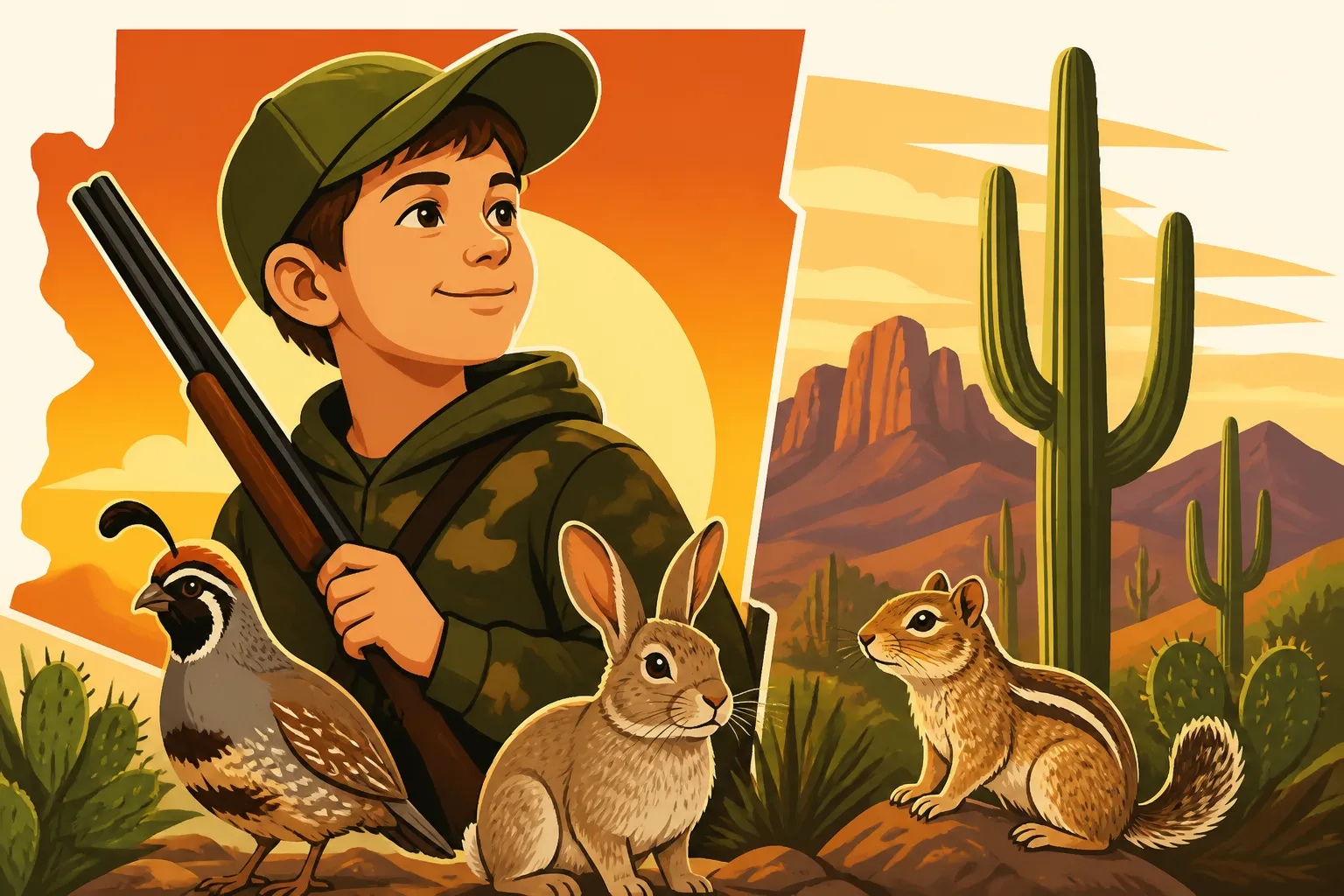
Here's where it gets really exciting for parents of toddlers and elementary-aged kids who are itching to get into the field: Arizona has a fantastic provision that allows children under ten years of age to hunt small game without needing to purchase a hunting license or an Arizona Game and Fish Department ID number. This rule is a genuine game-changer, removing a significant barrier for families wanting to introduce their very young ones to the traditions of hunting.
This isn't a free-for-all, however. The key to this provision is direct, constant supervision. Any child under ten who is hunting small game without a license must be accompanied by an adult who is at least 18 years old and holds a valid Arizona hunting license. This isn't just about being in the same general vicinity; it means the supervising adult must be close enough to exercise immediate control over the child's weapon and actions, ensuring safety at all times. Think of it as a one-on-one mentorship opportunity, where safety and education are paramount. The adult is fully responsible for the child's conduct and adherence to all hunting regulations. This makes it a perfect scenario for introducing gun safety and field ethics right from the start.
Small Game Defined in Arizona
So, what exactly counts as "small game" under this rule? Arizona's regulations are pretty clear. Small game generally includes species like rabbits, squirrels, various quail species, doves, and certain upland birds. It does not include big game animals such as deer, elk, javelina, or turkey, which always require specific tags and licenses, regardless of age, once a hunter reaches the age where they can apply.
For a child under ten, focusing on small game is ideal. These hunts are typically less physically demanding than big game hunts, offer more frequent shooting opportunities (especially for things like Gambel's Quail Across the Desert or Cottontail and Jackrabbit Seasons), and present less pressure. The experience is more about learning firearm safety, developing basic hunting skills, understanding wildlife behavior, and enjoying the outdoors together, rather than harvesting a trophy. This foundational experience is invaluable before moving on to more complex hunts or more restrictive licensing requirements.
Practical Application: Taking Young Hunters Afield
Once you understand the regulations, the next step is putting it into practice. Taking a young child hunting requires thoughtful preparation, a strong emphasis on safety, and realistic expectations. It's not about filling a cooler; it's about building a lifelong passion for the outdoors and responsible stewardship.
Adult Supervision Requirements and Best Practices
As we covered, an adult aged 18 or older with a valid Arizona hunting license must directly supervise any unlicensed child under ten. This isn't just a legal requirement; it's a moral one. The adult is responsible for teaching firearm safety, ethical shot placement, and ensuring the child understands and follows all rules.
Here are some best practices for supervision:
- One-on-One Focus: Ideally, focus on one young hunter at a time. This allows for undivided attention, crucial for safety and effective teaching. While the regulations on How Many Unlicensed Children May Come Along might seem flexible, for a child under ten learning the ropes, one-on-one is best.
- Constant Proximity: Stay within arm's reach of the child. You need to be able to immediately take control of the firearm or prevent an unsafe action. This means walking shoulder-to-shoulder, not letting them wander ahead or fall too far behind.
- Clear Communication: Before, during, and after the hunt, discuss safety rules, what to expect, and what to do in different scenarios. Use simple language and repeat key messages. "Muzzle control," "finger off the trigger," and "positive target identification" should be your mantras.
- Prioritize Safety: Never compromise on safety. If a child is tired, distracted, or not following instructions, it's time to take a break or end the hunt. A successful hunt is a safe hunt. Make sure they understand the fundamentals like always knowing your target and what's beyond it.
Gear Considerations for Young Hunters
Getting the right gear for a pint-sized hunter can make all the difference in their comfort, safety, and enjoyment. You don't need to break the bank, but some thoughtful choices go a long way.
- Appropriate Firearm: This is paramount. A child's first firearm should be lightweight, have minimal recoil, and fit their small stature. A .22 caliber rifle or a .410 shotgun are excellent choices for small game. Many manufacturers now make "youth models" with shorter stocks and lighter frames. Brands like Ruger, Savage, and Mossberg offer reliable youth firearms. Ensure the child can comfortably hold, aim, and safely operate the gun.
- Hearing Protection: Non-negotiable. Quality earmuffs or earplugs are a must to protect sensitive young ears from permanent damage. Electronic hearing protection can be a great investment as it amplifies ambient sounds while suppressing gunshots, allowing for easier communication.
- Eye Protection: Safety glasses are also essential, protecting against stray pellets, debris, or errant brass.
- Comfortable Clothing: Dress them in layers suitable for Arizona's often unpredictable weather. Sturdy, broken-in boots are important for navigating uneven terrain. Avoid stiff, restrictive clothing.
- Small Backpack: Let them carry their own water, a snack, and perhaps a small game vest to feel like a real hunter. This teaches responsibility and self-sufficiency.
- First Aid Kit: Always carry a well-stocked first aid kit, tailored for both adult and child needs.
Choosing the Right Small Game Species for Beginners
Not all small game hunts are created equal when introducing a young hunter. Some offer more action, easier identification, or simpler terrain, making them ideal for those first experiences.
- Quail: Arizona is famous for its quail hunting, especially Gambel's quail. These birds are fast-flying and present exciting shotgun opportunities. They often hold well for pointing dogs, adding another layer of excitement if you have a canine companion. The sheer number of birds can lead to more shooting chances, which keeps young hunters engaged. Quail, Dove and Arizona's Small Game Tradition is a proud part of our heritage here.
- Rabbits (Cottontail and Jackrabbit): These are often abundant and provide excellent opportunities for teaching rifle safety and aiming. Cottontail and Jackrabbit Seasons are long, offering plenty of time to get out. They are typically found in open country, making it easier to spot them and practice stalking skills. Plus, a successful rabbit hunt can provide a delicious meal, closing the loop on the "field to table" concept.
- Doves: Dove season, often held in early September, is a fantastic way to introduce shotgunning. It's often hot, but the fast action and liberal bag limits can provide lots of fun. These hunts are generally less physically demanding, often involving sitting near water sources or grain fields.
Remember, the goal isn't necessarily to harvest something every time, but to create positive memories and foster an appreciation for the outdoors. Even just seeing wildlife, identifying tracks, or practicing safe gun handling can make a day afield a success.
Navigating Public Lands with Young Hunters
Arizona boasts an incredible amount of public land, offering vast opportunities for small game hunting. Understanding where you can go and the rules that apply is vital for a smooth and legal outing with your young protege.
Accessing Arizona's Public Lands
Arizona's public lands are primarily managed by the Bureau of Land Management (BLM) and the U.S. Forest Service (USFS). For the most part, these lands are open to hunting without additional permits beyond your Arizona hunting license (which the supervising adult will carry). This is where the bulk of your small game hunting will likely occur. Knowing that BLM and Forest Ground Across Arizona Needs No Permit for hunting simplifies things considerably.
However, Arizona also has extensive State Trust Land. To hunt on State Trust Land, you do need a permit. The good news is that your valid Arizona hunting license acts as your permit for recreational activities like hunting and fishing on State Trust Land, as long as you adhere to specific rules. So, for the supervising adult, your license covers it. Make sure to understand that Arizona State Trust Land Needs a Permit, and Your License Counts as it's a common point of confusion. Always know your boundaries, using tools like GoHunt's mapping features or other land ownership apps, to distinguish between BLM, Forest Service, and State Trust lands, as well as private property. This helps avoid accidental trespass and keeps your focus on the hunt.
Remember to check for any specific local restrictions, such as fire closures, temporary road closures, or restricted access areas, before heading out. The Arizona Game and Fish Department website and individual forest/BLM district offices are excellent resources.
Safety Considerations on Public Land
Hunting on public land means sharing the space with other users, from hikers to campers to other hunters. Safety is paramount, especially with a young, inexperienced hunter in tow.
- Awareness of Others: Always be aware of other people. Never take a shot if there's any doubt about where others might be. Teach your child to recognize human activity and to hold their shot.
- Blaze Orange: While not always legally required for small game, wearing blaze orange is a fantastic safety measure, making you and your young hunter highly visible to others. It’s a simple, effective way to reduce risk.
- Environmental Hazards: Arizona's desert and mountains can be unforgiving. Teach your child about common hazards: venomous snakes, cactus, rough terrain, and extreme weather. Carry plenty of water, even on short excursions.
- Communication: Consider carrying two-way radios, especially if you plan to spread out at all (though with a child under ten, you should be very close). This ensures you can communicate effectively if one of you needs to adjust position or spots game.
Scouting and Preparing for a Youth Hunt
Preparation makes a huge difference in the success and enjoyment of a hunt with a young child. It's not just about the gear; it's about the location and logistics.
- E-Scouting: Before you even leave the house, use online mapping tools like those offered by GoHunt or other digital platforms. Look for areas with good access, water sources (which concentrate small game), and terrain that isn't too challenging for little legs. Identify potential parking spots and avoid areas with high pressure or dense private property.
- Pre-Season Drives: A drive or walk-through of your chosen area can confirm what you saw on the map. Look for fresh sign of rabbits or quail. Identify safe shooting lanes and potential hazards.
- Short Trips: Keep initial hunts short. A few hours of focused activity is far better than a long, exhausting day that leaves a child cranky and disinterested. Build up stamina and interest gradually.
- Focus on Fun: Remember that the primary goal is engagement and enjoyment. If the child wants to stop and look at a lizard, track an insect, or just sit and listen to the birds, let them. These moments are just as valuable as pulling the trigger. It's about instilling a love for the outdoors, not just the act of hunting.
Beyond Small Game: Future Steps for Young Hunters
The "under ten, no license" provision is a fantastic starting point, but it's important to think about the path forward as your child grows and their interest in hunting deepens. Arizona has a clear progression for young hunters transitioning from small game to more ambitious pursuits.
When Hunter Education Becomes Required
Once a child reaches the age of ten, the "no license" exemption for small game falls away. At this point, if they wish to continue hunting, they will need to obtain a hunting license. For anyone under the age of 14 who wants to hunt big game, or for any hunter, regardless of age, seeking their first Arizona hunting license, hunter education is mandatory. This means Hunter Education Is Required Under 14 in Arizona and is a critical step in their development as a responsible hunter.
Hunter education courses cover vital topics like firearm safety, wildlife identification, ethics, conservation principles, and regulations. They can be completed online or through in-person classes, often with a field day component to practice safe handling. This education ensures that young hunters develop the knowledge and skills necessary to hunt safely and ethically, making the transition to more complex hunting scenarios much smoother. It's a foundational step that every hunter should take seriously.
Transitioning to the Apprentice License
After the age of ten, or for those who haven't completed hunter education yet but are old enough to purchase a license, the Arizona Apprentice Hunting License becomes an option. This license allows an individual who has not completed a hunter education course to hunt while accompanied by a licensed hunter over 18 years old. It's like a learner's permit for hunting.
The key difference here from the "under ten" provision is that the apprentice license holder does have their own license (and pays for it), even though they haven't completed hunter education. This is a crucial step for young hunters who want to pursue big game, as Which Young Hunters Must Certify Before Big Game makes it clear that formal certification will eventually be necessary. The apprentice license provides valuable time in the field to gain experience before committing to the full hunter education course. Many find this pathway allows them to "try before they buy" the full commitment of hunter education, ensuring their interest is genuine.
Instilling Ethical Hunting Values
Beyond regulations and gear, the most important thing you can impart to a young hunter is a strong ethical compass. Hunting is not just about the harvest; it's about respect for wildlife, the land, and other users of the outdoors.
- Conservation: Teach them about the role hunters play in conservation, funding wildlife management through license and tag fees. Explain how ethical hunting helps maintain healthy animal populations.
- Fair Chase: Discuss the concept of fair chase, emphasizing that hunting is not just about killing, but about the challenge and the respect for the animal. This includes understanding shot distance, identifying the target animal accurately, and taking ethical shots that ensure a quick, humane harvest.
- Respect for Resources: Instill a sense of responsibility for the environment. Pick up litter, leave no trace, and respect public and private property boundaries. Teach them to appreciate the beauty and solitude of nature, not just its game animals.
- Game Care: From the moment an animal is harvested, teach them proper field dressing and meat care. This reinforces the value of the animal and ensures the meat is used responsibly. It's a direct link to the sustenance aspect of hunting.
By starting young, focusing on safety and fun, and slowly building their skills and knowledge, you're not just creating a hunter; you're nurturing a conservationist, a responsible outdoors person, and someone who deeply appreciates the natural world.
Disclaimer
Always consult the official Arizona Game and Fish Department regulations for the most current and complete information before planning any hunting activity. Regulations can change, and it is the hunter's responsibility to be aware of and comply with all applicable laws.