How Many Unlicensed Children May Come Along
Bringing children along on a hunting trip can be one of the most rewarding experiences for any seasoned hunter, but navigating Arizona's regulations for young, unlicensed participants can feel like deciphering an ancient map. It’s easy to get confused about who needs a license, who doesn't, and how many youngsters you can actually supervise afield. This comprehensive guide will cut through the uncertainty, clearly outlining Arizona's specific rules for accompanying unlicensed children on a hunt, ensuring you can introduce the next generation to the outdoors responsibly and legally.
Understanding Arizona's Youth Hunting Regulations
Arizona has some clear, albeit sometimes nuanced, regulations regarding youth participation in hunting. The goal is always safety and responsibility, ensuring that children who are too young to hold a license are still under proper supervision when they are exposed to the hunting experience. It’s not just about what weapons they can or can’t carry, but about their role in the actual hunt itself.
Age Requirements for Licenses and Permits
When it comes to hunting in Arizona, the age of a child plays a significant role in determining whether they need a license or permit. Generally speaking, children under the age of 10 do not require a license to participate in small game hunting, provided they are accompanied by a licensed adult. This is a fantastic provision designed to encourage early exposure to the outdoors without the immediate barrier of licensing. It allows parents and mentors to focus on teaching the basics of safety, ethics, and woodsmanship.
However, once a child turns 10, the landscape shifts a bit. While they still might not need a license to simply accompany an adult, if they wish to actively hunt or carry a weapon, they will typically need to start considering the appropriate licensing. For big game, even a youth under 14 who does acquire a license must have completed a hunter education course. This distinction between "accompanying" and "actively hunting" is paramount. An unlicensed child under 10 can walk alongside you, observe, and learn, but they aren't the one pulling the trigger on game they've tagged, because they don't have a tag. If they're old enough to draw a tag, they're old enough to need a license and meet education requirements.
Supervision Rules for Unlicensed Youth
The concept of "direct supervision" is the cornerstone of Arizona's regulations when an unlicensed child is involved in a hunting activity. For those precious years when children are under the age of 10 and enjoying the privilege of hunting small game without their own license, the supervising adult's responsibility is significant. Direct supervision means that the licensed adult must be close enough to the child to maintain immediate control of the child's weapon and to provide direct instruction and assistance. This isn't a "set them loose in the woods" scenario; it’s about constant, vigilant oversight.
This close proximity is vital for several reasons. Firstly, it ensures immediate intervention if a safety issue arises, like an accidental muzzle sweep or an unsafe shot choice. Secondly, it allows for real-time mentorship, where the adult can explain shot placement, ethical considerations, and game identification as it happens. For example, if you're out chasing Gambel's quail, and your child spots a covey, you're right there to guide their aiming, ensure they understand the safe zone of fire, and oversee the entire process. The spirit of the law is to have a seasoned mentor actively engaged in every step of the child's experience.
When Hunter Education Becomes a Factor
While an unlicensed child under 10 doesn't need hunter education to accompany you on a small game hunt, the importance of this training cannot be overstated, especially as they get older. Arizona explicitly states that Hunter Education Is Required Under 14 in Arizona if they wish to hunt big game, and the course can typically be taken starting at age nine. This means that if your child is 10, 11, 12, or 13, and you want them to pursue a deer or elk with their own tag, they must have completed a certified hunter education course.
Even before it's legally mandated for licensing, providing early exposure to hunter education principles is a huge advantage. Understanding firearm safety, wildlife identification, conservation ethics, and outdoor survival skills before they ever shoulder a firearm can make them safer and more responsible hunters from the start. Many parents choose to enroll their children in a hunter education course around age nine or ten, even if they aren't planning a big game hunt immediately. This proactive approach builds a solid foundation, making the transition to licensed hunting much smoother when the time comes.
The "How Many" Question: Clarifying Supervision Ratios
This is often where the most confusion lies. Many hunters want to bring their entire family, or several young relatives, along to experience the magic of the Arizona outdoors. Knowing the exact limits on how many unlicensed children you can supervise is crucial for staying within the law and ensuring a safe, positive experience for everyone involved.
Arizona's Specific Guidelines for Unlicensed Children
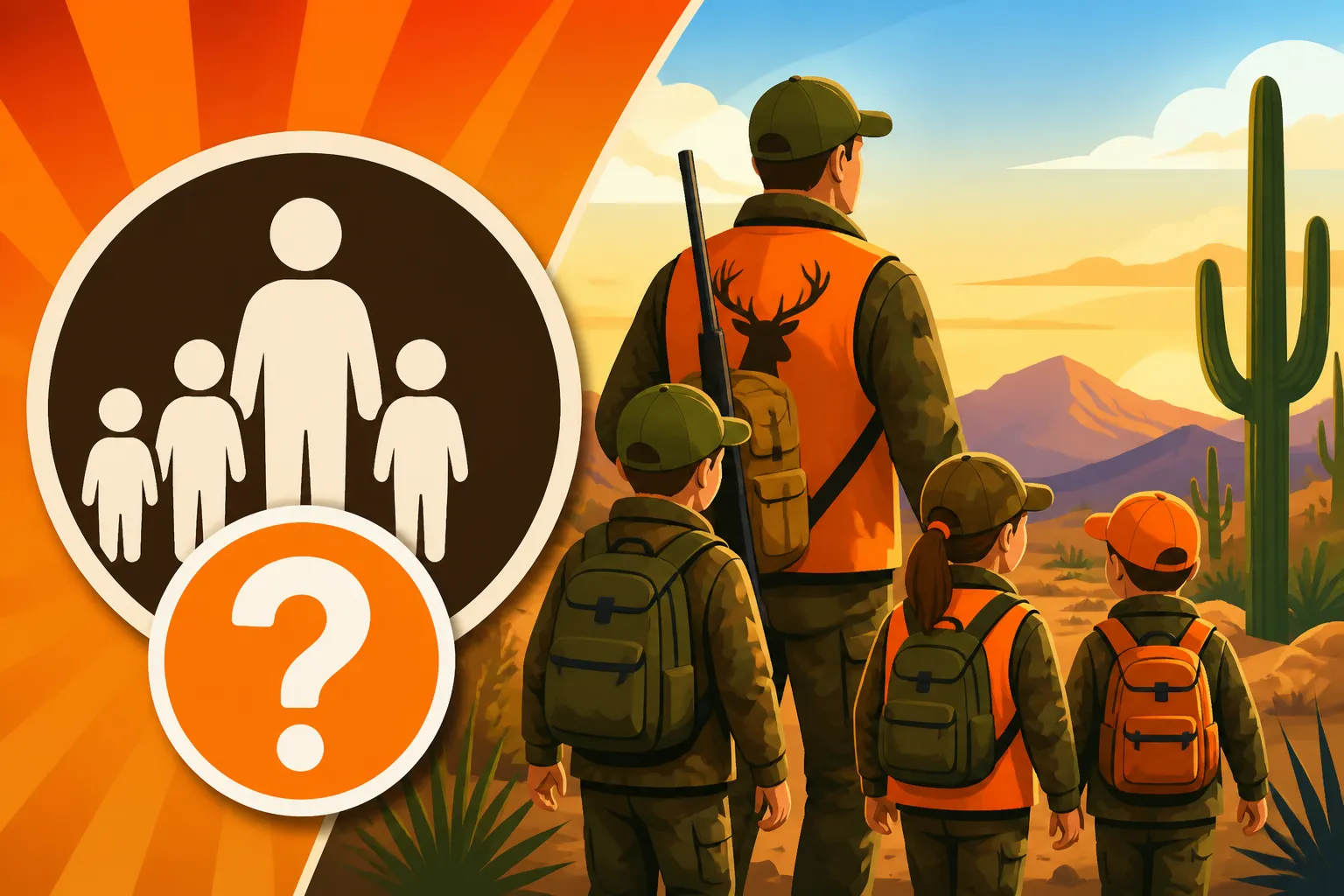
Let's get right to the heart of the matter: Arizona Revised Statute (ARS) § 17-333(E) clearly states that a licensed adult hunter may take up to two unlicensed children under 10 years of age to hunt small game. This is the definitive answer to the core question. One licensed adult, two unlicensed children under 10, for small game only. It’s a pretty specific rule, designed to balance mentorship opportunities with safety and effective supervision.
So, if you're planning a quail hunt, a dove opener, or chasing cottontails, you as the licensed adult can bring your two children, both under 10, and actively supervise them. They won't need their own licenses for these small game species, giving them a fantastic entry point into hunting. This specific allowance does not extend to big game, however. If you are hunting big game, and you want a child to actively participate in the big game hunt (i.e., carry a weapon and attempt to harvest big game), they absolutely must have their own valid big game tag and license, which, as discussed, comes with age and hunter education requirements. If they are just accompanying you as observers on a big game hunt, then the "two children under 10" rule for small game doesn't strictly apply, as they are not hunting big game themselves.
Distinguishing Small Game from Big Game Scenarios
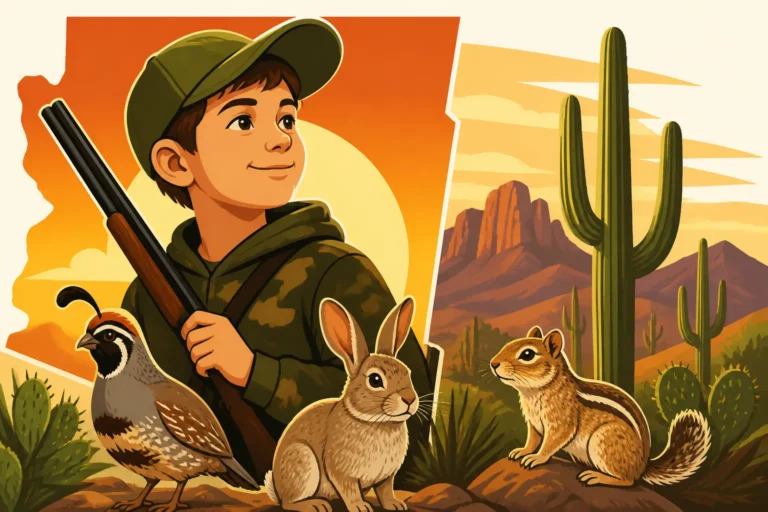
The distinction between small game and big game is not just a biological one in Arizona; it's a legal one that profoundly impacts youth hunting regulations. The rule allowing one licensed adult to supervise up to two unlicensed children under 10 applies exclusively to small game. This means species like quail, dove, rabbit, squirrel, and various waterfowl. These hunts are generally less physically demanding, often involve more consistent action, and present fewer complex safety challenges compared to big game pursuits. They are ideal for cultivating interest and teaching basic skills.
For big game hunting—which includes deer (Coues and Mule), elk, javelina, bear, mountain lion, antelope, bison, and bighorn sheep—the rules are much stricter. If a child, regardless of age, wishes to hunt big game, they must possess their own valid hunting license and the specific big game tag for the species they intend to pursue. There is no provision for an "unlicensed child" to actively hunt big game. This means that for a child to be anything more than an observer on a big game hunt, they must meet the full requirements, including completing their hunter education course (if under 14) and drawing or purchasing a tag. For example, while you can take two unlicensed little ones on a dove hunt, you cannot take them along to hunt an elk, even if you have an extra tag. The child themselves would need that tag, along with their license and hunter education certification. This is why resources like GoHunt become invaluable for adult hunters, allowing them to precisely research hunt codes and requirements for both themselves and any youth who will be fully licensed participants.
Practical Tips for Mentoring Young Hunters in Arizona
Bringing new hunters, especially children, into the fold is a serious responsibility but also a joyous privilege. Beyond just understanding the regulations, there are practical steps you can take to make these early experiences safe, educational, and fun.
Prioritizing Safety and Enjoyment
First and foremost, the primary goal of introducing children to hunting should be to instill a deep respect for safety and to foster a genuine love for the outdoors. This means that success isn't measured by a harvest, especially in the early years, but by the quality of the experience. Always review the cardinal rules of firearm safety: treat every firearm as if it's loaded, always point the muzzle in a safe direction, keep your finger off the trigger until ready to shoot, and be sure of your target and what's beyond it. Make these rules second nature.
Beyond safety, focus on making the trip enjoyable. Pack plenty of snacks, water, and breaks. The Arizona desert can be unforgiving, so pay close attention to hydration and temperature. On an early season hunt, for example, practicing Heat Management on an Arizona Early Season Hunt is absolutely critical, as children are more susceptible to heat-related illnesses. Always ensure you have sufficient Water You Must Carry on a Day Hunt, even if you think you’ll only be out for a few hours. Keep the hunting sessions short and sweet, ending before they get tired or bored. A positive first experience is far more valuable than a successful hunt.
Gear, Preparation, and Realistic Expectations
Having the right gear makes a huge difference in a child's comfort and ability to participate. Start with appropriate clothing for the Arizona climate, which can range from chilly mornings to hot afternoons. Good quality, comfortable footwear is essential; remember, Choosing Boots for Rocky Desert Ground can prevent blisters and make walking much more pleasant. Eye and ear protection are non-negotiable for anyone handling or near a firearm. Consider a smaller, lighter firearm appropriate for their stature and recoil sensitivity, even for small game. A .22LR rifle for squirrel hunting or a .410 shotgun for dove are great starting points.
Preparation extends to scouting and planning your hunt. Use tools like GoHunt to study topographical maps, identify potential water sources, and understand public land boundaries. Even for small game, a little e-scouting can help you find areas with good cover and active game, increasing the chances of an engaging experience. Manage expectations for both yourself and the child. Emphasize that hunting isn't just about shooting; it's about observing wildlife, understanding ecosystems, and spending quality time together. Sometimes, the best lessons come from not seeing any game at all, teaching patience and persistence. Avoid advanced tactics like Reading Wind on a Sky Island Stalk for a first-timer; instead, focus on simple, accessible hunts.
Choosing the Right Hunt and Location
Selecting the appropriate hunt and location is crucial for a positive introduction to hunting. Small game species generally offer more action and are less intimidating for beginners. Dove and quail seasons, for instance, often provide ample opportunities for shooting and retrieving, keeping children engaged. These hunts typically don't require the same level of stealth or physical endurance as a big game pursuit, making them ideal for shorter attention spans and smaller legs.
When picking a location, look for areas with relatively easy access and manageable terrain. Flat, open areas for dove hunting, or rolling hills with good cover for quail, can be much more enjoyable than navigating rugged canyons or dense thickets. Focus on areas where game populations are healthy and where you've had success in the past. Identifying reliable Finding Water in Arizona's Dry Country can also be a key factor, as game often congregates around these vital resources, providing better viewing and hunting opportunities. The goal is to set the stage for success, not necessarily in terms of a harvest, but in creating memorable and educational moments in the field.
The Long-Term Impact of Mentorship
The moments you share with a child in the field extend far beyond the hunting season. You’re not just teaching them how to hunt; you’re shaping their character, fostering a connection to nature, and ensuring the future of conservation.
Cultivating Future Conservationists
Introducing children to hunting at a young age is one of the most effective ways to cultivate a sense of responsibility for wildlife and wild places. They learn firsthand about animal behavior, habitat needs, and the importance of ethical harvest. When a child experiences the circle of life in a respectful, hands-on way, they gain a deeper appreciation for the role hunters play in conservation. You teach them that hunting is a privilege, not a right, and that responsible hunters contribute directly to wildlife management through license fees and excise taxes on equipment.
Consider enrolling them in, or at least discussing the principles from, programs like The Ethically Hunting Arizona Course Explained. This type of educational material reinforces the values you're teaching in the field, helping them understand the broader context of wildlife stewardship. These early lessons instill a sense of pride and ownership in maintaining healthy ecosystems, which is essential for ensuring that future generations have the same opportunities to connect with nature.
Navigating Future Licensing and Education
As your children grow and their interest in hunting deepens, you'll naturally transition from them simply "accompanying" you to them actively pursuing their own hunting goals. This means carefully planning for their licensing and further education. Once they express a desire to hunt big game, or even small game on their own, guiding them through the process of obtaining an The Apprentice License and What It Excludes can be a great next step. This license allows new hunters of any age to hunt under the direct supervision of a licensed adult without first completing a hunter education course, although it still has limitations, particularly for big game.
Eventually, they will need to complete the full hunter education course if they plan to hunt big game or eventually hunt independently. Planning for this milestone, and encouraging them to study and prepare, reinforces the importance of knowledge and skill in hunting. As they become more proficient and ready for bigger challenges, tools like GoHunt can help you both identify youth-friendly units with good draw odds or reliable over-the-counter opportunities for species like javelina or deer, ensuring they continue to have positive and challenging experiences in the field. This progression from observer to responsible, independent hunter is a journey that you, as their mentor, guide every step of the way.
Arizona Youth Hunting Supervision Overview
Here's a quick reference to help clarify the supervision rules for bringing children on a hunt in Arizona:
| Scenario | Child's Age | License Required for Child | Hunter Education for Child | Supervision Requirement | Number of Unlicensed Children per Adult | Applies to |
|---|---|---|---|---|---|---|
| Observing/Accompanying | Any | No | No | Direct (general safety) | Unlimited (as observers) | All Game |
| Actively Hunting Small Game | Under 10 | No | No | Direct (weapon control) | Up to two | Small Game |
| Actively Hunting Small Game | 10+ | Yes | No (for small game) | Direct (weapon control) | N/A (child is licensed) | Small Game |
| Actively Hunting Big Game | Any | Yes | Yes (if under 14, to obtain license) | Direct (weapon control) | N/A (child is licensed) | Big Game |
| Using Apprentice License | Any | Yes (Apprentice License) | No (if apprentice) | Direct (weapon control) | N/A (child is licensed) | All Game (with restrictions) |
Note: "Direct Supervision" means the licensed adult must be close enough to maintain immediate control of the child's weapon and provide direct instruction.
Disclaimer
The information provided in this guide is intended for general informational purposes only and does not constitute legal advice. Hunting regulations can change, and specific situations may require unique interpretations. Always consult the most current Arizona Game and Fish Department regulations or contact AZGFD directly for the most accurate and up-to-date information before planning your hunt.