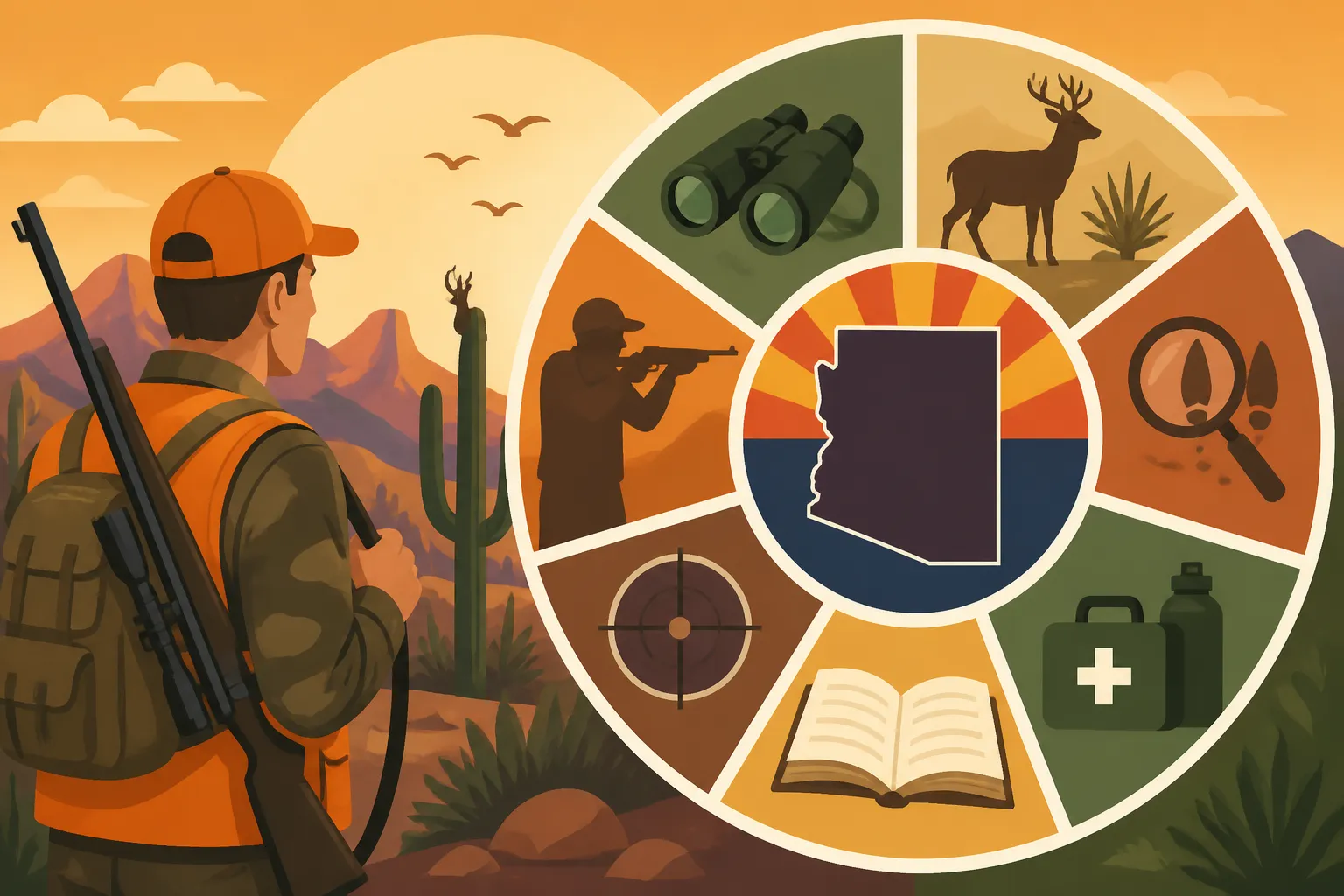
What the Ethically Hunting Arizona Course Covers
Many hunters, even those who've spent countless hours in the field, often find themselves wrestling with the nuances of ethical behavior that go beyond just knowing the letter of the law. Arizona, with its diverse landscapes and unique hunting opportunities, presents its own set of challenges and unspoken rules. This guide will fully unpack the Ethically Hunting Arizona Course, detailing its invaluable content, explaining why it's so crucially important for every hunter, and laying out the very tangible benefits it offers to anyone committed to being a responsible and respected steward of our wildlife.
Understanding the Ethically Hunting Arizona Course
Let's be honest, we all start somewhere. Most of us take a basic hunter education course, which is absolutely essential for learning firearm safety, basic regulations, and how to identify game. But the Ethically Hunting Arizona Course? That's a whole different beast. It's not just a dry refresher of the Arizona Game and Fish Department's rulebook; it's an immersive experience designed to get you thinking about the "why" behind the rules, delving deep into the spirit of ethical hunting.
More Than Just Regulations: A Deeper Dive into Principles
This course is truly about building character as a hunter. It challenges you to look beyond simply what is legal and consider what is right. It’s a space where you learn to navigate those complex situations in the field where the law might be ambiguous, but your moral compass should be clear. It asks you to consider your impact, not just on the animal you pursue, but on the land, other hunters, and the non-hunting public who share these precious wild spaces. This isn't just for newcomers, either; seasoned veterans often find new perspectives and refresh their commitment to upholding the highest standards of fair chase and respect. It builds upon the foundational safety and basic laws taught in traditional courses, like those covered if you're curious about Hunter Education Is Required Under 14 in Arizona, by pushing you to a more profound understanding of your role. The ultimate goal is to foster a pervasive culture of respect—for the animals, for the landscapes we traverse, and for every individual who steps foot into the vast Arizona backcountry.
The Online Format and Accessibility
One of the best things about the Ethically Hunting Arizona Course is its incredible accessibility. Recognizing that hunters have busy lives, the Arizona Game and Fish Department designed it as an online, self-paced course. This means no need to clear your calendar for a rigid weekend classroom session. You can tackle it from the comfort of your home, on your own schedule, chipping away at modules when you have an hour or two free. All you really need is a reliable internet connection, a computer or tablet, and a genuine commitment to learning. It's designed to be thorough, but also completely manageable, allowing you to absorb the information at your own pace. If you're wondering How Long the Ethics Course Takes to Finish, expect to dedicate a few hours, though the beauty is you can break it up as needed. Even with powerful digital scouting tools and mapping apps like those found on GoHunt, understanding the underlying principles of ethical hunting is paramount. Technology can certainly help you locate game or understand terrain, but it doesn't replace the critical thinking and moral grounding this course provides.
Core Ethical Dilemmas and Arizona-Specific Scenarios Covered
The beauty of the Ethically Hunting Arizona Course is how it moves beyond theoretical concepts and dives into very real-world situations, many of which are specifically tailored to the unique challenges and environment of Arizona. It aims to equip you with the mental framework to make sound ethical decisions when you're out there, far from a rulebook.
Beyond the Black and White: Situational Ethics
This course doesn't shy away from the tough questions. It delves into those grey areas that often trip up hunters, where the letter of the law might technically be met, but the spirit of fair chase and respect is utterly lost. We're talking about scenarios like taking a marginal shot at an animal that’s just a little too far, or maybe not perfectly broadside, simply because it’s your last day. Or perhaps, aggressively pushing game across a private land boundary or into another hunter's setup. These aren’t always illegal acts, but they certainly aren't ethical.
The course places a huge emphasis on responsible harvest. This means a deep dive into topics like optimal shot placement to ensure a quick, humane kill, and the absolute, unwavering responsibility to track a wounded animal until it is recovered, no matter how tough the terrain or how late the hour. This resonates particularly in Arizona’s rugged and often vast landscapes, where a wounded animal can quickly disappear into thick brush or unforgiving canyons. If you've ever dealt with the logistics of Field Dressing in Desert Heat, you know the commitment required to quickly and respectfully handle a downed animal. Furthermore, it covers respect for the game animal itself, discussing proper care of the meat to prevent spoilage and utilizing the animal fully—not just taking the antlers. While legal requirements like Mandatory Reporting After an Arizona Harvest are crucial, the course pushes you to think about how your actions post-harvest reflect on the animal and the hunting tradition. It even touches on the crucial topic of hunter image—how every individual hunter's actions, whether consciously or unconsciously, contribute to the public perception of hunting as a whole. Being a good ambassador for the sport is an ethical duty.
Navigating Arizona's Unique Challenges
Arizona is a land of extremes and unique considerations, and the course thoughtfully addresses these.
- Public Land Etiquette: Our public lands are shared by so many different users—hikers, mountain bikers, campers, birdwatchers. The course emphasizes the importance of respectful interaction, minimizing your impact on others’ experiences, and ensuring that hunters are seen as responsible users of these lands. This means everything from parking courteously to not leaving behind trash or gut piles in visible areas near trails.
- Water Sources and Habitat: In an arid state like Arizona, water is life, both for humans and wildlife. The course underscores the critical importance of being ethical around these vital resources. It discusses how to approach and utilize natural springs, man-made guzzlers, and stock tanks without disturbing wildlife patterns or impacting the water quality. This goes hand-in-hand with understanding Water Sources and Ethics in Arizona Desert Hunting and ensuring these precious resources are protected.
- Technology and Fair Chase: The digital age has introduced new tools, and with them, new ethical questions. The course facilitates a discussion around the appropriate use of trail cameras, GPS devices, and even electronic calls. While Baiting and Trail Camera Rules in Arizona provide the legal framework for specific tools, the ethical line can often be a personal one. The course helps you discern when technology enhances the experience without removing the challenge or compromising fair chase principles. For instance, while GoHunt offers incredible mapping and scouting data, the course would prompt you to consider if relying solely on high-tech solutions diminishes the true hunting experience.
- Access and Landowner Relations: Arizona has a mix of public, private, and state trust lands. Understanding boundaries, respecting private property signs, and knowing the legal and ethical considerations of Retrieving Game From Private Land in Arizona are all thoroughly discussed. It's about being a good neighbor and upholding the reputation of hunters who respect all land ownership.
The Tangible Benefits for Arizona Hunters
Beyond the invaluable knowledge and sharpened ethical compass you'll gain, completing the Ethically Hunting Arizona Course actually offers some very concrete, real-world advantages that can significantly impact your hunting future in the Grand Canyon State.
Earning a Permanent Bonus Point
This is arguably one of the biggest draws for many Arizona hunters, and for very good reason. Successfully completing the Ethically Hunting Arizona Course awards you a highly coveted permanent bonus point. Let that sink in: permanent. Unlike points you accumulate each year by simply applying for a tag (which are species-specific and can be lost if you draw certain tags), this point never expires and applies to your entire application history. It's truly one of the Three Ways to Earn an Arizona Bonus Point.
So, how does this point help? In Arizona's competitive draw system, where tags for prime species like elk, bighorn sheep, and even some mule deer units are incredibly hard to come by, every single bonus point significantly increases your odds of drawing. This course offers you a one-time opportunity to add a permanent advantage to your application profile. It's distinct from The Permanent Arizona Point From Hunter Education which you earn by passing a basic hunter safety course, and also different from The Arizona Loyalty Point Explained, which rewards consistent application over five consecutive years. This course point is a unique, one-and-done boost to your draw odds, making it an absolute no-brainer for any hunter serious about building points for those highly sought-after tags. Tools like GoHunt can even help you track your accumulated points and analyze draw odds, making this permanent point even more valuable in your long-term planning.
Becoming a More Confident and Respected Hunter
The benefits of the course extend far beyond just an extra point in the draw; they transform you into a more confident, capable, and respected hunter.
- Increased Confidence: Imagine stepping into the field knowing that you're not just adhering to the minimum legal requirements, but you're operating with a deep understanding of ethical best practices. This kind of knowledge fosters immense confidence. You'll be better equipped to handle unexpected situations, make quick decisions under pressure, and navigate complex social interactions without second-guessing yourself. This confidence allows you to focus more on the hunt itself and less on the anxieties of potential missteps.
- Better Decision-Making in the Field: The course provides a framework for analyzing ethical dilemmas. Instead of reacting emotionally or impulsively, you'll have the tools to think critically about your actions and their consequences. This leads to more responsible shot selection, diligent tracking efforts, and respectful interactions with wildlife and other land users. You'll understand why rules exist, not just that they exist, leading to compliance born of conviction, not just fear of penalty.
- Being an Ambassador for Hunting: In an increasingly scrutinized world, every hunter's actions are observed, whether by fellow outdoor enthusiasts, anti-hunting groups, or the general public. By completing this course, you become a better ambassador for hunting. You learn to set a positive example, demonstrating respect, responsibility, and conservation. This helps to combat negative stereotypes and ensure the future of our hunting heritage. Your actions speak volumes, and an ethically-minded hunter speaks of integrity and stewardship.
- Long-Term Impact on Wildlife and Habitat: At its core, ethical hunting is sustainable hunting. When hunters are educated and committed to ethical practices, they contribute directly to the health of wildlife populations and their habitats. This includes everything from minimizing disturbance, preventing poaching, supporting conservation through license fees, and actively participating in habitat improvement projects. Ultimately, this course strengthens the bond between hunters and conservation, ensuring that Arizona's diverse game populations thrive for generations to come.
Here's a quick overview of some key areas covered in the Ethically Hunting Arizona Course:
| Topic Area | What it Covers | Key Ethical Consideration | Relevant Arizona Context |
|---|---|---|---|
| Shot Placement & Recovery | Techniques for humane kills, diligent tracking protocols, appropriate gear usage. | Ensuring minimal suffering and full retrieval of game. | Diverse terrains, harsh climate, critical importance of swift Field Dressing in Desert Heat. |
| Public & Private Land Use | Respecting boundaries, minimizing disturbance to others, proper access protocols. | Honoring property rights, responsible retrieval practices, e.g., Retrieving Game From Private Land in Arizona. | Mixed land ownership, high recreational use areas. |
| Fair Chase | Understanding limits of technology, baiting controversies, method-specific ethics. | Maintaining a reasonable chance for the animal to escape. | Rules like Baiting and Trail Camera Rules in Arizona, responsible use of calls. |
| Wildlife & Habitat | Water source etiquette, habitat preservation, understanding hunter's conservation role. | Stewardship of natural resources, minimizing human impact. | Arid environment, protecting vital Water Sources and Ethics in Arizona Desert Hunting. |
| Post-Harvest Ethics | Proper meat care, respectful trophy handling, timely reporting. | Demonstrating respect for the animal, positive public image. | Legal requirement for Mandatory Reporting After an Arizona Harvest. |
| Hunter Conduct | Interactions with non-hunters, maintaining a positive public perception, safety. | Being an ambassador for hunting, upholding shared values. | Shared public lands, diverse outdoor user groups. |
Disclaimer
Please remember that while this guide provides comprehensive information, hunting regulations and ethical guidelines can change. Always consult the most current Arizona Game and Fish Department regulations before heading afield.