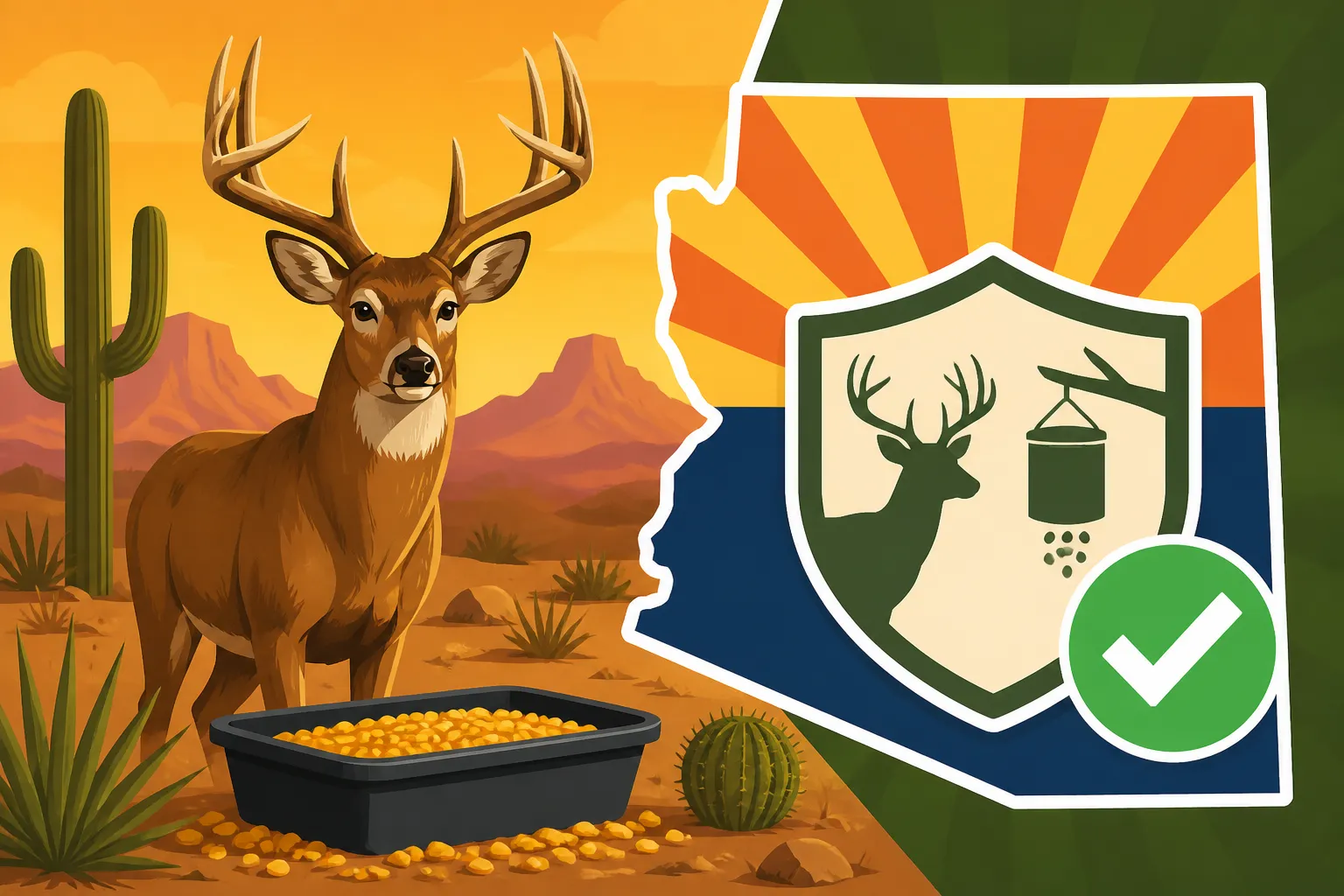
Baiting Rules That Apply in Arizona
It can feel incredibly frustrating to sort through hunting regulations, especially when a simple term like "baiting" can have so many nuances and exceptions depending on the species and the state you're in. You just want to know what you can and can't do to stay legal and ethical while you're out there, right? This comprehensive guide is going to walk you through Arizona's specific rules regarding baiting, breaking down what's allowed, what's strictly prohibited, and why these regulations are in place.
Understanding Arizona's General Baiting Prohibitions for Big Game
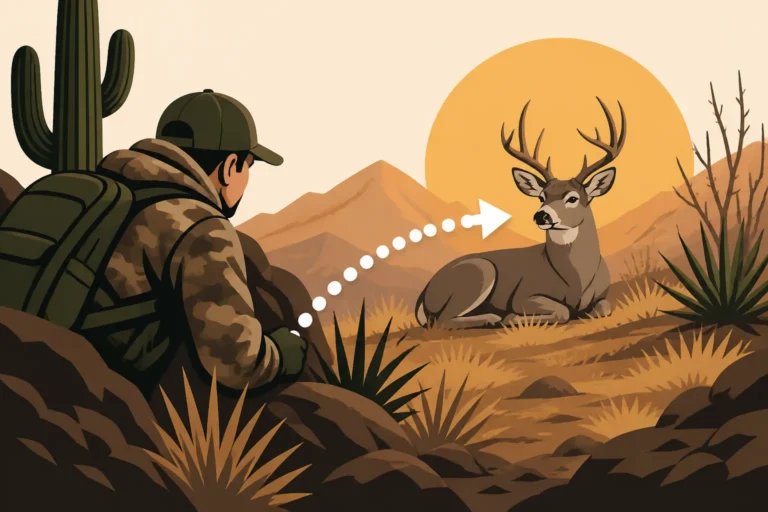
Let's cut right to the chase: for most big game species in Arizona, baiting is a definite no-go. The Arizona Game and Fish Department (AZGFD) defines bait as placing edible attractants in a manner that "lures, entices, or attracts wildlife to a specific location for the purpose of taking wildlife." This isn't just about dumping a pile of corn; it's about the intent and the effect. The core principle behind this prohibition for animals like deer, elk, bighorn sheep, pronghorn, and bison is rooted in fair chase ethics and ensuring that hunting remains a challenge, reliant on a hunter's skill in scouting, tracking, and calling, rather than simply attracting an animal to a predictable food source.
Imagine spending weeks e-scouting an Arizona unit before the season, pouring over maps on tools like GoHunt, identifying travel corridors, bedding areas, and water sources. That's the kind of dedication Arizona hunting values. If someone could just throw out a salt block or a bucket of apples and wait, it would fundamentally change the challenge and experience. The rules are designed to maintain the integrity of the hunt and to prevent an unfair advantage that could be gained by artificially concentrating game.
Furthermore, there are very practical conservation reasons behind these rules. Concentrating animals around a single bait source can increase the risk of disease transmission within a population. Think about Chronic Wasting Disease (CWD), a serious concern in wildlife management across North America. While Arizona has remained CWD-free, preventing practices that could facilitate its spread is paramount. Baiting can also alter natural migration patterns or feeding habits, potentially leading to over-reliance on artificial food sources, which isn't healthy for the ecosystem or the animals in the long run.
The prohibition isn't just about what you place on the ground; it extends to the "taking" of an animal that has been baited. This means that even if you didn't place the bait yourself, but you hunt over an area where bait has been placed with the intent to attract game, you could be in violation. Ignorance of the law isn't an excuse, so understanding these nuances is critical.
Specific Rules and Exceptions by Game Species
While the general rule in Arizona is "no baiting for big game," the regulations become more granular when you look at different species categories. It's not a one-size-fits-all approach, and knowing these distinctions can keep you on the right side of the law.
Big Game Species: Deer, Elk, Pronghorn, Bighorn, Bison, Javelina
For the grand slam of Arizona big game – including Coues deer, mule deer, elk, pronghorn, bighorn sheep, and bison – baiting is strictly prohibited. This is where the fair chase ethic truly shines. The challenge of glassing Arizona's Sky Islands for Coues deer or calling bulls on Arizona's Mogollon Rim is what draws so many hunters to these pursuits. These experiences are about strategy, patience, and skill, not about luring an animal to an easy meal.
Javelina, often grouped with big game for tag purposes, also fall under this strict no-baiting rule. While they might seem like a smaller, more accessible animal, the regulations treat them just like a trophy elk when it comes to attracting them with food. Hunting javelina often involves tracking Arizona javelina through prickly pear, or sitting water sources, which are natural attractants, not artificial ones.
It's crucial to understand that "baiting" isn't limited to traditional corn or pellets. Any food substance placed to attract these animals for the purpose of taking them is considered bait. This even extends to mineral blocks or salt licks, if placed with the intent to attract big game for hunting. The AZGFD defines these as bait if they contain more than trace amounts of minerals or salts.
Bear and Mountain Lion Hunting Regulations
Black bears and mountain lions have a slightly different set of rules due to their predatory nature and the specific management challenges they present. For bears, baiting is allowed in Arizona, but with very strict stipulations and only for specific hunt types. Hunters must possess a bear tag, and usually, it's allowed in conjunction with hound hunting. However, even when permitted, there are often rules about the type of bait, how close it can be to public roads or dwellings, and how long it must be removed before the actual hunt.
Mountain lion hunting also has different provisions. While traditional baiting with food substances is generally restricted, the use of a "treeing dog" or "trail hound" to pursue a lion, often after finding fresh sign, is a common and legal method. The concept here isn't luring the animal with food, but pursuing it with trained dogs, which is a recognized and historical hunting practice for these elusive predators.
Always double-check the current Arizona hunting regulations booklet for specific unit-by-unit rules and any special provisions for bear and lion. These regulations can change based on population numbers or management objectives.
Small Game and Predator/Varmint Hunting
When it comes to small game like quail, dove, rabbits, and squirrels, or predators and varmints like coyotes, bobcats, and foxes, the rules become significantly more lenient, but still have important limits.
For many small game species, attracting them with feed is generally not considered illegal baiting, provided it's done within the established seasons and other legal parameters. For instance, setting up a dove hunt near a recently harvested agricultural field with scattered grain might be a common practice, but you still need to be aware of property lines and other state/federal regulations regarding migratory birds. However, placing concentrated piles of feed specifically to shoot over can still raise ethical questions or fall under other definitions of baiting depending on intent and local rules.
For predators and varmints, such as when you're hunting coyotes year round in the desert, baiting is often legal, especially with natural carcasses or scent attractants. This is largely because these animals are often managed differently, sometimes with year-round seasons and less restrictive methods, to help control their populations and protect other wildlife or livestock. Many hunters use predator calls, but placing a carcass for a coyote hunt is often permissible. However, even here, the use of poisons or toxicants is strictly prohibited for baiting. You cannot use any substance that could harm non-target species or pose a risk to the environment.
A quick reference table can help clarify the general rules:
| Species Category | General Baiting Rule | Common Exceptions/Nuances |
|---|---|---|
| Big Game | PROHIBITED (Deer, Elk, Pronghorn, Bighorn, Bison) | Any food substance, mineral block, or salt lick placed to attract for harvest is illegal. Focus on natural scouting and fair chase methods. |
| Javelina | PROHIBITED | Treated similarly to big game; no food baiting allowed. |
| Black Bear | LIMITED PERMITTED | Baiting can be allowed, often with specific permit types or in conjunction with hound hunting, and subject to strict regulations on bait type, placement, and distance from public access. Check specific unit regulations. |
| Mountain Lion | LIMITED PERMITTED | Baiting with food is generally restricted, but hound hunting is a primary legal method. |
| Small Game | Generally PERMITTED for attracting | Attracting with scattered grains or natural feed sources generally allowed, but be mindful of intent, concentration, and other local/federal regulations, especially for migratory birds. |
| Predators/Varmints | Generally PERMITTED | Use of carcasses, natural attractants, or scent lures is common. Toxicants/poisons are strictly PROHIBITED. |
Remember, these are general guidelines. The exact wording and specific details of the current regulations, which you can find in the official AZGFD hunting regulations booklet, are always the definitive source.
Distinguishing Baiting from Legal Attractants and Scouting Practices
One of the biggest areas of confusion for hunters is the difference between illegal baiting and legal, ethical ways to attract or locate game. It's a fine line, but understanding it is paramount for staying within the law.
Water Sources and Mineral Licks: Natural vs. Artificial
Arizona is largely an arid state, and water is a natural magnet for all wildlife. Hunting near natural water sources or even man-made stock tanks that are part of the landscape is a perfectly legal and ethical way to hunt. In fact, finding water in Arizona's dry country is a key scouting strategy. Animals naturally congregate around these vital resources. The key here is "natural." You're not creating a new water source with the intent to concentrate animals for hunting; you're utilizing existing, naturally occurring or established features of the environment.
Mineral licks are trickier. While wild animals naturally seek out minerals, placing a commercial mineral block or salt lick specifically to attract big game for hunting is generally considered baiting for big game. Even if it doesn't contain "food" in the traditional sense, its primary purpose is to draw animals to a specific spot. If the mineral block contains more than trace amounts of minerals and is placed to attract animals for harvest, it typically falls under the baiting prohibition for big game. It's best to err on the side of caution and avoid placing any artificial mineral supplements if you're hunting big game.
Trail Cameras and Scouting: Information Gathering, Not Attraction
Trail cameras have become an indispensable tool for modern hunters. Using trail cameras on Arizona public land is a legal and highly effective way to scout, pattern animals, and gain crucial intelligence about a unit without physically being there constantly. You can learn about deer movements, the timing of the elk rut peaks on the rim, or even track javelina through thick cover.
The crucial distinction is that trail cameras are for information gathering, not attraction. You're placing them to observe existing animal behavior, not to modify it by luring animals with food. You might place a camera overlooking a well-used game trail, a waterhole, or a rub line. You're trying to understand how animals use the landscape naturally. Combining this with tools like GoHunt can give you an incredible edge in identifying productive areas.
Some hunters might attach a small, non-food scent attractant to a tree near a camera to encourage animals to pause for a better picture, but this is distinct from placing a food source. Always ensure any attractant used is clearly non-edible and not intended to provide nutrition. If you're using a camera to monitor a natural mineral lick or a natural water source, that's generally fine, as you're observing existing patterns. However, if you've put out the mineral block yourself, then it falls back into the baiting problem.
Scents, Calls, and Decoys
Using scents, calls, and decoys is generally a legal and accepted practice in Arizona for many species.
- Scents: Cover scents, dominant buck urine, estrus scents for deer or elk, and even some predator-specific scents are widely used and legal. These are designed to appeal to an animal's sense of smell, either to mask human odor or to mimic the presence of another animal, drawing them closer. They are not food-based.
- Calls: From elk bugles to deer grunts, turkey yelps, or coyote howlers, calls are a skill-based method of communication with animals. They rely on mimicking vocalizations to attract game and are a cornerstone of fair chase hunting. Even electronic calls are legal for predators and varmint hunting, though often restricted for big game.
- Decoys: Lifelike decoys for turkey, deer, or even waterfowl are common and legal. They aim to visually attract an animal by simulating another of its kind.
None of these methods involve placing an edible substance to entice an animal, which is the core definition of baiting in Arizona for big game. They enhance the hunter's ability to locate or bring in an animal through mimicry or camouflage, aligning with the principles of fair chase.
Why Arizona's Baiting Rules Matter for Fair Chase and Conservation
The comprehensive nature of Arizona's baiting regulations, especially the strict prohibitions on big game, goes beyond simple legality; it touches on the very spirit of hunting and responsible wildlife stewardship.
Upholding Fair Chase Principles
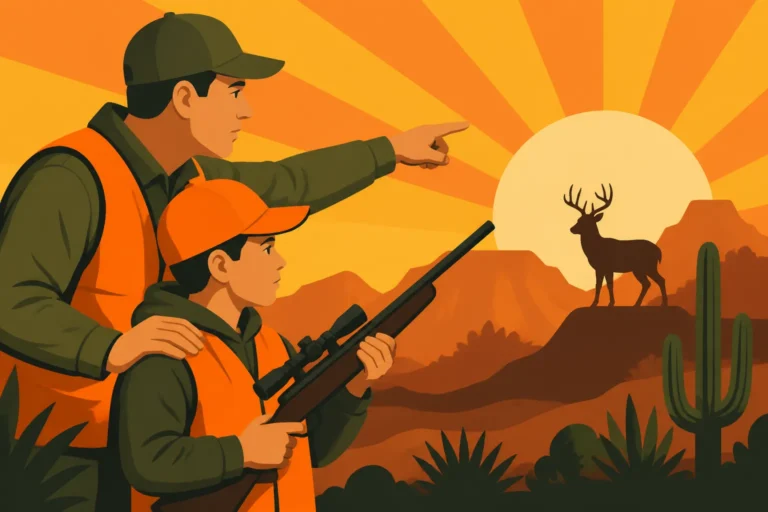
For many, hunting isn't just about the harvest; it's about the journey, the challenge, and the respect for the animal. Fair chase is a widely accepted ethical standard that dictates hunters should not have an unfair advantage over the animals they pursue. Baiting for big game, by design, creates just such an advantage. It makes game predictable, often leading to easier shots and less challenging hunts. This undermines the skill, effort, and knowledge that many hunters pride themselves on.
Consider the dedication involved in understanding an animal's habits, reading wind on a Sky Island stalk, or playing thermals on a canyon stalk. These are the elements that define a truly earned harvest. Removing the element of surprise and reliance on natural movement through baiting can diminish the intrinsic value of the hunt. Arizona, with its vast and challenging landscapes, truly champions this concept of fair chase.
Promoting Healthy Wildlife Populations and Ecosystems
Beyond ethics, the rules serve critical conservation objectives. When animals are artificially concentrated at bait sites, several negative impacts can occur:
- Disease Transmission: As mentioned earlier, close proximity increases the risk of spreading infectious diseases like CWD or other parasites and pathogens. This is a significant concern for wildlife managers who work tirelessly to maintain healthy herds.
- Altered Behavior: Animals can become reliant on bait, altering their natural foraging patterns and potentially their migration routes. This dependency can make them more vulnerable during lean times if the bait isn't consistently available, or if they learn to associate humans with food.
- Increased Predation: Concentrated game can also become easy targets for predators, potentially throwing off the delicate balance of the ecosystem.
- Human-Wildlife Conflict: When animals habituate to human-provided food sources, they can become bolder, leading to conflicts with landowners, campers, or residents, especially with species like bears.
The AZGFD's regulations are carefully crafted to support sustainable wildlife populations and healthy ecosystems. They encourage natural behaviors and interactions, which are essential for the long-term well-being of Arizona's diverse game species. By adhering to these rules, hunters become active participants in conservation, ensuring that future generations can enjoy the same challenging and rewarding hunting experiences.
Ultimately, understanding and respecting Arizona's baiting rules is part of being a responsible hunter. It ensures legality, upholds ethical standards, and contributes to the vital work of wildlife conservation that makes hunting in Arizona so special. Always remember to consult the latest official regulations from the Arizona Game and Fish Department, as rules can occasionally be updated or unit-specific exceptions may apply. It's your responsibility to know before you go.
Disclaimer
Please note that hunting regulations are subject to change. While this guide provides a comprehensive overview of Arizona's baiting rules based on current information, it is your responsibility to consult the most recent official Arizona Game and Fish Department regulations prior to any hunting activity. This content is for informational purposes only and does not constitute legal advice.