Retrieving Game From Private Land in Arizona
It's every hunter's worst nightmare: you make a perfect shot, feel confident in your placement, and then watch your animal, whether it's a desert muley or a Coues deer, bound across a fence onto private land. That pit in your stomach is a familiar feeling for many of us, leaving you stuck between the ethical obligation to recover game and the legal boundaries of private property. This guide will walk you through the complexities of retrieving game from private land in Arizona, from preventing the situation to navigating the legal and ethical tightropes when it happens.
Understanding Arizona's Trespass Laws and Hunter Responsibilities
Navigating the landscape of private land in Arizona requires a clear understanding of the law. It’s not just about what you can do, but what you are obligated to do as a responsible hunter.
The Legal Framework for Private Land Access
In Arizona, private land is just that – private. It’s not open to public access without explicit permission from the landowner. This might seem straightforward, but in a state with a checkerboard of public, private, and State Trust lands, those boundaries can get blurry in the heat of the moment. The critical thing to remember is that there's no inherent right for a hunter to trespass onto private property to retrieve game, even if that game was legally shot on adjacent public land. The law prioritizes property rights. If you cross a fence onto private land without permission, even with the best intentions of recovering an animal, you are trespassing. The severity of the legal consequences can vary, but it's a risk no hunter should take lightly. You can learn more about specific regulations in our guide on Trespass Law on Posted Arizona Property.
Hunter's Ethical and Legal Obligations
Beyond the written law, there’s an unspoken code of ethics that guides responsible hunting. As hunters, we have a profound ethical obligation to recover any animal we shoot. Wounding an animal and leaving it to suffer or go to waste is simply unacceptable. This ethical duty often collides directly with property law when an animal crosses onto private land.
Legally, your obligation to recover game does not override the landowner's right to control their property. This can be a hard pill to swallow, especially when you've invested so much time, effort, and emotion into a hunt. However, understanding this distinction is crucial. Your intent, no matter how noble (to recover game), won't always save you from a trespass charge if you enter without permission. The Arizona Game and Fish Department (AZGFD) often plays a mediating role in these situations, but they generally cannot compel a private landowner to grant access. They operate within the bounds of the law, which includes respecting private property rights.
Proactive Steps to Prevent Game Retrieval Issues
The best way to handle game crossing onto private land is to prevent it from happening in the first place. A little foresight and preparation can save you a lot of headache, heartache, and potential legal trouble.
Pre-Hunt Scouting and Planning for Private Land Boundaries
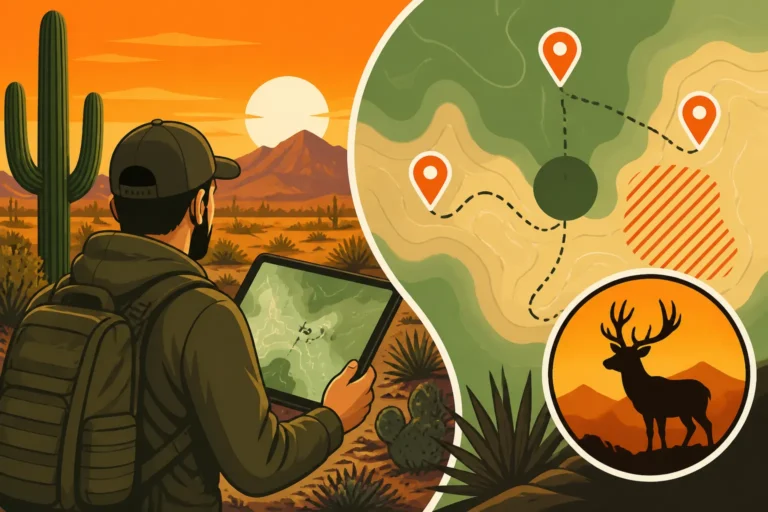
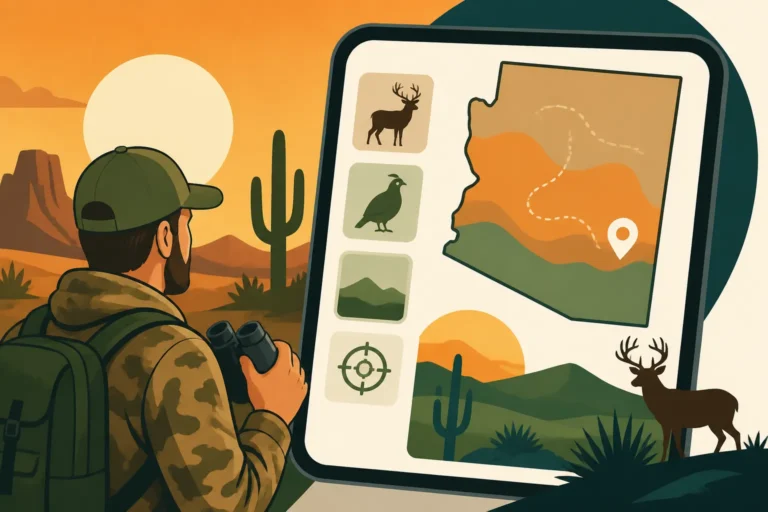
Before you even step foot in your unit, comprehensive pre-hunt scouting is paramount. This means more than just finding game sign; it means understanding the land itself. Tools like GPS mapping apps, such as GoHunt, are indispensable for this. These apps allow you to overlay private and public land boundaries directly onto detailed topographical maps and satellite imagery. By utilizing these tools, you can literally see where the property lines lie, often down to the individual parcel. Our article on E-Scouting an Arizona Unit Before the Season can provide more in-depth strategies.
When you're scouting, identify areas where game might naturally move towards private land. Are there water sources, feed areas, or bedding cover just across a fence that could draw an animal? If you plan to hunt near these boundaries, you need to develop a strategy. This might involve hunting from a position that offers a clear shot with a safe backdrop away from private property, or focusing your efforts deeper within public land. Always pay close attention to the specific unit boundaries, which can sometimes be complex, by consulting resources like Reading an Arizona Unit Boundary Before You Apply.
Building Relationships with Landowners
This might seem like a long shot, but establishing contact with landowners before your hunt can be a game-changer. Imagine the scenario: you've been granted access by a rancher days before opening day. If an animal does cross, that phone call you make will be to someone who already knows you, understands your request, and hopefully trusts you.
When approaching landowners, be respectful, articulate your intentions clearly, and offer to share contact information. Sometimes, simply knowing there's a responsible hunter in the vicinity makes a difference. Explain that you're hunting nearby public land and, in the rare event an animal is wounded and crosses onto their property, you would like to request permission to retrieve it. Be prepared for a "no," but also be prepared for a "yes," especially if you come across as responsible and courteous. Our guide on Getting Landowner Permission in Arizona offers further advice on this delicate process. Offer to provide your hunting license and ID, and assure them you will respect their property. This pre-emptive communication can turn a potential confrontation into a cooperative effort to recover game.
What to Do When Game Crosses Onto Private Land
Despite your best efforts and meticulous planning, sometimes an animal will still cross onto private land after the shot. When this happens, a calm, strategic, and ethical approach is absolutely essential.
Immediate Actions After a Shot Animal Enters Private Property
The most critical rule here is do not cross the fence without explicit permission. It's tempting, agonizingly so, to just follow the blood trail. But doing so without permission immediately makes you a trespasser, eroding any goodwill you might have generated and potentially leading to legal trouble.
Instead, mark the exact spot where you last saw the animal cross the property line. Note down any distinguishing features, like a specific tree, rock, or fence post. Take photos if it helps. Then, immediately retreat to public land. This might mean leaving the blood trail for a short while, but it protects you legally.
Next, try to identify the landowner. This is where those mapping apps like GoHunt truly shine. You can often pull up parcel information that includes the landowner's name and sometimes even contact information. If you don't have this, contact the Arizona Game and Fish Department (AZGFD) regional office for that area. Explain the situation clearly: you've legally shot an animal, it crossed onto specific private property, and you need assistance in contacting the landowner for retrieval permission. AZGFD officers often have established relationships with local landowners and can act as intermediaries. They can explain the situation, vouch for your intentions, and try to facilitate access.
The Process of Obtaining Landowner Permission
Once you have identified the landowner, the process of seeking permission begins. Whether it's through AZGFD or your direct contact, always approach the landowner with respect and humility.
- Be Clear and Concise: Explain who you are, what happened (you shot an animal on public land, and it ran onto their property), and what you're requesting (permission to briefly enter their property, unarmed, to recover the animal).
- Offer Details: Provide your hunting license number, contact information, and unit number. Be prepared to show the officer or landowner your license and tag.
- Set Expectations: Be upfront about the time frame you anticipate needing. Emphasize that you will not be carrying a weapon (unless specifically permitted by the landowner for safety, which is rare for retrieval) and will respect their property. If you have a partner, clearly state if they will be joining you.
- Listen to Their Terms: The landowner has the right to set terms for entry, or to deny it altogether. They might insist on accompanying you, or specify a particular time of day. Be flexible and accommodating.
- Thank Them: Whether they grant permission or not, always thank them for their time and consideration. A positive interaction, even if you don't get access, reflects well on the hunting community.
Remember, this is a delicate negotiation. Your goal is to show you are a responsible, ethical hunter who respects private property.
When a Landowner Refuses Access
This is the toughest part. If a landowner refuses permission, or if you cannot contact them, you are legally out of options. You cannot force your way onto their property. As heartbreaking as it is to leave a downed animal, trespassing to retrieve it is not the answer.
In these situations, AZGFD may still be able to help, but their hands are tied by property law. They cannot compel the landowner to grant access. Sometimes, an AZGFD officer might be granted access where a hunter would not, and they may be able to retrieve the animal for you. However, this is at the landowner's discretion. If the animal is on private property and you cannot get permission to retrieve it, it's considered lost game. It's a devastating outcome, but one that highlights the importance of thorough planning and respectful landowner relations.
Special Considerations for Retrieval
Beyond the immediate steps, there are other factors that can complicate or simplify a game retrieval situation, especially when private land is involved.
Night Retrieval and Safety Concerns
The clock is often ticking after an animal is shot, especially in Arizona's warmer temperatures. Getting on a blood trail quickly is critical. However, if your animal crosses onto private land, the darkness adds another layer of complexity. Hunting hours in Arizona typically end at sundown, and while retrieval is not "hunting," a landowner might be uncomfortable with you on their property after dark. Our article on Legal Shooting Hours and Blaze Orange in Arizona can clarify these timelines.
If you are granted permission for a night retrieval, communicate clearly with the landowner about your exact plans, including estimated time, number of people, and any lights or equipment you'll be using. Safety is paramount – for you, your partners, and the landowner. Visibility is reduced, trails are harder to follow, and the risk of injury increases. It's often advisable to wait until first light if permitted, especially if the weather is cool enough to prevent spoilage. However, if conditions demand immediate action, ensure all parties are aware and agree to the plan.
Carcass Tagging and Evidence of Sex Requirements
Even if you retrieve your animal from private land, all the standard Arizona Game and Fish Department rules for tagging and transportation apply. This means you must immediately attach your valid tag to the carcass once you've recovered it. Our guide, How Soon You Must Tag a Downed Animal, provides the essential details.
Furthermore, if the regulations for your specific hunt require evidence of sex to remain on the carcass during transport, you must comply. This usually means leaving a portion of the head, hide, or other identifying features attached. Even if an AZGFD officer retrieves the animal for you, they will ensure these regulations are met before turning the carcass over. It's your responsibility as the hunter to ensure that once the animal is in your possession, it is properly tagged and prepared for legal transport. You can find more information on these specific rules in our article on Evidence of Sex Requirements on a Carcass.
Leveraging Technology for Boundary Awareness
In today's hunting world, technology is your best friend when it comes to understanding and respecting land boundaries. Ignoring these tools is like hunting blind.
Mapping Apps and GPS Devices
Modern mapping applications are revolutionary for hunters. Companies like GoHunt offer detailed satellite imagery, topographical maps, and, most importantly for this topic, public and private land ownership layers. These layers clearly delineate property lines, showing you exactly where public land ends and private property begins.
Before your hunt, you should:
- Download Offline Maps: Cell service is often nonexistent in Arizona's remote hunting units. Always download maps for your entire hunting area to your phone or GPS device. This ensures you have access to critical boundary information even without a signal.
- Mark Potential Hot Spots: Identify areas where game trails or natural features (like washes or saddles) cross property lines. Mark these points on your map.
- Use GPS Tracking: Most apps allow you to track your movement in real-time. This provides an indisputable record of where you were when you took a shot and where an animal crossed.
- Confirm Boundaries in the Field: While glassing, use your phone or GPS to confirm the precise location of fences or natural markers relative to property lines.
These tools are not just for pre-scouting; they are for active use in the field. Constantly referencing your map will help you make better decisions, ensuring you stay on public land and avoid potential retrieval issues. For more detailed guidance, see Using onX Layers for Arizona Public Land.
Aerial Imagery and Topographical Maps
Beyond the digital property lines, aerial imagery and topographical maps provide critical context for understanding the terrain.
- Aerial Imagery: This can show you physical barriers like dense vegetation, rivers, or cliffs that might influence an animal's escape route. It can also reveal clearings, fields, or homes on private land that you might not want to approach. You can often see trails, roads, and even buildings, giving you a comprehensive view of the landscape.
- Topographical Maps: These reveal elevation changes, ridges, and canyons. An animal that's shot will often try to run downhill or seek thick cover. Understanding the topography helps you predict where an animal might go after the shot, allowing you to position yourself accordingly or anticipate potential boundary crossings.
By combining all these data sources, you gain a powerful understanding of your hunting area. This knowledge is not just about finding game, but about being a responsible steward of the land and respecting property rights. Always consult reliable sources for maps and boundary information, such as those mentioned in Where Arizona Publishes Unit Access Maps.
Actions to Take When Game Crosses Onto Private Land
| Step | Description | Why It's Important |
|---|---|---|
| 1. DO NOT Trespass | Under no circumstances should you cross onto private land without explicit permission. Retreat to public land. | Protects you from legal charges; maintains your integrity as a responsible hunter. |
| 2. Mark the Spot | Note the exact location where the animal crossed the property line. Use GPS, landmarks, and photos. | Essential for communicating with landowners/AZGFD; aids in finding the exact entry point if permission is granted. |
| 3. Contact Landowner | Attempt to identify and contact the landowner directly. Be polite, explain the situation, and humbly request permission for retrieval. | Direct approach can sometimes lead to quickest resolution; builds good relationships. |
| 4. Contact AZGFD | If you can't reach the landowner or are denied, contact the Arizona Game and Fish Department (AZGFD) regional office. Provide all details and request their assistance as an intermediary. | AZGFD can often act as a neutral party, has landowner contacts, and can explain hunter ethics vs. property law. |
| 5. Respect the Decision | If permission is denied by the landowner or AZGFD cannot facilitate access, you must respect that decision. The animal, unfortunately, becomes lost game. | Legally, a landowner has the right to deny access. Disregarding this leads to trespassing. |
| 6. Tag Immediately | If permission is granted and you successfully retrieve the animal, immediately tag it according to Arizona regulations. Ensure all evidence of sex requirements are met before transport. | Compliance with state hunting laws is mandatory once the animal is in your possession. |
| 7. Thank Everyone | Express sincere gratitude to the landowner (if access was granted) and any AZGFD personnel who assisted you, regardless of the outcome. | Reinforces positive image of hunters; fosters future cooperation. |
Disclaimer
This article is for general informational purposes only and does not constitute professional advice. Laws, prices and regulations vary by location and change over time. Consult a qualified professional for guidance on your specific situation.