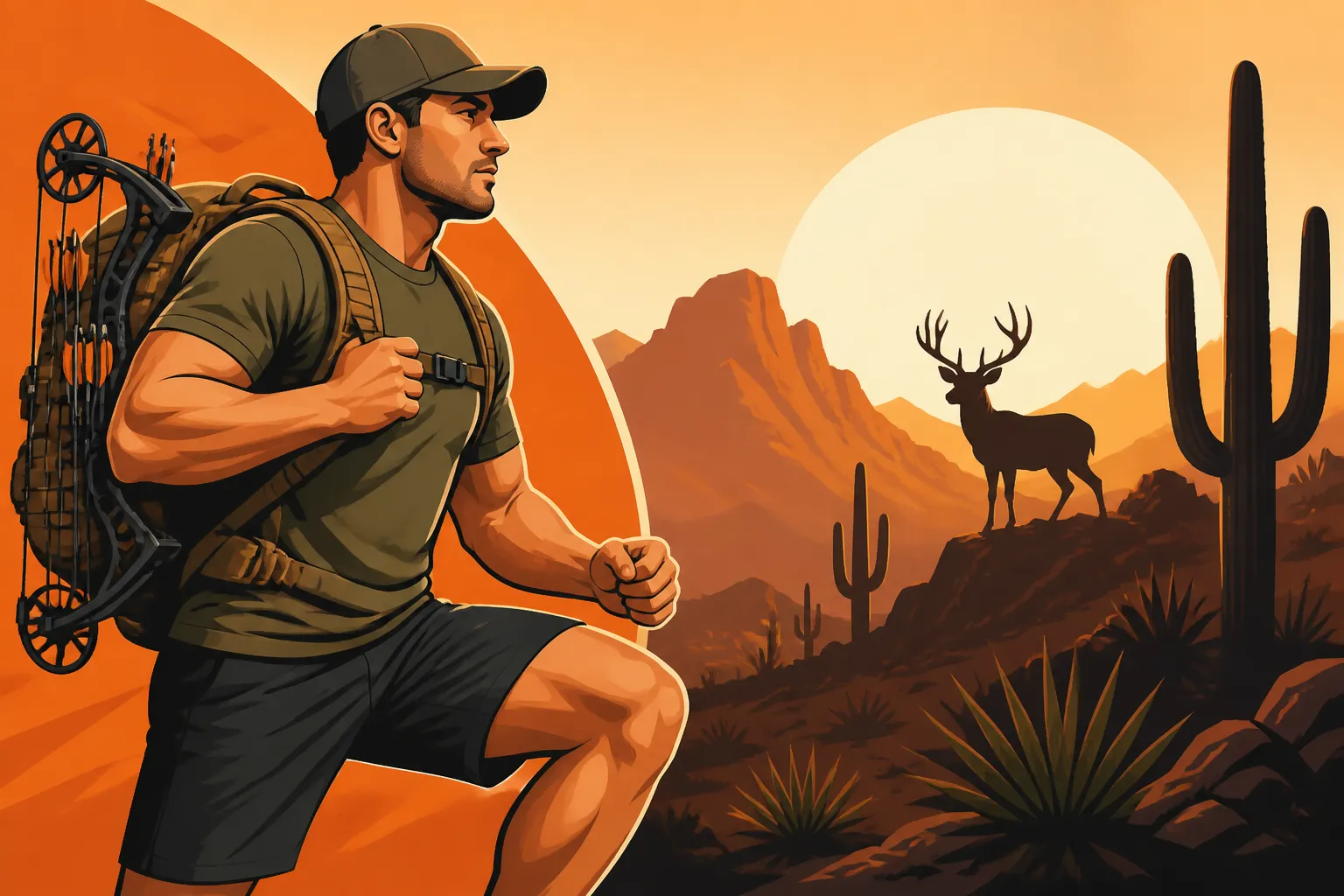
Preparing Physically for a Desert Hunt
You've finally secured that hard-won Arizona desert tag, or perhaps you're planning for the grueling but rewarding over-the-counter archery deer season. It's easy to look at the vast, open spaces and think you're prepared if you're regularly active, but the unique challenges of Arizona's rugged, often scorching desert landscapes demand a very specific kind of physical readiness. Underestimate the brutal sun, the relentless climbs, or the sheer distances, and you'll find your dream hunt quickly becomes a test of survival. This comprehensive guide will equip you with the practical strategies and realistic expectations needed to physically prepare for an Arizona desert hunt, ensuring you can chase game effectively and enjoy every moment in this incredible environment.
Cultivating a Desert-Ready Engine: Cardiovascular Endurance is Key
When you picture hunting, you might think of bursts of activity, but the reality of a desert hunt, especially for species like Coues deer or javelina, often involves long hours of slow, deliberate movement, followed by periods of intense exertion. The sheer scale of the landscape means covering ground is paramount, and doing so efficiently under the Arizona sun is a major physical demand. It's not just about being able to run; it's about being able to hike uphill for an hour with a pack, then glass for another two, and repeat that cycle for days on end. Your cardiovascular system needs to be a well-oiled machine, capable of sustained effort without burning out.
Many hunters make the mistake of focusing solely on heavy lifting or short, high-intensity workouts. While those have their place, they don't mimic the real demands of traversing units like 21 or the Sky Islands where every foot of elevation gain feels earned. You'll be dealing with steep, rocky ascents and descents, often off-trail, all while carrying your optics, water, and emergency gear. If you're out there chasing a trophy or just trying to get to a prime glassing point before dawn, you don't want your lungs screaming at you or your heart pounding out of your chest before you even spot your quarry. This is where consistent, moderate-intensity cardio becomes your best friend.
Think about incorporating long, sustained activities into your routine. Hiking with a weighted pack, even on local trails, is invaluable. Start with a lighter pack, perhaps 20-25 pounds, and gradually increase the weight and duration of your hikes. Aim for 60-90 minute sessions, several times a week. Stair climbing or using an incline treadmill can replicate the steep grades you'll encounter when Glassing Arizona's Sky Islands for Coues Deer. Cycling, swimming, or even brisk walking on varied terrain are also excellent options. The goal is to build your aerobic base, allowing your body to efficiently use oxygen and stave off fatigue. Remember, you're training for endurance, not a sprint. Consider checking out mapping tools from platforms like GoHunt that can show you the specific elevation changes in your chosen unit, helping you tailor your training to the actual terrain.
Strength and Stability for Uneven Ground and Heavy Packs
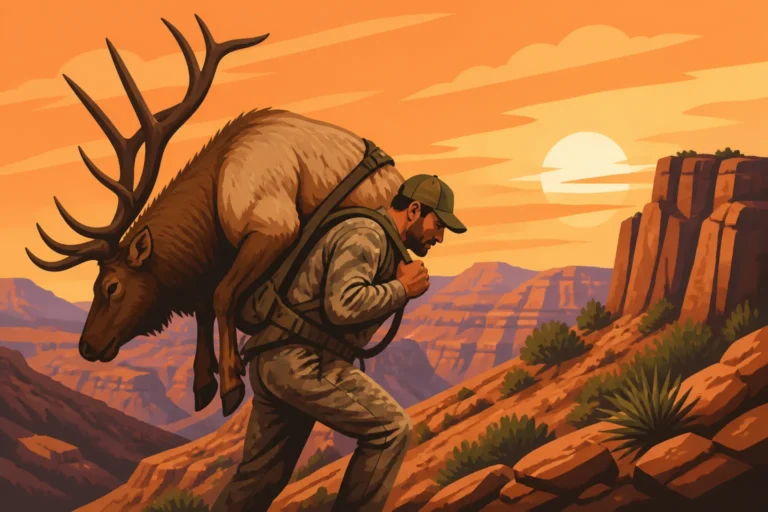
Beyond just being able to hike, you need the strength and stability to navigate unforgiving terrain while staying safe and protecting yourself from injury. The desert floor is rarely flat and manicured; it's a chaotic mix of loose rock, thorny brush, washouts, and hidden holes. Carrying a rifle or bow, a day pack, and potentially packing out game means your core, legs, and back need to be robust. A weak core can lead to back pain on long stalks or glassing sessions, while weak ankles are an open invitation for a nasty sprain miles from the nearest road.
Focus on functional strength training that mimics real-world movements you'll perform while hunting. Squats, lunges, and deadlifts are fundamental for building leg and back strength, crucial for climbing and packing. Incorporate unilateral movements, like single-leg Romanian deadlifts or step-ups, to improve balance and strengthen individual legs, which is vital when navigating uneven ground. Your core isn't just your abs; it's the entire musculature around your torso that stabilizes your spine. Planks, side planks, and bird-dog exercises are excellent for building this foundational strength. Don't forget your shoulders and upper back – drawing a bow or holding binoculars steady for extended periods requires surprising strength. Rows, pull-ups, and overhead presses can help.
Stability is just as important as raw strength. Incorporate exercises that challenge your balance, such as standing on one leg while performing bicep curls, or using a wobble board. Ankle strengthening exercises, like calf raises and ankle rotations, are also critical. Imagine carefully picking your way down a steep, rocky canyon side in Unit 23, and you'll understand why strong, stable ankles are non-negotiable. Building a comprehensive practice routine before opener will include these elements, ensuring you’re ready to traverse any obstacle the Arizona wilderness throws at you. For those really focusing on their chosen unit, tools like GoHunt provide detailed topographic maps which can show you just how rugged an area truly is, helping you target specific muscle groups in your training.
Mastering Hydration and Heat Acclimatization
Arizona's heat is legendary, and it's not something you can just "power through." Dehydration and heat-related illnesses are serious risks, especially during early archery seasons or late-season desert hunts when temperatures can still soar into the triple digits. Heat Management on an Arizona Early Season Hunt is not just a suggestion, it's a survival imperative. Your body needs to be able to handle extreme temperatures efficiently, and that starts long before you step foot in the desert.
Hydration Strategies:
- Pre-hydration is critical: Start hydrating days before your hunt, not just the morning of. Drink plenty of water and electrolytes.
- Electrolyte balance: Water alone isn't enough in the desert. You'll sweat out essential salts. Incorporate electrolyte drinks, powders, or supplements. Brands like Liquid IV or Nuun can be lifesavers. Aim for a good balance of sodium, potassium, and magnesium.
- Constant intake: Don't wait until you're thirsty. Sip water and electrolytes regularly throughout the day. Set an alarm on your watch if you need a reminder.
- Water sources: Always carry more water than you think you'll need. Understand that Finding Water in Arizona's Dry Country is often a challenge, so personal carry is key. A good rule of thumb is at least 1 liter per hour of strenuous activity in the heat, though this can vary wildly.
- Packing a water filter/purifier: Even if you plan to carry all your water, a compact filter like a Sawyer Squeeze or Katadyn BeFree can be a literal lifesaver if you unexpectedly run low and find a questionable source.
Heat Acclimatization:
This isn't about toughing it out; it's about physiologically adapting your body to perform better in the heat. It can reduce your core body temperature, lower your heart rate, and improve sweat efficiency.
- Controlled heat exposure: For weeks leading up to your hunt, spend time in environments hotter than you're used to. This could be a sauna, hot tub, or even just exercising in warmer clothing (safely, of course).
- Exercise in the heat: If possible and safe, perform some of your training hikes during the hottest parts of the day, again, being mindful of your limits and having plenty of water.
- Gradual increase: Don't shock your system. Start with short exposures and gradually increase duration and intensity.
- Listen to your body: Heatstroke is no joke. If you feel dizzy, nauseous, or excessively fatigued, stop immediately and cool down.
A good hydration strategy, combined with proper heat acclimatization, will be the difference between a productive day in the field and a miserable retreat back to camp. When you're Water You Must Carry on a Day Hunt, every ounce counts, so effective hydration allows you to carry less while performing better.
Nourishing Your Body and Caring for Your Feet
Your body is your primary tool in the backcountry, and just like any tool, it needs proper fuel and maintenance. A desert hunt can burn thousands of calories a day, and neglecting your nutritional intake will lead to bonking, irritability, and poor decision-making. Simultaneously, your feet are your transportation, and neglecting them is arguably the quickest way to end a hunt prematurely.
Fueling Your Body for Peak Performance
- Balanced Diet Pre-Hunt: Don't wait until the last minute. In the weeks leading up to your hunt, focus on a balanced diet rich in lean proteins, complex carbohydrates, and healthy fats. This builds up your energy reserves.
- On-Hunt Nutrition: Pack calorie-dense, easy-to-digest foods that don't require cooking or excessive preparation.
- Breakfast: A good, hearty breakfast with complex carbs (oatmeal, bagels) and protein (jerky, hard-boiled eggs) will set the tone for the day.
- Mid-day: Nuts, dried fruit, energy bars (like Clif Bars or RxBars), and jerky are excellent for sustained energy. Don't forget electrolyte chews or gels for quick boosts.
- Dinner: If you're backpacking, dehydrated meals are light and convenient. If car camping, fresh meals can be a welcome luxury. Aim for a good mix of carbs for energy replenishment and protein for muscle repair.
- Smart Snacking: Keep snacks easily accessible in your day pack. Small, frequent snacks are often better than one massive meal, especially when you're exerting yourself.
- Avoid Sugar Crashes: While quick sugars can provide a temporary boost, rely more on complex carbohydrates and healthy fats for sustained energy to avoid drastic energy swings.
Footwear and Blister Prevention
Your feet will take a beating on a desert hunt. Rocky terrain, long miles, and sometimes prickly vegetation demand robust footwear and meticulous care.
- Boots: Invest in high-quality, broken-in hiking boots designed for rugged terrain. Waterproofing can be a double-edged sword in the desert – it keeps water out, but also keeps sweat in. Many hunters prefer highly breathable, non-waterproof boots for arid environments. Ensure they have excellent ankle support and a stiff sole. Choosing Boots for Rocky Desert Ground can make or break your hunt, so don't skimp here.
- Socks: This is crucial. Wear synthetic or merino wool socks that wick moisture away from your skin. Avoid cotton at all costs; it holds moisture and leads to blisters. A common and effective strategy is a thin liner sock underneath a thicker hiking sock.
- Blister Prevention Kit: This should be in your day pack before you need it. Include:
- Moleskin or Leukotape: Apply at the first sign of a hot spot.
- Antibiotic ointment: For any blisters that do form.
- Small scissors or knife: To cut tape/moleskin.
- Needle and thread: For draining large blisters (sterilize carefully!).
- Foot Care Routine:
- Daily Inspection: Check your feet every evening for hot spots, redness, or broken skin. Address issues immediately.
- Keep Them Dry: If your feet get wet, change your socks as soon as possible. Carry multiple pairs.
- Air Them Out: When back in camp, take your boots and socks off and let your feet breathe.
Here’s a simple table to summarize key physical preparation elements:
| Training Focus | Key Activities | Why it Matters | Weekly Goal |
|---|---|---|---|
| Cardiovascular | Weighted Ruck/Hiking, Stair Climber, Incline Treadmill | Sustain effort, cover ground, manage elevation changes, resist fatigue | 3-4 sessions, 60-90 min each |
| Strength & Stability | Squats, Lunges, Deadlifts, Planks, Single-Leg RDLs, Ankle Rotations | Navigate uneven terrain, carry heavy loads, prevent injury, improve balance | 2-3 sessions, full body |
| Hydration/Heat Acclimatization | Consistent Water/Electrolyte Intake, Controlled Heat Exposure, Exercise in Heat | Prevent dehydration, optimize body's response to extreme temperatures, maintain cognitive function | Daily hydration, 3-5 heat sessions (20-60 min) |
| Nutrition/Foot Care | Balanced Diet, Calorie-Dense Snacks, Quality Boots & Socks, Blister Kit | Sustain energy, fuel recovery, prevent breakdown, keep feet healthy | Daily attention |
Remember, your preparation isn't just about bagging an animal; it's about making your entire experience in the Arizona backcountry safer and more enjoyable. The desert will test you, but with smart physical training, you'll be ready to meet the challenge head-on. As you continue to scout your unit using resources like GoHunt and plan your approach by Reading Terrain Before You Pick a Camp, you'll gain an even clearer picture of the physical demands that lie ahead, allowing you to fine-tune your training program for maximum effectiveness.
Disclaimer
The information provided in this guide is for general informational purposes only and does not constitute professional medical or fitness advice. Always consult with a qualified healthcare professional or certified trainer before starting any new exercise or nutrition program, especially if you have pre-existing health conditions. Hunting in the desert carries inherent risks, and personal safety should always be your top priority.