Early Against Late Arizona Elk Rifle Hunts
Choosing the right time to pursue an Arizona elk with a rifle tag can feel like a high-stakes gamble, especially when you consider the incredible effort and years of applying it often takes to draw one of these coveted tags. Many hunters find themselves agonizing over the pros and cons of an early season hunt versus a late season hunt, wondering which window offers the best chance at success, a more enjoyable experience, or a better opportunity for a specific type of hunting. This guide aims to clear up that confusion, offering a deep dive into the unique characteristics, advantages, and challenges of both early and late Arizona rifle elk seasons.
Understanding Arizona's Elk Rifle Season Structure
Arizona Game and Fish Department (AZGFD) carefully crafts its elk seasons to manage herd health, distribute hunting pressure, and offer diverse opportunities across varying ecological conditions. This usually results in distinct early and late rifle seasons for elk, each with its own rhythm and set of expectations. It's not just about the calendar date; it's about how that date influences everything from elk behavior to the weather you'll encounter.
The Rationale Behind Early Season Hunts
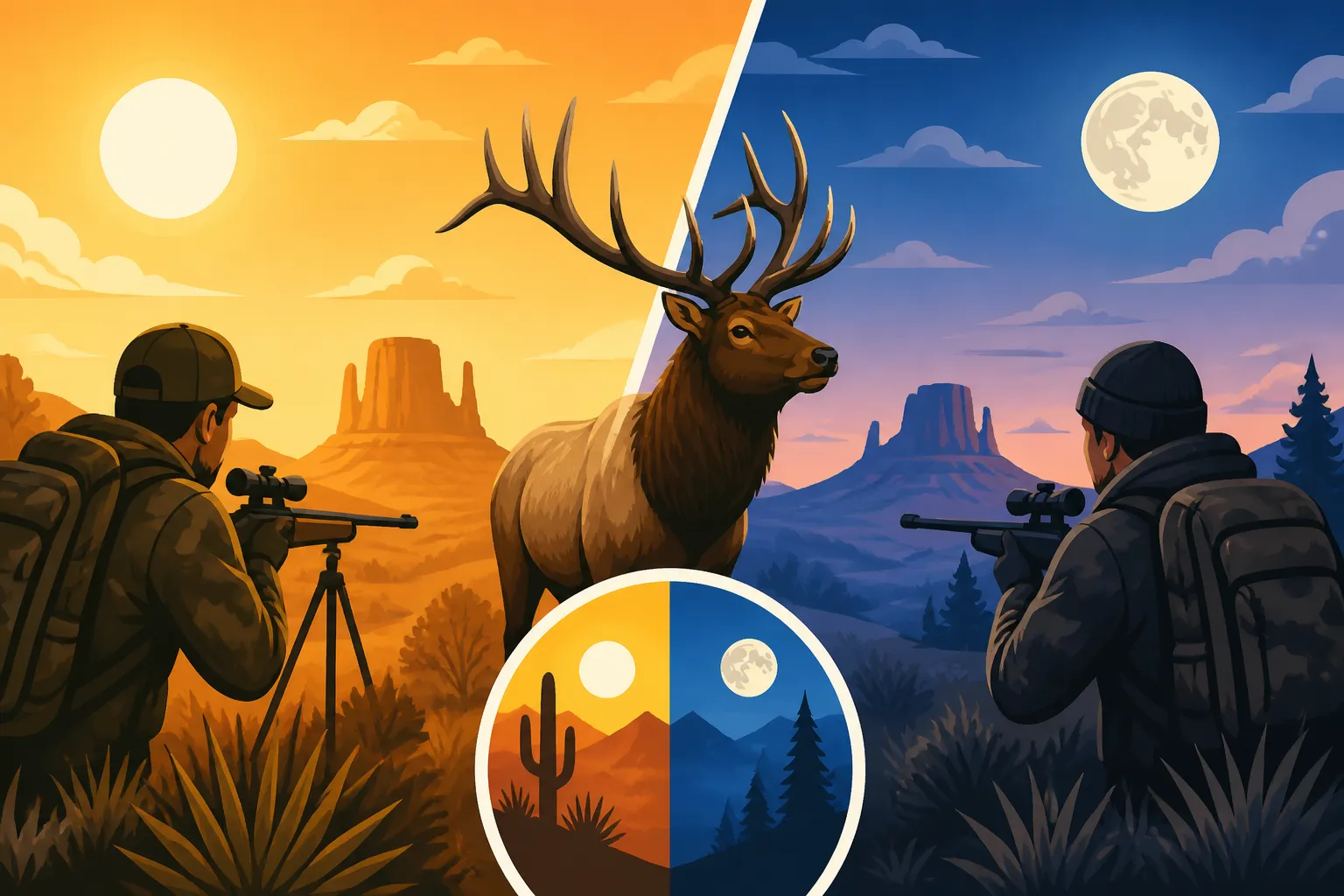
Early rifle elk hunts typically fall in late September or early October. This timing often places them either right at the tail end of the archery rut or just as the peak of the rifle rut is kicking off, depending on the specific unit and year. The AZGFD schedules these hunts to capitalize on elk activity when bulls are still vocal and relatively visible, offering an exciting, if often challenging, experience. The idea is to spread out the pressure from the intense rut activity seen during archery season and provide rifle hunters a chance to interact with bugling bulls. However, this early timing also means contending with warmer temperatures and potentially more spread-out elk as they haven't yet felt the full pressure of winter or intensive hunting.
The Characteristics of Late Season Hunts
Late rifle elk hunts, on the other hand, are generally scheduled from late November into December. By this point, the rut is long over, and elk behavior has shifted dramatically. These hunts are designed to target elk as they move into their wintering grounds, often at lower elevations, or as they consolidate into larger herds to conserve energy and find food sources. The colder weather and potential for snow during these late seasons play a huge role, impacting both hunter access and elk movement. While the bugling might be gone, the concentration of elk in specific areas and the opportunity to track them in fresh snow present a different, yet equally rewarding, set of challenges and advantages.
Navigating Early Rifle Elk Hunts
Drawing an early rifle elk tag in Arizona is often a dream come true for many. The allure of bugling bulls and crisp, pre-winter mornings can be incredibly strong, but it's important to understand what you're signing up for.
Advantages of an Early Rifle Elk Tag
One of the most significant draws of an early rifle elk tag is the potential for rut activity. Depending on the exact timing, you might encounter bulls still actively bugling and gathering cows. This vocalization can be a game-changer, allowing hunters to locate and potentially call in elk. The energy of the rut, with its thrilling sounds and heightened activity, is a unique experience. Additionally, early season weather, while warm, can also be quite pleasant, with warm days and cool nights, making for comfortable camping and hiking. Access to higher elevation areas is typically unimpeded by snow, allowing hunters to cover more ground and explore a wider range of habitat. You'll often find elk still patterned in their summer feeding areas before heavy hunting pressure or cold weather pushes them elsewhere.
Key Challenges and Considerations
While exciting, early rifle hunts come with their own set of hurdles. One of the biggest challenges is hunter pressure. Because of the allure of the rut, these hunts tend to draw more hunters, leading to more competition for prime spots and spookier elk. Additionally, warmer temperatures, especially in the desert units or during unseasonably warm years, can make Heat Management on an Arizona Early Season Hunt a critical concern. Proper Field Dressing in Desert Heat and prompt meat care are absolutely paramount to prevent spoilage. Elk during this period can also be more scattered, making them harder to locate without the aid of consistent bugling. While some vocalization might occur, it's not always a guarantee, and once a bull has been pressured, he might go silent, making traditional calling tactics less effective.
Strategies for Late Rifle Elk Hunts
A late rifle elk tag might not offer the same bugling spectacle, but it opens up a completely different and often highly effective hunting experience. Many experienced Arizona elk hunters actually prefer these later seasons for their unique dynamics.
Benefits of a Late Rifle Elk Tag
The primary advantage of a late rifle elk tag is the weather. Colder temperatures and, critically, snow, can transform the hunting landscape. Snow acts as a natural tracker, revealing fresh elk sign and movement patterns that would otherwise be invisible. It also tends to concentrate elk, pushing them from higher, snow-bound elevations into lower wintering grounds where food is more accessible. This concentration means that if you find one, you're more likely to find many. The cold weather also greatly aids in meat preservation, making Getting Meat Cooled on an Early Season Hunt less of a frantic rush. Hunter pressure can also be lower in some late seasons, as the harsh conditions deter some, offering a more solitary experience. Learning to interpret Reading Fresh Elk Sign in Ponderosa Timber in a snowy environment becomes an invaluable skill.
Obstacles and Tactical Approaches
Late season hunts are not without their difficulties. Deep snow can severely limit access, making some forest roads impassable and requiring hunters to hike farther or rely on snowmobiles in legal areas. This is where understanding Winter Access to Northern Arizona Units becomes crucial for pre-hunt planning. The harsh cold demands robust layering and preparedness for extreme weather, potentially including blizzards. Elk, having survived previous hunting pressure, tend to be warier and less vocal. Your approach needs to shift from calling to strategic glassing, tracking, and understanding winter feeding patterns. Glassing From a Vehicle Along a Forest Road can be a legitimate tactic in late season as elk often feed closer to roads where snow has melted or plowed. Successfully hunting late season means becoming intimately familiar with a unit's winter range and understanding how elk use terrain to find food and shelter in harsh conditions. Consulting resources like Reading a Herd Unit Management Plan can provide invaluable insights into these migration patterns.
Comparing Early vs. Late Season: A Tactical Breakdown
The choice between an early or late rifle elk hunt in Arizona boils down to a fundamental difference in hunting styles, environmental conditions, and elk behavior. Let's break down the core distinctions.
Hunter Density and Pressure
Early season hunts, particularly those overlapping with the tail end of the rut, often see higher concentrations of hunters. The prospect of hearing a bull bugle drives many to apply for these tags, leading to more competition in the field. This increased pressure can push elk into thicker cover or onto private land, making them harder to find on public ground. Late season hunts, while still popular, often experience a slight dip in hunter numbers due to the more challenging weather conditions. Those who do venture out are often dedicated and experienced, but the sheer volume might be less than in early seasons.
Elk Behavior and Patterning
This is arguably the most significant differentiator. In the early season, especially during the first rifle hunts, elk are still influenced by the rut. Bulls are often seeking cows, displaying territorial behavior, and can be vocal. This means you might find them in areas associated with breeding activity, often higher up or along timbered ridges. Locating Where Elk Water During Early Archery can also provide clues for rifle hunters in the early season. Post-rut in the late season, elk switch to survival mode. Their focus shifts entirely to feeding and conserving energy. They often consolidate into larger herds, particularly cows and calves, with bulls either solitary or forming bachelor groups. Their patterns become highly predictable around food sources and sheltered bedding areas, especially with snow on the ground. Hunters need to adjust from seeking vocal bulls to glassing large areas and tracking feeding sign.
Weather and Terrain Impact
Early season hunts typically feature milder weather. While days can be warm, especially in the lower-elevation desert units, extreme cold or snow is rare. This makes for easier hiking and less demanding gear, but also poses challenges for meat preservation. Terrain access is generally open. Late season hunts are defined by cold, often snowy conditions. This presents challenges in terms of personal comfort, vehicle access, and navigation. However, the snow also provides tracking opportunities and can push elk into more accessible areas if you're prepared. You'll need to be ready for mud, ice, and potentially deep drifts.
Here's a quick comparison to summarize these points:
| Feature | Early Rifle Elk Hunts (Late Sep – Early Oct) | Late Rifle Elk Hunts (Late Nov – Dec) |
|---|---|---|
| Primary Elk Behavior | Pre-rut/Early rut, vocalization likely | Post-rut, focused on feeding & wintering |
| Hunter Pressure | Generally higher, especially during rut peak | Often lower, especially in harsh conditions |
| Weather Conditions | Warmer days, cool nights, minimal snow | Cold, potential for deep snow, ice, wind |
| Terrain Access | Generally open, higher elevations accessible | Can be limited by snow/mud, lower elevations |
| Meat Preservation | Critical challenge due to heat | Easier due to cold temperatures |
| Tracking Conditions | Difficult on dry ground | Excellent with snow on the ground |
| Scouting Focus | Rutting areas, water sources, summer range | Wintering grounds, food sources, sheltered areas |
| Key Advantage | Potential for bugling, active elk | Concentrated elk, tracking in snow |
Making Your Decision: Factors to Weigh
Choosing between an early and a late Arizona rifle elk hunt isn't just about what's available; it's about what aligns with your hunting style, physical capabilities, and expectations.
Personal Preference and Experience
Consider your past hunting experiences. Do you thrive on the adrenaline of bugling bulls and the challenge of calling them in? An early season tag might be your ideal. Are you a patient hunter who enjoys long hours behind optics, systematically glassing winter range, and interpreting tracks in the snow? A late season hunt could be more rewarding. Your physical condition also plays a role; early season heat can be grueling, but so can slogging through deep snow and extreme cold in the late season. If you prefer milder conditions and active calling, early might be for you. If you appreciate the quiet solitude of a snowy landscape and enjoy strategic tracking, late season could be a better fit.
Unit-Specific Considerations
Not all units are created equal, and some units inherently favor one season over another. For example, a high-elevation unit that gets pummeled with snow early might be nearly inaccessible in a late season, concentrating elk at lower, more accessible elevations. Conversely, a unit with excellent rut activity in September might be quiet and difficult in December. It's crucial to research the specific unit you're applying for. Understand its terrain, typical snow patterns, and how elk use that country throughout the year. Resources like Arizona Elk Hunt Codes Explained can give you a starting point for understanding hunt dates and locations, but digging deeper into specific unit reports and maps, potentially using tools that show Where Arizona Publishes Unit Access Maps, is vital.
Drawing Odds and Application Strategy
The reality for many Arizona elk hunters is that drawing a tag is the hardest part. Often, early season rifle tags, especially those that fall during the peak rut, have significantly tougher drawing odds than late season tags. This is where strategic application comes in. If your primary goal is simply to hunt elk in Arizona, regardless of the rut, applying for a late season tag might offer a higher chance of success in the draw. Services like GoHunt are invaluable for analyzing draw odds and understanding which tags are statistically easier or harder to acquire. Before committing to a season preference, it's wise to review Checking Arizona Draw Odds Before You Apply to set realistic expectations. Once the draw results are in, and When Arizona Posts Draw Results is always an anxious time, you'll know which season you've secured. If you’re utilizing the A Walkthrough of the Arizona Hunt Portal for your applications, make sure you understand the preference point system and how it might impact your choices for early vs. late tags. GoHunt offers detailed breakdowns of these draw statistics, helping you make an informed decision that balances your dream hunt with your chances of actually drawing a tag.
Essential Gear for Either Season
Regardless of whether you draw an early or late season tag, being properly equipped is non-negotiable for an Arizona elk hunt. However, the specific adaptations you make to your gear list will vary significantly between the two periods.
Early Season Gear Adaptations
For an early season hunt, your focus should be on staying cool, hydrated, and protecting meat. Lightweight, breathable clothing that offers good sun protection is key. Think synthetics or merino wool that wick moisture effectively. You'll want to carry more water than you think you need, possibly even a water filter or purification tablets for extended trips. A good quality cooler, plenty of ice, and game bags are absolute necessities, especially if you're hunting in warmer units. Footwear should be breathable but still offer support for rocky terrain. Consider a backpack with good ventilation to prevent overheating.
Late Season Gear Adaptations
Late season hunting demands robust cold-weather gear. Layering is critical, allowing you to adapt to fluctuating temperatures throughout the day and with exertion. A high-quality base layer, insulating mid-layers, and a waterproof/windproof outer shell are essential. Don't forget insulated gloves, a warm hat, and a neck gaiter. Layering for Rim Country Temperature Swings is a skill you'll need to master. Footwear must be waterproof, insulated, and provide excellent traction for snow and ice. Consider gaiters to keep snow out of your boots. For difficult terrain, crampons or microspikes might even be a good idea. When Choosing Boots for Rocky Desert Ground, ensure they're rated for extreme cold and wet conditions. You might also want to pack a small shovel for clearing snow or digging out a bogged-down vehicle.
Disclaimer
The information provided in this guide is for general informational purposes only and does not constitute legal advice. Hunting regulations, seasons, and access rules can change frequently. Always consult the most current Arizona Game and Fish Department regulations and official sources before planning any hunting trip. It is the hunter's responsibility to know and abide by all applicable laws and regulations.