Arizona Turkey Season Dates in Spring
Trying to figure out the exact dates for Arizona's spring turkey season can feel like a real puzzle, especially when you're excitedly planning your hunt and trying to line up time off work. The regulations can shift slightly year to year, and with different hunt structures and species, it’s easy to get turned around. This comprehensive guide is here to untangle all that complexity, helping you understand the typical season dates, application processes, and critical regulations so you can confidently prepare for your next gobbler adventure.
Understanding Arizona's Spring Turkey Season Structure
Arizona is a truly special place for turkey hunters, offering opportunities for both Merriam's and the more elusive Gould's turkeys. However, the exact timing and availability of these hunts are strictly managed through a draw system to maintain healthy populations. You won't just find a simple "open season" like in some other states; it's a bit more nuanced here.
General Season Dates and Zones
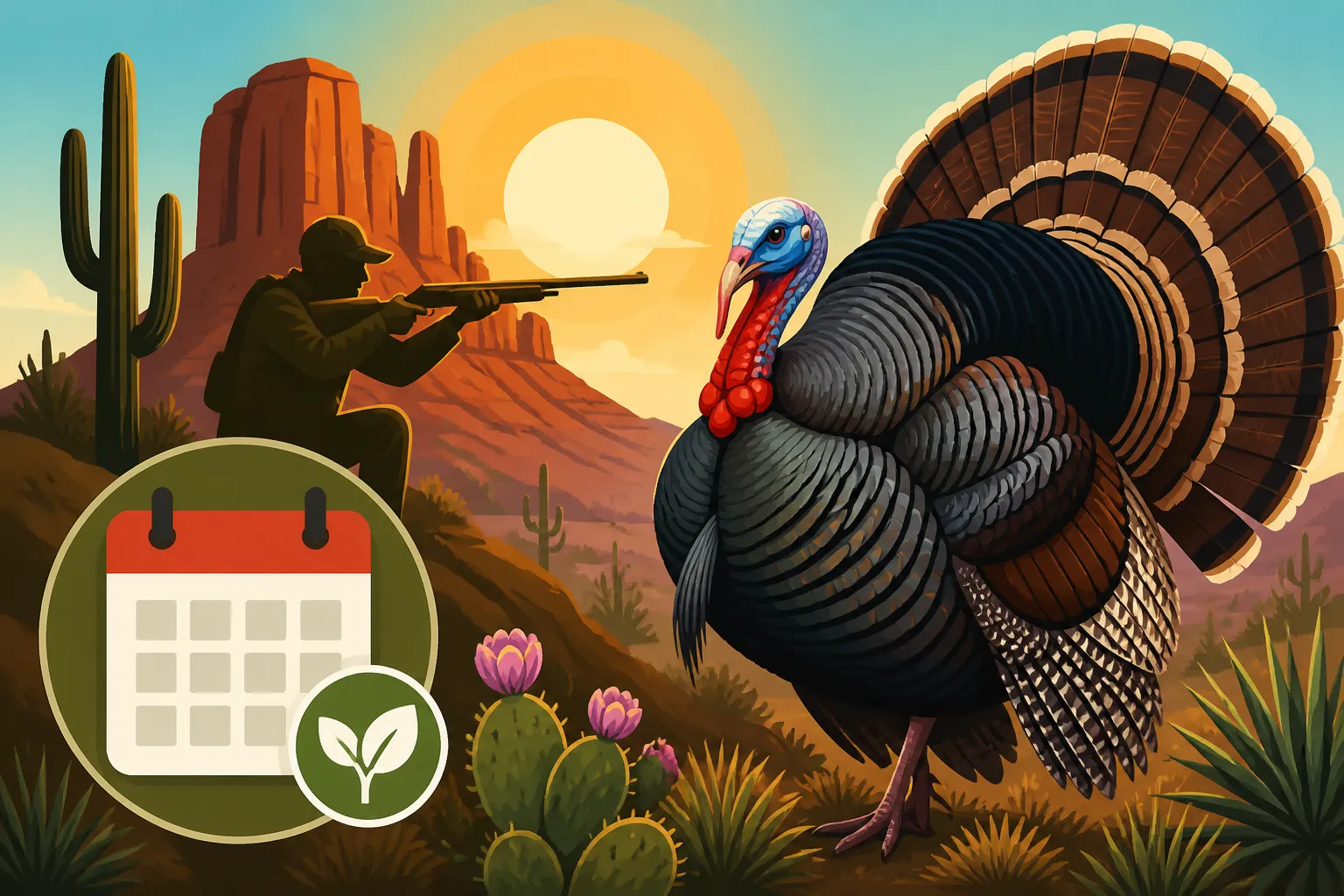
The general spring turkey season in Arizona typically kicks off in late April and runs through mid-May, sometimes extending a bit further depending on the specific hunt code and unit. While the vast majority of hunters are pursuing Merriam's turkeys, which are found in the ponderosa pine forests across the state's high country, there are also very limited opportunities for Gould's turkeys in the southeastern Sky Islands. These two subspecies often have slightly different hunting zones or allocation methods due to their distinct habitats and population sizes.
For Merriam's, the season is usually broken into several periods, allowing hunters to apply for different weeks within the broader spring window. This staggered approach helps distribute hunting pressure and offers more chances for success across the state's prime turkey habitat, such as units along the Mogollon Rim, the White Mountains, and portions of the Kaibab Plateau. The Arizona Game and Fish Department (AZGFD) publishes these specific hunt dates and units well in advance of the application period. It's crucial to consult the most current regulations booklet, or even use a service like GoHunt, to ensure you're looking at the right dates for the year you plan to hunt, as they can fluctuate slightly. You'll find that these season windows are carefully designed to coincide with the peak breeding and gobbling activity of the birds, maximizing the hunter's chance for an exciting encounter. Understanding the nuances of Arizona Turkey Season Windows is key to successful planning.
Limited Opportunity Hunts and Special Regulations
Beyond the general draw hunts, Arizona also offers specific limited opportunity hunts, often geared towards youth or hunters with specific permits. For instance, there might be dedicated junior-only hunts that occur slightly earlier or later than the general season, providing a fantastic environment for new hunters to learn the ropes. These hunts often have their own unique draw codes and application requirements.
Gould's turkeys, on the other hand, are a different ball game entirely. These magnificent birds, native to the Sky Islands of southeastern Arizona, are managed with extreme care due to their limited numbers. Most Gould's turkey tags are allocated through special permits, sometimes through conservation organizations or even auction, and drawing one through the general AZGFD draw is exceptionally rare. The season for Gould's is typically very short and unit-specific, reflecting the delicate balance of conservation and hunting opportunity. If you're hoping to chase a Gould's, be prepared for a long wait, a potentially high price tag, or a dedicated effort to acquire one of these coveted tags. Always double-check the "special regulations" section of the current hunting proclamation for any specific unit rules, as certain areas might have unique restrictions on access, weapon types, or even how you tag your bird. These might include requirements for Arizona Turkey Hunting Units.
Applying for a Spring Turkey Tag in Arizona
Unlike some states where you can simply buy an over-the-counter (OTC) turkey tag and head afield, Arizona's spring turkey hunting is predominantly a controlled draw system. This means you'll need to apply for a permit-tag well in advance of the actual season. Missing the application deadlines is a common frustration, but with a bit of planning, it's easily avoidable.
The Draw System and Application Process
Arizona manages its big game hunts, including spring turkey, through a structured draw system. This process ensures that hunter numbers are balanced with game populations, preventing overharvest and maintaining quality hunting experiences. For spring turkey, the application period typically runs in the fall, usually aligning with the general deer, sheep, and bison draw cycle, though it's always best to verify the exact dates. You'll submit your application online through the Arizona Game and Fish Department portal, selecting your preferred hunt codes, which dictate the specific unit, season dates, and weapon type.
The draw assigns tags based on a bonus point system, where applicants accumulate points for each year they apply and don't draw. While turkey doesn't build points as quickly or have the same demand as elk, having a few points certainly doesn't hurt. Non-residents also have specific quotas, so understanding the odds is paramount. Resources like GoHunt provide excellent tools for analyzing draw odds, giving you a better idea of your chances in particular units. They break down historical data, helping you make informed decisions when applying. This is especially useful if you're looking into units with populations of Merriam's Turkey Through Arizona's High Country or the rarer Gould's Turkey in Southern Arizona. Remember, even if you apply for multiple species, Arizona Runs Two Draw Cycles, February and June, so pay close attention to which cycle your desired turkey hunt falls into.
Over-the-Counter Tags and Leftovers
The idea of simply walking into a sporting goods store and purchasing an Arizona spring turkey tag on the spot is largely a romantic notion for most of the state's prime units. The demand for turkey tags generally outweighs the supply, particularly for the more accessible or well-known areas. However, there are occasionally exceptions.
Sometimes, after the main draw is complete, a very limited number of "leftover" or "first-come, first-served" tags might become available for certain units. These are typically for units that are harder to access, have lower turkey densities, or are in less popular regions. These tags are usually sold online or at AZGFD offices on a specific date, and they go quickly. If you're banking on an OTC tag, you'll need to be incredibly fast and flexible with your unit choice. Furthermore, these OTC opportunities usually don't apply to the highly sought-after Gould's turkeys. For that, you're almost always looking at a draw, auction, or special permit. Keeping a close eye on the AZGFD website and checking draw results immediately is your best bet if you're hoping for a last-minute opportunity. Using a platform like GoHunt can also alert you to these leftover opportunities, as they track such releases closely, giving you a competitive edge. It pays to check the Reading Arizona Hunt Permit Application Data after the main draw.
Key Regulations and Ethical Hunting Practices for Spring Turkey
Hunting ethically and within the bounds of the law is paramount for a safe and successful spring turkey hunt in Arizona. The state has specific rules regarding weapon types, bag limits, and general conduct in the field, all designed to ensure fair chase and species conservation.
Weapon Restrictions and Bag Limits
For spring turkey in Arizona, hunters typically have several legal weapon choices:
- Shotguns: These are the most common and are legal using shot sizes No. 2 or smaller. You can use lead, bismuth, or other approved non-toxic shot.
- Archery Equipment: Traditional bows, recurves, and compound bows are legal. Broadheads must be fixed or mechanical, with a minimum cutting diameter of 7/8 inch. Remember, in Arizona, crossbows have some specific regulations regarding their use, and they might not be legal for general archery-only seasons for all species. Always double-check current regulations for crossbow specifics.
- Muzzleloaders: Certain muzzleloaders are also permitted, but verify the specific projectile and powder restrictions in the current regulations.
Regardless of your chosen weapon, the spring turkey bag limit in Arizona is generally one bearded turkey per calendar year. This means you can only harvest one tom or jake with a visible beard. This strict limit helps manage the population, particularly adult gobblers, ensuring a healthy breeding population for future seasons. It’s also critical to understand Arizona Legal Shooting Hours for Big Game to ensure you are only hunting during the specified times. Hunting from a vehicle is strictly prohibited, and you must always ensure a safe backdrop before taking a shot.
Scouting and Locator Calls
Effective scouting and calling are the cornerstones of a successful spring turkey hunt. You can't just show up on opening morning and expect to find birds reliably, especially in Arizona's vast and often rugged terrain. Pre-season scouting, either in person or through e-scouting tools, is invaluable. Look for areas with diverse habitat: roosting trees (often tall ponderosas or sycamores near water), feeding areas (openings, grassy patches, oak flats), and travel corridors. Fresh tracks, droppings, and shed feathers are clear signs of turkey activity. Scouting an Arizona Unit Before the February Deadline is a great way to get a head start.
Locator calls play a crucial role in finding turkeys, especially at dawn and dusk. Owl hoots, coyote howls, and crow calls can often provoke a shock gobble from a tom, revealing his location without alerting him to your presence as a hunter. Once you've located a bird, moving into position silently and setting up your decoys (if using them) becomes critical. Knowing when and how to use various turkey calls – yelps, clucks, purrs, and cutts – to mimic hen vocalizations and draw a gobbler into range takes practice and patience. Remember, Baiting Rules That Apply in Arizona are strict, so no artificial attractants or feed are allowed. Modern e-scouting applications, some of which are integrated into platforms like GoHunt, can help identify potential turkey habitat and access points from your couch, saving valuable time and boot leather.
Maximizing Your Spring Turkey Success in Arizona
Arizona offers a unique turkey hunting experience due to its diverse landscapes and the presence of two distinct subspecies. To really maximize your chances, it helps to understand the specific habitats and tailor your gear and approach accordingly.
Understanding Merriam's and Gould's Habitats
The primary focus for most Arizona spring turkey hunters is the Merriam's turkey. These birds thrive in the coniferous forests, primarily ponderosa pine, mixed conifer, and even some pinyon-juniper woodlands at higher elevations (typically 5,000 to 9,000 feet). Good Merriam's habitat will often include a mix of mature timber for roosting, open grassy areas or recent burns for feeding, and reliable water sources. Units on the Mogollon Rim, such as those near Payson, Flagstaff, and throughout the White Mountains, are classic Merriam's country. They are often less wary than their Eastern counterparts, but they still present a significant challenge in the vastness of the Arizona landscape. You'll often find them along canyon rims, in burn scars where new growth provides forage, or near perennial water sources.
Gould's turkeys, on the other hand, are exclusive to the "Sky Islands" of southeastern Arizona – isolated mountain ranges surrounded by desert. These habitats are characterized by oak woodlands, pine-oak forests, and riparian corridors, typically found at elevations between 3,500 to 8,000 feet. The Huachuca, Chiricahua, and Santa Rita Mountains are prime (but highly restricted) Gould's country. Their habitat is often steeper and more rugged, requiring a different level of physical preparation and navigation. Due to their limited range and population, opportunities to hunt Gould's are exceptionally rare and often involve specialized permits. If you're ever lucky enough to pursue a Gould's, expect a truly remote and physically demanding hunt in breathtaking country. Knowing where to find the birds is half the battle, and E-Scouting an Arizona Unit Before the Season can give you a powerful edge.
Gear Considerations for Arizona Spring Turkey
Beyond your chosen weapon, specific gear choices can significantly impact your comfort and success during an Arizona spring turkey hunt.
- Camouflage: Full camouflage, head-to-toe, is essential. The pattern should ideally match the spring woods you're hunting – patterns with greens, browns, and grays are ideal for the pine forests and oak woodlands. Don't forget a face mask or face paint and gloves to break up your human outline.
- Calls: A variety of calls is a must. Slate or pot calls, box calls, and diaphragms (mouth calls) all have their place. Locator calls (owl, crow, coyote) are invaluable for finding birds at distance. Practice with your calls well before the season to develop confidence and realistic sounds.
- Optics: Binoculars are crucial for glassing distant ridges and spotting subtle movements. A good quality 8x or 10x binocular will serve you well.
- Footwear: Sturdy, comfortable hiking boots are non-negotiable. Arizona terrain can be rugged, steep, and rocky, even in turkey country. Ensure your boots are broken in and offer good ankle support.
- Water and Hydration: This is Arizona, after all! Always carry more water than you think you'll need, especially on warmer spring days. A water filter or purification tablets can also be a lifesaver.
- Backpack: A comfortable daypack capable of carrying your calls, decoys, water, snacks, emergency kit, and any harvested bird is vital. Consider one with a frame or strong compression straps for carrying out your prize.
- Decoys: A hen decoy or a jake/hen combination can be highly effective, especially in more open terrain. They provide a visual focal point that can draw a tom into close range.
- Emergency Kit: Always pack a small first-aid kit, a headlamp, fire-starting materials, a knife, and a map/compass or GPS device. Cell service is unreliable in many remote hunting units. You can find useful information about Reading the Arizona Hunt Regulations Booklet for a full gear checklist specific to various regulations.
By understanding the seasonal windows, preparing for the draw, adhering to regulations, and equipping yourself properly, you'll be well on your way to experiencing the thrill of a spring turkey hunt in the beautiful state of Arizona.
Disclaimer
The information provided in this guide is for general informational purposes only and is subject to change. Hunting regulations, season dates, and unit boundaries are set by the Arizona Game and Fish Department and can vary year to year. It is the responsibility of every hunter to consult the most current official Arizona Hunting Regulations booklet or the AZGFD website before planning or engaging in any hunting activity. Failure to comply with regulations can result in penalties.