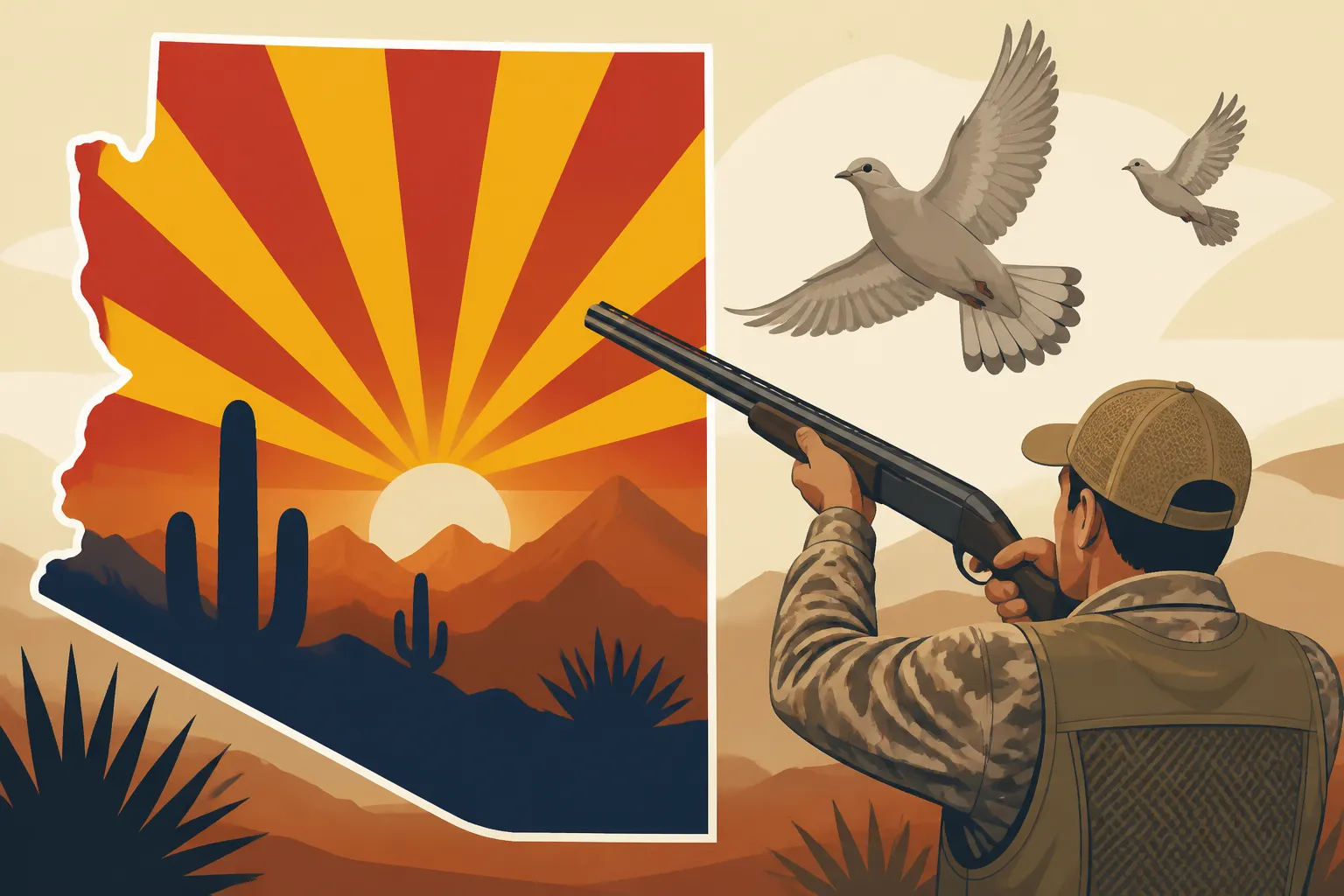
Arizona Dove Season Framework
Navigating the ins and outs of Arizona's dove hunting seasons can feel a bit like trying to hit a fast-flying bird – exhilarating but challenging if you don't know the flight path. Many hunters, especially those new to the state or just looking to brush up, often get tangled in the details of species-specific seasons, bag limits, and zones. This comprehensive guide is here to untangle all of that for you, providing a clear framework for understanding Arizona's dove hunting opportunities, from the scorching early openers to the cooler late-season pursuits.
Understanding Arizona's Dove Species and Their Seasons
Arizona is a fantastic place for dove hunting, primarily due to its healthy populations of two main species: Mourning Doves and White-winged Doves. While they both offer exciting wingshooting, they have distinct characteristics, habits, and, crucially, different season frameworks that hunters need to understand. Mixing them up can lead to a quick end to your hunt or, worse, a violation.
Mourning Doves: The Ubiquitous Desert Resident
Mourning doves are practically everywhere in Arizona, from the dense saguaro forests of the Sonoran Desert to the high country pines. They're recognized by their slender bodies, long pointed tails, and that distinctive melancholy cooing sound. These birds are migratory, but their numbers remain strong throughout the state, making them a consistent target for hunters. Their widespread presence means you're likely to encounter them in almost any suitable habitat, often feeding on seeds in agricultural fields, open desert flats, or along wash bottoms.
The season for Mourning Doves is typically longer and more liberal than for White-winged Doves, often opening earlier and extending into a later period. This longer season provides ample opportunity for hunters to get out, whether it's during the sweltering heat of early September or the crisp air of November. Because of their adaptable nature and broad distribution, Mourning Doves are often the backbone of many dove hunts across Arizona. Being able to correctly identify them in flight is paramount, as their bag limits and season dates can differ from their White-winged cousins.
White-Winged Doves: Sonoran Desert Icons
White-winged doves are truly a symbol of the Sonoran Desert, especially prevalent in the southern half of Arizona. These robust birds are easily identified by the bright white bar on their wings, visible both in flight and when perched. They are highly migratory, often traveling down to Mexico for the winter, and their arrival in Arizona in late spring signals the approach of the highly anticipated dove season. White-wings have a strong association with saguaro cacti, feeding heavily on their fruits during summer, but they also flock to agricultural areas, especially grain fields.
Their season is often shorter and more restrictive, especially during the early opener, reflecting their migratory patterns and conservation management. This shorter window, combined with their tendency to concentrate in specific areas, can make hunting them a more targeted affair. For many Arizona hunters, the thrill of opening day is synonymous with the rush of White-winged doves pouring into a field at dawn or dusk. It’s crucial to know how to distinguish them from Mourning Doves, as the daily bag limits for white-wings are usually more conservative. To learn more about identifying these species, you can check out our article on Mourning Against White-Winged Dove.
Special Considerations for Other Dove Species
While Mourning and White-winged doves are the primary targets, Arizona is also home to a few other dove species, such as Inca doves and Common Ground-Doves. These smaller doves are typically not pursued by hunters due to their diminutive size and generally low numbers, and they are usually protected or fall under the general dove regulations without specific hunting seasons. However, understanding their presence is part of being a well-informed hunter.
The Arizona Game and Fish Department's regulations typically lump these smaller species into the general "other doves" category, often with zero bag limits or under the general aggregate limit for doves. It's always a good practice to familiarize yourself with all the local wildlife, even those you're not planning to hunt, to ensure you comply with all regulations and contribute to responsible wildlife management. A good habit is to review the current regulations booklet thoroughly each year, as details can shift.
Key Dates and Season Structure for Arizona Dove Hunting
Arizona's dove hunting season is renowned for its exciting early opener, a truly iconic event for many desert hunters, but it also offers a valuable late season. Understanding the specific timing for both the early and late seasons, as well as any zone-specific rules, is absolutely essential for planning your hunts. It's not just about showing up; it's about showing up at the right time in the right place.
The Anticipated Early Season Opener
The early dove season opener in Arizona is an annual tradition that many hunters eagerly anticipate. Typically, this season kicks off on September 1st, regardless of what day of the week it falls on. This makes for some memorable hunts, often under the intense Arizona sun, as doves are still concentrated and actively feeding before their migratory push south. The early season generally runs for about 15 days, usually closing around September 15th. This short, intense window is often when the highest concentrations of both Mourning and White-winged doves are present, especially in agricultural areas and near reliable water sources.
During this period, hunters will often find themselves in freshly cut grain fields – think Milo, wheat, or barley – or along the edges of desert washes where doves come to roost and drink. The shooting can be fast and furious, but it also requires preparation for the extreme desert heat. Considering strategies for Heat Management on an Arizona Early Season Hunt is critical for your safety and comfort. Many outfitters and guide services focus heavily on this early season, leveraging the high bird numbers for a classic wingshooting experience. It's a fantastic time to introduce new hunters to the sport, though the heat and the sheer volume of birds can be overwhelming if you're not prepared.
Navigating the Late Season Opportunities
While the early season gets all the fanfare, Arizona also offers a fantastic late dove season, which tends to run from mid-November through early January. This extended season provides a much different hunting experience, typically with cooler temperatures, and often fewer hunters in the field. By this time, most of the White-winged doves have migrated south, making the late season primarily a Mourning Dove hunt. However, depending on weather patterns and food availability, you can still encounter good numbers of resident Mourning Doves.
The late season typically opens around November 20th and continues until early January, offering a much longer hunting window. The dynamics of the hunt also change. Birds might be more scattered, and finding concentrations can require more scouting. They often focus on different food sources, like mesquite beans or palo verde seeds, and water becomes even more critical in the drier, cooler months. Hunters might shift from field-edge blinds to stalking along desert washes or setting up near remote water tanks. Utilizing tools like the GoHunt platform can be incredibly useful for e-scouting potential hunting areas, looking at satellite imagery for food sources, and identifying water access points for the late season.
Zone-Specific Season Splits
Arizona, for game management purposes, can sometimes implement zone-specific season splits, though for doves, this is typically less complex than for other species. Historically, there have been some minor distinctions, especially regarding White-winged dove management in certain regions. However, the most common framework is a statewide early and late season for both species, with specific bag limits. It's not uncommon for other small game species to have different zones, so it's a good habit to always verify the specific regulations for doves.
It's paramount to consult the official Arizona Game and Fish Department (AZGFD) regulations each year, as season dates and boundaries are subject to change based on population surveys and management objectives. While the general framework remains consistent, a small tweak in dates or zone definitions could impact your hunt planning. Ignoring these details could lead to missing the season entirely or hunting out of season, which no one wants. To stay informed, always refer to the most current AZGFD hunting regulations booklet, which typically gets published in July or August before the fall seasons. Knowing When the Arizona Dove Opener Falls precisely each year is key to marking your calendar.
| Season Type | Typical Dates | Primary Species Targeted | Daily Bag Limit (Combined) | Possession Limit (Combined) | Key Characteristics |
|---|---|---|---|---|---|
| Early Dove | Sep 1 – Sep 15 | Mourning & White-winged | 15 (max 10 white-winged) | 45 | Hot weather, high bird numbers, concentrated in fields |
| Late Dove | Nov 20 – Early Jan | Mourning Doves | 15 | 45 | Cooler weather, more dispersed birds, focus on water |
Note: This table provides a general framework. Always consult current AZGFD regulations for exact dates and limits.
Essential Regulations and Bag Limits for Dove Hunters
Beyond knowing when and where to hunt, understanding the specific legal requirements for dove hunting in Arizona is non-negotiable. This includes daily bag and possession limits, appropriate shotgun and ammunition rules, and the necessary licensing and hunter education requirements. These rules are in place for conservation, safety, and to ensure fair chase.
Daily Bag and Possession Limits Explained
Arizona sets clear limits on how many doves a hunter can harvest per day and how many they can have in their possession. For the early season, the daily bag limit is typically 15 doves in total, which is a combined limit for both Mourning and White-winged doves. However, there's a crucial sub-limit: no more than 10 of those 15 can be White-winged doves. This specific regulation is designed to manage the White-winged dove population more conservatively, as they tend to be more susceptible to hunting pressure due to their concentrated migratory patterns. For the late season, with White-winged doves mostly departed, the daily bag limit usually reverts to a straight 15 Mourning Doves.
The possession limit, which dictates the maximum number of birds you can have on your person or stored (including at home), is generally three times the daily bag limit. So, for doves, this typically means a possession limit of 45 birds. It's vital to keep track of your harvest, especially if you're hunting multiple days or with a group. Violating bag or possession limits can lead to significant penalties, including fines and loss of hunting privileges. Make sure you understand Arizona Dove Bag Limits by Species perfectly before your hunt.
Shotgun and Ammunition Restrictions
For dove hunting in Arizona, you're generally restricted to shotguns that are no larger than 10 gauge. More commonly, hunters use 12, 20, or even 28 gauge shotguns. The regulations also stipulate that your shotgun must be plugged to limit its capacity to no more than three shells in the magazine and chamber combined. This means two in the magazine and one in the chamber. Most pump-action and semi-automatic shotguns come with a plug, but if yours doesn't, you'll need to install one before heading afield. This rule is a long-standing conservation measure aimed at preventing excessive harvest.
When it comes to ammunition, lead shot is generally allowed for dove hunting on both private and public lands in Arizona. However, specific federal lands, such as some National Wildlife Refuges, may require the use of non-toxic shot. Always double-check the local regulations for the specific area you plan to hunt. Recommended shot sizes for doves typically range from 7.5 to 9, providing a dense pattern to bring down these relatively small, fast-flying birds. While electronic calls are legal for predator hunting in Arizona, remember that Where Electronic Calls Are Legal for Big Game does not extend to migratory birds like doves; they are strictly prohibited for dove hunting.
Hunter Education and Licensing Requirements
Before you even think about stepping into a dove field, you must have the appropriate Arizona hunting license. For residents, this is an annual general hunting license, and for non-residents, a non-resident general hunting license. On top of that, federal migratory bird regulations require all dove hunters, regardless of age, to possess a valid Arizona Migratory Bird Stamp. This stamp is typically inexpensive and can be purchased alongside your hunting license. All proceeds from these stamps go directly towards migratory bird conservation efforts.
Regarding hunter education, Arizona has specific requirements. Hunter Education Is Required Under 14 in Arizona is a key point to remember. If you were born on or after January 1, 1967, and are 10 years of age or older, you must complete an approved hunter education course before you can purchase an Arizona hunting license. There are exemptions, such as those holding an apprentice hunting license, but understanding these nuances is critical. Make sure all members of your hunting party meet these requirements to ensure a legal and enjoyable outing. The AZGFD website is the best place to find up-to-date information on courses and licensing.
Practical Tips for a Successful Arizona Dove Hunt
Dove hunting in Arizona isn't just about pointing and shooting; it involves a blend of scouting, strategy, and ethical considerations to ensure a rewarding experience. From finding where the birds are to setting up your ambush, a little planning goes a long way.
Scouting for Dove Concentrations
The first and most crucial step to a successful dove hunt is effective scouting. Doves are creatures of habit, establishing flight paths between their roosting areas, feeding grounds, and water sources. Identifying these patterns before opening day can dramatically increase your success. Look for fields that have recently been harvested, especially those with small grains like Milo, wheat, or sunflowers. Doves will be drawn to these areas for easy feeding. You can often see them flying in to feed in the early morning or late afternoon. Using GoHunt mapping features can help you identify agricultural fields, water sources, and potential public land access points well in advance.
Drive rural roads near likely habitats in the days leading up to the season. Pay close attention to power lines, lone trees, or dead snags, as these are often used as perching spots for doves. Observe their flight paths: where are they coming from, and where are they going? Doves will often use the same flight corridors day after day. Also, look for Water Sources That Concentrate Arizona Desert Game, such as stock tanks, cattle troughs, or small ponds, particularly in the arid early season. Doves need to drink, and positioning yourself strategically near these spots can pay off immensely.
Setting Up for Success: Decoys and Blinds
Once you've scouted and identified a promising spot, your setup is key. Doves have excellent eyesight, so concealment is important. Simple camouflage clothing is often sufficient, but utilizing natural cover like mesquite bosques, tall weeds, or even a pop-up blind can make a big difference, especially on heavily pressured public lands. Remember, Blaze Orange Requirements Through the Season typically do not apply during archery or migratory bird seasons in Arizona, but checking the regulations for specific hunt types or public land rules is always wise.
Decoys can be incredibly effective for dove hunting. A spread of dove decoys, especially spinning-wing decoys, can draw birds in from a distance, pulling them within shooting range. Place decoys on fence lines, dead trees, or short stakes in open fields to simulate feeding or resting birds. Position yourself downwind or crosswind from the expected flight path, giving you the best opportunity for a shot as birds approach the decoys. For morning hunts, set up facing away from the rising sun to avoid glare. In the evening, the reverse might be true. Being mindful of these details will enhance your hunt.
Staying Safe and Ethical in the Field
Safety should always be your top priority. Dove season, especially the early opener, can be a crowded affair on public lands, so awareness of other hunters is paramount. Always be mindful of your shooting lanes and what lies beyond your target. Never swing on a bird if another hunter or livestock is in the line of fire. Communication with your hunting partners is also vital to ensure everyone knows where each person is positioned and what direction they will be shooting.
Ethical hunting also includes respecting private property boundaries, adhering to legal shooting hours, and properly retrieving all downed birds. Legal Shooting Hours and Blaze Orange in Arizona for doves typically run from one-half hour before sunrise to sunset. Make every effort to retrieve your birds; a wounded bird should be pursued diligently. When hunting near agricultural areas, be respectful of landowners and their property. Understand that Baiting Rules That Apply in Arizona are very strict for migratory birds; you cannot hunt over any area where bait has been placed, so always ensure the area is clear of any such attractants before you set up. Always leave the area cleaner than you found it, picking up spent shells and any other trash.
Disclaimer
Please note that hunting regulations, season dates, and legal requirements are subject to change. This guide provides general information for educational purposes. It is the hunter's sole responsibility to consult the most current Arizona Game and Fish Department (AZGFD) regulations booklet and any federal migratory bird regulations before engaging in any hunting activities. Always prioritize safety and ethical hunting practices.