Arizona Special Big Game License Tags
For many hunters, the annual draw for Arizona’s premier big game tags can feel like a perpetual long shot, a game of chance with increasingly slim odds. It’s a frustrating reality when you dream of pursuing a trophy elk on the Kaibab or a desert bighorn in the rugged mountains. This guide is here to shed light on an alternative path: Arizona’s special big game license tags, offering a unique opportunity for those willing to navigate a different system.
Understanding Arizona's Special Big Game License Tags
Arizona's hunting landscape is rich and diverse, but securing a tag for species like elk, bighorn sheep, bison, or even trophy mule deer can be incredibly challenging through the standard draw. This is where special big game license tags come into play, offering a distinct avenue for passionate hunters. These tags operate outside the regular draw system, providing unique opportunities while simultaneously generating substantial funds for wildlife conservation within the state. They're not for every hunter, but they represent a powerful force for funding critical habitat work and research across Arizona.
What Are Special Big Game License Tags?
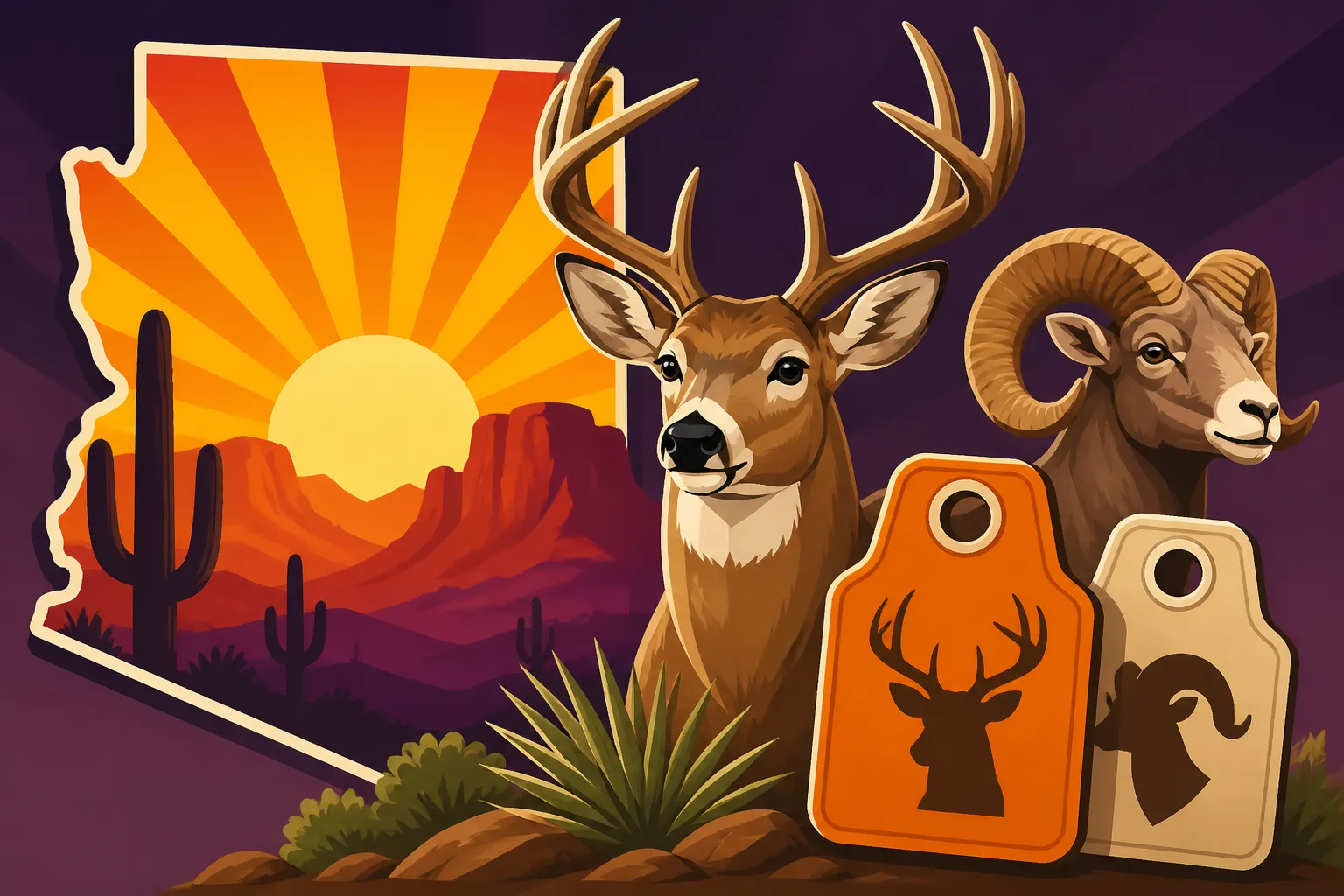
At their core, special big game license tags are highly coveted hunting permits allocated by the Arizona Game and Fish Commission to qualified non-profit conservation organizations. These organizations then use these tags as fundraising tools, either by auctioning them off to the highest bidder or raffling them to a broader audience. Unlike the regular draw, where tens of thousands of applicants vie for a limited number of tags based on a bonus point system, these special tags offer extended hunting seasons, often spanning several months, and typically allow for any legal weapon during that period. This flexibility is a huge draw for hunters looking for an unparalleled experience.
The concept behind these tags is brilliant in its simplicity: leverage the immense passion and financial commitment of a small segment of hunters to benefit the entire wildlife population. The Arizona Game and Fish Department (AZGFD) designates a specific number of these tags each year, often for top-tier species and units known for producing exceptional animals. The funds raised from these tags are then channeled directly back into Arizona's wildlife management programs, creating a crucial financial pipeline that supports everything from habitat restoration to game surveys and anti-poaching efforts.
The Two Main Types: Auction and Raffle Tags
When we talk about special big game tags, we're primarily looking at two distinct mechanisms for acquisition: auctions and raffles. While both serve the same conservation funding purpose, they cater to very different hunter demographics and financial capacities. Understanding the difference is key to knowing which path might be more accessible, or even desirable, for your hunting aspirations.
Auction tags are typically reserved for the truly premium opportunities—the once-in-a-lifetime bighorn sheep, the monstrous elk, or the elusive bison. These tags are presented at major conservation conventions and banquets, such as those hosted by the Wild Sheep Foundation or the Rocky Mountain Elk Foundation. The bidding can be intense, with prices soaring into the tens, and sometimes hundreds, of thousands of dollars. These are truly "trophy tags" that offer the winner an almost unrestricted hunting experience for the duration of the special season. The funds from these auctions are a massive boon to conservation, generating significant revenue from a single tag.
Raffle tags, on the other hand, offer a more accessible entry point, though still highly competitive. The most prominent example in Arizona is the Arizona Big Game Super Raffle. Here, hunters purchase raffle tickets for a chance to win one of several coveted tags, including elk, bighorn, mule deer, Coues deer, antelope, and more. Tickets are usually sold at a much lower price point, making it possible for virtually any hunter to participate. While the odds of winning are still long given the popularity, the sheer volume of ticket sales ensures a substantial contribution to wildlife funds, democratizing the opportunity to support conservation while dreaming of a special hunt.
The Conservation Purpose Behind These Tags
It's easy to look at the high prices of auction tags or the slim odds of raffles and feel a bit disconnected from the core purpose. However, it’s crucial to remember that the entire system of special big game license tags is built on a foundation of robust conservation funding. Every dollar generated, whether from a multi-hundred-thousand-dollar auction tag or a twenty-five-dollar raffle ticket, goes directly back into maintaining and enhancing Arizona's wildlife resources.
Consider the vast landscapes of Arizona—from the high alpine forests of the Mogollon Rim to the scorching Sonoran Desert. Maintaining healthy populations of diverse game species, and the habitats they depend on, requires continuous effort and significant financial investment. Funds from these special tags contribute to vital projects such as water development in arid regions, essential for Finding Water in Arizona's Dry Country and supporting desert species, habitat restoration after wildfires, disease research, anti-poaching enforcement, and scientific studies to better manage herds. Without this dedicated revenue stream, many of these critical conservation initiatives simply wouldn't be possible. When a hunter buys an auction tag or a raffle ticket, they are not just buying a hunt; they are directly investing in the future of Arizona's wildlife, ensuring that future generations will also have opportunities to experience these incredible animals in their natural settings.
How These Tags Are Allocated and Acquired
Acquiring one of Arizona's special big game license tags is a process entirely separate from the state's main draw cycles, which occur in February and June. These tags are not applied for through the standard AZGFD portal but rather through the conservation organizations authorized to receive and sell them. The method of acquisition depends on whether it's an auction tag or a raffle tag, each with its own set of procedures, costs, and potential for a truly unique hunting experience.
The Auction Process for High-Value Tags
The auction process for special tags is largely an event for high-net-worth individuals and organizations deeply committed to conservation, often through significant financial contributions. These tags represent the pinnacle of flexibility and opportunity in Arizona hunting. Typically, major conservation groups like the Wild Sheep Foundation, Rocky Mountain Elk Foundation, or Mule Deer Foundation receive specific tags from AZGFD to auction at their annual conventions or special fundraising events. These events draw bidders from across the country, all vying for the chance to hunt Arizona's most desired species with unparalleled freedom.
The tags offered through auction usually come with very few restrictions beyond those necessary for ethical hunting and wildlife management. This often means an incredibly long season, sometimes spanning from August to February, and the ability to hunt with any legal weapon during that entire period. Imagine being able to choose the peak of the rut for an Arizona Elk on the Rim, White Mountains and Kaibab with a rifle, or to pursue a bighorn sheep in the cooler months, completely circumventing the typical draw system. The prices reflect this extraordinary opportunity, with auction tags routinely fetching tens of thousands of dollars, and some breaking the half-million-dollar mark, especially for species like desert bighorn sheep. The entire sum goes directly to the state's wildlife conservation fund. This is a clear example of How Arizona Auctions Conservation Tags, providing critical funding while offering a unique hunting experience.
Entering Raffles for a Chance to Hunt
For the vast majority of hunters, raffle tags present a far more accessible, albeit still long-shot, opportunity to secure one of these special licenses. The most prominent example in Arizona is the Arizona Big Game Super Raffle, often simply called the "Super Raffle." This program offers tags for all of Arizona's major big game species, including elk, deer (both mule and Coues), pronghorn, bison, bighorn sheep, and javelina. Instead of competing on price, hunters compete on luck, purchasing raffle tickets for a chance to win.
The beauty of the Super Raffle is its inclusivity. Tickets typically range from $10 to $25 each, making it affordable for almost any hunter to participate. Many hunters buy multiple tickets for their dream species, increasing their odds slightly, while others might spread their chances across different species. The raffle draws are usually held annually, and the winners receive the same incredible flexibility as auction tag holders—extended seasons, any legal weapon, and often a choice of units. While the odds of winning are slim (hundreds of thousands of tickets are often sold for a single tag), the excitement of participating and the knowledge that every ticket purchase directly supports Arizona wildlife conservation is a powerful motivator. Platforms like GoHunt often track these raffle opportunities and provide information on drawing dates and past winners, making it easier for hunters to stay informed and participate.
The Application Process for Special Tags
It’s important to clarify that "application process" for special tags isn't akin to the standard Arizona Game and Fish draw. There's no traditional application form to fill out with unit choices and bonus points. Instead, the process is one of acquisition: either winning an auction or being drawn in a raffle. Once a hunter successfully acquires a special tag, the administrative steps are fairly straightforward but still require attention to detail.
After winning an auction or a raffle, the conservation organization that facilitated the sale will work with the hunter to ensure all necessary paperwork is completed. This includes providing proof of identity, confirming residency status (though many of these tags are open to non-residents, too, with Arizona Caps Nonresidents at Ten Percent of Every Hunt not applying here), and ensuring the hunter has a valid Arizona hunting license. It’s crucial to remember that the special tag itself is in addition to the annual hunting license fee, which every hunter must possess. The conservation organization will then coordinate with AZGFD to issue the physical tag. The hunter will receive official documentation detailing the specific unit, extended season dates, and weapon flexibility that comes with their newly acquired special tag. It’s a moment of immense excitement, marking the beginning of a truly once-in-a-lifetime hunting adventure.
The Advantages and Considerations of Special Tags
Acquiring an Arizona special big game license tag is a dream for many, and it comes with a host of incredible advantages that set these hunts apart from the standard draw. However, like any significant endeavor, there are also important considerations to weigh, particularly regarding the financial commitment and the broader ethical discussions within the hunting community. Understanding both sides of the coin is vital for anyone contemplating pursuing one of these unique opportunities.
Unparalleled Flexibility and Extended Seasons
The most significant advantage of an Arizona special big game license tag is undoubtedly the unparalleled flexibility it offers. Unlike regular draw tags, which confine hunters to specific units, narrow date windows, and often weapon restrictions (like archery-only seasons), special tags often grant a hunting season that can span several months. Imagine having from August all the way through February to pursue a mule deer or an elk, allowing you to choose the exact time you want to hunt, whether it's the bugling frenzy of the rut or the colder, post-rut periods when animals might be more concentrated.
This extended season means you can literally pick your dates based on weather, animal activity, or your personal schedule. Furthermore, these tags typically allow for any legal weapon during the entire season. This means a hunter could start scouting with a bow in August, switch to a muzzleloader in the fall, and then finish the hunt with a rifle during the colder months, all within the bounds of one tag. This eliminates the stress of rushing a hunt or being constrained by adverse weather conditions during a short, fixed season. It provides an incredible strategic advantage, allowing for multiple scouting trips and a highly adaptable hunting plan. This kind of flexibility is a luxury unknown to hunters restricted by the tightly regulated standard draw seasons.
High Success Rates and Trophy Potential
It’s no secret that hunters who secure special big game license tags often boast remarkably high success rates, and frequently harvest truly exceptional animals. This isn't just about luck; it's a direct consequence of the advantages these tags provide. With an extended season, hunters have a significantly larger window to locate, pattern, and ultimately harvest their desired animal. They can wait for optimal conditions, scout extensively over weeks or months, and learn the movements of specific trophy animals. This dedication pays off.
Moreover, the funds generated by these tags directly support habitat enhancement and wildlife management programs across Arizona. This means healthier herds, better forage, and ultimately, bigger, stronger animals. Many of these tags are also for units renowned for producing trophy-class animals, like the fabled Arizona Strip for mule deer. When a hunter has the luxury of an extended season in such a unit, their chances of encountering and harvesting a mature, trophy-caliber animal skyrocket. Professional outfitters, often hired by special tag holders (as detailed in Who Guides Arizona Auction Tag Hunters), can also dedicate months to scouting and guiding, further stacking the odds in the hunter's favor, turning the dream of a true trophy into a tangible reality.
Significant Financial Investment and Ethical Considerations
While the advantages of special big game license tags are undeniable, it's equally important to address the significant financial investment they require, especially for auction tags. Prices for premium tags can reach staggering amounts, making them accessible to only a very small percentage of hunters. Even raffle tickets, while individually inexpensive, can add up if a hunter buys many to increase their odds. This creates a perception, for some, of a "pay-to-play" system, where wealth grants access to opportunities that are otherwise unattainable for the average hunter.
This financial disparity often sparks ethical debates within the hunting community. Critics sometimes argue that such high-priced tags undermine the principle of equal opportunity in public land hunting, suggesting that conservation funding should come from broader, more equitable sources. However, proponents emphasize that the vast sums generated by these tags are absolutely vital for conservation, directly funding projects that benefit all wildlife and, by extension, all hunters. Without these funds, many habitat improvement, research, and enforcement programs would simply not exist. It's a complex issue, balancing equitable access with the undeniable financial power these tags wield for conservation. Ultimately, hunters considering these tags must weigh the personal benefits of an extraordinary hunt against the larger societal and ethical discussions surrounding such exclusive opportunities, while also recognizing the incredible positive impact on the resource itself.
Planning Your Hunt with a Special Big Game Tag
Once you've secured one of Arizona's coveted special big game license tags, the real planning begins. This isn't your average week-long hunt; it's an opportunity that demands extensive preparation, strategic thinking, and often, professional assistance to maximize its potential. Given the investment, both financially and in terms of anticipation, every detail matters.
Choosing a Unit and Season for Your Tag
The first step after acquiring a special big game tag is to make the most of its inherent flexibility, particularly the choice of unit and extended season. Most special tags allow the hunter to choose from a range of units, often within a broader region known for the species. For example, a special elk tag might allow you to hunt any unit on the Mogollon Rim. This is where meticulous research comes into play. You'll want to delve deep into the historical data, looking at harvest success rates, trophy quality, and population trends within potential units. Resources like GoHunt and the Arizona Game and Fish Department's own reports (accessible via Where Arizona Lists Unit Harvest Statistics) become invaluable.
Beyond choosing the right unit, the extended season gives you the unprecedented power to pick your dates. Do you want to hunt early season with a bow when animals are less pressured but temperatures can be high, requiring careful Heat Management on an Arizona Early Season Hunt? Or do you prefer the peak of the rut with a rifle, when animals are most active but also most wary? Perhaps a late-season hunt during cooler weather, when snow might concentrate animals, is more appealing. Consider the specific behavior of the animal you're targeting during different times of the year. For instance, elk behavior changes dramatically from early archery to the late rifle season, and your strategy should adapt accordingly. This level of control over the hunt's timing is a primary benefit and should be planned with great care.
Working with an Outfitter or Guide
Given the significant investment and the once-in-a-lifetime nature of many special tag hunts, the decision to hire an outfitter or guide is often a wise one. While not mandatory, a reputable Arizona guide brings a level of expertise, local knowledge, and logistical support that is nearly impossible for most DIY hunters to replicate, especially for an extended, flexible hunt. An experienced guide will have spent countless hours scouting the chosen unit, identifying key areas, water sources, and animal patterns throughout the season. They can also assist with the complex logistics of an extended hunt, from setting up remote spike camps to meat retrieval.
When considering an outfitter, it's crucial to do your homework. Look for guides with a proven track record specifically with special tags or in the units you're considering. Don't be afraid to ask for extensive references, and inquire about their scouting process, equipment, and contingency plans. You're not just hiring someone to walk with you; you're investing in their knowledge, experience, and dedication to your success. Guides for these types of hunts can vary wildly in price, but it's important to understand What a Guided Arizona Elk Hunt Costs as a baseline. The right guide can turn an already incredible opportunity into a truly legendary hunting experience, ensuring every moment is optimized for success.
The Importance of Scouting and Preparation
Even with the flexibility of an extended season and the potential assistance of an outfitter, the success of a special big game tag hunt ultimately hinges on diligent scouting and thorough personal preparation. The extended season isn't an excuse to be unprepared; rather, it’s an opportunity to conduct unparalleled year-round scouting. This might involve multiple trips to your chosen unit months before the season opens, utilizing tools like onX maps, Google Earth, and platforms like GoHunt for E-Scouting an Arizona Unit Before the Season. Learning the terrain, identifying pinch points, bedding areas, and feeding grounds long before you carry a weapon into the field will dramatically increase your chances.
Physical conditioning is also paramount. Many of Arizona's prime big game units, especially for elk or bighorn sheep, involve rugged, steep terrain and high elevations. Being physically prepared to handle long days of hiking, potentially packing heavy loads, and enduring varying weather conditions is non-negotiable. This means developing a fitness regimen well in advance of your hunt. Beyond physical preparedness, ensure all your gear—from optics to weapon systems—is in top condition and thoroughly tested. This includes ensuring your rifle is zeroed at various distances or your bow is shooting perfectly. Remember, this isn't just a hunt; it's an experience that you've likely invested heavily in, and maximizing its potential means leaving no stone unturned in your preparation.
Comparing Special Big Game Tags
Here's a quick look at the key differences between auction and raffle tags for Arizona's special big game licenses:
| Feature | Auction Tags | Raffle Tags |
|---|---|---|
| Acquisition | Highest bidder at conservation events | Random draw from purchased tickets |
| Cost | Extremely high ($10,000s to $1,000,000s) | Low ($10-$25 per ticket) |
| Accessibility | Very exclusive, for high-net-worth individuals | Open to all, but with low odds of winning |
| Purpose | Maximize conservation funding from single tag | Broad-based conservation funding, community engagement |
| Flexibility | Unparalleled (extended season, any weapon, choice of unit) | Unparalleled (extended season, any weapon, choice of unit) |
| Success Rates | High (due to flexibility, resources, guides) | High for winners (due to tag flexibility) |
| Examples | Wild Sheep Foundation, RMEF auctions | Arizona Big Game Super Raffle |
Disclaimer
Please remember that hunting regulations and laws in Arizona can change. It is always your responsibility as a hunter to consult the most current Arizona Game and Fish Department regulations before planning or undertaking any hunt. This guide provides general information and perspectives, but the official regulations are the ultimate authority.