Scaled Quail on Arizona Grassland
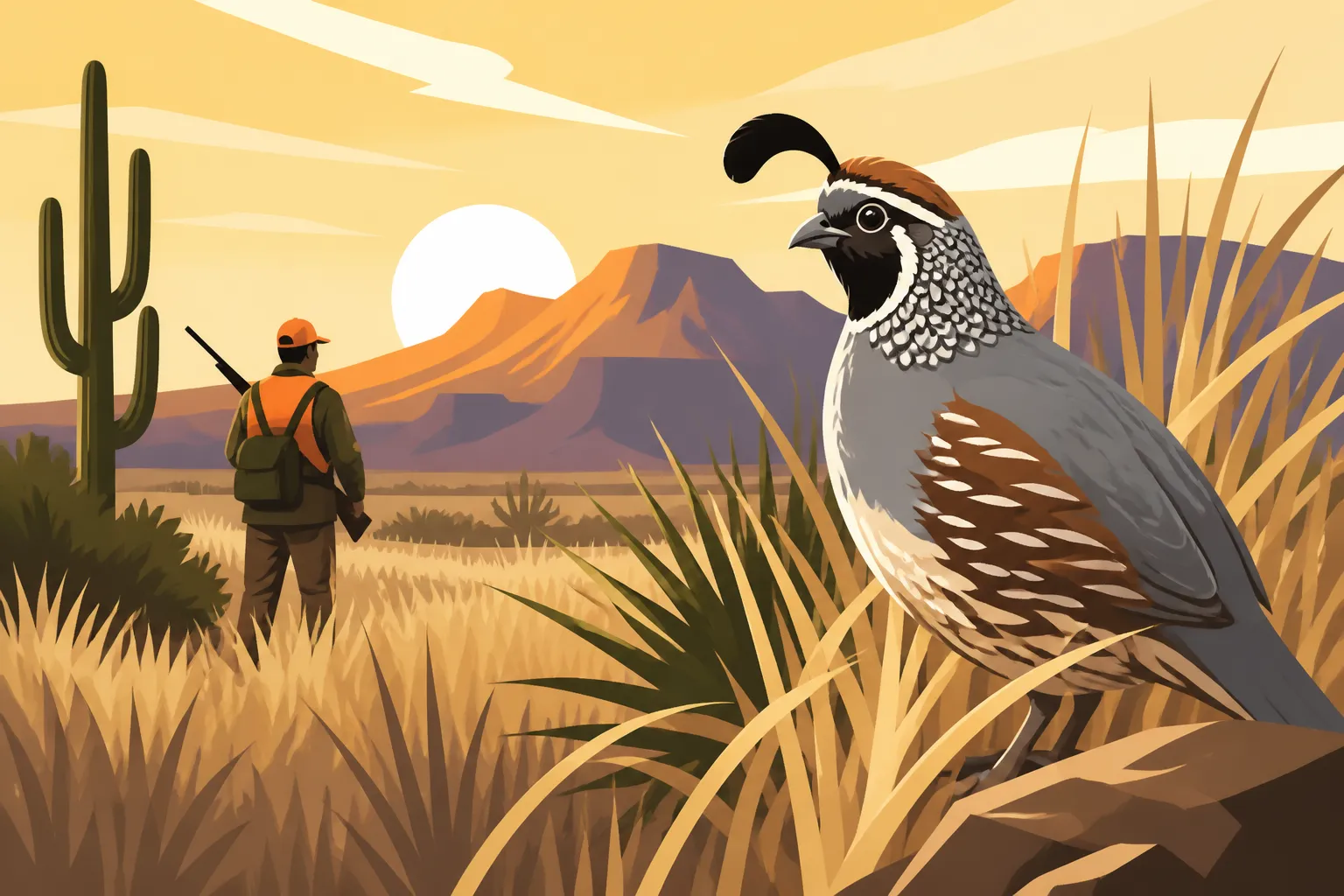
Hunting scaled quail in Arizona's vast grasslands can be a uniquely frustrating experience for even the most seasoned bird hunter. These "cotton-tops" have a notorious reputation for preferring to run rather than fly, leaving many hunters bewildered and exhausted after chasing phantom coveys across endless plains. This guide will walk you through everything you need to know about finding and hunting scaled quail on Arizona's public grasslands, from understanding their habits to mastering the art of the chase.
Understanding Scaled Quail: Arizona's "Cotton-Tops"
Scaled quail, often affectionately called "cotton-tops" due to the distinctive white crest on their heads, are a truly unique game bird in Arizona. Unlike their cousins, the Gambel's quail or Mearns' quail, scaled quail are perfectly adapted to the wide-open, often sparse, grassland environments. Understanding their biology and behavior is the first step in successfully pursuing them.
Distinguishing Features and Behavior
When you encounter a scaled quail, their appearance is quite striking. They are a medium-sized quail, perhaps a bit chunkier than a Gambel's, with a bluish-gray body that features a scaly, feather-like pattern, giving them their name. The most prominent feature, however, is that short, puffy white topknot that gives them the "cotton-top" nickname. Visually, they blend seamlessly into the dry grasses and sparse shrubs, making them incredibly difficult to spot until they're practically underfoot.
Their behavior is what truly sets them apart and often drives hunters to distraction. While other quail species might hold tight, scaled quail are famous for their inclination to run. And when I say run, I mean run. They can cover ground at an astonishing pace, often leading hunters on a merry chase through brush and over rocky terrain, seemingly disappearing into thin air without ever taking to the wing. This makes flushing them a significant challenge, requiring a different approach than you might use for other upland birds. They rely heavily on their eyesight and speed, preferring to put distance between themselves and danger on foot rather than exposing themselves in flight.
Social Dynamics and the "Covey Up" Instinct
Scaled quail are highly social birds, living in coveys that can range from a dozen birds to several dozen, especially during the fall and winter months. This "covey up" instinct is a crucial aspect of their survival, providing safety in numbers. When alarmed, a covey will typically scatter in different directions, often running first before bursting into flight in a flurry of wings if pushed hard enough.
Once a covey has been broken up, individual birds will often try to relocate each other using a distinct, high-pitched call that sounds almost like a rusty gate squeaking. This calling can be a hunter's best friend, as it helps you pinpoint where scattered birds might be regrouping. However, their instinct to regroup also means that if you're not quick, those scattered singles can quickly become a running covey again, and your chance at a shot might be gone. The social nature of these birds means that finding one scaled quail often means finding several, but flushing them effectively as a group is the real puzzle.
Where to Find Scaled Quail in Arizona
Arizona is a state of incredible diversity, and its quail populations reflect that. While Gambel's quail thrive in the desert washes and Mearns' prefer the oak grasslands, scaled quail are firmly rooted in the more arid, open grassland and desert scrub habitats, particularly in the southeastern parts of the state. Knowing where to look is paramount for a successful hunt.
Prime Grassland Units and Regions
When you're looking for scaled quail, think open country, rolling hills, and vast stretches of grass interspersed with low-lying brush and cacti. Southeastern Arizona is truly the mecca for scaled quail hunters. Units in Cochise County, like 29, 30A, 30B, 31, and 32, are classic scaled quail country. You'll find them thriving in these areas, particularly where ranchers have managed grazing to leave adequate cover, or where recent monsoon rains have provided a boom in insect and seed production.
The region around Sonoita and Elgin, known for its picturesque grasslands and rolling hills, also offers excellent scaled quail opportunities. These areas typically have a mix of federal land (BLM, National Forest) and State Trust Land, though you'll need to remember that your hunting license acts as your permit for Arizona State Trust Land Needs a Permit, and Your License Counts. When considering units, pay attention to the vegetation maps; you're looking for those large swaths of perennial grasses, often dominated by species like tobosa grass, grama grass, and sacaton, mixed with cholla, yucca, and mesquite. These areas provide the perfect blend of cover and feed for these unique birds.
Identifying Scaled Quail Hotspots
Identifying scaled quail hotspots within a broad grassland unit comes down to a few key factors: water, cover, and food. While they are incredibly resilient to arid conditions, scaled quail still need reliable water sources. Look for stock tanks, guzzlers, or even ephemeral puddles after rain. These can be magnets for coveys, especially in the mornings and evenings. However, don't expect them to be right next to water; they often stage in cover a little distance away before moving in for a drink.
Beyond water, focus on areas with a mosaic of grasses and dense, thorny shrubs. Scaled quail need dense cover for protection from predators like hawks and coyotes, and for roosting at night. This could be a thick patch of mesquite, a stand of cholla cactus, or even a dense clump of sacaton grass. The edges of these cover types, particularly where they meet more open feeding areas, are prime locations. Using tools like GoHunt's mapping features can be incredibly helpful for e-scouting, allowing you to identify these crucial habitat types and potential water sources long before you ever set foot in the field. Remember, these birds are masters of camouflage, so a good pair of binoculars can help you spot subtle movements or that tell-tale white topknot at a distance.
Key Habitat Components for Scaled Quail
Understanding the broader geographical areas is one thing, but truly keying into the micro-habitat scaled quail depend on is what will put more birds in front of your dog (or yourself, if you're walking them up). These birds thrive in very specific conditions that offer both sustenance and protection.
The Importance of Grassland and Shrub Cover
Scaled quail are, first and foremost, birds of the grassland. They depend heavily on tall, robust perennial grasses for nesting, roosting, and escape cover. Think of areas where the grass is at least knee-high, allowing them to move unseen while offering protection from aerial predators. However, pure grassland isn't enough; they also require interspersed shrub cover. This might be mesquite bosques, cholla cacti, prickly pear, or even scattered juniper and oak trees in slightly higher elevations. These shrubs provide vital shade during Arizona's intense heat, protection from strong winds, and crucial escape cover when predators are on the prowl.
Without this dual layer of cover – ground-level grass and taller, denser shrubs – scaled quail populations struggle. Heavy grazing by cattle that reduces grass height, or extensive clearing of brush, can severely impact their ability to evade predators and find suitable nesting sites. They use this cover not just for hiding, but also for building their nests at the base of dense grass clumps or under low-lying shrubs, ensuring their eggs and young are well-camouflaged. When you're scouting, look for those transitions where healthy grasslands meet scattered, protective brush – these are often honey holes.
Food Sources and Water Needs
Scaled quail are primarily granivores, meaning their diet largely consists of seeds, especially during the fall and winter. They're opportunistic eaters, however, and will consume a wide variety of plant material, including leaves, berries, and even insects, particularly during the spring and summer months when insect populations boom and provide crucial protein for growing chicks. Key food sources include seeds from various grasses like grama, tobosa, and sacaton, as well as forbs and shrubs like mesquite, acacia, and various cacti. The availability of these diverse food sources directly correlates with the overall health and size of scaled quail coveys in a given year.
While scaled quail are renowned for their ability to thrive in arid environments, they still require access to water. Unlike some desert animals that can survive solely on metabolic water from their food, scaled quail need to drink, especially during prolonged dry periods and when temperatures soar. Stock tanks, windmills, natural springs, and man-made guzzlers become critical focal points. In years with good monsoon rains, ephemeral puddles and runoff can temporarily supplement these more permanent sources. However, the presence of reliable, scattered water sources is a major factor in sustaining healthy scaled quail populations. When planning your hunt, always consider water availability in your chosen unit – it can often tell you where birds will be concentrated. You'll definitely want to remember to carry enough Water You Must Carry on a Day Hunt for yourself and your hunting partners.
Hunting Scaled Quail on Arizona Grasslands
Hunting scaled quail is often described as a pursuit of persistence. Their tendency to run means you'll spend more time on your feet and less time pointing a shotgun than you might with other quail species. It’s a hunt that demands both physical stamina and mental fortitude.
Effective Hunting Tactics and Dog Work
The cardinal rule for hunting scaled quail is: push hard and fast. If you approach a covey slowly, they will almost certainly run out ahead of you, eventually flushing far out of range or disappearing entirely. The most effective tactic is to move quickly and aggressively into known scaled quail areas. This is where a good dog becomes invaluable, not just for finding birds, but for pinning them. A well-trained bird dog that knows how to get out in front of the hunter, scent a running covey, and then get on point before the birds are too far ahead, is a game-changer. However, even the best dog will be challenged by running scaled quail.
When a covey flushes, they often explode in multiple directions, sometimes presenting only quick, fleeting shots. Don't be discouraged if you only get one or two birds from a large covey on the initial flush. The real opportunity often comes after the initial break. Mark where the singles fall or where groups fly to. Then, with your dog, work those scattered singles. Unlike the covey, singles are more likely to hold tight, especially if they've been pushed hard. This is where you might get more consistent shooting. If you're hunting without a dog, still try to push quickly and use the terrain to your advantage, trying to cut off their escape routes or force them into an area where they're more likely to fly. This often means trying to run around a brush patch to get ahead of them.
Gear Essentials for a Successful Hunt
Hunting scaled quail in Arizona's grasslands means covering a lot of ground, often in challenging terrain and under a hot sun. Your gear needs to be up to the task. First and foremost, comfortable, sturdy boots are non-negotiable. You'll be walking miles over uneven, rocky, and often thorny ground, so invest in quality boots designed for upland hunting. Layering clothing is also crucial; early mornings can be cool, but midday temperatures can soar, even in late fall. Lightweight, breathable, and thorn-resistant brush pants or chaps are highly recommended to protect against catclaw, mesquite, and various cacti.
For firearms, a 12-gauge or 20-gauge shotgun is standard. Opt for lighter loads with smaller shot sizes, like 7.5 or 8, as scaled quail aren't particularly large or tough-skinned. An open choke, such as an improved cylinder or skeet choke, will give you a wider pattern for the often-fast, close-range shots you'll encounter. Beyond your firearm, don't forget plenty of water, a good GPS or mapping app like GoHunt on your phone to track your movements and identify property lines, and a well-stocked first-aid kit, especially if you're bringing a dog. Whistles, bells for your dog, and even simple game vest are also essential. Checking Arizona Legal Shooting Hours for Big Game is also important to ensure you're hunting within legal times, even though quail are small game.
Season Dates and Bag Limits
Scaled quail season in Arizona typically runs concurrently with Gambel's and Mearns' quail seasons, opening in the early fall and extending through the winter months, often from early October through February. This long season offers ample opportunity to chase these elusive birds. However, season dates can vary slightly year to year, so it is absolutely critical to check the current Arizona Game and Fish Department regulations booklet before planning your hunt. You can usually find the most up-to-date info on When Arizona Quail Season Opens.
Bag limits are also something you need to be aware of. Arizona typically has a combined daily bag limit for Gambel's, scaled, and California quail, meaning you can harvest a certain number of any combination of these species per day. There's also usually a possession limit, which is the total number of birds you can have on hand, including those already processed and at home. For example, in recent years, the daily bag limit has often been 15 quail in total (Gambel's, Scaled, California combined), with a possession limit of 45. Mearns' quail typically have a separate, lower bag limit due to their more specialized habitat and often lower populations. Always consult the official regulations for Arizona Quail Bag Limits by Species to ensure you're in compliance.
Challenges and Considerations for Scaled Quail Hunting
Hunting scaled quail isn't always sunshine and easy limits. There are inherent challenges that make it one of Arizona's more demanding upland hunts. Being prepared for these obstacles, both environmental and regulatory, will make your experience much smoother.
Navigating Weather and Terrain
Arizona's grasslands, particularly in the southeast, are not flat, manicured fields. You'll encounter rolling hills, rocky washes, steep arroyos, and dense thorny brush. This varied terrain, combined with the often-hot and dry conditions, makes for physically demanding hunting. Even in late fall and winter, midday temperatures can still reach into the 70s or 80s, especially in the sun. This heat, combined with elevation changes, can quickly lead to dehydration for both hunters and their dogs.
Monsoon season, typically July through September, brings much-needed rain but can also make access challenging, turning dirt roads into muddy quagmires. While the rain is vital for quail populations (as Why Rainfall Drives Quail Numbers beautifully illustrates), be mindful of flash floods and impassable roads if hunting near the tail end of the monsoons. Conversely, late season hunts in January and February can occasionally bring colder temperatures, especially at higher elevations, so be prepared to layer up. Always check the weather forecast for your specific unit before heading out, and carry more water than you think you'll need. Don't forget to prepare your body physically; Preparing Physically for a Desert Hunt is crucial for enjoying these long days on your feet.
Public Land Access and Regulations
Arizona offers vast amounts of public land for hunting, including Bureau of Land Management (BLM) and National Forest Service lands, as well as Arizona State Trust Land. However, navigating these different land statuses and their specific rules can be a challenge. While BLM and National Forest lands are generally open to hunters without additional permits (beyond your state hunting license), State Trust Land requires your hunting license to act as your permit. It's crucial to understand these distinctions, as trespassing onto private land or unpermitted State Trust Land can lead to fines and legal trouble.
Utilizing modern mapping applications is non-negotiable. Services like GoHunt provide invaluable public/private land overlay maps that show exact property boundaries, allowing you to stay on legal hunting ground. Also, be mindful of specific regulations regarding Motorized Travel Rules on Arizona Public Land. Many areas have designated roads and trails, and off-road vehicle use is often restricted to prevent habitat damage. Respecting closures, posted signs, and private property boundaries is not just a legal obligation, but a critical ethical responsibility for all hunters. Always double-check regulations for the specific unit you plan to hunt, as rules can sometimes vary by management area.
Conservation and Management Efforts for Scaled Quail
The health of scaled quail populations is a direct reflection of the health of their grassland ecosystems. Unlike some other game species, habitat is king for scaled quail, and sustained populations rely heavily on responsible land management practices.
Habitat Restoration and Preservation
One of the primary challenges for scaled quail populations across the Southwest, including Arizona, is habitat degradation. Overgrazing, invasive species, and shifting land-use patterns can reduce the quality and quantity of the dense grass and shrub cover that scaled quail require. Conservation efforts often focus on habitat restoration, which can involve controlled burns to remove invasive species and stimulate native grass growth, reseeding native grasses, or managing grazing rotations to allow vegetation to recover.
Local and federal agencies, like the Arizona Game and Fish Department (AZGFD) and the Bureau of Land Management, often partner with private landowners and conservation groups to implement these projects. Efforts to preserve existing intact grassland ecosystems are also critical, preventing further fragmentation and loss of vital quail habitat. Hunters can play a role by supporting conservation organizations that work on habitat projects, purchasing conservation stamps, and adhering to ethical hunting practices that ensure sustained populations for future generations. Knowing how to read a Reading an Arizona Winter Range Report or similar document can give you insights into these efforts.
Population Trends and Monitoring
Monitoring scaled quail populations is a complex task, as these birds are often widely dispersed and elusive. Biologists use various methods to estimate population trends, including roadside counts, call counts during the breeding season, and hunter harvest surveys. These data points help the AZGFD make informed decisions about season lengths, bag limits, and conservation priorities. Population numbers for scaled quail, like all upland birds, can fluctuate significantly year to year, often tied directly to rainfall patterns. Good monsoon years typically lead to better insect hatches and seed production, resulting in higher chick survival and stronger populations the following year. Conversely, prolonged drought can severely depress numbers.
Understanding these trends is important for hunters. While the AZGFD provides general season information, resources like GoHunt often compile Reading an Arizona Hunt Success Report data and population outlooks that can give you a better idea of what to expect in specific units. However, always remember that these are estimates. The best way to gauge current conditions is to scout diligently before the season or be prepared to cover a lot of ground during your hunt. The long-term health of scaled quail depends on continued monitoring, adaptive management strategies, and the dedicated efforts of land managers and conservation-minded hunters.
Here's a quick comparison of Arizona's three primary quail species:
| Feature | Gambel's Quail (Desert Quail) | Scaled Quail (Cotton-top) | Mearns' Quail (Montezuma Quail) |
|---|---|---|---|
| Primary Habitat | Sonoran and Mohave Desert washes, riparian areas, saguaro cactus forests | Arid grasslands, desert scrub, open plains | Oak woodlands, pine-oak canyons, higher elevation grasslands |
| Appearance | Plump, grayish body, reddish flanks, dark topknot, black face patch | Bluish-gray "scaly" pattern, prominent white topknot | Distinctive polka-dotted flanks, black and white facial markings |
| Behavior | Runs but flushes readily into trees/bushes; loud "chi-ca-go" call | Notoriously runs, often bursts from dense cover; high-pitched "squeak" call | Holds extremely tight, often won't flush until stepped on; rarely runs |
| Covey Size | Can be very large (dozens), especially in good years | Medium to large (10-40+ birds) | Small (typically 2-10 birds) |
| Hunting Challenge | Moderate; can be difficult to pin down after initial flush | High; requires aggressive pursuit due to running tendency | Moderate; difficult to find due to holding tight, often in thick cover |
| Primary Diet | Seeds, berries, insects, cactus fruit | Grass seeds, forbs, insects | Grass seeds, tubers (especially wood sorrel), insects |
Disclaimer
Please remember that hunting regulations, season dates, and bag limits are subject to change. Always consult the most current Arizona Game and Fish Department regulations prior to any hunting activity. The information provided in this guide is for informational purposes only and should not be considered legal advice. It is the hunter's responsibility to know and follow all applicable laws and regulations.