What Separates a Coues From a Whitetail
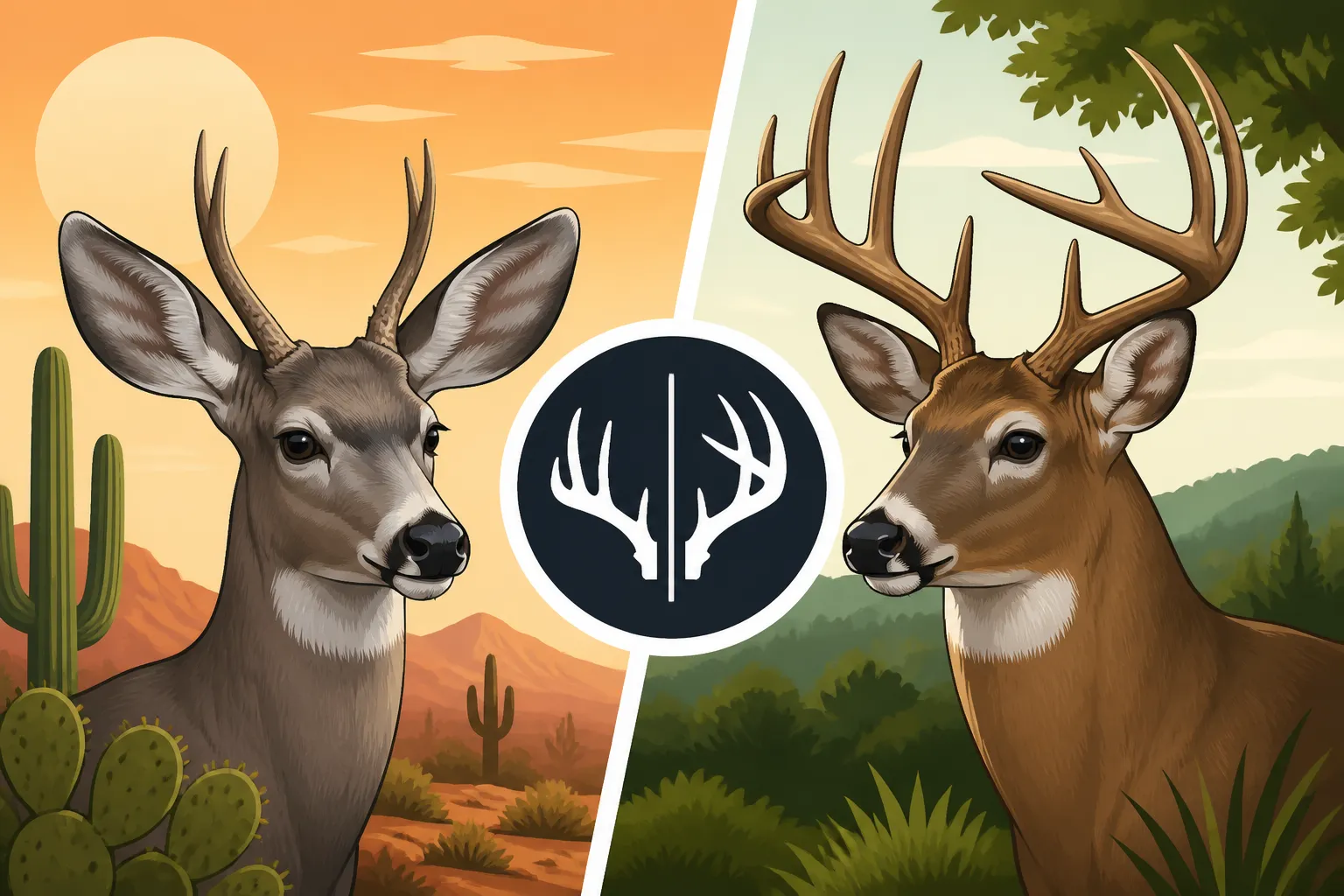
Hunting in Arizona can present some truly unique challenges and rewards, especially when it comes to understanding the diverse game species that call this incredible state home. One common point of confusion for hunters, particularly those new to the Southwest, is differentiating between a Coues deer and what they might typically know as a "whitetail" deer. These seemingly subtle distinctions actually play a massive role in everything from how you scout to how you hunt. This comprehensive guide will peel back the layers and explain exactly what separates a Coues deer from its more widely recognized whitetail cousins, helping you become a more informed and successful Arizona hunter.
The Distinctive Physical Characteristics of Coues Deer
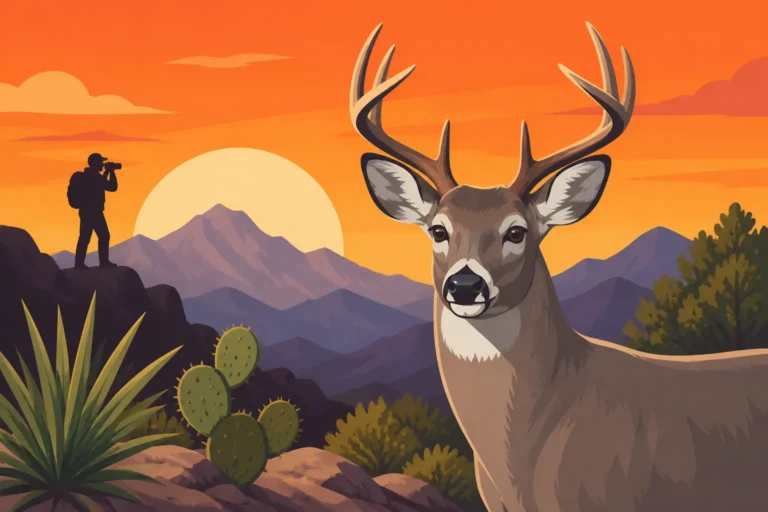
When you first lay eyes on a Coues deer, often lovingly called the "gray ghost" of the desert, you'll immediately notice some stark differences from the whitetails found in the eastern forests or agricultural fields. These aren't just minor variations; they are fundamental adaptations to a vastly different environment.
Size, Weight, and General Appearance
The most striking difference is sheer size. Coues deer (pronounced "cows") are, without a doubt, the smallest subspecies of whitetail deer in North America. Imagine a northern whitetail, then shrink it down considerably. A mature Coues buck in Arizona will typically weigh anywhere from 80 to 120 pounds, with the occasional really old, heavy-bodied deer pushing 130 pounds. Does are even smaller, usually tipping the scales at 60 to 90 pounds. Compare this to a Midwest whitetail buck that can easily reach 200-300 pounds, and you begin to understand the scale of the difference.
This diminutive stature isn't just a quirk; it's a vital adaptation. Their compact, athletic build allows them to navigate the incredibly steep, rocky, and brushy "sky island" terrain with remarkable agility. They can slip through dense scrub and rock slides almost effortlessly, making them incredibly difficult to spot and even harder to pursue. Their legs are slender, and their bodies are lean, built for bursts of speed and quick changes in direction over uneven ground.
Coat Coloration, Pattern, and Camouflage
The nickname "gray ghost" is earned for a very good reason. Coues deer possess a coat coloration that is perfectly evolved for their arid, high-desert mountain habitat. Their summer coat is typically a drab, grayish-brown, which transitions to a slightly darker, steelier gray in winter. This coloring blends seamlessly with the sparse vegetation, granite boulders, and dusty earth of the Sky Islands. Unlike the reddish-brown summer coats or distinctly mottled winter coats of many northern whitetails, the Coues' uniform gray makes them practically invisible when they stand still among juniper, oak, and agave.
Their hair is also shorter and finer than that of their colder-climate counterparts, another adaptation to the generally warmer temperatures of the Arizona desert, even at higher elevations. This subtle, muted pattern lacks the stark contrast often seen in other deer species, allowing them to truly melt into their surroundings. When a Coues deer freezes in the shadows or against a rocky outcrop, it’s not just a deer standing still; it's a part of the landscape, and it will challenge even the most seasoned hunter's ability to pick it out. This incredible camouflage is a huge part of Why Coues Deer Are Called Gray Ghosts.
Antler Configuration and Typical Score Ranges
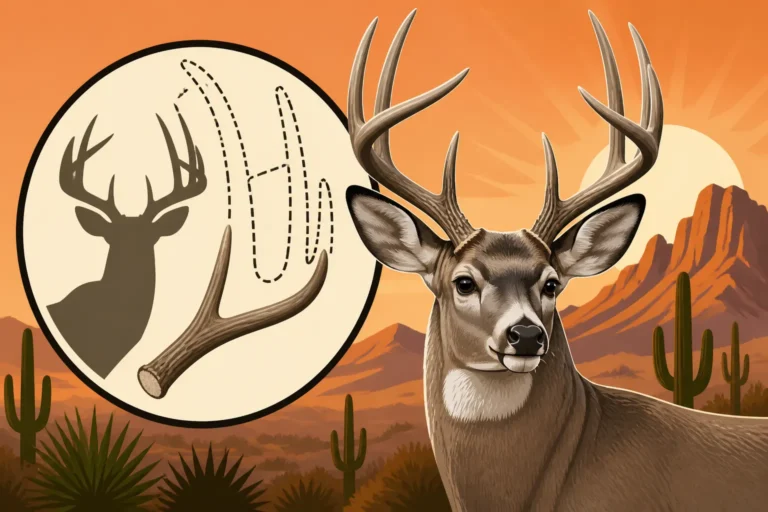
While Coues deer are genetically whitetails, exhibiting the classic antler growth pattern of a main beam with tines branching off it, their antlers are proportionally smaller and often more compact than what you might expect from other whitetail subspecies. A typical Coues buck will have a modest frame, and while symmetry can be impressive, the overall mass and length are significantly less.
For a Coues deer, a buck with antlers scoring 90 to 100 inches on the Boone and Crockett system is considered an absolute trophy. Anything over 100 inches is exceptional and highly sought after, placing it in a category of its own. In contrast, many northern whitetail hunters consider a 120-130 inch buck to be a good mature animal, and 150+ inch deer are regularly harvested. This difference in scale means that what defines a "trophy" is radically different. When field judging, remember that a Coues buck that looks "average" by whitetail standards elsewhere is likely a phenomenal animal in Arizona. It demands a recalibration of your eye to appreciate the true magnificence of these smaller racks.
Habitat, Adaptations, and Geographic Range
The habitat where Coues deer thrive is perhaps the most defining characteristic that sets them apart. They are creatures of specific landscapes, uniquely adapted to survive and flourish in conditions that would challenge many other deer species.
The "Sky Islands" Ecosystem: A Unique Home
Coues deer are inextricably linked to the "Sky Islands" of southeastern Arizona, as well as parts of southwestern New Mexico and northern Mexico. These aren't just mountains; they are truly isolated mountain ranges, rising dramatically from vast, arid desert lowlands. Picture a series of islands, but instead of being surrounded by water, they're surrounded by ocean-like expanses of Sonoran Desert. Ranges like the Huachucas, Santa Ritas, Chiricahuas, and Galiuros are classic Coues country.
Within these Sky Islands, Coues deer inhabit a mosaic of vegetation zones, often from about 3,500 feet up to 9,000 feet in elevation. The lower slopes are characterized by desert scrub, ocotillo, and saguaro, transitioning into grasslands, then oak and juniper woodlands, and finally, at the highest elevations, pine and fir forests. This diverse, often rugged terrain offers them everything they need: food, cover, and escape routes. Their small size and incredible agility are perfectly suited for navigating these steep, rocky, and brushy environments. This specialized habitat is why Glassing Arizona's Sky Islands for Coues Deer is such a critical skill.
Water Sources and Food Preferences in Arid Environments
Survival in such an arid climate makes water an absolute premium for Coues deer. Unlike areas with abundant rivers and lakes, Coues deer often rely on more scattered and ephemeral water sources. This includes natural springs, man-made stock tanks, and even temporary puddles that collect after monsoon rains. During prolonged dry spells, they can also derive a significant amount of moisture from the plants they eat, known as preformed water. Understanding where these precious water sources are located is key to finding deer, especially during the hotter early seasons. This is where researching Water Sources That Concentrate Arizona Desert Game becomes invaluable.
Their diet is also adapted to their environment, consisting primarily of forbs, browse from shrubs and trees like oak, juniper, and various desert succulents. They are remarkably efficient at extracting nutrients from relatively sparse vegetation. This foraging behavior, coupled with their water dependency, dictates their movements and concentrations, and knowing these patterns can give a hunter a significant edge.
Contrasting with Other Whitetail Habitats
This unique habitat starkly contrasts with where other whitetail subspecies typically live. The Eastern whitetail, for instance, thrives in dense deciduous forests and woodlands, often adjacent to agricultural fields that provide ample food. Midwestern whitetails also utilize open farm country, woodlots, and river bottoms. The thick cover and abundant water found in these regions create entirely different challenges and opportunities for hunters. In Arizona, you won't find Coues deer strolling through cornfields or hiding in vast tracts of unbroken timber. Their world is one of sweeping vistas, rocky slopes, and dense, thorny thickets. This difference in habitat fundamentally changes how you approach hunting them.
Behavioral Traits and the Art of Hunting the Gray Ghost
Hunting Coues deer isn't just about finding deer; it's about understanding a species that has mastered the art of survival in a challenging environment. Their behavior is a direct reflection of their habitat and the constant threat of predators.
Elusive Nature and "Ghostly" Movement
The "gray ghost" moniker isn't just about their camouflage; it's also about their uncanny ability to appear and disappear as if by magic. Coues deer are incredibly wary animals with keen senses. They are masters of using every contour of the land, every rock, and every patch of brush to their advantage. They don't just run away; they evaporate. One moment they're there, the next they've slipped behind a small juniper or into a fold in the terrain, leaving you wondering if you ever really saw them.
Their movements are often quick, deliberate, and efficient. They don't waste energy, and when they move, they do so with a purpose, often heading for thicker cover or a vantage point. This makes still-hunting them a supreme challenge, as they are almost always aware of your presence long before you are aware of theirs. Patience and stealth are not just virtues when hunting Coues; they are necessities.
Social Dynamics and Rutting Behavior
Coues deer typically live in smaller, less structured groups than many other whitetail subspecies. While does and fawns might form small family units, large herds are uncommon. Bucks often roam solitarily or in small bachelor groups, particularly outside the rut. This makes locating them even more challenging, as you're rarely looking for a large concentration of animals.
The When the Coues Rut Peaks in Arizona usually falls in December and January, sometimes extending into February. This period sees an increase in buck activity as they search for receptive does. While still incredibly wary, bucks might become slightly more visible as they are distracted by breeding. Understanding the timing of the rut can be crucial for hunters targeting a mature buck, as it might offer brief windows of opportunity for an encounter. However, even during the rut, their elusive nature remains largely intact.
The Dominance of Glassing and Long-Range Detection
This is where Coues deer hunting truly distinguishes itself. While many deer hunters rely on stand hunting, tracking, or still-hunting through timber, Coues hunting is overwhelmingly a glassing game. The vast, open, yet broken terrain of the Sky Islands means that spotting deer with the naked eye is incredibly difficult. You are essentially looking for a small, camouflaged animal in an enormous landscape.
This necessitates high-quality optics. Hunters spend hours, often days, perched on a vantage point, meticulously picking apart distant hillsides with binoculars and spotting scopes. A good pair of 10x or 12x binoculars is essential, but a powerful spotting scope, like those often recommended for Optics Power for Arizona's Long Desert Sightlines, is often the true workhorse for identifying deer at extreme distances. Patience is paramount, as deer often bed down for hours, only revealing themselves when they stand to stretch or feed. Using a systematic approach, such as The Grid Glassing Method, Step by Step, is crucial for efficiently covering ground. Many successful Coues hunters spend 80-90% of their time glassing. Tools like GoHunt can be invaluable here, helping you e-scout potential glassing points and identify bedding areas before you ever set foot in the field. Understanding the best Binocular Size That Survives an All-Day Session for all-day use can also make a huge difference in comfort and effectiveness.
Stalking Challenges and Ethical Shot Placement
Once a Coues deer is spotted, the real test often begins: the stalk. Because of the vast distances involved and the broken terrain, closing the gap can be an epic undertaking. You'll need to navigate steep slopes, loose rock, dense brush, and constantly changing wind currents and thermals. A successful stalk often involves intricate planning, using terrain features for concealment, and moving slowly and deliberately.
Their small body size means that shot placement is absolutely critical. There's less room for error compared to a larger deer. Bowhunters, in particular, face an immense challenge to get within ethical shooting range, typically needing to get within 40 yards, as discussed in How Close a Bowhunter Needs to Get on Coues. Even rifle hunters need to be proficient in long-range shooting, as shots can often exceed 300-400 yards across canyons. Ethical hunting demands that you know your limits and respect the animal by ensuring a clean, quick harvest.
Conservation Status and Management Efforts in Arizona
The Arizona Game and Fish Department (AZGFD) works diligently to manage Coues deer populations, ensuring their long-term health and providing sustainable hunting opportunities. Their efforts contribute to keeping the "gray ghost" a viable and exciting challenge for hunters.
Population Health and Sustainable Harvest
Generally, Coues deer populations in Arizona are healthy and well-managed. The AZGFD monitors herd dynamics through surveys and harvest data, setting tag numbers and season structures to maintain ecological balance. Like all wildlife, their numbers can fluctuate based on environmental factors, particularly rainfall. Good monsoon seasons, which bring much-needed moisture to the desert, often lead to better forage and higher fawn recruitment, ultimately benefiting the deer. Conversely, prolonged drought can put stress on populations. Understanding How Monsoon Rain Affects Antler Growth can give insight into the health of the herd and what to expect from the bucks.
The hunting pressure on Coues deer is significant due to their trophy status and the unique hunting experience they offer, but management strategies aim to keep harvest sustainable. Many hunters, myself included, use resources like GoHunt to analyze historical harvest data and population trends before applying for units or planning over-the-counter hunts. This data-driven approach is key to informed hunting.
Unique Tagging Opportunities: Over-the-Counter Seasons
One of the most appealing aspects of Coues deer hunting in Arizona, especially for bowhunters, is the availability of over-the-counter (OTC) archery tags. Unlike the highly competitive draw for mule deer or elk, bowhunters can purchase an Arizona's Over-the-Counter Archery Deer Tag Explained that is valid for Coues deer, offering a significant window of opportunity without the uncertainty of the draw. This accessibility makes Coues deer a popular target for archers, allowing them to hunt multiple times throughout the extended season, which typically runs for several months, split into early and late periods.
These OTC opportunities are a testament to the healthy Coues deer populations and effective management. They provide a fantastic entry point for hunters wanting to experience Arizona's unique big game hunting without the multi-year wait times often associated with other species.
The Value of Data and Scouting for Success
For any Coues deer hunt, whether it's an OTC archery tag or a drawn rifle tag, preparation is key. Leveraging resources like the AZGFD website for regulations, unit information, and population data is crucial. Additionally, advanced scouting tools have revolutionized how hunters approach Coues deer. Platforms like GoHunt provide detailed maps, public/private land overlays, and draw odds, allowing hunters to virtually scout units, identify potential glassing knobs, water sources, and escape routes long before they ever set foot in the field. This blend of scientific data and modern technology empowers hunters to make informed decisions and increases their chances of success on these truly special animals. Knowing how to read a Reading a Herd Unit Management Plan can further deepen your understanding of specific unit dynamics.
Here's a quick comparison of the key differences:
| Feature | Coues Deer (Arizona Whitetail) | Northern/Eastern Whitetail Deer |
|---|---|---|
| Size/Weight | Smallest N. American deer; 80-120 lbs | Medium to large-sized deer; 150-300+ lbs |
| Coat Color | "Gray Ghost"; grayish-brown, blends seamlessly with desert habitat | Reddish-brown in summer, gray-brown in winter; more distinct patterns |
| Antler Size | Smaller, compact frames; 90-100" B&C is trophy-class | Larger, often impressive racks; 120-150" B&C common, 170+" possible |
| Primary Habitat | Arid "Sky Islands": rugged mountains, desert scrub, oak/juniper woodlands | Forests, woodlands, swamps, agricultural fields; varied terrain |
| Behavior | Extremely wary, uses terrain to disappear; masters of camouflage | Wary, but more commonly encountered in agricultural or suburban fringe areas |
| Hunting Style | Primarily long-range glassing, patient observation, difficult stalks | Stand hunting, still hunting, tracking, spot-and-stalk; often near food sources |
| Geographic Range | Southern Arizona, New Mexico, Northern Mexico | Widespread across much of North America, east of the Rocky Mountains |
Disclaimer
Please remember that hunting regulations, seasons, and requirements can change. Always consult the most current Arizona Game and Fish Department regulations before planning any hunting trip.