Boone and Crockett Bulls From the Southwest
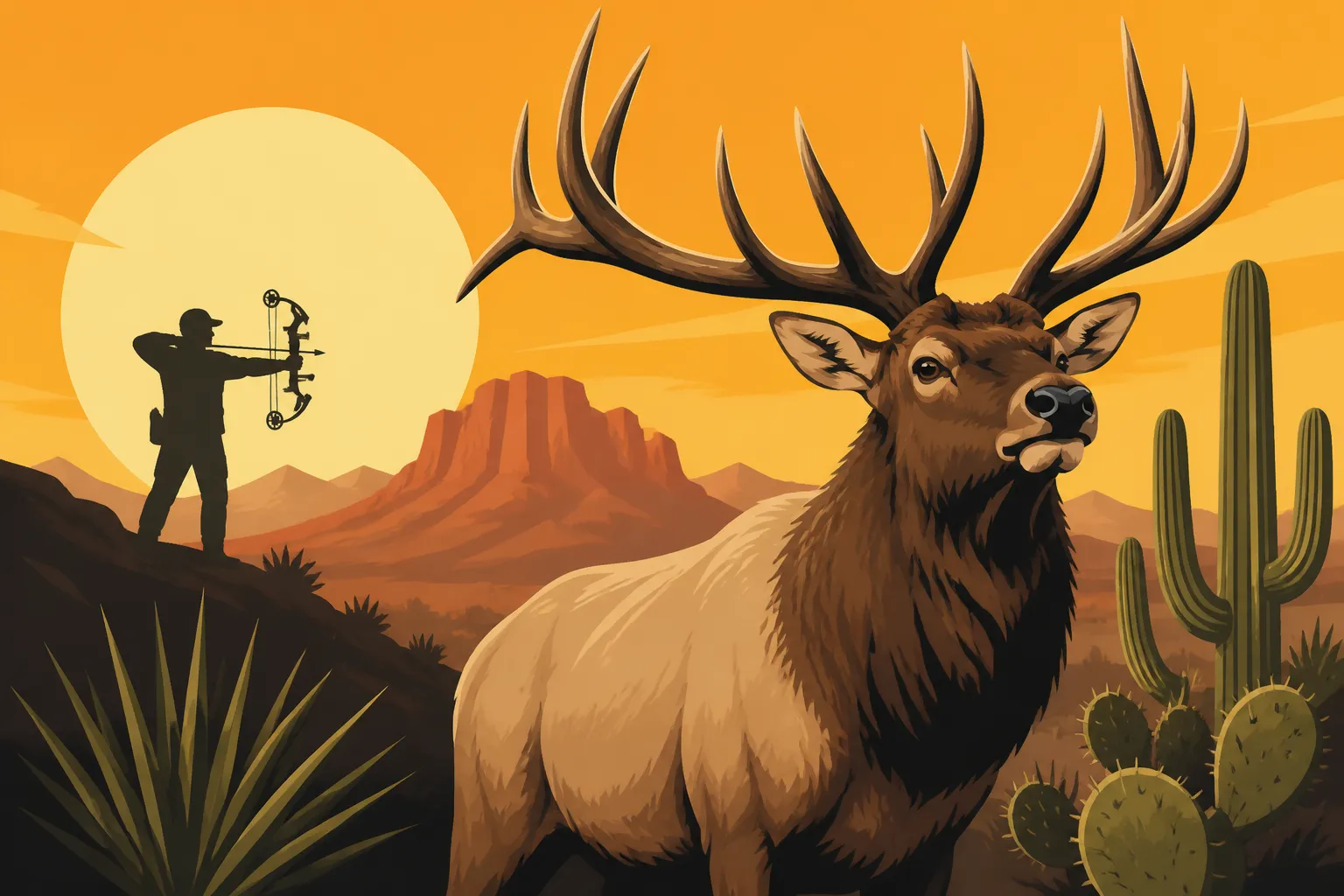
For many of us who dream of chasing bugling bulls, the idea of a Boone and Crockett elk from the Southwest – particularly Arizona – is the ultimate goal. It's a daunting aspiration, often feeling out of reach, but this guide is going to break down exactly what makes Arizona a hotspot for these magnificent animals and what it truly takes to pursue such a legendary trophy.
The Allure of Arizona's Giant Elk
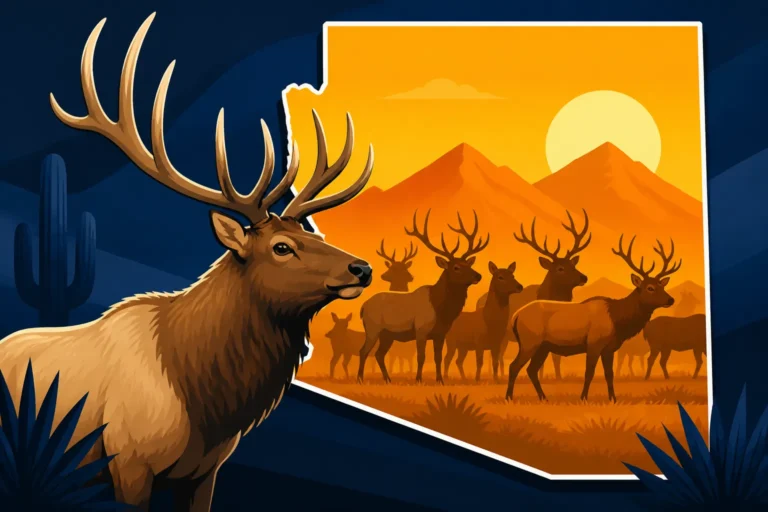
Arizona might conjure images of saguaros and scorching deserts, but don't let that fool you. This state is a true gem when it comes to elk, especially the kind that makes your jaw drop and your heart pound. We're talking about bulls with impressive mass, towering points, and spreads that seem almost unbelievable. The Grand Canyon State has a long-standing reputation for producing some of the largest Rocky Mountain elk in the world, regularly topping the B&C record books. It's not just a fluke; it's a combination of unique habitat, dedicated management, and genetics that are simply phenomenal.
You hear stories, see photos, and then you start to wonder, "Is it even possible for an average hunter like me?" And the answer is yes, but it requires a deep dive into understanding what separates Arizona's top-tier units from the rest, and what kind of commitment you'll need to make the dream a reality. This isn't just about a tag; it's about pursuing a true giant in an incredible landscape.
What Makes an Arizona Bull a B&C Contender
When we talk about Boone and Crockett, we're discussing a specific scoring system that measures antler size and symmetry. For a typical bull elk, the minimum score for the all-time record book is 375, and for non-typical, it's 385. These aren't just big elk; these are truly exceptional animals that have lived long enough and had access to enough resources to grow antlers of epic proportions.
Arizona's success in this arena isn't just luck. It's built on a foundation of ideal conditions. First, the genetics in some of these herds are simply outstanding. These aren't your average bulls; they carry the genes for massive antler growth. Second, and perhaps most critically, is age. A bull needs time to mature, often 6-8 years or more, to reach its full antler potential. Arizona's management strategies in certain units are designed to allow bulls to live longer, increasing the odds of them reaching that prime age class. Lastly, nutrition is key. Abundant forage, good moisture, and mineral access all contribute to healthy body condition and, consequently, impressive antler growth. The monsoon rains, for example, can significantly influence forage quality and quantity, directly impacting how big a bull's antlers might get.
Where Arizona's Giant Bulls Roam
When hunters talk about Arizona and big bulls, certain names come up again and again. These are the units that consistently produce world-class animals, the ones that hunters obsess over in their applications year after year. While a trophy bull can theoretically pop up anywhere, these areas have a track record for a reason.
The Legendary Kaibab Plateau
North of the Grand Canyon, the Kaibab Plateau is almost mythical in the hunting world. It's renowned globally for its mule deer, but its elk herd, particularly in Unit 9, also boasts incredible genetics. This isn't easy country to draw, nor is it easy to hunt. The tags are scarce, and the demand is astronomically high. But for those fortunate enough to draw, the potential for a B&C class bull is very real.
The Kaibab's unique ecosystem, with its dense Ponderosa pine forests and pockets of aspens, provides excellent cover and forage. The elk here often grow massive frames, and the solitude of the North Rim adds to the mystique. When considering "Kaibab Plateau Elk Genetics", you're looking at generations of animals bred for antler size, benefiting from decades of careful management that prioritizes older age classes. It's not a place for the faint of heart, but the rewards can be truly monumental.
The Mogollon Rim Country
Moving south, the vast expanse of the Mogollon Rim offers a different kind of challenge and opportunity. Units like 10, 1, 3C, and 23 are often whispered about in hushed tones among elk hunters. This is classic "Arizona Elk on the Mogollon Rim" country – rugged, expansive, and home to a healthy, thriving elk population. The Rim is a mosaic of Ponderosa, pinyon-juniper, and high desert grasslands, creating diverse habitat that supports large herds.
Unlike the Kaibab, the Rim offers more tags overall, though the top units still require significant bonus points. The sheer volume of elk here means more opportunities, and while B&C bulls are still rare, the possibility exists across several units. Hunters here often find themselves in dense timber, open parks, or glassing vast canyons. The challenges are physical, but the reward of a truly grand bull from this iconic landscape is something to cherish. The hunting style can vary from intense bugle-calling during the rut to quiet, patient still-hunting in the timber.
The White Mountains
Further east, the White Mountains of Arizona also hold their own in the big bull conversation. Units like 27 and 1 are known for their beautiful high-elevation country, replete with mixed conifer forests and sprawling meadows. This region often benefits from more consistent moisture, which translates directly to lush forage and better antler growth.
"White Mountains Elk Country" provides a different aesthetic and hunting experience than the more arid sections of the Rim or the Kaibab. The terrain can be steep and demanding, but the scenery is breathtaking, and the elk herds are robust. While perhaps not as frequently topping the B&C charts as some Kaibab units, the White Mountains certainly produce many bulls that would be the envy of any hunter. It’s a rewarding place to pursue elk, offering both challenge and incredible beauty.
The Hunt for a Boone & Crockett Bull: Strategy and Sacrifice
Real talk: drawing a tag in Arizona's premier units is incredibly difficult. Most hunters spend years, even decades, building bonus points just for a chance. And even if you draw, the hunt itself is an immense undertaking. It's not just a lucky shot; it's a calculated, often arduous pursuit.
Understanding the Arizona Draw System
Arizona uses a bonus point system that heavily favors applicants with more points. Every year you apply and don't draw a tag, you earn a bonus point for that species. These points give you a better chance in the "Arizona Runs Two Draw Cycles, February and June", but they don't guarantee a tag. For the most coveted units, it can take an extraordinary number of points to draw. This is where resources like GoHunt become invaluable. Their INSIDER platform, for example, offers detailed draw odds and application strategies, helping you navigate the complex system and make informed decisions about "Checking Arizona Draw Odds Before You Apply". Without this kind of intel, you're essentially applying blind, and for a B&C bull, you want every edge you can get.
It's a long game, and patience is your biggest virtue. Many hunters apply for years, knowing full well they might not draw the specific unit they want. But the dream of that B&C bull keeps them in the game, religiously putting in their application for "Arizona Elk and Antelope Application Deadline".
Pre-Season Scouting and Preparation
Once you've drawn that golden ticket, the real work begins. Hunting a B&C bull is not something you just show up for. It demands meticulous pre-season scouting. This could mean multiple trips to your unit, hiking miles, deploying trail cameras, and pouring over maps and satellite imagery. E-scouting platforms are a game-changer here, allowing you to identify potential bedding areas, water sources, and travel corridors from your computer. Learning how to effectively utilize tools for "E-Scouting an Arizona Unit Before the Season" can save you countless hours in the field and help you prioritize your physical scouting efforts.
Physical preparation is equally critical. Arizona elk country is rugged. Whether you're in the high country of the White Mountains or the steep canyons of the Rim, you'll be covering serious ground, often at elevation. You need to be in top physical condition to maximize your chances, not just to get to a bull, but to get it out once it's on the ground. Think long hikes, uphill climbs, and carrying weight.
Hunting Strategies for Giant Bulls
Hunting B&C class bulls often means adjusting your typical elk hunting strategies. These older, wiser bulls are masters of evasion. They know pressure, they use terrain to their advantage, and they often hold in the thickest, nastiest cover during daylight hours.
During the archery seasons, especially the early September hunts, aggressive calling can be effective, but sometimes, a more subtle approach is needed. Locator bugles to find a bull, followed by a quiet stalk, or setting up on a water source during "Hunting a Stock Tank During Early Archery" can be productive. Understanding "Bugle Timing Across the Mogollon Rim" is crucial; sometimes, less is more when dealing with heavily pressured, mature animals.
Rifle and muzzleloader seasons require even more patience and often involve extensive glassing, covering vast amounts of country with high-quality optics. Identifying key vantage points and spending hours, even days, glassing for that elusive giant is the norm. It's about finding the needle in the haystack, and that often means watching and waiting. Understanding "Arizona Elk Season Structure by Hunt Code" is also vital to know when to apply for what specific weapon and season dates for the best chance at a giant.
| Region/Unit Type | Reputation for B&C Bulls | Primary Hunting Style | Terrain | General Draw Difficulty (Elk) |
|---|---|---|---|---|
| Kaibab (e.g., Unit 9) | Extremely High | Spot & stalk, some calling | Dense forest, canyons, high elevation | Extremely Difficult |
| Mogollon Rim (e.g., Units 1, 3C, 10, 23) | High | Calling, spot & stalk, timber hunting | Mixed forest, canyons, varied elevation | Very Difficult |
| White Mountains (e.g., Unit 27) | High | Calling, spot & stalk, high country | High elevation forest, meadows, steep | Very Difficult |
| Other Top Units | Moderate to High | Various, depends on unit | Varied | Difficult to Moderate |
Beyond the Score: The True Value of an Arizona Elk Hunt
While the pursuit of a Boone and Crockett bull is an undeniable draw, it's essential to remember that an Arizona elk hunt offers so much more, regardless of the score. The experience itself – the stunning landscapes, the challenge, the camaraderie, the wildlife encounters – is what truly defines these adventures.
The Challenge and the Reward
There's a unique satisfaction that comes from hunting in Arizona. It's a state that tests your resolve, your physical limits, and your mental fortitude. The heat, the rugged terrain, the sheer size of the country – it all adds up to an experience that molds you as a hunter. And when you finally connect with an Arizona bull, whether it scores 300 or 400, that feeling of accomplishment is profound. It's a testament to your preparation, your persistence, and your respect for the animal and the land.
Many hunters will tell you that the memories made in pursuit of these animals far outweigh any number on a score sheet. The sunsets over a vast desert expanse, the cold mornings listening for the first bugle, the smell of pine and juniper, and the feeling of accomplishment after a hard-earned stalk are what truly stick with you.
Respecting the Resource
Arizona's incredible elk herds are a testament to sound wildlife management and the conservation efforts of countless individuals. As hunters, we play a crucial role in supporting these efforts. Our license and tag fees directly fund the Arizona Game and Fish Department's work, ensuring that future generations will have the same opportunities to pursue these magnificent animals.
Whether you're after a B&C bull or just hoping to fill your freezer, remember the ethical responsibilities that come with hunting. Take clean shots, recover your game diligently, and respect private and public lands. Understanding the "Water Sources and Ethics in Arizona Desert Hunting" is particularly important in such an arid state, ensuring we don't disturb vital wildlife areas. It's a privilege to hunt in Arizona, and we all share the responsibility to protect it.
The dream of a Boone and Crockett bull from Arizona is a powerful one, driving countless hunters to dedicate years of effort and passion. It's a testament to the wild beauty and incredible big game opportunities that this state offers. While challenging, the pursuit itself is an unforgettable journey into some of the most stunning and wild places in the Southwest.
Disclaimer
This article is for general informational purposes only and does not constitute professional advice. Laws, prices and regulations vary by location and change over time. Consult a qualified professional for guidance on your specific situation.