Where Rocky Mountain Bighorn Live Along the Salt
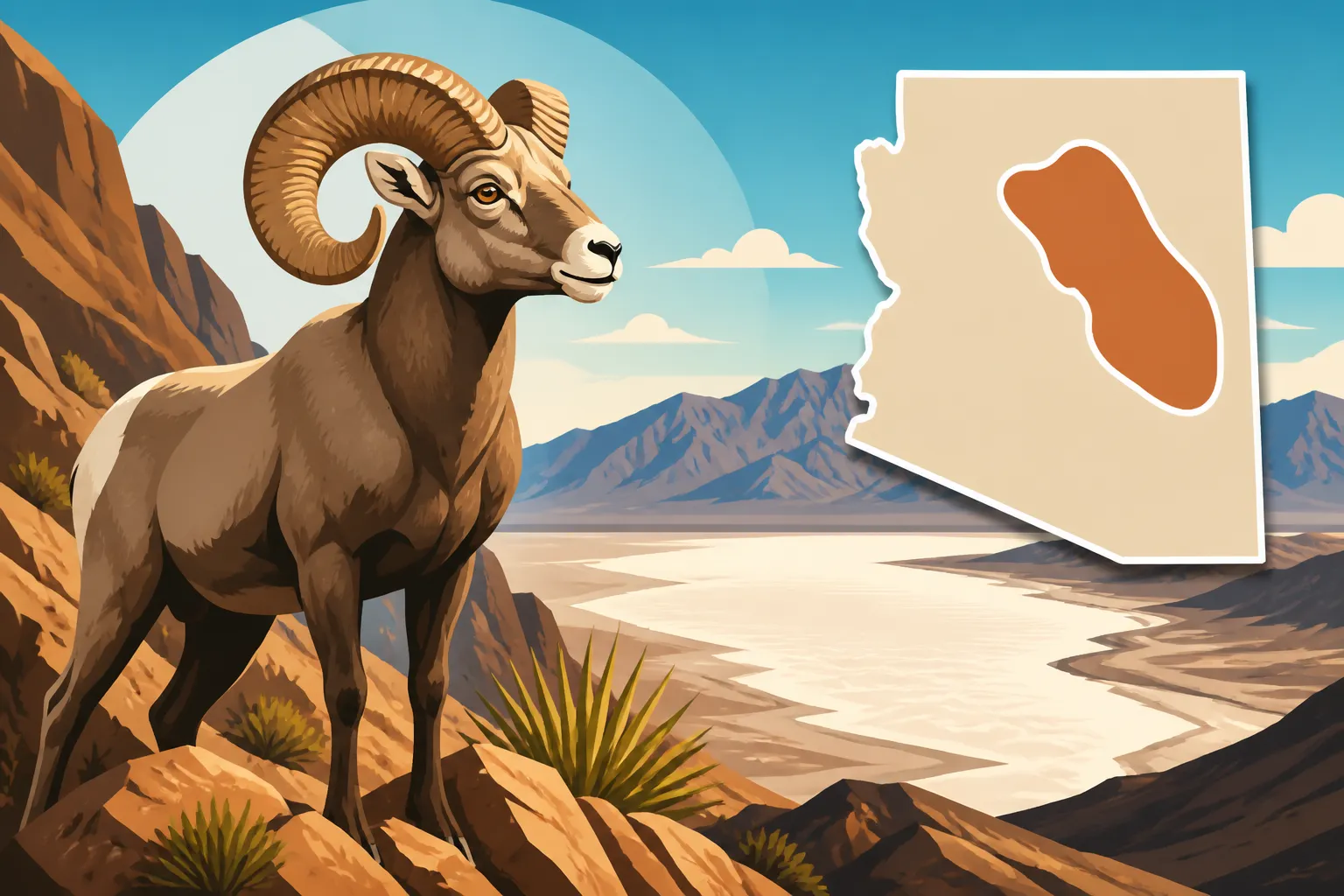
One of the most thrilling prospects for any hunter in Arizona is the chance to pursue a bighorn sheep. But when we talk about bighorns, many folks immediately picture the iconic Desert Bighorn, scrambling up a rugged, sun-baked mountain. What often gets overlooked is that Arizona is also home to a distinct population of Rocky Mountain Bighorn Sheep, and for those in the know, the Salt River corridor is where you'll find them. It's a different kind of challenge, with unique terrain and a different flavor of wilderness, and understanding this specific habitat is key to even dreaming of a successful hunt.
Understanding Arizona's Two Bighorn Species
Arizona is truly unique in that it hosts two distinct subspecies of bighorn sheep: the Desert Bighorn (Ovis canadensis mexicana) and the Rocky Mountain Bighorn (Ovis canadensis canadensis). While both are magnificent animals, their preferred habitats, physical characteristics, and management strategies differ significantly. This distinction is crucial for any hunter considering a bighorn tag, as it directly influences where you'll scout, how you'll hunt, and even how you think about the draw.
The Desert Bighorn, as its name suggests, thrives in the arid, craggy mountain ranges of southern and western Arizona. These sheep are built for the heat, with lighter coats and adaptations that allow them to survive in extremely dry conditions. Their world is one of sparse vegetation, steep volcanic hillsides, and distant waterholes. Hunting these animals often involves grueling climbs in scorching temperatures, focusing on finding isolated groups in the vastness of the desert mountains. For a deeper dive, consider reading about Desert Bighorn in Arizona's Mountain Ranges.
In contrast, the Rocky Mountain Bighorn Sheep in Arizona prefers the more riparian and mountainous environments, particularly those associated with perennial water sources. While still remarkably tough, they are typically larger-bodied, with darker, thicker coats designed for cooler temperatures found at higher elevations or in shadier, canyon environments. Their habitat along the Salt River provides a unique mix of steep, rocky canyons and lush riverine vegetation, a stark departure from the traditional desert landscape. The state wisely maintains separate management plans for these two subspecies, which is why Arizona Holds Desert and Rocky Mountain Bighorns and Why Arizona Counts the Bighorns Separately when it comes to allocations and regulations. Knowing which type of bighorn you're pursuing fundamentally changes your approach to the hunt.
| Feature | Desert Bighorn Sheep | Rocky Mountain Bighorn Sheep |
|---|---|---|
| Typical Habitat | Arid, rugged mountain ranges, low desert elevation | Riparian corridors, steep canyons, mid-elevation mountains |
| Primary Range | Southern & Western Arizona (e.g., Kofa, Cabeza Prieta) | Central Arizona (primarily Salt River drainage) |
| Appearance | Lighter coat, typically smaller body | Darker, thicker coat, generally larger body |
| Adaptations | Extreme heat tolerance, efficient water usage | More reliant on consistent water sources, tolerate cooler temps |
| Horn Characteristics | Can be very large, often wider spread | Can be massive, often tighter curl |
The Salt River Corridor: A Bighorn Haven
The Salt River isn't just a scenic waterway; it's a lifeline that carves through central Arizona, creating a ribbon of lush habitat in an otherwise arid landscape. This unique environment is precisely what makes it ideal for Rocky Mountain Bighorn Sheep. The river, fed by runoff from the high country, provides a consistent and reliable water source, which is critical for these animals, especially during the long, hot Arizona summers.
The terrain immediately surrounding the Salt River is characterized by deep, rugged canyons, steep cliffs, and broken mesas. Imagine sheer rock faces plunging down to the river, interspersed with pockets of dense chaparral, ponderosa pine at higher elevations, and a rich riparian zone along the water's edge. This mosaic of habitat offers everything a bighorn needs: escape terrain from predators in the vertical cliffs, abundant forage from diverse plant life, and critical thermal cover in the shaded canyons and dense vegetation. Hunters will quickly realize that navigating this country is a test of physical endurance, requiring careful planning and a healthy respect for the ruggedness of the land.
Accessing these areas can be a significant challenge, which often contributes to the quality of the habitat by limiting human disturbance. Many stretches of the Salt River are only accessible by raft, kayak, or on foot via extremely demanding trails. The remoteness means that the sheep face less pressure and have ample space to thrive. For those who decide to embark on a DIY hunt, or even extensive scouting, understanding Water Sources That Concentrate Arizona Desert Game is paramount, but for Rocky Mountain Bighorns along the Salt, the river itself is the ultimate water source, and the surrounding terrain dictates everything else. Before planning any extensive trips, using tools for E-Scouting an Arizona Unit Before the Season and platforms like GoHunt to understand the topography and land ownership can save countless hours and prevent unforeseen obstacles.
Key Rocky Mountain Bighorn Areas Along the Salt River
While bighorn sheep are naturally wide-ranging, certain stretches of the Salt River system consistently hold these magnificent animals. Their distribution is closely tied to the topography that offers escape cover and the availability of suitable forage. You'll generally find them along the steeper, more inaccessible canyon sections, particularly where the river cuts through the higher, more mountainous terrain.
Areas downstream from Roosevelt Lake, where the Salt River flows through a series of deep canyons, are prime examples. Here, the river is often constrained by formidable cliffs, creating a natural fortress for the bighorns. These canyons provide the vertical relief they depend on for safety from predators like mountain lions, and the cool, shaded microclimates offer respite from the sun. Similarly, stretches further upstream and into the wilderness areas that feed the Salt River, such as those within the Tonto National Forest, also host populations. These areas might not have the immediate river access of the lower canyons, but they offer similar rugged terrain and consistent water, making them ideal bighorn haunts. When you're studying maps, pay close attention to the designated wilderness boundaries and the sections of river that look like a tangled knot of contour lines – that's where the sheep tend to be.
Hunting or even just observing these animals requires patience and often a good set of optics. A quality spotting scope and binoculars are indispensable for picking apart the vast, broken country. Because of the challenging terrain and the sheep's natural wariness, getting a shot can be incredibly difficult. For those fortunate enough to draw one of these highly coveted tags, remember that Ram Curl Requirements Arizona Enforces for bighorn sheep are strict, and ethical shot placement is paramount. Understanding the intricacies of the draw, including important deadlines like the Arizona Bighorn Sheep Application Deadline and utilizing comprehensive data from services like GoHunt, can help you strategically plan for these once-in-a-lifetime opportunities. It's a hunt that demands respect for the animal and the landscape, a true test of a hunter's skill and determination.
Scouting and Accessing Salt River Bighorn Country
Successfully hunting Rocky Mountain Bighorns along the Salt River is less about luck and more about meticulous preparation and a deep understanding of the landscape. The sheer ruggedness of the terrain makes scouting a critical, yet physically demanding, endeavor. This isn't country where you can just drive around in your truck and glass from the road. You need to put boots on the ground, or, in many cases, put a boat in the water.
One of the most effective ways to begin scouting is to utilize high-quality mapping software and satellite imagery. Platforms like GoHunt and other mapping resources allow you to virtually explore the river corridor, identifying potential bedding areas on steep slopes, escape routes, and key benches where sheep might feed. Look for areas with a mix of cliffs, open slopes, and dense cover. Pay attention to tributaries and side canyons, as these can also hold sheep. Remember, Reading an Arizona Unit Boundary Before You Apply is vital, but understanding the smaller, micro-terrain features within those boundaries is what truly makes a difference in sheep hunting. Identifying areas of the Tonto National Forest Ground in Arizona that directly border the Salt River, and then overlaying topographical maps, can reveal prime bighorn habitat.
Actual physical access to these areas often presents the biggest hurdle. Many prime sections of the Salt River are deep within wilderness or roadless areas. This means long hikes, often involving significant elevation changes, or floating the river itself. Kayaks, canoes, or rafts can be invaluable tools for covering ground along the river, allowing you to access areas that are virtually impossible to reach on foot. However, navigating the Salt River can also be challenging, with rapids and fluctuating water levels, so appropriate river skills and safety precautions are essential. If you're serious about getting into these remote areas, consider multi-day backpacking trips, packing in all your supplies and setting up spike camps. This kind of physical dedication is what separates successful bighorn hunters from those who just dream about it. Learning How Biologists Count a Desert Big Game Herd can even provide insights into their movement patterns and preferred areas, which can be adapted to Rocky Mountain Bighorns as well, helping you understand where to focus your scouting efforts.
Disclaimer
This article is for general informational purposes only and does not constitute professional advice. Laws, prices and regulations vary by location and change over time. Consult a qualified professional for guidance on your specific situation.