Where the Free-Ranging Bison Herds Live
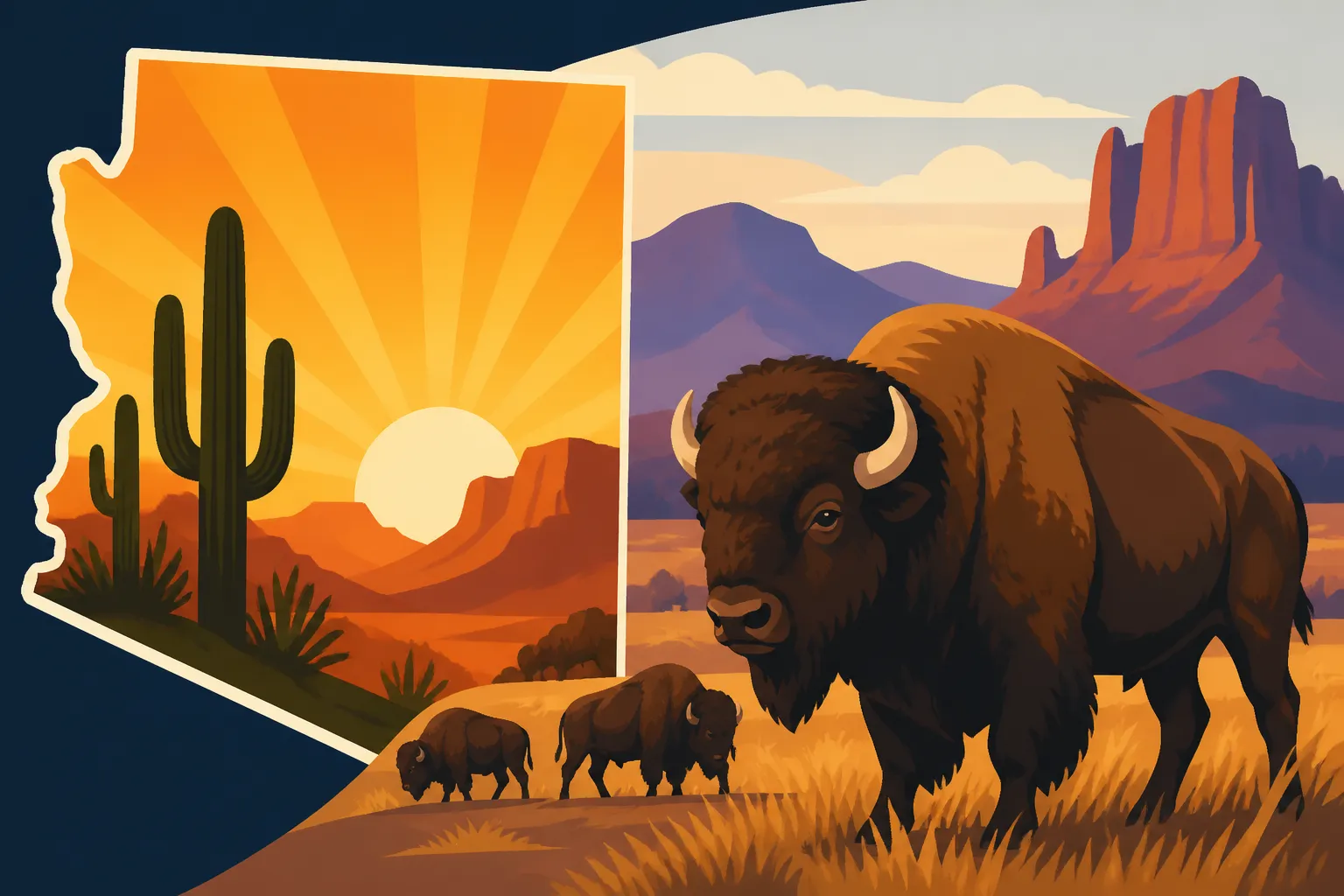
Hunting Arizona's wild, free-ranging bison herds is a truly unique pursuit, but simply finding where these magnificent animals roam can be one of the biggest challenges. Many aspiring adventurers spend countless hours scouting only to realize they're searching in the wrong areas or misunderstanding their patterns. This comprehensive guide aims to clear up that confusion, revealing the specific strongholds of Arizona's bison populations and offering insights into their behavior and habitat so you can better plan your next great outdoor adventure, whether for observation or to pursue a highly coveted tag.
The Iconic Arizona Bison Herds
When most folks think of bison, vast plains of the Midwest come to mind, not the rugged desert and pine forests of Arizona. Yet, our state is home to two distinct, free-ranging herds that have carved out a unique existence in truly spectacular landscapes. Understanding where these herds are located is the first step to experiencing these incredible creatures.
The House Rock Wildlife Area Herd
The House Rock Wildlife Area, nestled on the expansive Kaibab Plateau north of the Grand Canyon, is perhaps the most well-known stronghold for Arizona's bison. This herd has a long and storied history, tracing its lineage back to a small number of bison introduced to the area in the early 1900s. Over the decades, they've adapted to the high desert grasslands and ponderosa pine forests that characterize this remote corner of northern Arizona.
The terrain here is a mix of open meadows, rolling juniper flats, and dense pine timber, providing ample forage and cover. Hunters and wildlife enthusiasts alike travel great distances hoping to spot these giants. Access to the House Rock Wildlife Area can be challenging, often requiring high-clearance vehicles on rough dirt roads, especially during wet weather. Checking road conditions and mapping out your route using tools like GoHunt or a detailed paper map is crucial. This herd is actively managed by the Arizona Game and Fish Department, making it the primary source for huntable bison tags in the state, which are famously difficult to draw. For more specifics on these majestic animals, you can dive deeper into Arizona Bison on House Rock Wildlife Area.
Grand Canyon National Park Bison
Beyond the managed herd at House Rock, a second, increasingly prominent bison population resides within the boundaries of Grand Canyon National Park, specifically on the North Rim. This herd is comprised of animals that historically migrated from the House Rock area into the protected lands of the park. Over time, they established a year-round presence, and their numbers have grown considerably.
The Grand Canyon herd poses unique management challenges due to its location within a national park, where hunting is generally prohibited. Their presence has sparked considerable debate regarding ecological impacts on the delicate park ecosystem, particularly on riparian areas and archaeological sites. Park visitors often catch glimpses of these bison grazing in meadows along the North Rim scenic drives, offering a truly wild encounter. While not huntable within the park, their movements are often influenced by the same factors as their House Rock counterparts, offering valuable insight into bison behavior. Understanding the dynamics of this herd can be enlightening, and more details can be found in Bison in Grand Canyon National Park.
Understanding Bison Habitat and Behavior
Bison are magnificent creatures, perfectly adapted to their environment. However, their movements and concentrations are heavily dictated by the availability of forage, water, and suitable cover. Knowing what to look for can significantly increase your chances of finding them, whether you're carrying a camera or a coveted tag.
Grazing Habits and Preferred Terrain
Bison are primarily grazers, meaning they thrive on grasses and forbs found in open pastures and meadows. In Arizona, this translates to an affinity for the vast grasslands and clearings found within the ponderosa pine forests of the Kaibab Plateau and the North Rim. You'll often find them in areas where fire has recently swept through, creating lush new growth.
Their massive size requires a significant amount of forage daily, which means they are constantly on the move, slowly but surely, across the landscape. They aren't typically found in thick, dense timber for long periods, preferring to move through it to get to the next open grazing area. When scouting, focus your efforts on these transitional zones—the edges of forests bordering large meadows or old burns. Pay attention to signs like fresh droppings, wallows (dusty depressions where bison roll), and rubbed trees, all indicating recent bison activity.
Seasonal Movements and Water Sources
Like most large ungulates, bison movements are influenced by the seasons and, critically, by the availability of water. Arizona's arid climate makes water sources paramount. During the warmer months, especially the hot dry period before the monsoon rains, bison will stay closer to reliable water – stock tanks, natural springs, and even man-made water catchments. These can become major congregation points. For those learning about desert ecosystems, understanding Water Sources That Concentrate Arizona Desert Game is key.
As winter approaches and snow begins to fall on the high plateaus, bison may adjust their ranges, seeking areas with shallower snow depths where forage is still accessible. However, their sheer size allows them to move through snow that would hinder smaller animals. After the spring melt, they might spread out more, taking advantage of new green-up across broader areas. Keep in mind that heavy rains, especially during monsoon season, can turn dry washes into impassable rivers, and some forest roads might become mud bogs. Always consider seasonal weather patterns when planning your trip to bison country.
Observing Arizona's Wild Bison Ethically
Encountering a wild bison is an unforgettable experience, but it's crucial to do so safely and ethically. These are large, powerful, and unpredictable animals, and respecting their space is paramount for both your safety and their well-being.
Best Times and Locations for Viewing
The best times to observe bison are typically at dawn and dusk, when they are most active. During the heat of the day, especially in summer, they may seek shade or bed down in dense cover. Focusing your efforts during these crepuscular hours will yield the best results. Utilize high vantage points for glassing large areas; powerful optics are essential for spotting these animals from a safe distance without disturbing them. You might be surprised at the ground you can cover with good glass, as detailed in Optics Power for Arizona's Long Desert Sightlines.
For the House Rock herd, specific roads and trails traversing the Kaibab Plateau offer good viewing opportunities. Within Grand Canyon National Park, the North Rim Parkway and its various pullouts, particularly those overlooking meadows, are excellent starting points. Always keep an eye out for park or forest service advisories, as areas might be temporarily closed for bison management or due to seasonal conditions. Consulting resources like GoHunt can help you identify public land access and potential travel corridors where bison are known to roam.
Safety Guidelines Around Bison
The most critical rule when observing bison is to maintain a safe distance. Bison are not domesticated cattle; they are wild animals, and they can be incredibly fast and aggressive, especially if they feel threatened, if there are calves present, or during the rut. A good rule of thumb is to stay at least 100 yards (the length of a football field) away. If a bison changes its behavior—lifts its head, stares at you, paws the ground, or flags its tail—you are too close.
Never approach a bison, whether on foot or in a vehicle. If you encounter one on a trail, give it a wide berth or, if necessary, turn around and find an alternate route. Never get between a cow and her calf. Teach children to respect wildlife from a distance. These aren't animals to be taken lightly; they are fully capable of inflicting serious injury or worse.
Resources for Planning Your Trip
Planning a trip to see or hunt Arizona's bison requires preparation. The Arizona Game and Fish Department (AZGFD) website is an invaluable resource, offering detailed information on hunt units, regulations, and public land access. Similarly, the National Park Service provides specific guidelines for visitors to the Grand Canyon North Rim, including safety information regarding bison.
Digital mapping applications, such as GoHunt, are incredibly useful for identifying land ownership, topographical features, and potential access points. You can overlay various layers to see Where Arizona Publishes Unit Access Maps or learn How Arizona Numbers Its Game Management Units. Furthermore, always carry physical maps as a backup, along with a compass or GPS device, as cell service can be spotty to non-existent in these remote areas. Before venturing into these wildlands, be sure to prepare adequately, paying attention to What an OHV Decal Covers on Trust Land if you plan on using off-highway vehicles, and check if E-Scouting an Arizona Unit Before the Season can help with your pre-trip planning.
Management and Conservation of Arizona Bison
The presence of free-ranging bison in Arizona is a testament to dedicated conservation efforts, but it also presents ongoing management challenges. Balancing population health, ecological impacts, and public interest requires careful planning and execution by state and federal agencies.
Arizona Game and Fish Department's Role
The Arizona Game and Fish Department (AZGFD) plays a primary role in managing the House Rock bison herd, particularly concerning population levels and herd health. Their goal is to maintain a healthy, sustainable herd that is compatible with the habitat available and minimizes conflicts with other wildlife and land uses. This involves regular monitoring of bison numbers, habitat conditions, and health assessments.
The AZGFD implements management strategies that include controlled hunting to keep the herd within desired population objectives. These hunts are meticulously planned, and tags are among the most difficult to acquire in Arizona, reflecting the rarity and desirability of hunting bison. The detailed Arizona Bison Draw Odds reveal just how competitive these opportunities are, underscoring the success of the department's conservation efforts in sustaining a viable population.
Population Control and Special Hunts
For the House Rock herd, controlled hunts are a crucial tool for population management. These hunts allow for the careful removal of a specific number of animals each year, helping to prevent overgrazing, habitat degradation, and potential disease outbreaks that can occur in unchecked populations. While controversial to some, ethical, regulated hunting is a recognized and effective wildlife management practice endorsed by conservation organizations worldwide. You can look at how Arizona Fall Bison Against Spring Bison hunt seasons are structured for more insight into these limited opportunities.
Within Grand Canyon National Park, direct hunting is not permitted. However, the National Park Service (NPS) collaborates with AZGFD to manage the bison that roam onto park lands. This has involved strategies like hazing animals back towards the House Rock area, fencing, and even controversial lethal removal operations to reduce their numbers within the park boundaries. These efforts highlight the complex nature of managing large, charismatic megafauna across different jurisdictions and land management objectives. Learning to understand Reading an Arizona Unit Before You Ever Walk It can assist in distinguishing where different management policies apply.
Ultimately, Arizona's free-ranging bison herds are a precious resource, offering a glimpse into the state's wild heritage. Whether you're a nature photographer, a casual observer, or a hunter hoping to draw that once-in-a-lifetime tag, knowing where these incredible animals live is the first step toward a memorable Arizona experience.
| Herd Location | Primary Habitat | General Population Size (Estimate) | Best Viewing Approach | Management |
|---|---|---|---|---|
| House Rock Wildlife Area | High Desert Grasslands, Ponderosa Pine | Managed for optimal herd health | Glassing from roadsides and vantage points | AZGFD via managed hunts |
| Grand Canyon North Rim | Aspen Forests, Meadows, Ponderosa Pine | Variable, subject to management | North Rim scenic drives, hiking trails (distant) | NPS with AZGFD consultation (non-hunting) |
Disclaimer
This article is for general informational purposes only and does not constitute professional advice. Laws, prices and regulations vary by location and change over time. Consult a qualified professional for guidance on your specific situation.