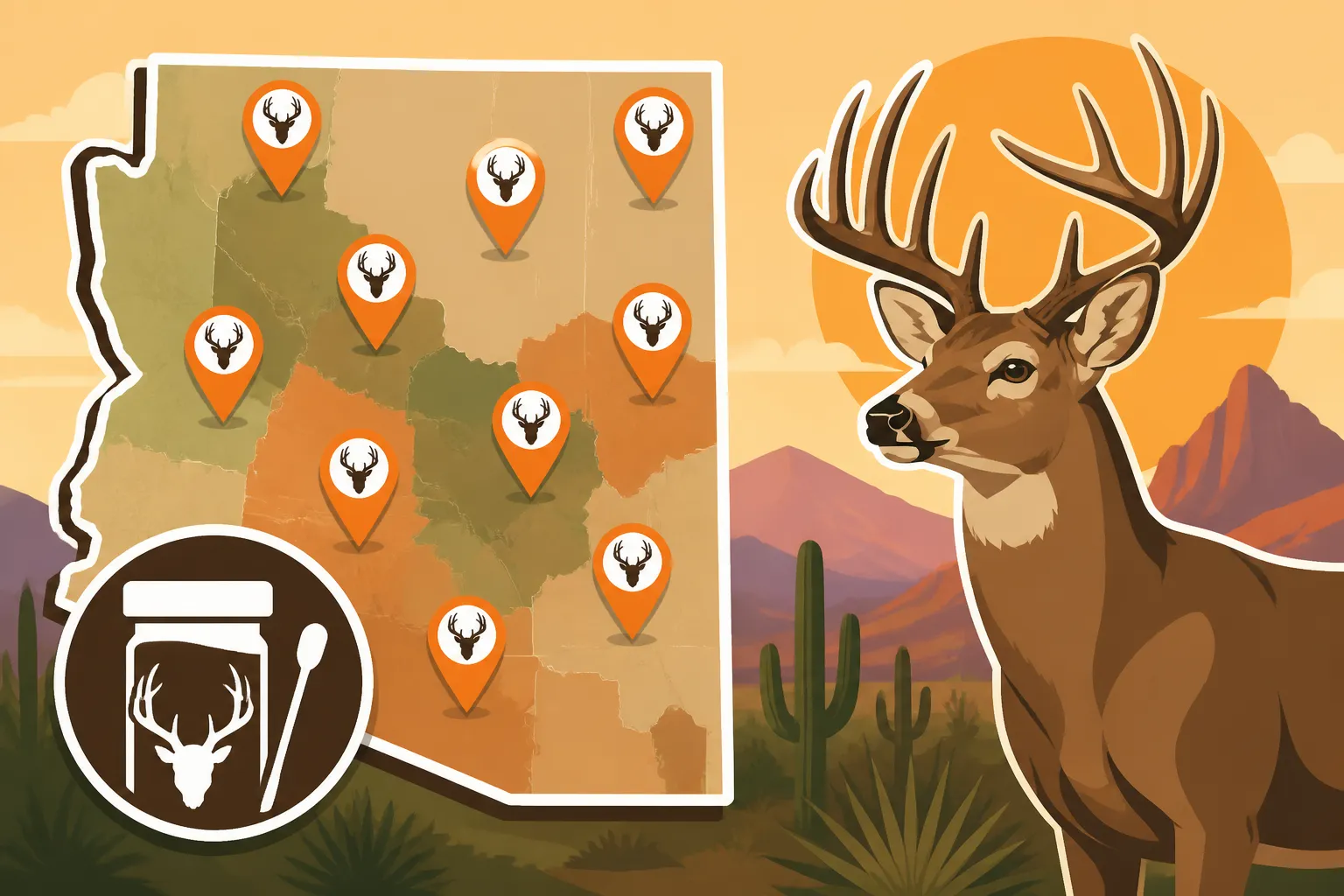
Where Arizona CWD Sampling Stations Are
The news about Chronic Wasting Disease (CWD) can feel pretty unsettling, especially when you’re out in the Arizona backcountry doing what you love. You've just tagged an animal, and now you're faced with the responsibility of ensuring your harvest is part of the solution, not the problem. This guide will walk you through exactly where you can find CWD sampling stations across Arizona, what to expect when you get there, and how to make the process as smooth as possible for both you and the wildlife managers working to protect our herds.
Understanding the Importance of CWD Sampling in Arizona
When you invest so much time, energy, and hope into drawing a tag and pursuing an animal, the last thing you want to think about is a disease impacting the very herds you cherish. But CWD is a real threat, and our participation as hunters in monitoring efforts is absolutely critical for the health of Arizona's wildlife.
Why CWD is a Concern for Arizona Hunters
CWD is a progressive, fatal neurological disease that affects cervids—that's deer, elk, and moose. It’s caused by abnormal proteins called prions, and once an animal contracts it, there's no recovery. The long-term effects on herd health, population dynamics, and even the future of hunting opportunities are significant. Imagine a future where the majestic elk on the Mogollon Rim or the elusive Coues deer in the Sky Islands are severely impacted; it's a sobering thought. That's why Arizona Game and Fish Department (AZGFD) is proactive. They want to detect it early, understand its spread, and implement management strategies to mitigate its impact. For hunters, it means being aware, responsible, and a partner in wildlife conservation. It’s not just about filling your freezer; it's about protecting the resource for generations to come.
The Role of Sampling in Protecting Our Herds
Sampling is the cornerstone of CWD surveillance. Think of it like a doctor running tests to catch an illness early. By collecting samples—typically lymph nodes or brain stem tissue—from harvested animals, biologists can determine if CWD is present in a specific area, and if so, how widespread it might be. Without this data, they'd be flying blind. Every sample provided by a hunter is a piece of the puzzle that helps AZGFD map the disease, understand its prevalence, and make informed decisions about herd management. It's how they track changes year over year and allocate resources to monitor high-risk areas. Your five minutes at a sampling station contribute directly to the health of the entire state's cervid population, ensuring that we can all continue to enjoy hunting in Arizona. For more details on the testing process, check out How Chronic Wasting Disease Testing Works.
Locating CWD Sampling Stations Across Arizona
Finding a CWD sampling station might seem like another hurdle after a successful hunt, but AZGFD makes it as straightforward as possible. They understand that you’ve already got a lot on your plate, especially when you’re out in the middle of nowhere.
Seasonal and Permanent Check Stations
Arizona utilizes a combination of permanent and seasonal CWD sampling stations. The permanent stations are often at regional AZGFD offices or designated collection sites that are open year-round during business hours. These are generally your most reliable bet outside of peak hunting seasons. During major deer and elk seasons, however, AZGFD will often set up temporary check stations in key hunting units or along major travel corridors leading out of those units. These seasonal stations are typically well-marked with signs and staffed by friendly AZGFD personnel, volunteers, or even local law enforcement. They'll usually be positioned in areas with high hunter traffic, making it convenient to stop on your way home or back to camp. Keeping an eye on the official AZGFD website and the current year's hunt regulations booklet is always the best way to get the most up-to-date information on when and where these seasonal stations will be active.
Working with Your Local Game and Fish Office
Beyond the designated check stations, your local Arizona Game and Fish Department office is always a resource. If you've harvested an animal and you’re unsure where to go, or if a designated station isn't conveniently located, contacting your nearest regional office is a smart move. They can often arrange for samples to be collected there, or direct you to a cooperating taxidermist or game processor who is authorized to collect samples. It’s always a good idea to call ahead, especially if you’re heading to a regional office, just to ensure staff are available and prepared to assist you. They are there to help, and they appreciate your cooperation in these vital conservation efforts. You can find contact information for these offices in Reading the Arizona Hunt Regulations Booklet.
Here's a quick overview of typical CWD sampling options:
| Station Type | Location Example | Availability | Contact Beforehand? | Notes |
|---|---|---|---|---|
| Regional AZGFD Offices | Phoenix, Tucson, Flagstaff, Mesa | Year-round, during business hours | Recommended | Primary option for non-peak seasons. Call for appointments. |
| Designated Collection Sites | Specific drop-off points | Varies by location | Recommended | Often associated with regional offices or specific initiatives. |
| Seasonal Check Stations | Major roads in popular units | During peak deer/elk seasons | Usually not needed | Well-marked, often mandatory stops for specific hunts. |
| Cooperating Businesses | Taxidermists, Game Processors | Varies by business hours | Required | Call to confirm they are authorized and available for sampling. |
What to Expect When You Bring Your Harvested Animal
Once you’ve successfully harvested your deer or elk, the clock starts ticking, not just for cooling the meat, but also for getting that CWD sample. The process is designed to be efficient, but knowing what to expect can save you time and stress.
The Carcass Transport Rules You Need to Know
Arizona has specific regulations regarding the transportation of cervid carcasses, especially if CWD has been detected in the unit where you harvested your animal. These rules are in place to prevent the inadvertent spread of prions to new areas. Generally, if you're taking your animal to a CWD sampling station or a processor within Arizona, you might transport the entire carcass. However, if you’re leaving an area where CWD has been identified and transporting the animal out of state, or even across certain state lines, there might be restrictions on what parts of the carcass you can legally move. This often means only deboned meat, clean skull plates, antlers, hides, and taxidermy-ready capes are allowed. The goal is to leave behind the parts most likely to harbor prions, such as the brain and spinal column. Always consult the current Arizona hunt regulations or the AZGFD website for the most up-to-date and specific rules for Carcass Transport Rules After a CWD Detection. Planning for this before your hunt can save a lot of headaches later on, especially if you're considering using a tool like GoHunt to map out your travel routes.
The Sampling Process Itself
When you arrive at a CWD sampling station, the process is usually quick and straightforward. You'll need to present your hunting license and tag information. The AZGFD staff or volunteers will then typically ask for the location where you harvested the animal. They will then collect the necessary tissue sample, usually from the head of the animal – specifically, the retropharyngeal lymph nodes or a portion of the brain stem. They are highly trained for this, and it takes very little time, often just a few minutes. You don't need to do any special preparation of the head beforehand, beyond keeping it clean. They will then provide you with information on how and when to check for your sample results. This is also a good opportunity to ask any questions you might have about CWD or other wildlife management concerns. The entire interaction is usually a quick, friendly, and essential part of responsible hunting.
Planning Your Harvest Strategy Around Sampling Needs
Thoughtful planning before your hunt can greatly simplify the CWD sampling process. It's all about anticipating these requirements and integrating them into your overall hunt strategy.
Field Dressing and Prep for Sampling
Proper field dressing is always important, especially for meat care in Arizona's often warm climate. Field Dressing in Desert Heat is a skill every hunter needs. When CWD sampling is a consideration, you'll still field dress as normal, removing the viscera to cool the carcass quickly. However, you'll want to be mindful of preserving the head and neck area if a sample is required. Avoid any damage to the head, particularly around the jaw and upper neck, where the lymph nodes are located. If you plan to cape your animal for taxidermy, discuss this with the sampling station staff. They are skilled in taking samples without compromising your cape. If you're going to a game processor, confirm they are equipped or authorized to handle CWD sampling if it's required in your unit. Having a cooler with ice ready for the head, even for a short trip, can help keep the tissue in good condition for sampling, especially in early season hunts where Getting Meat Cooled on an Early Season Hunt is critical.
Using Resources Like GoHunt for Planning
In today's hunting world, advanced planning tools are invaluable. When you're utilizing resources like GoHunt to e-scout an Arizona unit before the season, you're looking at terrain, water sources, and access points. It's smart to extend that planning to consider CWD sampling. While GoHunt might not directly show sampling station locations (always verify with AZGFD), you can use it to identify major roads and towns that you'll pass through after a harvest. This can help you anticipate potential stops for sampling. For instance, if you're hunting in a remote area, knowing the nearest regional office or a cooperating processor along your route can influence your departure strategy. Furthermore, when you're reading the annual hunt regulations—a document I absolutely recommend reviewing thoroughly—pay close attention to any unit-specific CWD information. Some units might have mandatory check station requirements or specific sampling instructions. Integrating this information into your overall hunt plan, alongside your e-scouting with tools like GoHunt, ensures you're prepared for every eventuality, from Finding Water in Arizona's Dry Country to submitting your CWD sample responsibly.
Disclaimer
This article is for general informational purposes only and does not constitute professional advice. Laws, prices and regulations vary by location and change over time. Consult a qualified professional for guidance on your specific situation.