Bighorn Sheep Disease Die-Offs Explained
It's heartbreaking to talk about, but anyone who cares about Arizona's incredible wildlife, especially our majestic bighorn sheep, knows that disease can sweep through a herd with devastating speed. These die-offs aren't just statistics on a biologist's clipboard; they represent a real loss of those incredible animals we spend so much time dreaming of seeing in the wild, whether we're carrying a tag or just a camera. This guide is here to shed light on what causes these bighorn sheep disease die-offs, why they hit so hard, and what's being done, and what we all can do, to help protect these iconic desert dwellers.
Understanding the Major Culprits Behind Bighorn Die-Offs
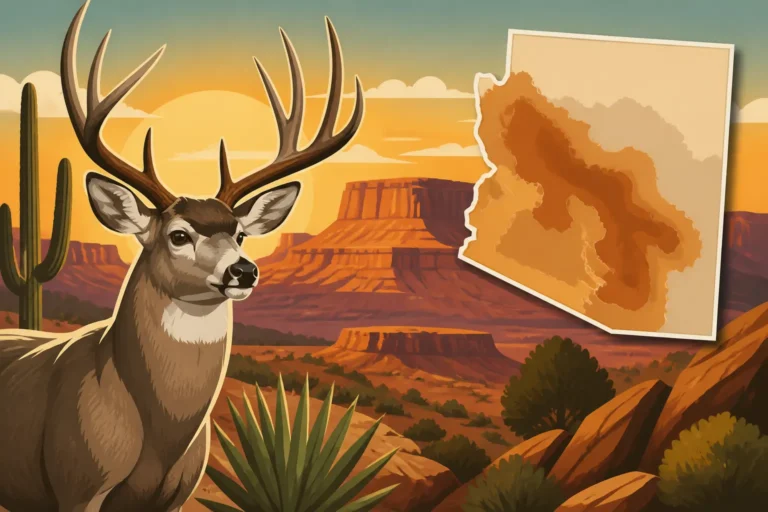
When we talk about bighorn sheep succumbing to disease, it’s rarely a single, isolated factor. Often, a primary pathogen sets the stage for a tragic cascade, weakening animals and making them vulnerable. Arizona is home to both desert and Rocky Mountain bighorns, and while they inhabit different ecosystems, the threats they face from disease share common threads. Arizona Holds Desert and Rocky Mountain Bighorns provides a great overview of these distinct populations.
Mycoplasma ovipneumoniae (M.ovi) – The Primary Threat
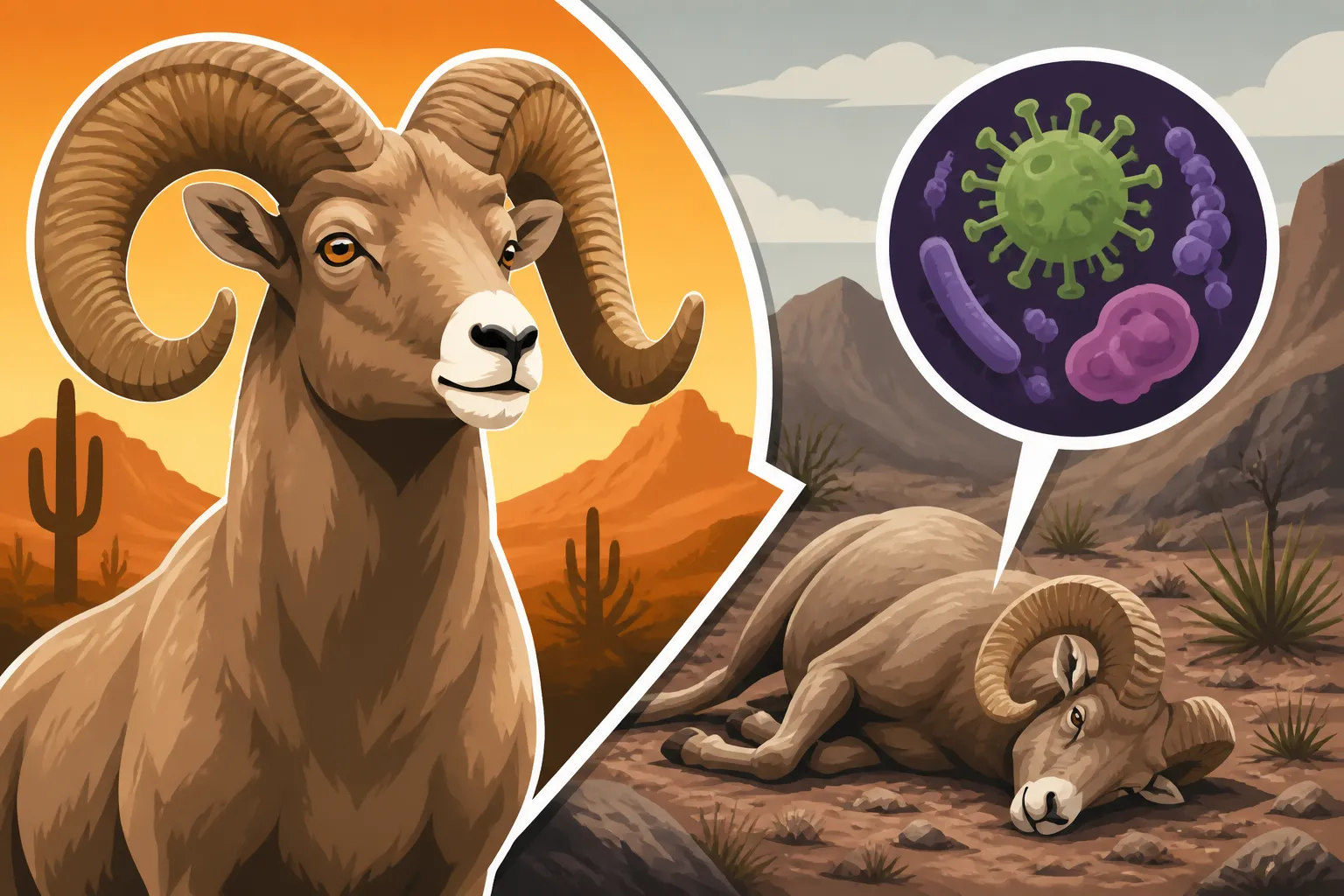
Hands down, the biggest villain in the bighorn disease story is Mycoplasma ovipneumoniae, or M.ovi. This sneaky bacterium is respiratory, meaning it attacks the lungs, and it’s especially lethal to lambs. Imagine trying to run from a predator or climb rugged terrain when your lungs are compromised—it’s a death sentence for many.
The heartbreaking part about M.ovi is how easily it spreads. It often comes from domestic sheep and goats, which can carry the bacterium without showing symptoms. When wild bighorns come into contact with these domestic animals, or even just graze in areas where domestics have been, the infection can jump species. Once it's in a bighorn herd, it can spread like wildfire, causing severe pneumonia. Adults often suffer chronic infections, becoming carriers themselves, but it’s the lambs that truly pay the heaviest price, with mortality rates often reaching 80-100% in newly infected herds. This generational loss is what makes recovery so incredibly slow.
Other Contagions and Stress Factors
While M.ovi gets most of the attention, it’s not the only threat. Bighorn sheep can also suffer from other bacterial infections, viral diseases, and parasites that can weaken their immune systems. Think of it like a human flu season; while the flu might be the main culprit, secondary infections like bacterial pneumonia can be what truly takes someone down.
Beyond specific pathogens, environmental stressors play a massive role. A severe drought, for example, reduces forage quality and water availability, forcing bighorns to travel further and expend more energy. This stress compromises their immune systems, making them far more susceptible to any illness that comes their way. When you combine a weakened herd with the introduction of a virulent disease like M.ovi, the stage is set for a major die-off event. It's a complex web of factors, and biologists constantly monitor these populations, looking at everything from How Biologists Count a Desert Big Game Herd to water availability, to understand the full picture.
The Devastating Impact on Arizona's Bighorn Populations
When a disease sweeps through a bighorn herd, the consequences are far-reaching, affecting not just the immediate numbers but the long-term viability of the population. Arizona’s bighorns, from the rugged desert ranges to the riparian areas holding Rocky Mountain bighorns, are particularly vulnerable due to their naturally fragmented habitats and slow reproductive rates. Why Arizona Counts the Bighorns Separately highlights the distinctions in these populations, which can also mean distinct challenges in management.
How Die-Offs Affect Herd Structure and Stability
The immediate impact of a die-off is, of course, a dramatic reduction in herd size. But it’s more nuanced than just fewer sheep. Because M.ovi often targets lambs so heavily, a die-off can create a “missing age class” in the population. This means fewer young animals to recruit into the breeding population in future years, leading to a long period of depressed numbers. Mature ewes, which are the backbone of any bighorn population, can also be severely impacted, further slowing recovery.
Consider a herd that loses almost all its lambs for a few consecutive years. Even if the adult sheep survive, it could take a decade or more for enough new animals to reach breeding age to begin rebuilding the population to its previous levels. This bottleneck effect severely impacts genetic diversity and resilience, making the herd even more vulnerable to future challenges. It's not uncommon for herds to take twenty years or more to show signs of significant recovery after a major M.ovi die-off.
Tracking and Managing Disease Outbreaks in Arizona
Arizona Game and Fish Department (AZGFD) takes bighorn health incredibly seriously. Their biologists are constantly in the field, often working in incredibly remote and rugged terrain to monitor bighorn populations. This involves aerial surveys, ground observations, and even deploying specialized collars to track individual animals and herd movements. When a die-off is suspected, they move quickly to collect samples from affected animals to determine the cause, often testing for a range of pathogens.
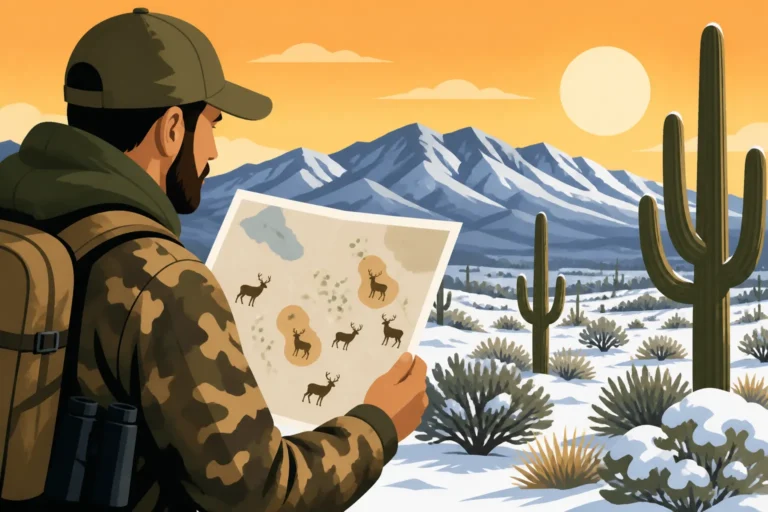
Managing these outbreaks is a monumental challenge. The vastness of Arizona’s bighorn habitat, combined with the bighorns' reclusive nature, makes direct intervention extremely difficult. Efforts often focus on surveillance, understanding disease pathways, and implementing management strategies to prevent future outbreaks rather than treating individual sick animals. Understanding Where Arizona Publishes Population Estimates can give you a glimpse into the data that drives these critical management decisions, often informed by tools like GoHunt's mapping overlays for habitat and population data.
Strategies to Mitigate Disease Transmission and Aid Recovery
While the challenges are immense, dedicated efforts are underway to protect Arizona's bighorn sheep from disease. It's a multi-faceted approach, involving land management, scientific research, and crucially, the cooperation of everyone who shares the landscape.
Separation from Domestic Sheep and Goats
The most critical and often most contentious strategy revolves around keeping wild bighorn sheep separated from domestic sheep and goats. Since M.ovi frequently originates from domestic herds, maintaining buffer zones and preventing co-mingling is paramount. This can involve adjusting grazing allotments for domestic livestock in areas where bighorn sheep are present or are being reintroduced.
It's a delicate balance, as both domestic livestock producers and bighorn conservationists have valid interests in the land. However, the scientific consensus is clear: contact between the two groups poses an unacceptable risk to wild bighorns. Ongoing dialogue and adaptive land management plans, informed by entities like GoHunt who track land ownership and usage, are essential to create landscapes where both can thrive without imperiling bighorn populations.
Research, Vaccinations, and Habitat Management
The scientific community is tirelessly working on solutions. Researchers are delving deeper into the genetics of M.ovi, trying to understand how it evolves and how bighorns respond to it. The development of an effective vaccine for bighorn sheep against M.ovi is a "holy grail" for many, but it's a complex endeavor, fraught with challenges related to vaccine delivery, efficacy across different bighorn populations, and the sheer logistics of vaccinating wild animals.
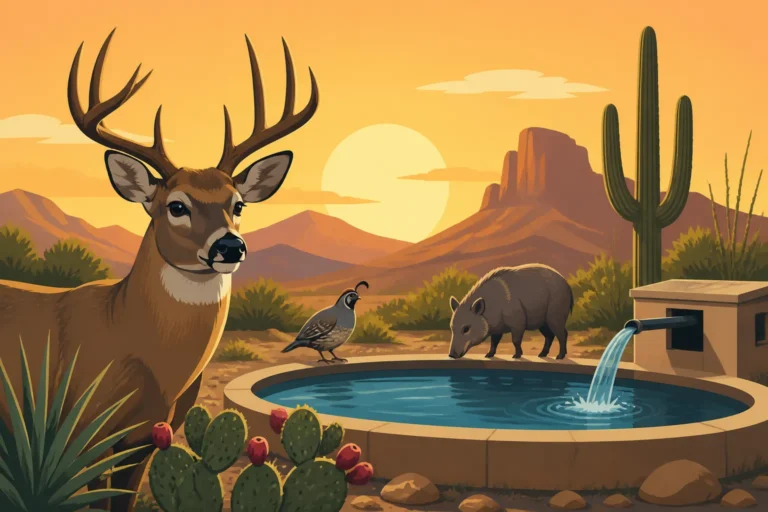
Beyond direct disease intervention, habitat management plays a crucial role. Healthy bighorn sheep living in robust habitats are naturally more resilient to disease. Projects aimed at improving water sources—like Water Development Projects Built for Wildlife—or enhancing forage quality can bolster herd health. Predator management can also indirectly help by reducing stress on herds, though it's not a silver bullet against disease. These efforts often fall under a broader Reading a Herd Unit Management Plan, which outlines long-term conservation goals.
Hunter's Role in Prevention and Reporting
Hunters are often the eyes and ears of wildlife agencies, spending countless hours in remote areas where biologists can't always be. If you're out scouting or hunting, and you come across a bighorn sheep that appears sick, lethargic, or out of place, it is absolutely critical to report it to the Arizona Game and Fish Department immediately. These early warnings can be vital in understanding and potentially containing an outbreak.
Furthermore, hunters play a role in preventing the spread of disease. Understanding and adhering to carcass transport rules, for example, which might restrict moving certain parts of an animal across unit lines, is a responsible practice that limits disease transmission. While these rules are often discussed in the context of CWD, such as Carcass Transport Rules After a CWD Detection, the principle applies to preventing the spread of any potential pathogen. Supporting conservation organizations and participating in programs like How Arizona Auctions Conservation Tags also provides crucial funding for research and management efforts that directly benefit bighorn health.
The Long Road to Recovery and Conservation Efforts
Bringing bighorn sheep populations back from the brink of disease-induced die-offs is a marathon, not a sprint. It requires patience, sustained effort, and a collaborative spirit among agencies, conservation groups, and the public. Arizona’s commitment to these magnificent animals is evident in the ongoing work to ensure their future.
Transplant Programs and Herd Rebuilding
One of the most effective tools in a wildlife manager's arsenal for rebuilding bighorn populations after severe die-offs, or for establishing new herds in suitable historical habitat, is the use of transplant programs. This involves carefully capturing healthy bighorns from robust source populations and relocating them to areas where numbers are low or non-existent.
These transplants are meticulously planned operations, often involving helicopters, skilled capture teams, and veterinarians to ensure the health and safety of the animals. Once released into their new home, these transplanted sheep are closely monitored to assess their adaptation, reproductive success, and overall health. Transplant Programs That Rebuilt Herds have a proven track record in Arizona and across the West, showing that with careful planning and execution, it is possible to bring these populations back. However, the threat of disease in the new habitat remains a significant consideration for every transplant.
Collaborations and Future Outlook for Arizona Bighorns
The future of Arizona's bighorn sheep depends on a powerful combination of science, funding, and public support. The Arizona Game and Fish Department leads the charge, but they are not alone. Organizations like the Arizona Desert Bighorn Sheep Society, the Wild Sheep Foundation, and numerous other conservation groups provide critical funding, volunteer hours, and advocacy for bighorn conservation.
These collaborations enable long-term research, habitat improvement projects, and ongoing monitoring efforts. While the threat of disease die-offs, particularly from M.ovi, remains a significant concern, the collective dedication to bighorn conservation offers a hopeful outlook. Tools like GoHunt help hunters and enthusiasts alike understand population trends and draw odds, like Arizona Desert Bighorn Draw Odds, which in turn helps gauge the health and vibrancy of these herds. By continuing these efforts, supporting sound wildlife management, and remaining vigilant, we can all contribute to ensuring that bighorn sheep continue to grace Arizona's rugged landscapes for generations to come.
Disclaimer
This article is for general informational purposes only and does not constitute professional advice. Laws, prices and regulations vary by location and change over time. Consult a qualified professional for guidance on your specific situation.