Wilderness Areas Inside Arizona Forests
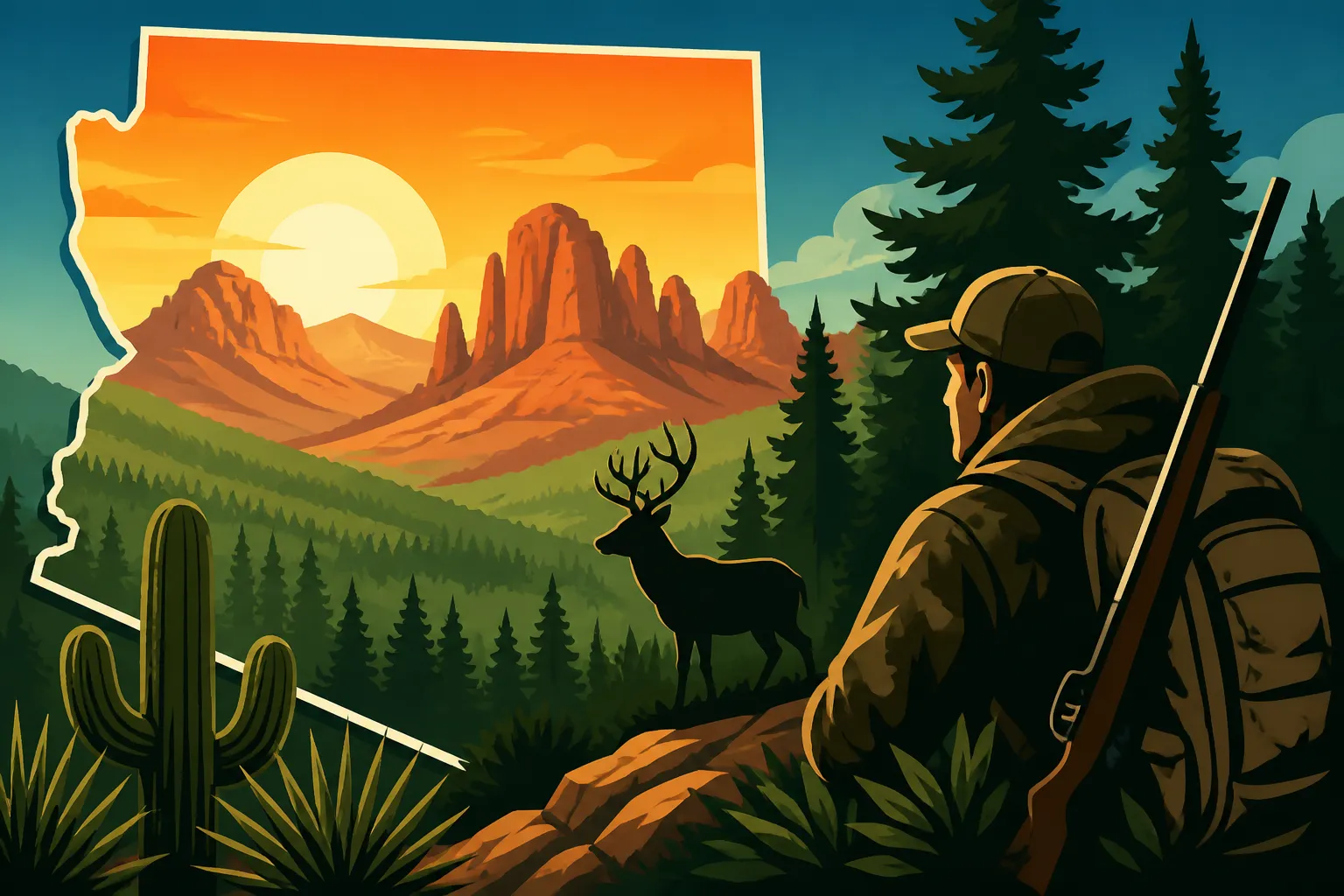
Venturing into Arizona's vast and diverse landscapes, many hunters dream of truly escaping the crowds and experiencing the wild as it once was. But the idea of hunting in designated wilderness areas can feel overwhelming, shrouded in mystery about what's allowed, what's expected, and how you even begin to prepare for such an endeavor. This guide is here to demystify hunting within Arizona's magnificent wilderness, helping you understand the rules, the unique challenges, and the immense rewards of pursuing game in these protected, untouched spaces.
Understanding Arizona's Wilderness Areas
When we talk about "wilderness," it's not just a poetic description; it's a specific legal designation that carries significant implications for how you can interact with the land, especially as a hunter. These areas are set aside to preserve their natural character, offering unparalleled opportunities for solitude and primitive recreation, but also requiring a particular mindset and skill set from those who enter.
What Defines a Wilderness Area?
Wilderness Areas in Arizona, like those across the nation, are part of the National Wilderness Preservation System. They are generally managed by agencies like the U.S. Forest Service or the Bureau of Land Management (BLM) and are legally defined by several key characteristics. They are roadless, often over 5,000 acres, and primarily affected by the forces of nature, with human influence being substantially unnoticeable. The purpose is to protect these lands for their ecological, geological, and historical value, and to provide opportunities for solitude and unconfined recreation. This means no permanent improvements like roads, buildings, or motorized equipment are allowed, fostering an environment where you truly depend on your own two feet and the land itself.
Imagine a place where the only sounds are the wind through the ponderosa pines or the distant call of a coyote, where your path is a game trail or a rocky wash, not a graded road. That's the essence of wilderness. It's a commitment to a wilder experience, where nature dictates the terms, and you, as a hunter, become a part of its intricate balance. These aren't just pretty places; they're living testaments to what our natural world can be when left largely untouched.
How Wilderness Designation Impacts Hunting Access
The primary impact of wilderness designation on hunting is the prohibition of motorized and mechanized travel. This means no ATVs, dirt bikes, mountain bikes, chainsaws, or even game carts with wheels. If you're going into the wilderness, you're going on foot or with pack stock like horses or mules. This immediately filters out a large segment of hunters, leading to less pressure and a more primitive experience for those who choose to delve in. Retrieving game from these areas becomes a significant physical challenge, often requiring multiple trips on foot or the use of pack animals.
Furthermore, traditional scouting methods involving vehicle access to remote trailheads are simply not an option deep within wilderness boundaries. Hunters must be prepared to hike miles just to reach prime hunting grounds, and even further to pack out a harvested animal. This demands a higher level of physical fitness, meticulous planning, and a deep understanding of navigation. This challenge is precisely what draws many dedicated hunters to these areas, seeking a purer, more demanding hunting adventure. The isolation often means fewer other hunters, creating a profound sense of being truly alone in the wild with the game.
The Philosophy Behind Wilderness Protection
The philosophy behind wilderness protection is deeply rooted in preserving pristine ecosystems and offering a unique human experience. It's about protecting areas where natural processes can unfold without significant human intervention, allowing wildlife to thrive in undisturbed habitats. For hunters, this translates to healthier animal populations that haven't been constantly pressured by roads and easy access. It also nurtures a sense of self-reliance and connection to nature that is often lost in more accessible hunting areas.
This philosophy is not about keeping people out, but about ensuring that those who enter do so with respect for the wild character of the land. It encourages a deeper appreciation for the effort required to immerse oneself in truly wild spaces. When you’re miles from the nearest road, carrying everything you need on your back, you develop a profound respect for the resources and the resilience of the ecosystem. It's about experiencing the wild on its own terms, and in doing so, fostering a stewardship that lasts long after the hunt is over.
Key Wilderness Areas in Arizona's National Forests
Arizona is home to a surprising number of designated wilderness areas, particularly within its extensive National Forests. These range from high-elevation pine forests to rugged desert mountains, each offering distinct hunting opportunities and challenges. Knowing these areas helps you identify potential hunting grounds that align with your desired species and preferred terrain.
Major Wilderness Areas and Their Primary Game Species
Arizona boasts numerous wilderness areas that attract hunters looking for a unique challenge. In the central part of the state, the Mazatzal Wilderness within the Tonto National Forest is a rugged expanse known for its Coues deer, black bear, and occasionally elk. Its dramatic canyons and steep terrain make for physically demanding hunts but offer incredible solitude. To the east, the Superstition Wilderness, also in the Tonto, is famous for its legendary Lost Dutchman gold mine, but also holds Coues deer, javelina, and a good population of black bears in its higher, timbered reaches.
Further east and south, the Blue Range Primitive Area, bordering New Mexico in the Apache-Sitgreaves National Forests, is one of the most remote and expansive wilderness areas. It's prime country for elk, mule deer, and black bear, with the added allure of potential mountain lion encounters. Down in the southeastern "Sky Islands," the Chiricahua Wilderness in the Coronado National Forest is iconic Coues deer habitat, with rugged peaks and canyons providing perfect cover for these elusive "gray ghosts." Other significant areas include the Sycamore Canyon Wilderness near Flagstaff and Sedona, offering mule deer and bear in its deep canyons, and various smaller wilderness units within the Prescott National Forest. Each of these areas demands respect, preparation, and an understanding of its unique ecosystem.
Geographical Distribution Across Arizona
Arizona's wilderness areas are not confined to one type of landscape; they're scattered across the state, mirroring its incredible ecological diversity. You'll find high-elevation wilderness in the northern part of the state, such as parts of the Kachina Peaks Wilderness in the Coconino National Forest, where elk and mule deer roam through aspen and conifer forests. These areas often see significant snowpack in winter, limiting access but also creating unique late-season opportunities.
As you move south, the wilderness areas transition into rugged, arid mountain ranges, often referred to as "Sky Islands" for their isolated, forested peaks rising out of the desert floor. The Pusch Ridge Wilderness near Tucson, the Galiuro Wilderness, and the Mount Wrightson Wilderness are prime examples, offering challenging hunts for Coues deer, javelina, and bear in steep, rocky terrain. These southern wilderness areas demand careful attention to water sources and heat management, especially during early archery seasons. Understanding this geographical spread helps hunters target specific species in their preferred habitats, from the cool, high country to the sun-drenched desert ranges. When scouting units, looking at land ownership layers on mapping apps like onX Hunt can quickly show you where these wilderness boundaries lie within the broader Arizona Game Management Unit Map you're researching.
| Wilderness Area | National Forest | Primary Game Species | Key Terrain Features |
|---|---|---|---|
| Mazatzal Wilderness | Tonto | Coues Deer, Black Bear, Elk, Javelina | Steep mountains, deep canyons, desert brush to pine forests |
| Superstition Wilderness | Tonto | Coues Deer, Black Bear, Javelina | Rugged mountains, saguaro desert, hidden canyons |
| Blue Range Primitive Area | Apache-Sitgreaves | Elk, Mule Deer, Black Bear, Turkey | Expansive forests, deep river canyons, high plateaus |
| Chiricahua Wilderness | Coronado | Coues Deer, Black Bear, Javelina, Turkey | Sky Island peaks, oak woodlands, pine forests |
| Sycamore Canyon Wilderness | Coconino/Kaibab/Prescott | Mule Deer, Black Bear, Javelina | Deep, colorful canyon, mixed conifer and scrub |
| Pusch Ridge Wilderness | Coronado | Coues Deer, Javelina, Mountain Lion | Steep, rocky desert mountains, iconic saguaros |
Navigating and Hunting in Wilderness
Hunting in a wilderness area isn't just a physical challenge; it's a mental one. It requires careful planning, robust navigation skills, and a commitment to self-reliance. Without the convenience of roads or modern transport, every decision, from gear selection to route planning, takes on heightened importance.
Essential Gear and Preparations for Wilderness Hunts
Preparation is paramount for any wilderness hunt. Your gear needs to be durable, lightweight, and functional. Think beyond the basics. A reliable map and compass, along with a GPS device and a downloaded offline map on a tool like onX Hunt, are non-negotiable for navigation in areas without cell service. A satellite communication device (like a Garmin inReach or Zoleo) is also a wise investment for emergencies, as help is often many hours or even days away. Beyond navigation, consider water filtration systems, a high-quality headlamp, and appropriate layers for Arizona's often drastic temperature swings, especially in mountain environments. For instance, Layering for Rim Country Temperature Swings is critical even in the desert mountains.
Physical fitness is another critical component. These hunts demand strong legs, lungs, and mental fortitude. You'll be covering miles over uneven terrain, often with significant elevation gain, and potentially carrying heavy loads of meat and gear out. Start an exercise regimen well in advance, focusing on hiking with a loaded pack. Practicing your shooting and understanding Rifle Zero Distance for Open Desert or How Close a Bowhunter Needs to Get on Coues is also crucial, as opportunities might be few and far between, demanding precision under fatigue. The goal is to be self-sufficient and capable of handling unexpected challenges without external aid.
Legal Transportation and Methods
As previously mentioned, motorized and mechanized vehicles are strictly prohibited within wilderness boundaries. This means your primary modes of transport will be hiking on foot or utilizing pack stock such as horses or mules. Many outfitters specialize in packing services for hunters entering these remote areas, offering a fantastic way to access deeper country without carrying everything on your back. If you plan to use pack stock, be sure to understand the specific regulations and best practices for their use in wilderness, including Leave No Trace principles for stock.
Hunting methods themselves generally remain the same, but the approach often changes. Still hunting, glassing, and calling become incredibly effective because game is typically less pressured and more likely to follow natural patterns. For Coues deer in the Sky Islands, for example, Glassing Arizona's Sky Islands for Coues Deer becomes the cornerstone of your strategy, often requiring hours of patience from a single vantage point. The lack of human intrusion often means animals behave more naturally, providing a more authentic hunting experience for those willing to put in the effort on foot.
Planning Your Hunt: Maps and E-Scouting
Effective planning for a wilderness hunt in Arizona hinges on thorough map study and e-scouting. Before you even set foot in the field, spend countless hours poring over topographic maps and satellite imagery. Tools like onX Hunt and GoHunt are invaluable here. You can identify potential game habitat, water sources (crucial in Arizona!), likely travel corridors, and escape routes. Pay close attention to elevation changes, saddle points, and areas with good glassing potential. E-Scouting an Arizona Unit Before the Season is a critical first step.
Understanding the terrain will help you plan your approach, identify safe camping spots, and strategize for packing out game. Look for washes and draws that might offer hidden access or cover for stalking. Identify natural barriers and pinch points where animals might funnel. Download all your maps for offline use, as cell service will almost certainly be nonexistent in these remote areas. Having multiple layers of information, from public land boundaries to water sources, will give you a significant advantage and enhance your safety and success. Always remember to check Where Arizona Publishes Unit Access Maps for the most current information.
Ethical Considerations and Best Practices
Hunting in wilderness areas carries a heightened responsibility. Not only are you bound by state hunting regulations, but you also implicitly agree to uphold the spirit of wilderness preservation. This means treading lightly, respecting the solitude, and ensuring your presence leaves no lasting impact.
Leave No Trace Principles in Wilderness Hunting
The "Leave No Trace" philosophy is more than just a suggestion in wilderness areas; it's a critical component of ethical hunting. This means packing out everything you pack in, including all trash, spent casings, and even organic food scraps. If you make a fire (check current fire restrictions first!), ensure it's completely extinguished and the area restored as much as possible. When processing game, scatter the offal away from water sources and trails to allow it to decompose naturally without attracting scavengers to high-traffic areas.
Minimizing your impact also extends to your camp setup. Choose durable surfaces for camping, like rock or established sites, to avoid damaging vegetation. Avoid cutting live trees for firewood or shelter. By adhering to these principles, you help preserve the pristine nature of the wilderness for future generations and maintain the integrity of these vital ecosystems. This stewardship ensures that the privilege of hunting in such wild places continues.
Respecting Wildlife and the Solitude of Wilderness
Part of the wilderness experience is the profound sense of solitude. As hunters, we have a responsibility to respect that. This means minimizing noise, avoiding unnecessary disruptions to other users (even if they're few and far between), and letting nature dictate the ambiance. For wildlife, it means minimizing disturbance, especially during sensitive times like calving or fawning season, and ensuring your actions don't habituate animals to human presence in a negative way.
Proper animal recovery is also a paramount ethical consideration. In rugged wilderness, tracking an animal can be incredibly challenging. Tracking Javelina Through Thick Cover or a wounded elk through dense timber demands patience and skill. Always ensure a clean, ethical shot and be prepared to spend the necessary time and effort to recover your animal, even if it means staying overnight. Losing an animal in these vast spaces is a heartbreaking experience, and it's our ethical duty to prevent it whenever possible by ensuring we are capable and prepared.
Emergency Preparedness and Self-Sufficiency
In a wilderness area, you are largely on your own. Emergency services are hours away, at best, and often require extensive logistical coordination to reach you. Therefore, comprehensive emergency preparedness is non-negotiable. Carry a well-stocked first-aid kit, and know how to use it for common hunting injuries like cuts, sprains, or even snakebites, which are a real concern in desert wilderness areas, especially during early seasons. Snake Awareness on an August Archery Hunt is something to take seriously.
Inform someone reliable of your exact itinerary, including your entry and exit points and expected return time. Carry extra food, water, and survival essentials, even for a planned day trip, as unforeseen circumstances can quickly turn a short outing into an overnight ordeal. Knowing how to build a shelter, start a fire, and signal for help are fundamental skills that could save your life. This level of self-sufficiency isn't just about survival; it's about embracing the core spirit of wilderness hunting.
Specific Challenges and Rewards of Wilderness Hunting
Hunting in Arizona's wilderness areas isn't for the faint of heart, but the challenges often magnify the rewards, creating deeply memorable and transformative experiences. It's a test of skill, endurance, and will, leading to a profound connection with the landscape.
Physical Demands and Remote Access
The lack of motorized access means every step into a wilderness area is on your own power. This translates to significant physical demands, especially when hunting species like elk in rugged, high-elevation terrain, or Coues deer in the steep, rocky Sky Islands. Carrying a heavy pack for miles, navigating uneven ground, and climbing steep grades can be exhausting. When you harvest an animal, the real work begins: quartering, packing, and hauling hundreds of pounds of meat and hide back to your vehicle. Packing an Elk Out of Rim Country Alone or with partners becomes a monumental task.
This remote access means you'll be spending more time in the backcountry, often far from roads, cell service, or other people. This requires a deeper level of planning for food, water, and shelter. It's not uncommon for hunters to set up spike camps several miles deep into the wilderness, living out of their packs for days to minimize travel time to their hunting grounds. The physical and logistical hurdles are substantial, but they also serve to filter out casual hunters, creating a more pristine and less crowded hunting experience for those willing to pay the physical price.
The Unique Experience of Wilderness Hunting
Despite the difficulties, the rewards of wilderness hunting are immense. The profound solitude, the opportunity to truly disconnect from the modern world, and the chance to immerse yourself in untouched nature are unparalleled. There's a deep satisfaction that comes from earning an animal through sheer effort and self-reliance, miles from any road. This isn't just a hunt; it's an adventure into the wild unknown.
The game animals you encounter in wilderness areas often exhibit more natural behaviors due to less human pressure. They may be less skittish, offering different challenges and opportunities than animals accustomed to roads and vehicle traffic. You'll develop a deeper understanding of their movements, feeding patterns, and preferred habitat. This connection to the land and its creatures, forged through hard work and quiet observation, is the true trophy of a wilderness hunt. It's an experience that tests your limits and often reshapes your perspective on what hunting truly means.
Overcoming Logistics: Water, Packing Out Meat, and Camp
Logistics in the wilderness can make or break your hunt. Water, in particular, is a constant concern in Arizona, whether in desert or mountain environments. Always carry more water than you think you need, and plan your routes to access reliable sources, filtering all water you collect. Many seasoned wilderness hunters carry multiple ways to purify water, from filters to chemical treatments, as a backup. Water You Must Carry on a Day Hunt is often more than you'd think.
Packing out meat is another major logistical puzzle. For larger game like elk, this often means multiple trips, especially if hunting solo or with a small group. Having game bags, a sturdy pack frame, and a clear strategy for cooling meat quickly (critical in Arizona's warm climate, even in high elevations) are essential. Field Dressing in Desert Heat requires swift action and good technique. For camp, choose a site away from water sources and sensitive vegetation, and ensure it's easily defensible from weather and potential wildlife encounters. Every item you bring must justify its weight, and every plan must account for the wild nature of these remote, beautiful places.
Disclaimer
This article is for general informational purposes only and does not constitute professional advice. Laws, prices and regulations vary by location and change over time. Consult a qualified professional for guidance on your specific situation.