Arizona Sets Bow Draw at 30 Pounds and Crossbows at 125
It can feel incredibly frustrating when you’re planning an exciting archery hunt in Arizona, only to find yourself buried under a mountain of complex regulations. Many hunters grapple with deciphering the exact legal requirements for their bows and crossbows, fearing a technical violation could ruin their trip or worse. This comprehensive guide is here to cut through that confusion, clarifying the specific draw weight mandates for vertical bows and crossbows in Arizona, and helping you ensure your equipment is perfectly compliant for your next adventure.
Navigating Arizona's Archery Regulations: A Common Frustration
Arizona's diverse landscapes offer some truly incredible hunting opportunities, from the high pines of the Mogollon Rim to the rugged desert mountains of the south. But with that diversity comes a set of regulations designed to ensure fair chase, ethical hunting, and wildlife conservation. For many archers, the sheer volume of rules, especially those pertaining to equipment, can feel like a daunting maze. You want to do things right, but finding clear, concise information sometimes feels like a hunt in itself. It's a common frustration, and you're not alone in feeling a little overwhelmed by the specifics, particularly when it comes to the technicalities of your archery gear.
The Importance of Understanding Draw Weight Limits
Imagine spending months scouting, practicing your shots, and investing in your gear, only to discover that your bow or crossbow doesn't meet the minimum draw weight required by Arizona law. It’s a nightmare scenario that no hunter wants to experience. These draw weight limits aren't arbitrary; they are in place to ensure that any arrow or bolt launched has sufficient kinetic energy to achieve a clean, ethical harvest. A projectile with inadequate power can lead to wounded game, which goes against every principle of responsible hunting. Therefore, understanding and adhering to these limits isn't just about legality; it's about upholding your ethical responsibility to the animals you pursue. It’s a foundational piece of knowledge for any bowhunter heading into the field.
Why Regulations Exist for Archery Equipment
At its core, Arizona's Game and Fish Department (AZGFD) sets these regulations to promote humane hunting practices and maintain healthy wildlife populations. When it comes to archery, draw weight is a direct indicator of the potential energy an arrow can carry. Too little draw weight, and an arrow might not penetrate deeply enough to be lethal, leading to suffering for the animal and a heartbreaking loss for the hunter. These rules also help standardize equipment capabilities, creating a more level playing field and preventing the use of gear that might be considered less effective or even unsafe for big game. Think of it as a quality control measure for the hunt itself, ensuring that the tool is appropriate for the task.
The Consequences of Overlooking Specifics
Ignoring or misunderstanding Arizona's archery regulations can lead to more than just a ruined hunt. The legal repercussions can range from costly fines to the loss of your hunting privileges, and even confiscation of your equipment. Beyond the legal penalties, there's the ethical burden of potentially wounding an animal and being unable to recover it. This is why thorough preparation, including a deep dive into the Arizona hunting regulations, is absolutely non-negotiable. It's not just about ticking a box; it's about ensuring every aspect of your hunt is conducted with respect for the law, the wildlife, and the hunting tradition. Take the time to be precise, because the consequences of not doing so can be severe.
Vertical Bows: Deciphering the 30-Pound Minimum
When we talk about "vertical bows" in Arizona, we're generally referring to compound bows, recurve bows, and longbows – essentially, any bow that's drawn by hand in a vertical orientation. For these traditional and compound setups, Arizona has a clear minimum draw weight requirement: 30 pounds. This isn't a suggestion; it's a hard and fast rule that every bowhunter must meet. If you're used to hunting in other states, this specific number might be different, so it's crucial not to assume your out-of-state compliance automatically translates to Arizona. Always check the current year's regulations because things can and do change.
What "Vertical Bow" Actually Means in Arizona Law
In the eyes of the Arizona Game and Fish Department, a "vertical bow" is broadly defined as a longbow, recurve, or compound bow. The key characteristic is that you draw the string back with your own strength, holding the bow in a vertical or near-vertical position. This classification specifically excludes crossbows, which have their own separate set of rules, particularly regarding draw weight and season eligibility. Understanding this distinction is vital because the regulations for these categories diverge significantly. For a vertical bow, the energy is generated solely by the archer's physical act of drawing the string, making the draw weight a direct measure of that stored potential energy. You can learn more about Arizona's 30-Pound Minimum for Vertical Bows in a dedicated guide.
Ensuring Your Bow Meets the Minimum Draw Weight
Verifying your bow's draw weight is a straightforward process, but it requires accuracy. Most modern compound bows have adjustable draw weights, which can be easily changed at a pro shop or with the right tools at home. Recurves and longbows are typically set at a fixed draw weight, determined by the limbs. To confirm compliance, you'll need a reliable bow scale. Simply draw your bow and measure the peak weight it reaches. If you have any doubt, visiting a local archery pro shop is always a good idea. They have calibrated scales and can help you adjust your bow to meet or exceed the 30-pound minimum. Remember, the goal isn't just to scrape by; it's to ensure your setup is capable of an ethical shot every time.
The Practical Impact on Bowhunter Choices
The 30-pound minimum draw weight has a practical impact on hunters, especially newer archers or those with physical limitations. For most adult hunters, a 30-pound draw weight is relatively light and easily achievable, even with compound bows set for youth or lighter hunting. However, it’s a critical threshold. If you’re introducing a younger hunter to the sport, or if you yourself have an injury that limits your drawing capability, this regulation can directly influence your equipment choice. It means selecting a bow that you can comfortably and accurately shoot at or above that 30-pound mark. While many experienced hunters will exceed this minimum by a significant margin, it acts as a baseline for ethical hunting across the state.
Crossbows: Unpacking the 125-Pound Draw Weight Requirement
Crossbows offer a different shooting experience compared to vertical bows, often appealing to hunters who might have physical limitations or simply prefer the rifle-like ergonomics. However, this ease of use comes with its own set of distinct regulations in Arizona, and the draw weight is a primary concern. The Arizona Game and Fish Department mandates a minimum draw weight of 125 pounds for crossbows used for big game hunting. Just like with vertical bows, this isn't a suggestion; it's a strict requirement designed to ensure adequate power for a humane harvest. Failing to meet this minimum can render your crossbow illegal for big game during most Arizona hunts.
The Distinction Between Vertical Bows and Crossbows
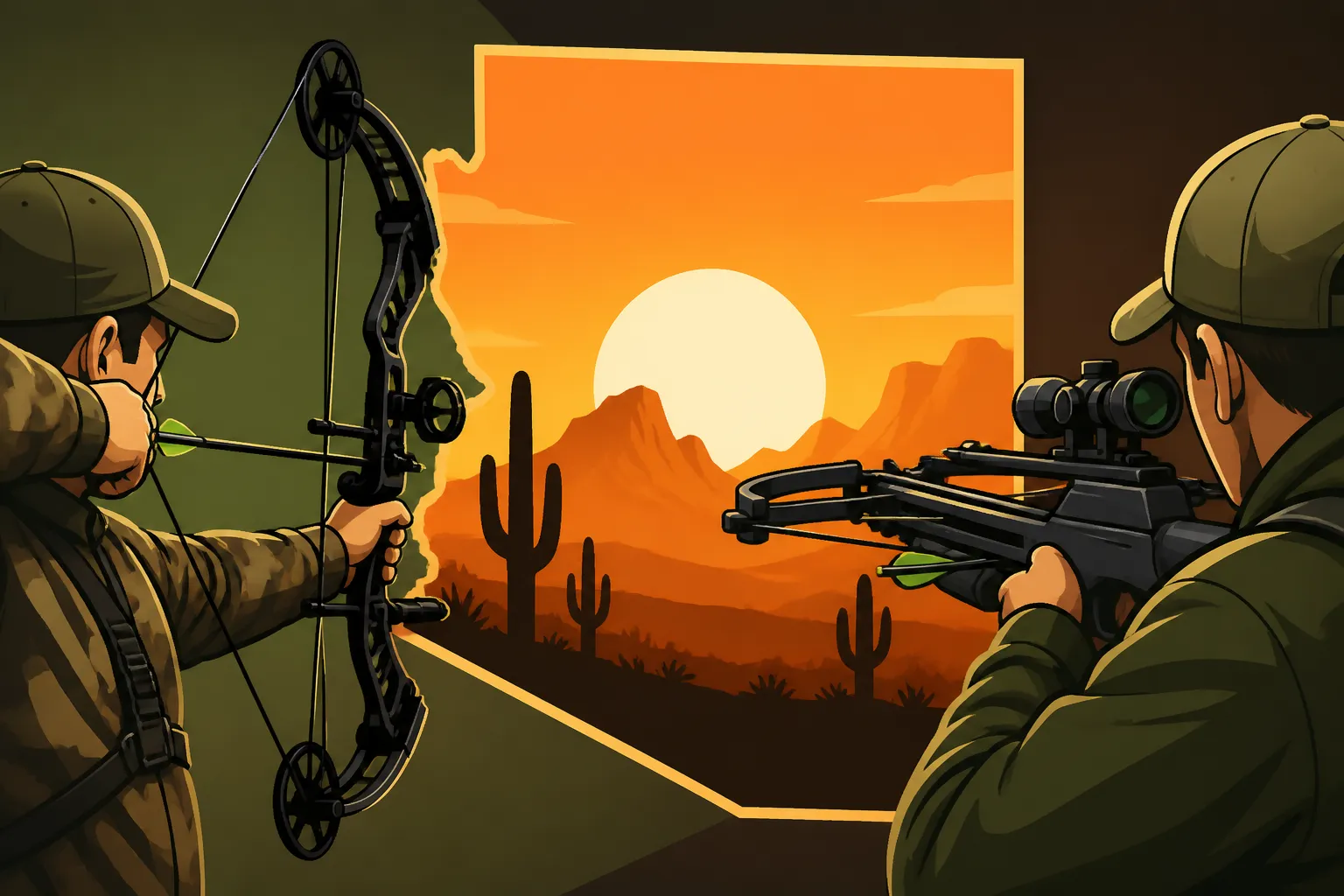
It’s crucial to understand that in Arizona, a crossbow is not considered a vertical bow, and the regulations treat them quite differently. A vertical bow is manually drawn and held at full draw by the hunter's muscle power. A crossbow, on the other hand, uses a mechanical cocking mechanism to draw and hold the string, and it’s typically fired from a horizontal position, much like a rifle. This fundamental difference in operation is why the AZGFD has separate, and often more stringent, rules for crossbow use, particularly concerning draw weight and the seasons they are permitted in. You'll often hear about the debate surrounding crossbows in "archery-only" seasons, which highlights this critical distinction.
Verifying Your Crossbow's Compliance
Most modern crossbows openly advertise their draw weight, often printed directly on the limbs or in the owner's manual. A quick check of your manufacturer's specifications should tell you if your crossbow meets the 125-pound minimum. Many popular models from brands like Ravin, TenPoint, or Excalibur easily exceed this, but it's always wise to verify. If your crossbow is an older model or you're unsure, a professional archery shop can use a specialized scale to accurately measure its draw weight. This step is non-negotiable before heading afield in Arizona, as an underpowered crossbow is not only illegal but also fundamentally unethical for big game. For a deeper dive into this specific rule, check out The 125-Pound Crossbow Draw Weight Arizona Requires.
Beyond Draw Weight: Other Crossbow Considerations
While the 125-pound draw weight is a key regulation, it's not the only one for crossbow hunters in Arizona. You also need to pay close attention to the minimum bolt length, which is critical for ensuring proper arrow flight and stability. Additionally, broadhead types and widths are regulated, just as they are for vertical bows. Perhaps most importantly, the seasons in which crossbows are allowed have changed significantly in recent years. Historically, crossbows were sometimes permitted during archery-only seasons, but those regulations have evolved. As of January 1, 2026, crossbows will no longer be allowed in Arizona's archery-only seasons. This means understanding exactly When Crossbows Left Archery-Only Seasons is paramount to avoiding a violation. Always consult the current year's Arizona Hunting Regulations booklet or the AZGFD website for the most up-to-date information on all crossbow-related rules.
The Broader Context of Archery Seasons in Arizona
Arizona's hunting calendar is rich with opportunities, and archery seasons hold a special place for many. The state offers diverse seasons, including early archery opportunities that often coincide with more favorable weather, and the popular over-the-counter (OTC) archery deer seasons. However, the legal use of specific archery equipment, particularly crossbows, is deeply tied to the specific hunt you’re participating in. What’s legal in one season might not be in another, and this is where many hunters, especially those new to Arizona, can become confused. A thorough understanding of these seasonal nuances is just as important as knowing your draw weight.
Over-the-Counter Archery Deer Seasons
Arizona's OTC archery deer season is a unique and incredibly popular offering, attracting hunters from all over the country. This season provides extensive opportunities to pursue both Coues deer and mule deer across much of the state, often without the need to draw a tag in the difficult lottery system. This makes it an incredibly accessible hunt, but also one where adherence to archery-specific regulations is absolutely critical. For vertical bowhunters, meeting that 30-pound minimum is the baseline. However, for crossbow hunters, the landscape is shifting. While crossbows have historically had some limited use during certain OTC archery periods, the future is clear: they are being phased out of archery-only seasons. Understanding the full scope of Arizona's Over-the-Counter Archery Deer Tag Explained is essential for planning your hunt.
Specific Crossbow Regulations for Archery-Only Hunts
This is where things get particularly detailed and where most of the recent changes for crossbows have occurred. In Arizona, "archery-only" seasons are explicitly defined for vertical bows. This means recurves, longbows, and compound bows. For many years, there was a specific provision for hunters with a CHAMP (Challenged Hunter Access/Mobility Permit) permit to use a crossbow during these archery-only seasons. This permit was designed to assist hunters with qualifying mobility challenges. However, the general use of crossbows by the broader hunting population in these specific seasons has been restricted, and a significant change is on the horizon.
The Evolution of Crossbow Rules in Arizona
The legal framework for crossbows in Arizona has not been static; it has evolved over time, reflecting ongoing discussions within the hunting community and legislative bodies. A key date to engrave in your memory is January 1, 2026. As of this date, crossbows will no longer be legal for use during any archery-only seasons in Arizona, regardless of whether a hunter possesses a CHAMP permit or not. This is a monumental shift for many hunters who have relied on crossbows during these periods. This change means that unless you have a specific disability that qualifies you for a special permit and the regulations explicitly allow it (which, as of 2026, they will not for archery-only), your crossbow will be relegated to general firearms seasons, HAM (Handgun, Archery, Muzzleloader) seasons, or muzzleloader-specific hunts where legal. Being aware of What Changed for Arizona Crossbows on January 1 is critical for anyone planning future hunts. This is a perfect example of why staying current with the Arizona Game and Fish Department's yearly regulations is absolutely paramount.
Equipment Verification and Maintenance for Compliance
Just like you wouldn't head into the desert without checking your truck's tires and fluids, you shouldn't step into the field without verifying your archery equipment. This isn't just about ensuring everything works; it's about confirming it meets the specific legal thresholds set by the state of Arizona. This diligence is crucial for both compliance and ethical hunting. Proper maintenance also plays a role, as a well-maintained bow or crossbow will consistently perform to its specifications, helping you stay within those critical legal limits.
Checking Draw Weight Accurately
For vertical bows, especially compounds, draw weight can sometimes creep down over time due to string stretch or slight limb adjustments. For recurves and longbows, while the limbs dictate the weight, variations in temperature can subtly affect performance. The best way to check is with a reliable bow scale. Draw the bow as you would to shoot, and note the peak weight registered. Many pro shops offer this service, often for free, and can help ensure your bow is precisely set. A scale that hooks directly to your string and measures peak weight is ideal. Do this before your hunt, not the night before you leave! Accuracy here is key to confirming you're at or above that 30-pound minimum for vertical bows or the 125-pound minimum for crossbows.
Maintenance Tips for Consistent Performance
Consistent draw weight isn't just about initial setup; it's about ongoing maintenance. For compound bows, regularly inspect your strings and cables for wear, fraying, or any signs of stretching. A worn string can affect your draw weight and timing. Get your bow tuned by a professional annually. For recurves and longbows, ensure limb bolts are snug, and limbs are free from cracks or damage. Crossbows also require attention to their strings, cables, and rail lubrication. A well-lubricated rail on a crossbow ensures smooth bolt travel and consistent power. Keeping your equipment in top shape helps it perform consistently at its rated draw weight, which means you're always operating within the legal and ethical parameters. Don't forget to regularly check your broadheads and ensure they are sharp and meet the Why Only Broadheads Over 7/8 Inch Are Legal requirement.
When to Seek Professional Guidance
Sometimes, trying to adjust or verify your equipment at home can be more trouble than it’s worth, or even lead to damage. If you're unsure about how to properly measure draw weight, make adjustments, or conduct maintenance, it’s always best to seek professional guidance. Local archery pro shops, like those found in larger Arizona cities such as Phoenix or Tucson, have the specialized tools and expertise to ensure your bow or crossbow is perfectly tuned and compliant. They can often provide a certificate of draw weight if you’re concerned, and it's a small investment for peace of mind. Moreover, if you're dealing with a specific physical limitation and wondering if you qualify for something like a CHAMP permit (while noting the impending crossbow changes for archery seasons), consulting with AZGFD directly or a knowledgeable guide service that understands these nuances is invaluable. GoHunt also offers resources that can help you find pro shops or get details on regulations.
Understanding Broader Archery Equipment Requirements
While draw weight is a significant part of Arizona's archery regulations, it’s far from the only factor. The state takes a holistic approach to defining legal archery equipment, ensuring that every component of your setup contributes to an ethical and effective harvest. This means paying attention to your arrows, bolts, and especially your broadheads. Overlooking these details can be just as detrimental as having an underpowered bow. It's about ensuring your entire system works in harmony and within the bounds of the law.
The Critical Role of Broadhead Width
This is one of those rules that sometimes catches hunters off guard, but it's incredibly important. For big game hunting in Arizona, broadheads must have a minimum cutting diameter of 7/8 inch. This applies to both vertical bow arrows and crossbow bolts. The reason for this specific measurement is simple: a broader cutting surface creates a larger wound channel, increasing the likelihood of a quick, humane harvest. This rule is designed to ensure maximum blood loss and rapid incapacitation, reducing the chances of a wounded animal escaping. So, before you screw on those broadheads, pull out a caliper and double-check their cutting width. If you're running fixed blades, measure the actual width. If you're using mechanicals, ensure they deploy to at least 7/8 inch. This seemingly small detail is absolutely non-negotiable.
Minimum Crossbow Bolt Lengths
Just as vertical bows have specific arrow requirements, crossbows have rules regarding bolt length. In Arizona, for big game, a crossbow bolt must be a minimum of 16 inches long. This requirement is in place to ensure proper stabilization and flight characteristics from a crossbow. Shorter bolts may not fly consistently or accurately, again, potentially leading to unethical shots. Most commercially available big game crossbow bolts will easily meet or exceed this length, but it's another detail to confirm, especially if you're using custom bolts or an older crossbow model. Always cross-reference the manufacturer's specifications with the current AZGFD regulations. A brief read of Minimum Crossbow Bolt Length in Arizona will confirm this.
Mechanical Broadheads: Are They Legal?
The debate around mechanical broadheads has raged for years in the archery community, but in Arizona, their legality is clear: mechanical broadheads are legal for big game hunting, provided they meet the minimum 7/8 inch cutting diameter once deployed. This means that if your mechanical broadhead expands to at least 7/8 inch upon impact, you're good to go. However, a word of caution: always test your mechanical broadheads before the hunt. Ensure they deploy reliably and that they maintain accuracy with your specific bow and arrow/bolt setup. A mechanical broadhead that doesn't open, or that causes erratic flight, negates the purpose of using it and can lead to a poor outcome. Checking the specific rules on Are Mechanical Broadheads Legal in Arizona? will provide more detail.
Planning Your Arizona Archery Hunt Around Regulations
Successfully navigating an Arizona archery hunt requires more than just knowing where to find game; it demands meticulous planning, especially when it comes to understanding and adhering to the state's hunting regulations. From the moment you start e-scouting to the day you step into the field, every decision should be informed by the legal framework. This proactive approach helps prevent unwelcome surprises and ensures your focus remains on the thrill of the hunt rather than the fear of a violation.
Scouting with Regulations in Mind
Before you even think about applying for a tag or heading to an OTC unit, your scouting efforts should incorporate regulatory awareness. This means not just looking for deer or elk sign, but also identifying land boundaries, understanding access rules, and confirming that the hunt dates align with legal weapon choices. For instance, if you're planning a crossbow hunt, you need to verify that your chosen unit and season allow for crossbow use, especially with the upcoming changes for archery-only seasons. Tools like GoHunt's mapping and data resources can be invaluable here, helping you overlay public land boundaries, check historical draw odds, and confirm unit-specific regulations. It's not enough to know where the deer are; you need to know how and when you can legally pursue them with your chosen weapon. Make sure to factor in time for Scouting an Arizona Unit Before the February Deadline if you're applying for a draw tag.
Preparing for the Hunt: Gear and Knowledge
Once you've settled on a unit and a season, your preparation shifts to ensuring your gear is not only ready but fully compliant. This goes beyond just confirming draw weight and broadhead width. Have you checked your hunting license and tags? Do you understand the specific legal shooting hours for your chosen game species? Are you familiar with any blaze orange requirements that might apply to your season, even if it's an archery hunt? What about the rules for using trail cameras or baiting? Arizona has specific guidelines for all these aspects, and a thorough review of the current regulations booklet is essential. Pack a copy, or at least have digital access to it, while you're in the field. This deep dive into the rules, combined with ensuring your bow or crossbow meets all specifications, builds a robust foundation for an ethical and successful hunt. If you're considering a five-month season, you'll definitely want to know How to Hunt Arizona's Five-Month OTC Archery Deer Season inside and out.
Staying Updated on Regulation Changes
The landscape of hunting regulations is not static. As seen with the changes to crossbow use in archery-only seasons, rules can and do evolve. What was legal last year might have changed for this season, or might be changing in the near future. The Arizona Game and Fish Department makes a concerted effort to publish these updates well in advance, usually with their annual hunting regulations booklet, which is typically released in the spring. Subscribing to AZGFD newsletters, following their official social media channels, or regularly checking their website are excellent ways to stay informed. Relying on outdated information or hearsay from a hunting buddy can lead to serious compliance issues. Make it a routine to review the regulations every year, especially before you apply for tags or purchase an OTC license. Being proactive ensures you're always hunting legally and responsibly.
Common Misconceptions and Clarifications
Hunting regulations, especially for archery, can be fertile ground for rumors and misunderstandings. What one person thinks they heard at a campfire might be a far cry from the actual letter of the law. It’s important to cut through the noise and get straight to the facts, particularly when it comes to key equipment rules and permits. Clearing up these common misconceptions can save you a lot of grief and ensure you're always on the right side of the law.
The Myth of "Any Bow is Legal"
One of the most persistent misconceptions, especially among newer hunters or those transitioning from small game, is the idea that "any bow" is legal for big game. This simply isn't true in Arizona, and it’s a dangerous assumption. As we've thoroughly discussed, vertical bows must meet a 30-pound minimum draw weight, and crossbows require a hefty 125-pound minimum. These aren't suggestions; they are legal mandates designed for ethical harvesting. Using a children's bow or a lightweight practice bow for big game is not only illegal but deeply unethical, as it significantly increases the risk of wounding an animal without recovering it. Always confirm your equipment meets the minimum specifications before considering it for big game.
Crossbow Permits and What They Entail
For a long time, the concept of a "crossbow permit" in Arizona was synonymous with the CHAMP (Challenged Hunter Access/Mobility Permit). This special permit allowed hunters with documented physical disabilities that prevented them from drawing a vertical bow to use a crossbow during archery-only seasons. It was a vital program that provided accessibility. However, it's crucial to understand that the CHAMP permit does not allow a hunter to bypass the draw weight requirement for crossbows; the 125-pound minimum still applies. Furthermore, as noted earlier, the regulations regarding crossbow use in archery-only seasons, even with a CHAMP permit, are changing drastically as of January 1, 2026, meaning crossbows will be excluded from those seasons altogether. So, unless you’re hunting in a general or HAM season where crossbows are specifically allowed, a "crossbow permit" for archery-only hunts will largely be a thing of the past. It’s always best to understand What a CHAMP Permit Allows in its most current interpretation.
Navigating the Arizona Game and Fish Department Resources
The Arizona Game and Fish Department (AZGFD) is the official source for all hunting regulations, and they offer a wealth of information to help hunters stay compliant. Their annual hunting regulations booklet, available both online and in print, is the authoritative guide. The AZGFD website also features dedicated sections for archery and crossbow regulations, FAQs, and updates. Don't rely solely on forums, social media, or word-of-mouth for critical legal information. If you have specific questions or need clarification, contacting AZGFD directly is the best course of action. They are there to help hunters understand and follow the rules, ensuring a safe, ethical, and legal hunting experience for everyone. Platforms like GoHunt also often distill this information into digestible forms, but always verify with the official source.
Arizona Archery Equipment Regulations at a Glance
To help consolidate the key information we've discussed, here's a handy table summarizing the essential draw weight and related equipment regulations for big game hunting in Arizona. This is a quick reference, but remember to always consult the full Arizona Game and Fish Department regulations for complete and up-to-date details.
| Equipment Type | Minimum Draw Weight | Minimum Broadhead Width (Deployed) | Minimum Bolt Length (Crossbows) | Permitted Seasons (General Guideline) | Notes |
|---|---|---|---|---|---|
| Vertical Bows | 30 pounds | 7/8 inch | N/A | Archery-Only, HAM, General | Includes compound, recurve, longbows. |
| Crossbows | 125 pounds | 7/8 inch | 16 inches | HAM, General, Muzzleloader | Not permitted in Archery-Only seasons as of Jan 1, 2026. |
Note: This table summarizes key aspects. Always refer to the current Arizona Game and Fish Department regulations for full and up-to-date legal requirements.
Disclaimer
This article is for general informational purposes only and does not constitute professional advice. Laws, prices and regulations vary by location and change over time. Consult a qualified professional for guidance on your specific situation.