How Many Acres of Trust Land Arizona Holds
Navigating Arizona's vast and varied landscapes for hunting can feel like solving a complex puzzle, especially when you encounter the unique category of State Trust Land. Many hunters grapple with understanding where they can legally step foot, what permits they need, and how these lands differ from other public access areas. This guide aims to demystify the substantial acreage of Arizona State Trust Land, clarifying its purpose, access rules, and how you can ethically and successfully hunt there.
The Staggering Scale of Arizona State Trust Land
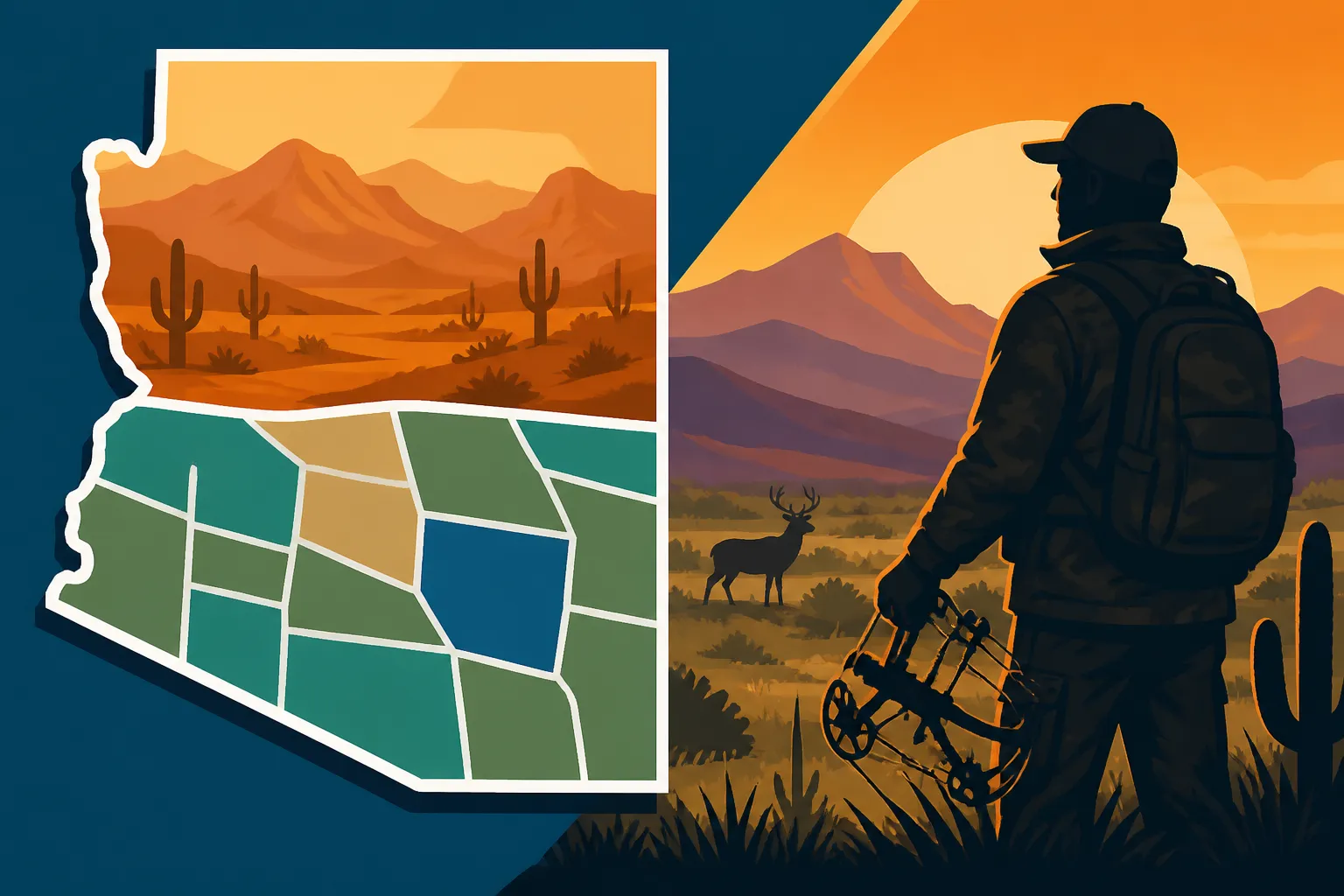
When you look at a land ownership map of Arizona, you'll quickly notice a distinct pattern: large swaths of land marked as "State Trust Land." These aren't minor parcels; they represent a significant portion of the state's total land area, offering extensive opportunities for outdoor enthusiasts, including hunters. Understanding the sheer scale and distribution of these lands is the first step in unlocking their potential.
Just How Much Land Are We Talking About?
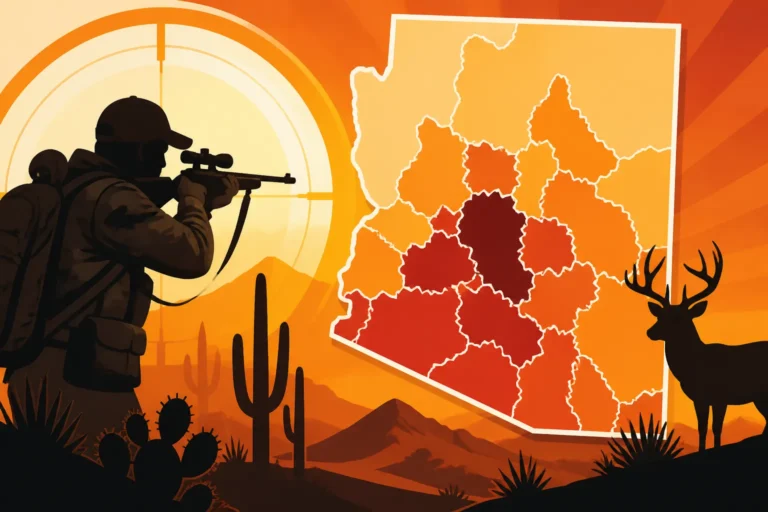
Arizona holds an incredible 9.2 million acres of State Trust Land. To put that into perspective, that's roughly 12.7% of the state's entire landmass. It's an area larger than many smaller states and certainly more expansive than well-known national parks like Yellowstone or Glacier National Park. This isn't just a scattering of small, isolated blocks; rather, it often forms vast, contiguous sections, particularly across the central and southern parts of the state. Imagine driving for miles, seeing rolling hills, desert washes, and low-lying mountains, much of which could be State Trust Land. It's a truly immense resource, but one that comes with its own set of rules distinct from federal lands like those managed by the Bureau of Land Management (BLM) or the U.S. Forest Service. For a deeper dive into the overall acreage, check out Arizona Holds 9.2 Million Acres of State Trust Land.
Where Does This Land Typically Lie?
State Trust Land isn't always found in one massive block. Instead, it's frequently interspersed throughout Arizona, creating a complex checkerboard pattern with private holdings, BLM land, and National Forest lands. You'll find significant concentrations of it in regions often thought of as prime hunting country, particularly south of the Mogollon Rim, extending through the Sonoran Desert and into the southeastern Sky Islands. This intermingled nature makes detailed mapping tools absolutely indispensable for hunters. Without a clear understanding of boundaries, it's incredibly easy to inadvertently cross onto private property, which can lead to uncomfortable confrontations or even legal trouble. Hunters need to be diligent in their scouting, both digitally and on the ground, to identify these intricate interfaces.
Why So Much Trust Land in Arizona?
The existence of such extensive State Trust Land isn't a modern phenomenon; its roots go back to Arizona's statehood. When Arizona became a state in 1912, the federal government granted these lands to the state with a very specific purpose: to generate revenue for 13 public institutions, with public schools being the primary beneficiary. The Arizona State Land Department manages these lands as a trust, much like a financial portfolio, aiming to maximize their value for the beneficiaries. This means that while these lands are "public" in the sense that they are state-owned, their management priority isn't primarily public recreation or wildlife conservation (though those are often secondary benefits). Instead, decisions about leasing, sales, and access are ultimately driven by their potential to generate income. Understanding this foundational principle helps explain why certain access rules and regulations exist on State Trust Land that differ from other public land types. If you're curious about the beneficiaries, you might be interested in Who Arizona Trust Land Revenue Serves.
Navigating Access: Permits, Licenses, and Respecting Boundaries
The biggest point of confusion for many hunters regarding Arizona State Trust Land is access. While it is state-owned and generally open to the public for various activities, it's not managed in the same way as federal public lands. There are specific rules regarding what constitutes legal access, particularly for hunting versus general recreation.
Your Hunting License as an Access Permit
Here's the crucial piece of information that often gets overlooked or misunderstood: for the express purpose of lawful hunting, trapping, or fishing, your valid Arizona hunting license is your State Trust Land permit. That's right – you generally don't need a separate, additional permit from the Arizona State Land Department if your sole activity is hunting (or fishing or trapping) and you possess the appropriate licenses and tags. This is a significant convenience for hunters, simplifying the process and making these vast lands accessible. The state recognizes that a hunter actively pursuing game is operating under the authority of their hunting license, which implicitly covers the necessary access to these lands. So, when you're geared up with your rifle or bow, actively hunting during an open season, your license is your golden ticket onto State Trust Land. To confirm this, take a look at Does a Hunting License Cover Trust Land Access?.
When a Separate Recreational Permit is Needed
While your hunting license covers you for the act of hunting, it doesn't cover all activities on State Trust Land. This is where the nuance comes in and where many people get tripped up. If your primary activity is not hunting, trapping, or fishing, then you will need a separate recreational permit from the Arizona State Land Department. This includes activities like dispersed camping (unless it's a quick, incidental overnight stay directly associated with active hunting), hiking, bird watching, photography, off-roading, or sightseeing. Think of it this way: if you're out enjoying nature without a weapon in hand, you likely need that extra permit. These permits are usually affordable and can be purchased online. Ignoring this requirement can lead to fines, even if you have a valid hunting license. Always ensure you have the correct permit for your intended activity. When planning your route or scouting, apps like onX Hunt can clearly delineate State Trust Land boundaries and help you understand potential permit requirements for non-hunting activities you might engage in. For details on when that extra permit is needed, refer to When Arizona Requires a Recreational Permit Instead.
Understanding Lessee Rights and Temporary Closures
A significant portion of Arizona State Trust Land is leased out for various commercial purposes, with grazing leases being very common. This means that while you might be hunting on State Trust Land, there could be ranchers running cattle, or other agricultural or commercial operations taking place. As a hunter, you are generally allowed to access these lands for hunting, but you must respect the rights of the lessees. This includes leaving gates as you found them (closed if closed, open if open), avoiding disruption to livestock, and refraining from damaging any improvements like fences, water tanks, or corrals.
While general hunting access is rarely revoked, lessees do have certain rights. In some specific, limited circumstances, a lessee might temporarily restrict access for very specific operations, like cattle round-ups or active construction. These instances are relatively rare for general hunting access but serve as a reminder that State Trust Land is managed for its beneficiaries first. It’s always a good practice to be aware of your surroundings and exercise common courtesy. Understanding these lessee rights is essential for being a respectful and responsible hunter. You can find more information on this topic in Why Arizona Lessees Can Restrict Trust Land Access.
Hunting Opportunities and Ethical Considerations on Trust Land
Arizona State Trust Land offers some truly fantastic hunting opportunities, often providing access to prime habitat that might otherwise be difficult to reach. However, maximizing your success and ensuring you remain a welcome visitor on these lands requires strategic planning and a strong ethical compass.
Game Species and Terrain Diversity
Given the vast acreage and varied topography of Arizona State Trust Land, you can find a diverse array of game species. In the low desert regions and washes, these lands are excellent for pursuing javelina, especially during the archery seasons. You'll often find mule deer, particularly in the rolling hills and more brushy areas, and even Coues deer where the Trust Land climbs into the foothills and lower mountain ranges that connect to the Sky Islands. Small game such as quail and rabbits are also abundant in many Trust Land parcels. The terrain can vary dramatically, from flat, open desert with sparse saguaros to dense mesquite bosques, steep rocky hillsides, and juniper-dotted plateaus. This diversity means that your hunting tactics will need to adapt to the specific Trust Land parcel you're exploring. For example, if you're after javelina, you might focus on thick cholla and prickly pear patches where they feed, while Coues deer might require glassing vast expanses. Check out Javelina Range Across Southern Arizona and Where Coues Deer Live and Why for more on these species.
Essential Mapping Tools for Trust Land
When hunting on Arizona State Trust Land, a reliable mapping tool isn't just a convenience; it's an absolute necessity. Because Trust Land parcels are often interwoven with private property, BLM land, and National Forest land, it is incredibly easy to unintentionally cross a boundary without a clear visual reference. Imagine you're deep in a canyon, focused on tracking a fresh deer sign, and suddenly you realize the other side of the wash is private property without clear fencing. This is a common scenario. Modern mapping apps, such as onX Hunt or GoHunt, are invaluable. These platforms feature detailed land ownership layers that clearly color-code different land types, allowing you to see in real-time exactly where you are and what lies ahead. They also often show roads, trails, water sources, and topography, which are all critical for planning your hunt and ensuring you stay within legal boundaries. Without these tools, navigating the complex mosaic of Arizona land ownership can be extremely frustrating and carries a high risk of accidental trespass. Take a look at Using onX Layers for Arizona Public Land to understand their utility.
Ethical Hunting Practices and Responsibilities
Hunting on Arizona State Trust Land comes with a responsibility to uphold the highest ethical standards. Remember that these lands are managed to benefit public schools and other state institutions, and maintaining good relationships with lessees and other land users is paramount to preserving hunting access. Always practice "leave no trace" principles: pack out all your trash, including spent shell casings, and leave the area cleaner than you found it. Respect all signage, closures, and physical boundaries, such as fences and gates; if a gate is closed, close it behind you. If it's open, leave it open. Avoid disturbing livestock, which are often present due to grazing leases. Responsible behavior reflects positively on the entire hunting community and helps ensure that these incredible opportunities remain available for future generations. Your actions directly contribute to the public perception of hunters. Ethical considerations, especially around water sources in the desert, are vital, as highlighted in Water Sources and Ethics in Arizona Desert Hunting.
Common Pitfalls and How to Avoid Them
Even with the right knowledge, hunting on Arizona State Trust Land can present challenges. Being aware of common pitfalls and knowing how to navigate them can save you headaches and ensure a smoother, more enjoyable hunt.
Misinterpreting "Public Land"
One of the most frequent mistakes hunters make is lumping Arizona State Trust Land in with federal public lands like those managed by the Bureau of Land Management (BLM) or the U.S. Forest Service. While all are publicly owned in a broad sense, their management, primary purpose, and specific rules for access and use can differ significantly. BLM and National Forests, for instance, generally fall under a "multiple-use" mandate, where recreation, wildlife, and resource extraction are often balanced. State Trust Land, however, is fundamentally managed as an asset for revenue generation, which can influence temporary closures, specific leasing arrangements, and the need for recreational permits beyond hunting. Understanding this distinction is key. Don't assume that rules that apply on Forest Service land automatically apply to an adjacent piece of State Trust Land. Always verify. For context on other public lands, see BLM and Forest Ground Across Arizona Needs No Permit.
Accidental Trespass and Boundary Navigation
The complex, intermingled nature of State Trust Land with private parcels makes accidental trespass a constant threat for the unaware hunter. Imagine you're patiently glassing a distant hillside on what you believe is Trust Land, only to find out later, after a long stalk, that the specific ridge line was actually part of an un-fenced private ranch. This is not uncommon, especially in areas where topography is rugged or property lines aren't clearly marked with fencing. The consequences of unintentional trespass can range from a polite request to leave to serious legal penalties, as detailed in Penalties for Entering Trust Land Without a Permit. To avoid this, religiously check your mapping app (like onX Hunt or GoHunt) not just at the trailhead, but frequently throughout your hunt, especially when approaching property lines, crossing washes, or moving into unfamiliar terrain. Marking your boundaries and checking your location against them continuously is a practice that can prevent a lot of stress. Before any hunt, it's wise to sit down with your chosen mapping tool and meticulously study the unit, especially focusing on where Trust Land interfaces with private property, paying close attention to any areas that appear landlocked or have complex boundaries.
The Importance of Up-to-Date Regulations
While the fundamental rules for State Trust Land access (hunting license as permit, separate recreational permit for other uses) tend to be stable, regulations can, and sometimes do, change. The Arizona Game and Fish Department (AZGFD) and the Arizona State Land Department (ASLD) are the primary sources for current rules. Before any hunting season, it's critical to consult the most recent AZGFD hunting regulations booklet. Additionally, it's a good practice to periodically check the Arizona State Land Department's website for any updates regarding recreational permits or temporary access restrictions that might impact your plans, especially if you plan to camp or engage in other non-hunting activities on Trust Land. Relying on outdated information is a recipe for trouble.
| Land Type | Primary Purpose | Hunting Access | General Recreation Permit | Common Characteristics |
|---|---|---|---|---|
| State Trust Land | Generate revenue for schools/beneficiaries | Hunting License = Permit | Often required for non-hunting recreation | Often interspersed, leased for grazing, managed as an asset |
| BLM Land | Multiple use (grazing, mining, recreation, wildlife) | No specific permit needed | No specific permit needed (some developed sites may charge) | Vast, open, often remote desert/grassland, checkerboard patterns |
| National Forest | Multiple use (timber, recreation, wildlife, water) | No specific permit needed | No specific permit needed (some developed sites may charge) | Mountainous, forested, varied terrain, extensive road systems |
| Private Land | Owned by individuals/companies | Permission required | Permission required | Posted, fenced, restricted access, varying use |
Disclaimer
This article is for general informational purposes only and does not constitute professional advice. Laws, prices and regulations vary by location and change over time. Consult a qualified professional for guidance on your specific situation.