Javelina Range Across Southern Arizona
Hunting javelina in Arizona can be incredibly rewarding, but it often brings frustration when you realize that "southern Arizona" is a vast, diverse landscape, and these elusive creatures aren't just everywhere. Many hunters spend days in areas that look perfect, only to come up empty-handed because they haven't truly understood the specific, often micro-level, range and habitat preferences of these fascinating critters. This comprehensive guide will peel back the layers on where javelina truly thrive across Southern Arizona, helping you pinpoint their haunts and increase your odds of success.
Where Javelina Call Home: Geographic Distribution
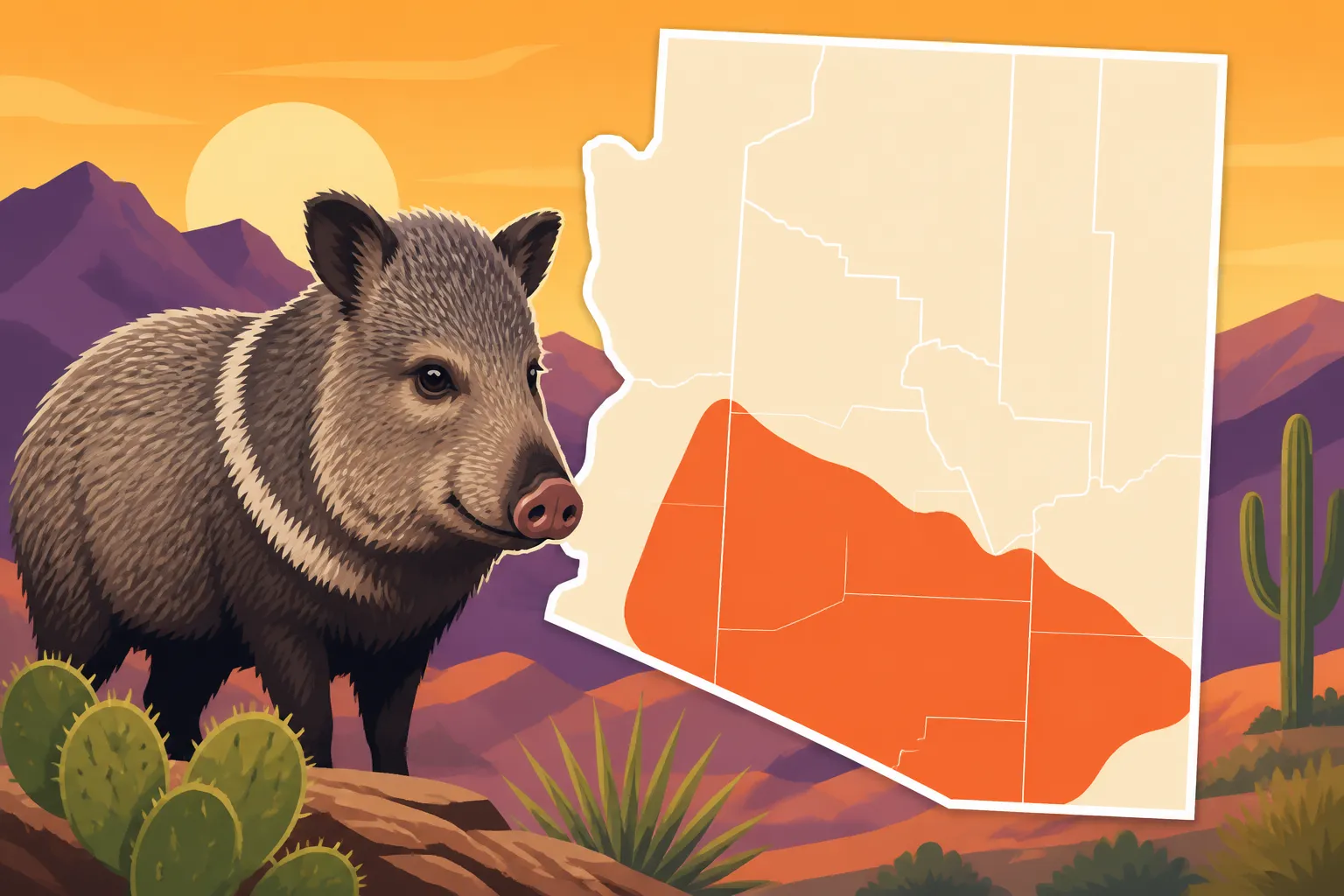
When we talk about javelina in Arizona, we're really talking about a significant portion of the southern half of the state. These collared peccaries, often mistaken for wild pigs, are remarkably adapted to the arid and semi-arid environments that define so much of Arizona. However, their distribution isn't uniform; it's heavily influenced by the presence of suitable habitat, water, and forage. Understanding these key areas is your first step to finding them.
The Sonoran Desert Core
The heartland of javelina country is undoubtedly the Sonoran Desert. This vast, vibrant ecosystem, stretching from the Phoenix metro area down to the Mexican border and east towards Tucson, provides almost everything a javelina herd needs. Here, you'll find them scattered throughout the iconic saguaro forests, dense stands of prickly pear cactus, and mesquite-choked washes. They gravitate towards areas with good cover, which provides both protection from predators and relief from the intense desert sun. The desert floor, often a mix of rocky terrain and sandy flats, is a prime hunting ground for their preferred foods. You might find herds in the lower elevations of the Estrella Mountains southwest of Phoenix, or deeper into the rolling hills near Florence and Casa Grande. These areas, while sometimes close to urban sprawl, can still hold robust javelina populations, making them some of the Units Near Phoenix for Javelina that many local hunters frequent.
Sky Islands and Transition Zones
Beyond the low desert, javelina extend their range into the "sky islands" of southeastern Arizona. These isolated mountain ranges, rising dramatically from the desert floor, create unique ecosystems with cooler temperatures and more varied vegetation. Here, javelina can be found in the Madrean evergreen woodlands, oak savannas, and even some of the lower pine-juniper zones. Think of ranges like the Santa Rita Mountains, the Chiricahua Mountains, and the Huachucas. These transition zones offer a different kind of habitat, often with more consistent water sources and a greater diversity of plant life, including succulent agaves which are a javelina favorite. The rugged terrain provides excellent escape cover and makes for challenging but rewarding hunting. Understanding the specific characteristics of these higher elevation ranges is crucial, as javelina behavior and movement patterns can differ significantly from their lowland counterparts. These areas also often overlap with prime Coues deer habitat, making them popular for hunters looking for Units Around Tucson for Coues Hunters and javelina.
Navigating Public Versus Private Land
A significant portion of javelina habitat falls within public lands managed by the Bureau of Land Management (BLM) and the U.S. Forest Service (USFS). For instance, the Tonto National Forest, southeast of Phoenix, and the Coronado National Forest, which encompasses many of the sky islands, are prime examples of extensive public hunting grounds where javelina thrive. Accessing these areas is generally straightforward, though it's always wise to consult detailed maps, like those provided by mapping tools such as GoHunt, to understand specific road closures, wilderness boundaries, and land ownership overlays. Private ranches also hold substantial javelina populations, especially those with diverse vegetation and reliable water. While public access to these private lands is restricted, it’s not uncommon for outfitters to secure access, or for diligent hunters to gain permission by knocking on doors. Always be respectful of private property boundaries and regulations, carrying detailed maps that clearly show property lines.
Habitat Preferences: What Javelina Look For
Javelina aren't just randomly spread across southern Arizona; they're incredibly particular about their homes. They seek out specific elements that provide for their daily needs: food, water, and shelter. Understanding these preferences is key to narrowing down your search, whether you're e-scouting from your computer or trudging through the thorny desert.
Water Sources and Riparian Areas
Like all desert inhabitants, javelina are never far from water. While they can extract some moisture from their diet of succulents, they still need to drink, especially during the hotter months. This makes riparian areas – the green strips of vegetation along rivers, creeks, and washes – absolute magnets for javelina. Think of the Salt River, the Gila River, and their numerous tributaries, even ephemeral ones that only flow after rain. Beyond natural waterways, man-made stock tanks, guzzlers, and even leaky old ranch infrastructure become vital water sources. Scouting these spots, especially during dry periods, is often a game-changer. You might find them coming to drink at dawn or dusk, or rooting around in the damp earth for succulent roots. Learning the nuances of Finding Water in Arizona's Dry Country is paramount, as these locations often become central hubs for javelina activity.
Cover and Foraging Grounds
Javelina are masters of concealment. Their grayish-brown, coarse hair blends remarkably well with the desert scrub, and they utilize dense vegetation for bedding, escaping predators, and staying cool or warm. Mesquite thickets, palo verde groves, thorny stands of catclaw acacia, and of course, dense prickly pear cactus patches are all prime cover. These areas not only offer protection but also serve as crucial foraging grounds. Their diet is primarily herbivorous, consisting of succulents like prickly pear pads and fruit, agave hearts, roots, tubers, and various grasses and forbs. They’ll also munch on mesquite beans and other available seeds. Their powerful snouts are perfectly designed for rooting up buried treasures. So, when you're glassing a hillside, don't just look for open areas; focus on the edges of these dense thickets, the shaded slopes, and the bottoms of washes where these food sources are abundant. Knowing How Javelina Use Scent to Communicate will also clue you into their presence in these covered areas.
Elevation and Temperature Tolerance
Javelina are incredibly adaptable to Arizona's wide range of elevations and temperatures, but they do have preferences that guide their seasonal movements. In the scorching summer months, you'll often find them utilizing higher elevations or seeking shade in dense washes during the heat of the day. As temperatures cool in the fall and winter, they might disperse more widely, becoming more active throughout the day, especially on sun-drenched slopes. In the sky island ranges, they'll move up and down in elevation depending on snow depths and food availability. While they can tolerate freezing temperatures, prolonged cold snaps will drive them to seek sheltered, south-facing slopes or thick cover. These subtle shifts in behavior and location, driven by weather and season, are vital for hunters to consider. For example, during an early archery hunt in August, understanding how javelina manage heat by staying close to cover and water sources, often until late afternoon, can directly impact your strategy.
Behavioral Patterns: Adapting to the Desert
Understanding javelina behavior is like cracking a secret code to their desert existence. These aren't solitary creatures; they live in highly organized herds, and their daily routines are dictated by survival in a sometimes-harsh environment. Knowing how they operate is critical for predicting their movements and finding them.
Herd Dynamics and Communication
Javelina are incredibly social animals, living in herds that typically range from 5 to 15 individuals, though larger groups aren't uncommon. This herd dynamic is central to their survival. They move, feed, and bed together, relying on each other for protection and information. Communication within the herd is constant, using a variety of vocalizations – from soft grunts and growls to sharp barks of alarm – and a keen sense of smell. Each javelina has a dorsal scent gland, which they use to mark territory and recognize herd members. They will rub this gland on each other, on trees, and on rocks, leaving an invisible calling card. This strong herd bond means that if you find one javelina, there are almost certainly more nearby. It also means that scattering a herd can sometimes make them easier to locate, as they'll often try to regroup, calling to one another. This deep social structure is why understanding Javelina Herd Behavior and Scent is so important for hunters.
Diet and Seasonal Changes
As mentioned, javelina are primarily herbivorous, with a particular fondness for succulents. Prickly pear cactus is a cornerstone of their diet, providing both food and water. They eat the pads, fruits, and even the roots. Agave hearts, rich in carbohydrates, are another crucial food source, especially in higher elevations. They'll also consume roots, tubers, insects, and occasionally small vertebrates. Their diet shifts with the seasons based on what's available. After monsoon rains, new growth provides abundant forage. During dry spells, they might become more reliant on prickly pear or concentrate around permanent water sources. Observing what plants are abundant and showing signs of feeding activity in a specific area can provide valuable clues to recent javelina presence. They aren't just browsing; they are rooting around, leaving distinctive disturbed patches of soil.
Nocturnal and Diurnal Habits
Javelina are generally considered diurnal, meaning they are most active during the day. However, their activity patterns are heavily influenced by temperature. During the cooler months of fall, winter, and spring, you can find them foraging and moving around throughout the morning and late afternoon, often bedding down during the midday hours. As summer heat sets in, their activity shifts dramatically. They become more crepuscular, active primarily at dawn and dusk, and will even become largely nocturnal to avoid the oppressive daytime temperatures. This makes Year-Round Archery Javelina in Arizona hunting a vastly different experience depending on the season. A hunt in January might mean looking for them throughout the day, while an August hunt will demand focusing on very early mornings and late evenings around water and dense shade. Always factor in the weather conditions when planning your hunt and predicting their movement.
Hunting Javelina: Understanding Their Range for Success
Armed with knowledge of javelina range and behavior, you're much better equipped to actually find and harvest one of these unique animals. This isn't a game of luck; it's a game of informed strategy, patience, and meticulous scouting.
E-Scouting and Physical Reconnaissance
Before you ever set foot in the field, e-scouting is your best friend. Utilize online mapping platforms like GoHunt that layer public land, private land, wilderness areas, and topography. Look for drainages, mesquite flats, dense prickly pear patches, and, critically, water sources. Pay attention to south-facing slopes in winter, which will warm up faster, and shaded canyon bottoms or north-facing slopes in warmer weather. Mark potential bedding and feeding areas. Cross-reference satellite imagery with historical harvest data if available for your unit. Once you have some potential areas, physical reconnaissance is key. Spend time driving forest roads and hiking into drainages, looking for fresh sign: tracks, scat, rooted-up ground, and rubbing posts where they've marked with their scent glands. Finding areas where hunters have consistently had success in the past can also point you towards Javelina Harvest Success Rates by unit, giving you valuable insight.
Spot and Stalk Strategies
For many javelina hunters, especially archers, spot and stalk is the primary method. This requires patience and good optics. Get to a vantage point before sunrise and systematically glass all potential habitat. Use high-quality binoculars (10x or 12x) and a spotting scope if covering large areas. Look for movement, subtle color changes, or the distinctive dark shape of a javelina against the lighter desert floor. Once you spot a herd, assess the wind, terrain, and cover for your approach. Javelina have excellent noses and decent hearing, but their eyesight is their weakest sense. Use terrain features and dense vegetation to break up your silhouette and close the distance. Remember, they often feed slowly, moving through an area, so you'll need to intercept them or get ahead if they're on the move. When you find yourself in thick cover, the advice for Tracking Javelina Through Thick Cover becomes invaluable, teaching you to move quietly and observe the subtlest signs of their passage.
Calling and Ambush Techniques
Javelina are very responsive to certain calls, particularly distress calls or herd challenge calls. A popular and effective method is using a predator call that mimics a javelina in distress, or even a fawn distress call, which can often draw them in, sometimes quite aggressively. This can be especially useful if you've scattered a herd or if they are in dense cover and you need to get them to reveal their location. Set up in an area with good visibility downwind and be prepared for them to approach quickly. Another effective technique, particularly during warmer months, is ambushing them near water sources. Since they need to drink, finding a stock tank or guzzler and waiting, often from a ground blind or natural cover, can be highly effective. This method is often employed when Sitting Water for Javelina and Deer during early archery seasons. However, ensure you understand the specific rules regarding baiting and blinds in your unit, as regulations can vary.
Conservation and Management: Protecting Arizona's Javelina
Arizona Game and Fish Department (AZGFD) plays a crucial role in ensuring healthy javelina populations for current and future generations. Their efforts are centered on understanding population dynamics, managing habitat, and setting appropriate harvest limits to maintain balance within the ecosystem.
Population Monitoring Efforts
AZGFD biologists regularly conduct surveys to monitor javelina populations across the state. These surveys often involve aerial counts, ground surveys, and trail camera studies to estimate herd sizes, age structures, and overall health. Data gathered from hunter harvest reports, including sex and age of harvested animals, also provide invaluable insights into population trends. These monitoring efforts help the department make informed decisions about hunt allocations and season lengths. They track recruitment rates (new young entering the population) and mortality rates to ensure sustainable hunting opportunities. This diligent data collection is vital, as javelina populations can fluctuate based on environmental factors, and proactive management helps mitigate potential issues before they become critical.
Impact of Habitat Loss and Drought
Javelina, like all wildlife, are vulnerable to habitat loss and degradation. Urban encroachment, especially around growing cities like Phoenix and Tucson, directly reduces their available range. Wildfires can temporarily displace herds and alter habitat, though javelina are generally resilient and often return to burned areas as vegetation recovers. Drought, a persistent concern in the arid Southwest, is arguably one of the most significant threats. Prolonged dry periods lead to reduced forage, fewer available water sources, and ultimately, lower reproductive success and increased mortality. AZGFD often works on habitat improvement projects, such as developing new water sources (guzzlers) or restoring degraded riparian areas, to help javelina and other wildlife cope with these challenges. Understanding these broader ecological pressures helps hunters appreciate the context of their hunts.
Ethical Hunting Practices
Responsible hunting is a cornerstone of wildlife conservation. For javelina, this means adhering strictly to all Arizona Game and Fish regulations regarding seasons, bag limits, and legal methods of take. It also means making ethical decisions in the field. This includes ensuring clean, humane kills, retrieving all downed animals, and respecting private property. Javelina meat, while sometimes overlooked, can be delicious if handled properly. Field dressing quickly in the desert heat and cooling the meat efficiently is vital. Furthermore, reporting your harvest as required by AZGFD provides valuable data for population management. By following these practices, hunters contribute directly to the sustainable future of javelina hunting in Arizona. Remember that hunting is a privilege, and ethical behavior ensures that privilege endures.
Here's a quick look at how javelina habitat might differ across Arizona's southern zones:
| Habitat Characteristic | Sonoran Desert Lowlands (e.g., Phoenix, Gila River) | Sky Islands & Transition Zones (e.g., Santa Rita, Chiricahua) |
|---|---|---|
| Dominant Vegetation | Saguaro, Prickly Pear, Cholla, Mesquite, Palo Verde | Oak, Juniper, Agave, Manzanita, Pines (higher elevation) |
| Primary Food Source | Prickly pear pads/fruit, mesquite beans, roots | Agave hearts, acorns, roots, various forbs |
| Water Accessibility | Often reliant on washes, stock tanks, guzzlers | More consistent springs, creeks; also stock tanks |
| Cover Type | Dense mesquite thickets, washes, rocky outcrops | Oak thickets, dense brush, canyons, rocky slopes |
| Elevation Range | Primarily 1,000 – 3,500 feet | Primarily 3,000 – 7,000 feet |
| Temperature Adapt. | Highly crepuscular/nocturnal in summer heat | More diurnal, but still seek shade in warmer periods |
| Hunting Strategy | Spot & stalk washes, water sources, calling | Spot & stalk open hillsides, glassing canyons, calling |
Ultimately, understanding where javelina live in Southern Arizona is more than just knowing a general region. It's about delving into the specifics of their habitat requirements, behavioral adaptations, and how these factors intertwine across the diverse landscapes of the Sonoran Desert and its surrounding sky islands. Whether you're planning for When Arizona Archery Javelina Is Open or just curious about these unique critters, this knowledge is your most powerful tool.
Disclaimer
The information provided in this article is for general guidance and informational purposes only. Hunting regulations in Arizona are subject to change by the Arizona Game and Fish Department (AZGFD). It is the hunter's responsibility to consult the most current official AZGFD hunting regulations booklet and any emergency orders before participating in any hunting activity. Always verify season dates, legal methods of take, unit boundaries, and permit requirements.