Blue Grouse in Arizona’s Highest Timber
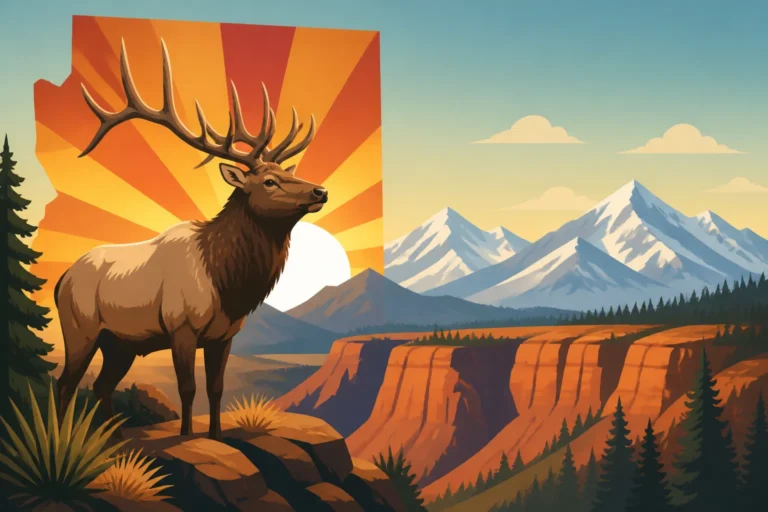
Most people think of Arizona and immediately picture scorching deserts, saguaros, and perhaps the elusive Coues deer, or maybe the vast Ponderosa pine forests teeming with elk. But what if I told you there’s a whole other world up high, one where you can pursue elusive forest birds that feel more at home in the Rockies than the Southwest? This guide is going to take you off the beaten path, deep into Arizona’s highest timber, to uncover the secrets of hunting Blue Grouse, a fantastic upland bird opportunity many overlook.
Understanding Blue Grouse in Arizona's High Country
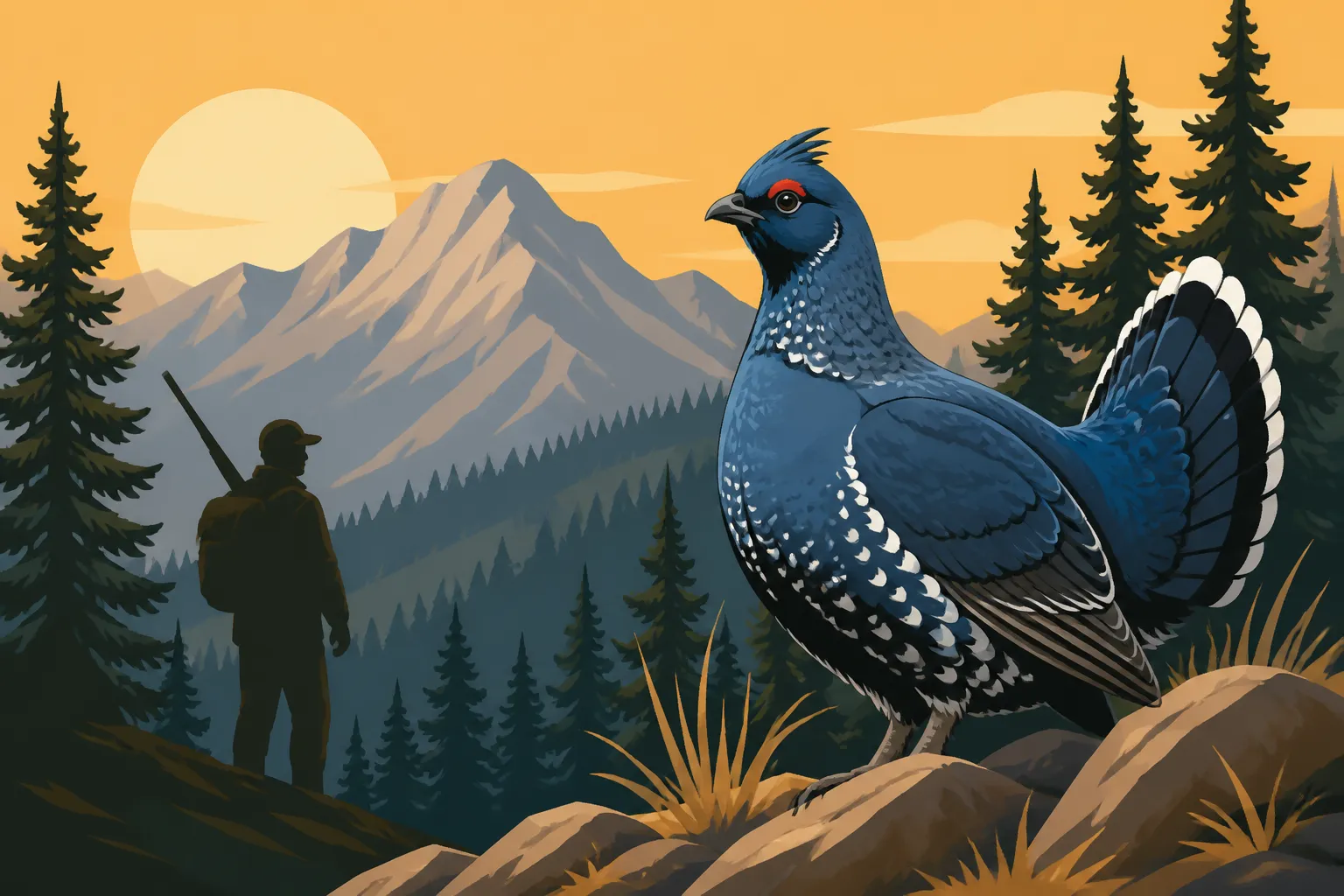
When we talk about "Blue Grouse" in Arizona, we're primarily referring to what are now often called Dusky Grouse or Sooty Grouse. They're a fascinating game bird, blending into their coniferous surroundings with remarkable skill. Unlike the social coveys of Gambel's Quail, these birds are typically solitary or found in small family groups, making them a unique challenge for the upland hunter.
Where Arizona's "Highest Timber" Actually Is
Arizona, for all its desert fame, boasts some incredibly diverse and high-altitude ecosystems. When we talk about the "highest timber" for Blue Grouse, we're venturing above the typical Ponderosa pine forests you might associate with elk hunting on the Mogollon Rim. We're talking about elevations generally above 8,000 feet, often reaching up to and beyond 10,000 feet. These are the realms where spruce, fir, and aspen groves dominate the landscape, creating a cooler, denser, and often wetter environment that feels entirely different from the lower deserts.
Key areas to consider are the White Mountains in eastern Arizona, places like the Apache-Sitgreaves National Forest, where elevations easily climb to these heights. The higher reaches of the Mogollon Rim, particularly the eastern portions, also hold suitable habitat. Don't forget the isolated "sky island" mountain ranges in southeastern Arizona, such as the Pinaleno Mountains (Mount Graham), the Chiricahua Mountains, and the Santa Catalina Mountains. These ranges, despite being surrounded by desert, rise dramatically to create verdant, high-elevation forests that serve as ecological islands, perfect for species like the Blue Grouse. Exploring these unique biomes feels like stepping into a different state altogether, offering a surprising contrast to the arid landscapes below.
Identifying Blue Grouse: Look and Call
Successfully hunting Blue Grouse starts with knowing what you're looking for, both visually and audibly. These are medium-sized game birds, often described as "chicken-like" in stature, roughly the size of a small domestic chicken. Their plumage is a masterclass in camouflage, a mottled pattern of slate gray and blue, with brownish barring, allowing them to blend seamlessly into the shadows of the conifer forests. Males often have a more pronounced dark tail with a wide gray band at the tip, and during breeding season, they display a vibrant yellow or orange comb above their eyes, a real splash of color against their otherwise subdued appearance.
When flushed, a Blue Grouse bursts from cover with an explosive flutter of wings, often gaining altitude quickly before gliding downslope into thicker timber, making for a challenging shot. Their typical flight path can be deceptive, as they often don't fly far horizontally but rather use the terrain to their advantage. Listen for their distinctive call, especially the males during spring and early summer, a deep, resonant hooting sound that echoes through the quiet forest. It's a sound that might surprise you if you're used to the cackling of quail or the gobble of a turkey. Spotting them on the forest floor, especially when they're "tightly held" and relying on their camouflage, requires a keen eye and a slow, deliberate approach. Merriam's Turkey Through Arizona's High Country also offer unique challenges in these same high-country environments, but their size and habits differ significantly from the more elusive grouse.
Hunting Blue Grouse: Seasons and Regulations
Like any hunting endeavor, understanding the legal framework is paramount. Blue Grouse fall under the umbrella of small game in Arizona, and their seasons are typically generous, though specific dates and regulations can shift.
When and Where You Can Hunt Them
Blue Grouse seasons in Arizona usually align with the broader small game seasons, often opening in the late summer or early fall and extending for several months. This means you might find yourself hunting them during cooler periods, which is a welcome change from the heat of early season deer or elk hunts. While the season might be statewide, the reality is that their huntable range is very specific due to their specialized habitat requirements. You'll only find them in those high-elevation spruce-fir and aspen forests we discussed earlier.
Always, and I mean always, consult the current Arizona Game and Fish Department (AZGFD) hunting regulations booklet before you head afield. This document is your bible for specific season dates, open units, and any other pertinent rules, as these can be updated annually. What might have been legal last year could be slightly different this year, and ignorance of the law is no excuse. While you might be focused on larger game, remember that these small game regulations are just as serious. Arizona Legal Shooting Hours for Big Game are clearly defined, and small game often shares similar daylight hour restrictions.
Daily Bag Limits and Possession
Arizona, like most states, imposes daily bag limits and possession limits for small game to ensure sustainable populations and prevent overharvesting. For Blue Grouse, these limits are generally quite reasonable, reflecting their localized distribution and often solitary nature. The daily bag limit refers to the maximum number of birds you can harvest in one calendar day, while the possession limit is the maximum number of birds you can have on hand, including those stored at home, in camp, or in transit.
It’s crucial to know these numbers by heart for the current season. Exceeding either limit can result in fines and loss of hunting privileges, something no ethical hunter wants to face. These limits are put in place by wildlife biologists who carefully monitor populations, habitat health, and harvest data to ensure that these unique birds will continue to thrive for future generations of hunters. Ethical hunting means respecting these limits and only taking what you need and what is allowed. Be sure to properly tag and transport your harvested game according to regulations, which might also apply to small game, even if they're less stringent than those for larger animals.
Strategies for Finding and Flushing Blue Grouse
Hunting Blue Grouse isn't like walking through a cornfield for pheasants; it's a deep woods endeavor that rewards patience, stealth, and a keen understanding of their preferred habitat.
Terrain and Habitat: Key to Success
The cornerstone of successful Blue Grouse hunting lies in intimately understanding their habitat. Forget the wide-open spaces of a typical Arizona Pronghorn Season Timing; this is about dense, vertical cover. You'll want to focus your efforts in dense coniferous forests dominated by spruce and fir trees, often interspersed with aspen groves. Look for areas with a rich understory of ferns, huckleberry bushes, and other low-lying vegetation that provides both food and concealment.
Early in the morning, especially if temperatures are cool, grouse might be found sunning themselves on south-facing slopes, taking advantage of the direct sunlight. As the day warms, they tend to move into the shadier, denser cover of north-facing slopes. Pay close attention to "edges"—where the deep timber meets a small meadow, an old logging road, a natural clearing, or even a rocky outcropping. These transition zones are often where grouse move to feed or dust themselves. Water sources, even small seeps or damp areas, can also be magnets for wildlife, including grouse, in these high-elevation environments. Tools like the GoHunt app can be invaluable here; using it to identify high-elevation timber, particularly areas with north-facing slopes or nearby water sources, can give you a significant advantage before you even lace up your boots. You can zoom in and really dissect the terrain.
Approaching the Grouse: Dogs or Stalking
How you approach hunting Blue Grouse largely depends on whether you have a canine companion with you. Both methods offer their own unique rewards and challenges.
Hunting with Dogs: For many upland hunters, a good bird dog is an irreplaceable partner. Pointing breeds like English Setters, German Shorthaired Pointers, or Brittanys are excellent for locating and holding these birds, allowing the hunter to move in for the flush and shot. Spaniels can also be effective flushers in this dense cover. A dog's keen nose allows them to cover more ground efficiently, detect birds you'd otherwise walk past, and often pinpoint exactly where a grouse is hiding, preventing an early, unseen flush. There's nothing quite like watching a dog work through thick timber, suddenly lock up on point, and then the explosion of a grouse taking flight.
Still-Hunting/Stalking: If you're hunting without a dog, still-hunting or stalking becomes your primary tactic. This requires immense patience and a slow, deliberate pace. Move through the timber in a stop-and-go fashion, pausing frequently (for 30 seconds to a minute) to scan your surroundings, listen, and allow any disturbed birds to settle down. Often, a grouse will hold incredibly tight, relying on its camouflage, and might only flush when you're just feet away. Look for subtle signs: fresh droppings, dust baths, or even faint movement. The "treeing" behavior of Blue Grouse is also something to note; sometimes, instead of flying away completely, they'll fly up into a nearby tree, allowing a cautious stalk for a shot. The quiet stillness of the high timber, broken only by your own slow progress, is a special experience in itself.
Essential Gear for Arizona Grouse Hunting
The Arizona high country demands specific gear, not just for comfort but for safety and success. Don't underestimate the demands of these elevated environments.
Footwear and Clothing for Mountain Terrain
Your feet are your most important asset when hunting Blue Grouse. You'll be covering steep, uneven, and often slippery terrain, so sturdy, waterproof hiking boots with excellent ankle support and aggressive tread (like Vibram soles) are non-negotiable. Blisters or a twisted ankle can quickly end your hunt, or worse, create a dangerous situation miles from a trailhead.
Layering is crucial for clothing. Arizona's high country weather is notoriously fickle, capable of dramatic temperature swings from crisp mornings to warm afternoons, or even sudden thunderstorms. Start with a moisture-wicking base layer, add an insulating layer (fleece or down) for warmth, and top it with a waterproof and windproof outer shell. This allows you to adapt to changing conditions by adding or shedding layers as needed. While blaze orange isn't always legally required for small game hunting, it's highly recommended for safety, especially if you're hunting during big game seasons when other hunters might be in the woods. Always check the current regulations for specific requirements. Proper layering can make all the difference in staying comfortable and focused, particularly when you're navigating Layering for Rim Country Temperature Swings that are common in these high-elevation zones.
Shotguns, Loads, and Other Necessities
For Blue Grouse, you don't need heavy artillery. A 12, 20, or even a 28 gauge shotgun is perfectly adequate. Because shots are often close and fast in dense cover, an open choke (like skeet or improved cylinder) is generally preferred to provide a wider pattern. When it comes to ammunition, lighter loads, typically 7.5 or 8 shot, are ideal. The goal is a dense pattern that can effectively bring down these birds without excessive recoil or over-penetration.
Beyond your firearm, consider these necessities. A reliable GPS device, whether a dedicated unit or your smartphone with downloaded offline maps (services like GoHunt offer excellent mapping capabilities), is crucial for navigation in dense, unfamiliar timber. Relying solely on cell service is a recipe for getting lost. Downloading offline maps through a service like GoHunt is non-negotiable for navigating these often trackless areas. Always carry a traditional compass and a paper map as a backup. Water is essential, even in cooler temperatures, as physical exertion will lead to dehydration. Pack a first aid kit, a good game bag to keep your birds clean and cool, a sharp knife, and a signaling device like a whistle or satellite messenger. Remember, these are often remote areas where self-reliance is key. Knowing how to efficiently field dress your game is also part of being prepared. Field Dressing in Desert Heat might be focused on larger game, but the principles of quick, clean work apply to keeping any harvested animal in good condition.
Disclaimer
This article is for general informational purposes only and does not constitute professional advice. Laws, prices and regulations vary by location and change over time. Consult a qualified professional for guidance on your specific situation.