Calling Bulls on Arizona’s Mogollon Rim
There’s nothing quite like the sound of a bull elk bugle tearing through the crisp morning air on Arizona’s Mogollon Rim, but getting those majestic animals to respond, let alone commit, can feel like an impossible puzzle. Many hunters spend countless hours practicing calls only to be met with silence or, worse, a bull that just hangs up out of range. This guide will dive deep into the nuances of calling elk specifically in the unique, often challenging, terrain and conditions of the Mogollon Rim, helping you understand how to talk to these magnificent animals and bring them into range.
Understanding the Mogollon Rim's Unique Elk Challenges
Hunting elk along Arizona's Mogollon Rim isn't just about blowing on a bugle tube; it's about understanding an entire ecosystem and the specific pressures and behaviors of the elk that call it home. This isn't your typical Montana or Colorado elk habitat. The Rim presents its own set of hurdles, from varied terrain to hunting pressure, that demand a specialized approach to calling.
Navigating the Diverse Terrain
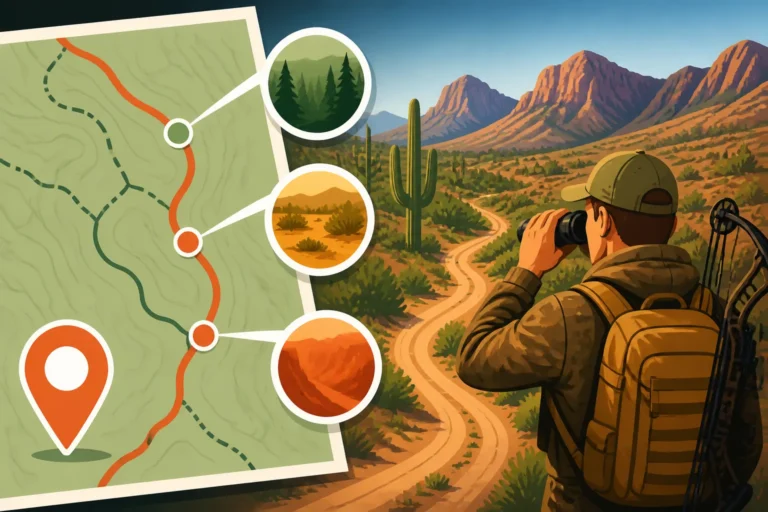
The Mogollon Rim is a dramatic escarpment that stretches for hundreds of miles across Arizona, defining a distinct ecological boundary. This isn't a uniform landscape; it transitions from dense ponderosa pine forests on the plateau to steep, rugged canyons and chaparral-covered slopes as you drop off the edge. This diverse topography directly impacts how elk move, feed, and respond to calls. You might find elk pushing into incredibly thick timber on the plateau, where visibility is measured in yards, making close-range calling crucial. Just a mile away, they could be feeding on an open ridge overlooking a canyon, where they have an immense field of view and are far more wary of anything approaching. This means your calling strategy needs to be incredibly adaptable. A loud, aggressive bugle might get you ignored or busted in open country, while a softer, more subtle cow call could be lost entirely in thick, noisy timber. You'll need to develop an ear for how your calls project and are received in different environments. Furthermore, knowing how to navigate this terrain quietly is paramount; even the best calling sequence can be ruined by a clumsy approach through fallen leaves or over rocky ground.
Adapting to Arizona's Elk Behavior
Arizona elk, particularly those on the Mogollon Rim, often behave differently than their counterparts in other states. They contend with significant hunting pressure, especially in popular units like 23 and 3C, and have adapted to become notoriously cagey. They're not always the screaming, aggressive bulls you see on hunting shows. Often, they're more reserved, taking their time to circle downwind, or silently slipping away if they feel pressured. You'll find that these bulls can be very responsive one day and completely shut down the next, often depending on how much pressure they've received. Understanding Elk Country Along the Mogollon Rim is key here, as their patterns change with the season and the presence of hunters. This means relying solely on aggressive bugling can be a mistake. Sometimes, the most effective strategy is to mimic the sounds of a contented herd—soft cow chirps, mews, and calf calls—to pique their curiosity without raising their suspicion. Patience is a virtue, and often, less is more when it comes to volume and frequency, especially after an initial response.
Decoding Elk Behavior on the Rim
To truly connect with a bull on the Mogollon Rim, you need to think like an elk. It's not just about making the right sounds; it's about understanding the "why" behind their responses, or lack thereof. Recognizing patterns, reading their body language, and interpreting their vocalizations are critical components of a successful hunt.
Interpreting Elk Vocalizations
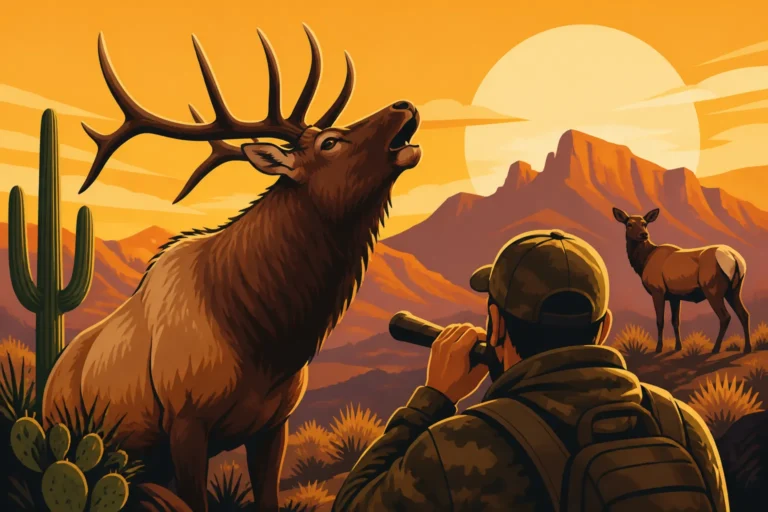
Elk have a surprisingly complex language, and the more you understand it, the better you can communicate. A bugle isn't just a bugle; it carries different meanings. A challenging bugle is short, sharp, and often ends with a chuckle, signaling dominance. A locator bugle, on the other hand, might be longer, drawn out, and less aggressive, simply announcing a bull's presence. Recognizing Locator Bugles for Finding Bulls at Dawn can save you valuable time. Cow calls vary too: a soft mew might indicate contentment, while a louder, more frantic estrus bleat is a direct invitation to a bull. Calf calls usually signify distress or a lost calf, which can sometimes bring in curious cows and even herd bulls. Pay close attention to the cadence, volume, and emotion in their calls. If you hear a bull bugle and then immediately rake a tree, he's probably fired up and ready to challenge. If he bugles once and then goes silent for a long stretch, he might be moving away or testing your resolve. Use online resources, and even apps like GoHunt, to help identify core elk habitat and listen to example calls. This learning process is continuous, and every interaction in the field teaches you more.
Reading Elk Body Language
Elk body language speaks volumes, even when they're silent. When a bull commits and starts walking toward your call, his posture will often tell you his level of caution. A bull with his head held high, ears swiveling, and constantly scent-checking the wind is cautious. A bull that's trotting in with his head low, swaggering, and bugling aggressively is likely coming in hot, ready for a confrontation. Pay attention to how they move through cover. If they're slipping through the timber silently, they're probably trying to get downwind to smell you before they show themselves. If they're crashing through brush and raking trees, they're putting on a show. Even seemingly subtle signs, like a flick of an ear or a nervous tail twitch, can indicate that they're on high alert. Knowing How Close a Bowhunter Needs to Get on Coues (even though it's deer, the principle of close range for bowhunting applies to elk) emphasizes the need to observe these animals carefully before making your move. Watch for their eyes; if they're staring intently in your direction but not moving, they might be trying to pinpoint your exact location or waiting for you to make a mistake.
Essential Elk Calling Techniques for Arizona
Successfully calling elk in Arizona's diverse and often pressured environments requires more than just mimicking sounds; it demands strategic execution and an understanding of when and how to deploy your calls. It's about creating a convincing narrative that draws them in.
Starting With a Subtle Approach
While it might be tempting to unleash a booming bugle right off the bat, especially when you're fired up, a subtle approach often yields better results on the Mogollon Rim. Many bulls here have been educated by aggressive calling. Start with soft cow mews and chirps. These sounds are less threatening and can pique a bull's curiosity without immediately putting him on high alert. Imagine an elk grazing peacefully, letting out a few contented mews—it's a natural sound that often goes unnoticed by other elk, and it can be just enough to make a bull pause and listen. If you're in an area where you suspect elk are feeding or bedding, these subtle sounds can get a response without revealing your exact position or spooking them with too much noise. The idea is to make them think there's a small, unsuspecting herd nearby, perhaps a cow or two grazing, which could be an easy target for a lone bull looking to add to his harem. This approach is particularly effective during the early morning or late evening when elk are generally more relaxed.
Aggressive Calling When Necessary
Sometimes, though, you need to crank up the volume and aggression, especially if you're trying to challenge a herd bull or get a distant bull to commit. Once you've established contact with subtle calls and a bull has shown some interest, or if you've located a bull that's actively bugling, it might be time to get more aggressive. This means a full-on challenge bugle, complete with chuckles and even raking a tree (if you have one handy and it sounds natural). The goal here is to make the bull believe there's another bull moving in on his territory or trying to steal his cows. You'll want to match his intensity, but don't overdo it initially. If he responds with a hot, aggressive bugle, match it. If he's more subdued, dial it back slightly. A common mistake is to go from zero to one hundred, which can sometimes shut a bull down. The timing of When the Elk Rut Peaks on the Rim is a crucial factor here; bulls are generally more responsive to aggressive calling during the peak rut. Don't be afraid to add some cow calls in between bugles, as if you're a bull rounding up your harem, making him feel the urgency.
Silence and Patience as Key Tools
Perhaps the most underrated calling technique is knowing when to be silent. After a calling sequence, especially an aggressive one, resist the urge to immediately call again. Give the elk time to process the sounds, to move, and to decide on their next action. Elk are naturally curious animals, and sometimes, silence can be more intriguing than continuous calling. If a bull bugles and you respond, then go silent, he might interpret that as you moving away or, more enticingly, that you're a lone bull quietly sneaking in. This can often make him come looking.
This is especially true with pressured bulls on the Mogollon Rim; they often hang up just out of sight, trying to get a visual or scent-check you. If you keep calling, you might be giving away your position, allowing him to circle downwind and bust you. Instead, go silent, listen intently, and watch for movement. Waiting ten, fifteen, even twenty minutes after a series of calls isn't uncommon. Use this time to scan the area, adjust your position if needed, and prepare for a shot. This strategy often makes the bull impatient, forcing him to come investigate why the rival bull or hot cow has gone quiet. When you're dealing with Cow Calling Pressured Arizona Bulls, sometimes silence after a well-placed series of mews is the best "call" you can make.
Mastering Different Call Types and When to Use Them
The market is flooded with elk calls, and it can be overwhelming to decide which ones to carry and, more importantly, when to use them. The key is to understand the strengths and limitations of each type and how they play into your overall calling strategy on the Mogollon Rim.
Diaphragm Calls for Versatility
Diaphragm calls, also known as mouth reeds, are perhaps the most versatile and essential elk calls you can carry. Once mastered, they allow you to produce a wide range of vocalizations – from soft cow mews and chirps to aggressive bull bugles and chuckles – all hands-free. This "hands-free" aspect is crucial, especially for bowhunters, as it allows you to keep your hands on your bow, ready to draw. The learning curve can be steep, as finding the right pressure and tongue position takes practice, but the payoff is immense.
You can carry multiple reeds with different cuts to achieve various tones and pitches, mimicking several elk in a herd. For instance, a double-reed diaphragm might produce a deeper, more mature cow sound, while a thinner, single-reed call could mimic a younger cow or calf. During a typical hunt on the Mogollon Rim, you might start with soft mews to gauge interest, then transition to a more aggressive bugle if a bull responds, all with the same call type. The subtle variations you can achieve with a diaphragm call make them indispensable for creating realistic and dynamic calling sequences. Platforms like GoHunt often feature videos or articles that showcase different diaphragm call techniques and the sounds they produce, offering excellent learning resources.
External Reed and Bugle Tubes for Volume
External reed calls, such as bite calls or plunger calls, are great for beginners because they are often easier to learn and produce consistent sounds. They typically consist of a reed housed in a chamber, which you blow through to produce a sound. While not hands-free, they can be excellent for producing realistic cow mews and even some basic bugles. Their advantage lies in their consistency and ease of use, making them a good option to have as a backup or for a hunting partner.
When it comes to bugle tubes, these are essential for adding volume, resonance, and realism to your bull bugles. A bugle tube amplifies the sound produced by a diaphragm call or external reed, allowing your bugles to carry further across canyons and through dense timber. They also add the crucial "growl" or "gurgle" sound that makes a bull bugle sound more authentic and intimidating. When calling across a large expanse of country, perhaps Glassing Grids for Arizona Coues Deer in a similar open context, a bugle tube is necessary to ensure your sounds reach distant animals. Many hunters will pair a diaphragm call with a bugle tube for maximum effect, producing the actual sound with the diaphragm and then resonating it through the tube. Different tube designs and materials can affect the tone, so experiment to find one that suits your style and the sounds you want to emulate.
Creating a Realistic Soundscape Table
| Call Type | Primary Use | Advantages | Disadvantages | Best Arizona Scenario |
|---|---|---|---|---|
| Diaphragm Call | Versatile (cow/bull) | Hands-free, realistic, wide range of sounds | Steep learning curve, can wear out | Close-in work, varied responses, stalk finishing |
| External Reed Call | Cow/Calf Mews | Easy to learn, consistent sounds | Not hands-free, limited range of sounds | Beginner-friendly, backup cow calls, partner calling |
| Bugle Tube | Amplifying Bull Bugles | Adds volume, resonance, realism | Bulky to carry, requires another call | Long-distance locator calls, aggressive challenges |
| Patience & Silence | All scenarios | Builds curiosity, avoids detection, forces bull to move | Requires discipline, can feel unproductive | Pressured bulls, when a bull hangs up, after aggressive calling |
It's not just about one call; it's about using a combination. Often, a "caller" and a "shooter" setup works best. The caller, positioned slightly behind or to the side of the shooter, uses a combination of calls to create the illusion of a small herd, with the shooter ready to capitalize on a bull coming in. Consider using a series of subtle cow mews, perhaps with an external reed, followed by a soft, questioning bugle from a diaphragm and tube, and then a period of silence. This paints a convincing picture for a bull.
Strategic Setups and Situational Awareness
No matter how good your calling sounds, it won't be effective without a solid setup that accounts for the wind, terrain, and the elk's likely approach. Strategic positioning is paramount to turning a response into an opportunity.
The Importance of Wind Direction
I cannot stress this enough: the wind is king when hunting elk, especially on the Mogollon Rim. Elk have an incredible sense of smell, and if they catch your scent, the hunt is over, often before you even know they were there. Always, always, always approach and set up with the wind in your favor. This means either directly in your face or quartering into it. Elk, especially bulls responding to calls, will almost invariably try to circle downwind to scent-check the source of the calls.
Anticipate this behavior. When you set up, position yourself and your shooter (if you're hunting with a partner) so that the bull's most likely downwind approach path puts him in an open shooting lane, or at least forces him to expose himself before he can wind you. Use terrain features like ridges, draws, and dense timber to your advantage to funnel the bull into your desired shooting zone. Even if you're certain the wind is steady, be aware of thermals. In the mornings, air generally flows downhill, and in the evenings, it rises. Playing Thermals on a Canyon Stalk is a critical skill for any Arizona hunter. A slight shift in thermal current can carry your scent directly to an approaching bull, so continuously monitor the wind with a wind checker.
Setting Up for Success
Your physical setup should maximize your shooting opportunities while minimizing your detection. When a bull responds, try to get into a position that offers good visibility and clear shooting lanes in the direction you expect the elk to come from. Look for natural cover that can conceal your silhouette while still allowing you to move subtly if needed. A big pine tree, a cluster of junipers, or a rock outcrop can provide that crucial concealment.
If hunting with a partner, the "caller-shooter" setup is incredibly effective. The shooter should be positioned 20-40 yards in front of and slightly to the side of the caller. This way, when the bull focuses on the sound of the calls coming from the caller, the shooter has an opportunity to draw and shoot without being detected. The bull will almost always focus on the sound, often looking directly at the caller. The caller can also provide crucial information to the shooter about the bull's approach, using hand signals or very soft whispers. Always identify potential shooting lanes and ranges before the bull commits, allowing you to react quickly and confidently when he appears. E-scouting tools, including those found on platforms like GoHunt, can help you identify these natural ambush points and potential travel corridors long before you ever set foot in the unit.
Navigating Common Calling Mistakes
Even seasoned elk hunters can fall prey to common mistakes, especially when the adrenaline kicks in. Recognizing these pitfalls and having a plan to avoid them is just as important as knowing how to make perfect sounds.
Over-Calling and Timing Issues
One of the most frequent mistakes, particularly among newer callers, is over-calling. It's easy to get excited when a bull responds and want to keep bugling or mewing. However, relentless calling can make elk suspicious. They might think something is off, or that the sounds are too perfect or too constant to be natural. Imagine hearing a real elk herd; they don't constantly vocalize. There are periods of silence, soft mews, and then perhaps an intermittent bugle.
The key is to mimic this natural rhythm. Call, then listen. Wait for a response. If the bull is coming in hot and aggressively, you might match his intensity. But if he's hesitant or hanging up, less is often more. Give him time to think, to wonder where you went. Too many calls can also give away your exact position too early, allowing the bull to pinpoint you and then circle downwind or simply melt away into the timber. Pay attention to Bugle Timing Across the Mogollon Rim; understanding when bulls are most active and responsive can help you regulate your calling frequency. A good rule of thumb: when in doubt, call less.
Ignoring the Wind and Terrain
We touched on this earlier, but it's worth reiterating: ignoring the wind and terrain is a hunt killer. It doesn't matter how well you call; if a bull catches your scent, he's gone. Too many hunters get caught up in the excitement of a bugling bull and charge in without checking the wind or considering the topography. Always use a wind checker to confirm the wind direction, and remember that thermals can shift, especially as the day progresses.
Similarly, disregarding the terrain can put you at a severe disadvantage. Setting up on an exposed ridge with no cover, or in a deep draw where your calls might not carry, are common errors. Always consider how the terrain will funnel the elk, where they will try to get downwind of you, and where you'll have the best shooting lanes. Sometimes, it's better to hold back, adjust your position, and take a few extra minutes to get the wind right and find a good setup, even if it means sacrificing an immediate response. That patience will pay off in the long run. GoHunt's mapping features can be invaluable for identifying terrain features and wind patterns before you even step foot in the unit, helping you plan your approach effectively.
Not Being Ready for the Shot
This might sound obvious, but it's a mistake that happens all too often: hunters get so focused on calling that they aren't ready when the elk actually appears. Elk can come in silently, quickly, and from unexpected directions. If you're fumbling with your call, moving into position, or otherwise distracted, you can miss your opportunity.
Before you even start calling, make sure your rifle is shouldered, or your bow is in your hand, with a release on the string. Identify shooting lanes. Know your comfortable shooting range. If you're with a partner, ensure both of you know who will take the shot and what the limits are. Always assume the elk will appear at any moment. If you're the caller, your role is to draw the elk's attention, but you also need to be aware of the shooter's readiness and the elk's position. Being ready means having your gear accessible, having a clear line of sight, and being mentally prepared to execute a quick, ethical shot. Don't let the excitement of calling overshadow the ultimate goal: a clean harvest.
Advanced Tactics for Pressured Bulls
Hunting bulls that have been educated by previous encounters, or that are facing heavy hunting pressure, requires a more nuanced and often unconventional approach. These animals are smart, wary, and will not fall for simple tricks.
Mimicking Multiple Elk
One of the most effective ways to fool a pressured bull is to create the illusion of a larger, more active herd. Instead of just one bugle or one cow call, use a variety of calls to mimic multiple animals. This means incorporating different cow mews and chirps (using different reeds or calls to vary the pitch), along with a less aggressive, more questioning bull bugle. You could even add a calf mew to suggest a complete family unit. The idea is to make the bull think there's a small, unsuspecting herd, or perhaps a satellite bull with a few cows, that he might be able to steal from without a major confrontation.
This strategy works particularly well when trying to pull a bull away from a larger herd. He might be reluctant to challenge a dominant bull directly, but he might be willing to investigate a smaller group. Position yourself so that the "cow" sounds come from one direction, and the "bull" sounds from another, creating a more realistic, spread-out soundscape. This makes it harder for the actual bull to pinpoint a single source, and makes him think there's a whole scenario unfolding. This technique is particularly vital for Cow Calling Pressured Arizona Bulls.
The Subtle "Hunt Me" Approach
Sometimes, the best way to call a pressured bull is to make him think he's doing the calling. This involves a much more subtle, almost teasing approach. Start with very soft, infrequent cow mews, almost as if you're not even trying to call him in, but rather just going about your business. Then, if he responds with a bugle, go silent for a longer period than usual. When you do call back, make it a soft, contented mew, or a slightly questioning one, as if you're interested but not desperate.
The goal is to make the bull think he's the one who discovered a lonely cow or a small, non-threatening group, and that he needs to come find them. This can be incredibly frustrating for the hunter, as it requires immense patience and discipline, but it can be highly effective with bulls that have heard every aggressive bugle in the book. It preys on their natural curiosity and their desire to find receptive cows without having to fight for them. This slow, deliberate dance can often convince a bull to cover more ground than he would otherwise, especially if he senses no immediate threat.
Exploiting Natural Bottlenecks
Pressured elk often use specific terrain features to their advantage, sticking to dense cover or moving along ridges that offer escape routes and visibility. As a hunter, you can exploit these natural bottlenecks. Instead of trying to call an elk out of a seemingly impenetrable thicket, position yourself along a game trail, a saddle, or a narrow canyon bottom that you anticipate they will use as they move.
Combine this with your calling strategy. If you've located a bull in a thick bedding area, use soft calls to pique his interest, then go silent. The hope is that his curiosity, coupled with his natural movement patterns, will lead him to eventually move through one of these bottlenecks. This requires a deep understanding of the unit and how elk use the land. Resources like GoHunt's mapping overlays, showing public land boundaries and topography, are excellent for identifying such strategic locations before your hunt. Remember, if you can draw a bull to a point where he naturally feels safe but is still exposed enough for a shot, you've significantly increased your odds.
Preparing for Your Mogollon Rim Elk Hunt
Effective elk calling isn't just about what happens in the field; it begins long before you ever step foot in the woods. Thorough preparation can be the difference between a successful hunt and a frustrating one.
Scouting and E-Scouting Your Unit
Preparation for a Mogollon Rim elk hunt starts with extensive scouting, both in person and digitally. E-scouting allows you to become intimately familiar with your unit before you even leave home. Use mapping tools like GoHunt to study topography, identify water sources, locate potential bedding and feeding areas, and mark travel corridors. Look for saddles, benches, and dense timber patches that elk might use. Pay attention to how the unit's elevation changes, as this will influence thermals and elk movement. Identifying areas with good access but also challenging terrain can help you find less pressured pockets. E-Scouting an Arizona Unit Before the Season can give you a significant edge.
Once you have a general idea of promising areas, put boots on the ground. Visit your unit months before the season, if possible. Look for fresh sign: tracks, droppings, rubs, and wallows. Listen for elk vocalizations during different times of the day. This firsthand knowledge is invaluable for understanding how the elk use the terrain, where they feel safe, and where they might respond to calls. Even a quick weekend trip can provide crucial insights that a map alone cannot.
Physical and Mental Readiness
Elk hunting on the Mogollon Rim is physically demanding. You’ll be covering miles over rugged, steep terrain, often at elevations where the air is thinner than you might be used to. Being in good physical shape is non-negotiable. Start a fitness regimen well in advance of your hunt, focusing on cardiovascular endurance, leg strength, and carrying a pack. You'll be packing heavy gear, and hopefully, heavy meat, out of challenging country. Packing an Elk Out of Rim Country Alone highlights the intense physical demands you might face.
Equally important is mental toughness. Elk hunting can be frustrating. You might go days without hearing a bugle, or you might have bulls hang up just out of range. Maintaining a positive attitude, staying persistent, and being patient are crucial. Prepare for early mornings, long days, and cold nights. The mental game often separates successful hunters from those who give up. Visualize success, but also prepare for challenges and setbacks.
Gear Check and Call Practice
Before your hunt, ensure all your gear is in top working condition. This includes your weapon (rifle, bow, or muzzleloader), optics, clothing for varying weather conditions (remember Layering for Rim Country Temperature Swings), and all your calling equipment. Inspect your calls, ensure reeds aren't cracked, and practice using them until they sound natural and consistent. Practice sequences, not just individual sounds, and listen to recordings of real elk to refine your technique.
Don't forget the small but critical items: a quality headlamp, a reliable GPS or mapping app like GoHunt with offline maps, first-aid kit, and plenty of water. Having comfortable, broken-in boots is paramount for navigating the Rim's varied terrain. A successful hunt often boils down to preparation, and being physically, mentally, and logistically ready will significantly increase your chances of calling in that Arizona bull.
Disclaimer
Hunting is an activity with inherent risks. This guide provides information for educational purposes only and is not a substitute for official regulations, professional instruction, or personal judgment. Always consult the latest Arizona Game and Fish Department regulations, practice firearm and archery safety, and hunt ethically and responsibly.