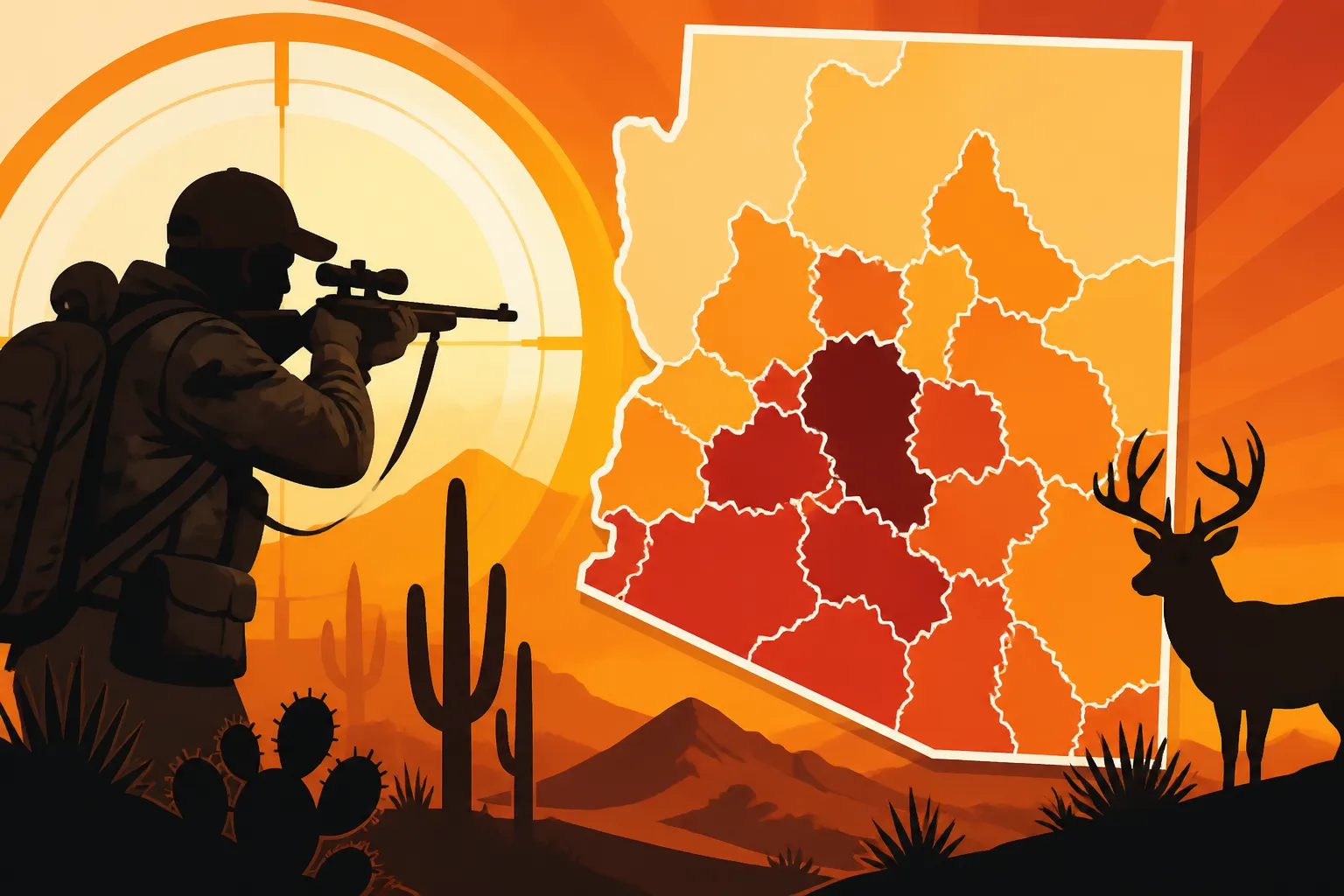
Units That Get the Heaviest Hunting Pressure
There's nothing quite as disheartening as putting in the miles, waking up before dawn, and finally hitting your hunting spot, only to find another truck or, worse yet, hunters already working the area you meticulously scouted. Arizona's vast landscapes are a draw for so many, and with that popularity comes the inevitable challenge of crowded units. This guide is here to help you understand which Arizona units tend to see the heaviest hunting pressure, why that happens, and more importantly, how you can still find success and solitude even in popular areas.
Why Certain Arizona Units See High Hunting Pressure
The reasons some units become magnets for hunters are pretty straightforward, but understanding them can help you predict where the crowds will be. It's not always about big trophy animals; sometimes it's simply about convenience or a long-standing reputation.
Ease of Access and Proximity to Major Cities
One of the biggest drivers of hunting pressure is simply how easy a unit is to get into and how close it is to where people live. Think about the units near Phoenix, Tucson, or Flagstaff. For many hunters, especially those with limited time or young families, a unit they can drive to, hunt for a day or two, and then return home from is incredibly appealing. These units often have a denser network of roads, making it easier to drive deep into public land, or at least closer to the action.
Consider the units just off I-17 or I-10; they naturally become weekend warrior destinations. While these areas might not always boast the biggest animals, the sheer convenience draws a steady stream of hunters. This means every road, every popular water hole, and every accessible ridge line will likely see human traffic, especially on opening weekend and during peak times. It’s a trade-off: convenience for crowds.
Reputation for High Success Rates or Trophy Potential
Then there are the units that everyone talks about – the ones that consistently produce big bulls, heavy-horned mule deer, or healthy populations of Coues deer. These are the units that show up in magazines, online forums, and campfire stories. Naturally, a unit with a reputation for trophy animals or a consistently high success rate is going to attract a lot of attention, even if it's not the easiest place to hunt.
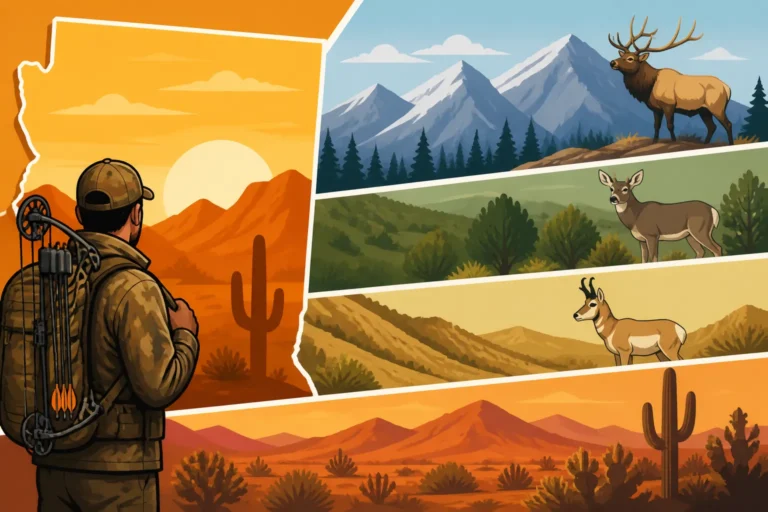
The Kaibab Plateau, for instance, in Unit 9 and the Kaibab Plateau North of the Grand Canyon, is legendary for its mule deer. Even though it's a journey for many, the allure of a truly world-class buck draws hunters from all over. Similarly, certain elk units along The Mogollon Rim as Arizona Elk Country might have lower draw odds, but those who are successful know they're stepping into prime country, and they'll face competition from other hunters who also drew those coveted tags. The same goes for prime Coues deer country in the Sky Islands; a unit known for mature bucks will see dedicated hunters putting in intense glassing hours.
Available Species and Season Lengths
The species present and the length of the hunting season also play a significant role in pressure. Units offering over-the-counter opportunities, like the Arizona's Over-the-Counter Archery Deer Tag Explained or Arizona Javelina Tags Are Available All Year, often see continuous pressure throughout their long seasons. Hunters who don't draw a coveted tag can still get out and hunt, which is fantastic, but it means these areas rarely get a break from human presence.
Take the archery deer seasons, for example. With their extended windows, hunters can spread out their efforts, but it also means that deer are constantly being pushed and educated by bowhunters in the field for months. Similarly, general firearm seasons for deer or elk, while shorter, concentrate a huge number of hunters into a very tight window, leading to explosive pressure on opening day, which then tapers off as the season progresses. A unit that holds multiple desirable species, say elk, deer, and bear, might see various waves of hunters throughout the year, even outside of specific big game seasons.
Identifying High-Pressure Units Before You Even Pack Your Bags
You don't have to show up on opening day to discover you're sharing the woods with dozens of other hunters. With a little research and some digital tools, you can get a good sense of potential pressure points before you ever leave home. This proactive approach can help you decide if a unit is right for you, or if you need to adjust your strategy.
Analyzing Draw Odds and Application Data
One of the clearest indicators of hunter interest in a limited-entry draw unit is the draw odds. If a unit has extremely low draw odds, meaning it takes many bonus points to draw a tag, you can bet that the few hunters who do draw those tags are highly experienced, dedicated, and will be putting in maximum effort. These are often the "trophy units" that everyone wants to hunt. Tools like GoHunt's Insider service provide fantastic application data, showing how many points it takes to draw certain tags, which units are most popular, and even harvest success rates by unit. High demand for tags usually translates to high hunter density on the ground.
While draw odds don't tell you the exact number of people in the field, they strongly correlate with the quality and intensity of the hunting pressure. A unit where tags are easily obtained, or are over-the-counter, will naturally have more tags floating around, increasing the potential for more boots on the ground.
Utilizing Mapping Software and Satellite Imagery
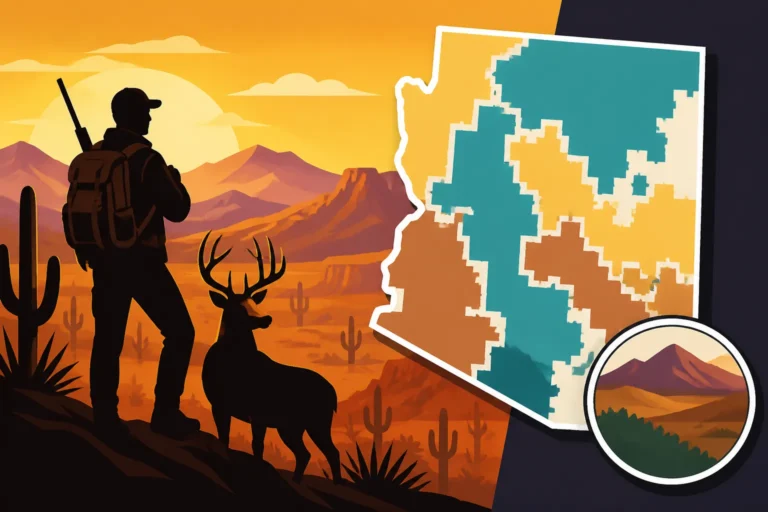
Modern mapping platforms have revolutionized scouting and can be invaluable for predicting hunter pressure. Services like onX Hunt allow you to layer public and private land boundaries, roads, trails, and even water sources. You can zoom in on a unit and immediately see areas with dense road networks – these are almost always high-pressure zones because they offer easy access. Look for major trailheads, popular camping areas, and well-worn two-tracks.
Conversely, you can identify remote pockets of public land that are far from roads, requiring significant effort to reach. These are often the areas that see less pressure. Satellite imagery can reveal canyons, thick timber stands, or rough terrain that deters casual hunters. Pay attention to obvious choke points, saddles, and open basins that might be easy to glass from a road – these spots will get hammered. E-Scouting an Arizona Unit Before the Season is a critical step, allowing you to mark potential pressure points and identify escape routes or overlooked pockets.
| Factor Increasing Pressure | Strategy to Mitigate |
|---|---|
| Easy Road Access | Hike farther from roads/trails |
| Proximity to Cities | Hunt midweek, avoid opening weekend |
| High Draw Odds/OTC Tags | Seek out less popular zones within the unit |
| Reputation for Big Animals | Hunt thick cover, focus on overlooked terrain |
| Many Water Sources | Scout for less obvious water or hunt travel routes |
| Open, Glassable Terrain | Hunt dense timber, dark canyons, north-facing slopes |
| Flat, Gentle Terrain | Climb steep, rugged country that deters others |
Checking Hunter Success Reports and Unit Reviews
Arizona Game and Fish publishes hunt success data, which can be an excellent resource. While success rates don't directly tell you about pressure, a unit with consistently high success rates, especially for larger game, will attract more hunters. Many online forums and hunting communities also have sections dedicated to unit reviews. While these should be taken with a grain of salt (hunters rarely give away their best spots!), you can often pick up on common themes about certain units being "crowded" or "heavily hunted."
Additionally, look at the distribution of harvest within a unit. Are all the animals being taken close to roads, or are hunters having success deep in the backcountry? This can give you clues about where the pressure is concentrated. Forums and private groups often discuss specific units, and sometimes the frustrations of too many hunters will surface, giving you a heads-up.
Strategies for Hunting Pressured Ground
Just because a unit gets a lot of hunting pressure doesn't mean you should write it off entirely. Animals are remarkably adaptable, and with the right strategy, you can still find success. It’s all about thinking like the game and being willing to do what other hunters aren’t.
Going Deeper and Farther Than the Average Hunter
The simplest and often most effective strategy for escaping pressure is to simply walk farther than everyone else. Most hunters, especially those with limited time or physical conditioning, will stick to within a mile or two of a road or trailhead. If you're willing to put in the miles, whether it's by foot or with the aid of a mountain bike (where legal), you'll often find animals that haven't been disturbed.
This might mean packing in a spike camp for a few days, getting into rugged country, or simply focusing on areas that require a tougher approach. Don't be afraid to put some elevation between you and the nearest road. Animals, particularly mature bucks and bulls, quickly learn that safety lies where human footsteps are few. When Packing an Elk Out of Rim Country Alone or with a partner, this extra effort is a badge of honor and often the key to success.
Hunting Thick Cover and Overlooked Terrain
Pressured animals seek refuge in the nastiest, thickest, most overlooked spots. This could be a dense stand of juniper, a steep, brushy canyon, or a north-facing slope with heavy timber that holds snow late into the season. These aren't the easy, open glassing hills, but they are where animals feel secure. Instead of trying to spot animals from afar, you might need to shift to still-hunting through cover or setting up ambushes on trails leading into and out of these sanctuaries.
Think about how deer will often bed down in a patch of prickly pear or mesquite so thick you can barely see into it, even if there's more open country nearby. They're using that cover as a shield. Similarly, elk might move into dense stands of young pines where visibility is only a few yards, but they know hunters are less likely to penetrate. Adapt your hunting style to where the animals are, not where it's easiest for you. This is also where understanding Reading Terrain Before You Pick a Camp comes in handy; look for those difficult-to-access pockets on your maps.
Utilizing Midweek and Late-Season Opportunities
The vast majority of hunting pressure occurs on weekends, especially opening weekend. If your schedule allows, hunting midweek can dramatically increase your chances of finding less pressured animals and enjoying more solitude. Many hunters head home after a few days, leaving the woods quieter for those who can stay.
Similarly, late-season hunts, when fewer tags are active and the weather is often colder or more unpredictable, can offer excellent opportunities. While the conditions might be tougher, the rewards can be significant as animals might be less wary and focused on feeding before winter truly sets in. This is especially true for some of the later rifle or even archery seasons where much of the early-season rush has passed.
Balancing Pressure with Opportunity: When a Popular Unit Still Makes Sense
It's easy to get discouraged by the idea of hunting pressured units, but sometimes, a popular unit is popular for a reason: it holds animals. The trick isn't always to avoid pressure entirely, but to understand it and use it to your advantage, or simply accept it as part of the experience.
The Benefit of Educated Game Movements
While pressure can make animals wary, it also makes them move. Other hunters, whether they realize it or not, can act as beaters, pushing deer or elk from one area to another. By understanding common escape routes, saddles, and travel corridors, you can position yourself for animals being pushed by others. This often requires patience and an understanding of the topography and how animals react to disturbance.
If you know a popular ridge is getting hammered, consider setting up downwind in a draw or on a parallel ridge, anticipating animals will filter through those less obvious routes. Playing Thermals on a Canyon Stalk becomes even more crucial here, as animals will use wind currents to detect danger when moving through cover. The sound of distant shots or even ATV traffic can sometimes send game right into your lap if you've done your homework.
The Sheer Number of Animals in Well-Managed Units
Some units are popular simply because they have incredibly healthy animal populations. Even with high pressure, there might still be plenty of deer or elk to go around. Arizona Game and Fish does an excellent job managing these populations to sustain hunting opportunities. In these situations, your success might not come from finding a completely unpressured animal, but from out-hunting the competition in a more nuanced way.
This could involve honing your The Grid Glassing Method, Step by Step to meticulously cover terrain, focusing on smaller, overlooked pockets, or spending more time observing rather than rushing. A unit with a high overall population means that even if animals are pressured, there are still more animals to eventually locate, track, and attempt a stalk on. Sometimes, the numbers simply favor the hunter, even amidst the crowds.
Embracing the Challenge and Focusing on the Experience
Ultimately, hunting isn't just about punching a tag. For many, it's about the challenge, the experience of being in nature, and the time spent with friends or family. Hunting a pressured unit, and succeeding, can be incredibly rewarding because it forces you to sharpen your skills, think outside the box, and become a more adaptable hunter.
Instead of focusing solely on the presence of other hunters, shift your mindset to the thrill of the chase, the beauty of the Arizona landscape, and the personal growth that comes from adapting to challenging conditions. Even in a busy unit, there are always moments of solitude and connection with the wild, whether it's watching a sunrise over a vast desert canyon or hearing a distant bugle echo through the pines. Remember that every hunter out there is pursuing the same passion, and while it might get crowded, it's a shared journey.
Disclaimer
This article is for general informational purposes only and does not constitute professional advice. Laws, prices and regulations vary by location and change over time. Consult a qualified professional for guidance on your specific situation.