Backcountry Units That Require a Pack Trip
For many of us who dream of truly escaping the crowds and finding untouched wilderness, the idea of a "backcountry hunt" in Arizona sounds like pure bliss. However, the reality is that many units in this vast state demand far more than a sturdy pair of boots and a good attitude – they require a full-fledged pack trip, whether with stock or on your own two feet, just to get to the starting line. This guide will walk you through identifying those truly remote Arizona hunting units and help you understand the significant planning and effort involved in making a pack trip a successful reality.
Understanding Arizona's Backcountry Landscape
Arizona is a land of extremes and incredible diversity. When we talk about "backcountry" here, we're not just talking about a dirt road that gets a little rough; we're talking about vast tracts of land where vehicle access simply doesn't exist, where trails are faint or nonexistent, and where self-sufficiency isn't a luxury, it's a necessity. This is the realm of true wilderness, often designated as such, or areas so geographically challenging that roads were never practical to build.
What Defines True Backcountry in Arizona?
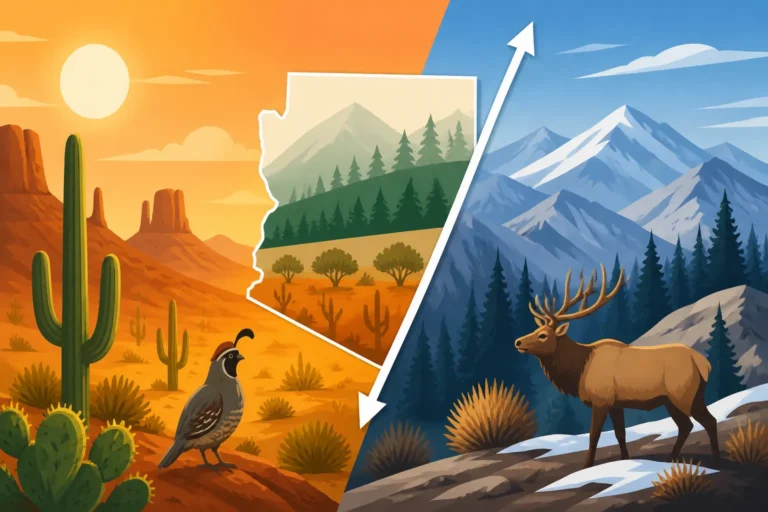
The Arizona backcountry isn't a single type of terrain. It can be the soaring peaks of the Sky Islands in the south, the deep canyons and volcanic fields of the central highlands, or the sprawling, remote plateaus in the north. What unifies these areas as "backcountry" is their inaccessibility to conventional vehicles. We're talking about places where the only way in or out with significant gear is to walk it in, or employ pack animals like horses or mules. The average hunter might think a few miles from the truck is "backcountry," but for these units, "a few miles" is just where the real work begins. These are the places where cell service is a distant memory, and your primary navigation tools need to be reliable maps, a compass, and a robust GPS device.
Geographic Features Demanding Pack Support
Arizona boasts several distinct geographic features that inherently lead to pack trip requirements. The most prominent are its numerous mountain ranges, often dubbed "Sky Islands," that rise abruptly from the desert floor. These ranges, like the Chiricahua, Pinaleno, and Huachuca Mountains, feature steep, rocky terrain, dense oak brush, and high-elevation timber that simply don't accommodate easy road access beyond their lower fringes. Similarly, vast wilderness areas, designated by federal agencies, explicitly prohibit motorized travel. Think of the Mazatzal Wilderness Area or the Blue Range Primitive Area – these are expansive, rugged landscapes where even mountain bikes are often restricted. Navigating these areas means ascending and descending thousands of feet over rough ground, often far from any established water source or easy bailout point. This topography, combined with legal restrictions, creates pockets of wilderness that are utterly unforgiving to the unprepared.
The Inherent Challenges of Deep Wilderness Hunting
Beyond just getting there, the challenges of deep wilderness hunting are multifaceted. Water is almost always a primary concern in Arizona, even in higher elevations. While some areas might have perennial springs, many depend on seasonal rain or require significant hauling or filtration from less-than-ideal sources. Weather can swing wildly; a warm autumn day can quickly turn into a freezing snowstorm at higher altitudes, demanding versatile gear and contingency plans. Furthermore, the sheer physical toll of carrying heavy loads – whether it's your camp, your water, or God willing, your game – over extended distances and difficult terrain is immense. The notion of a "quick" backcountry hunt is often a myth; these hunts are expeditions that demand rigorous planning and physical conditioning long before you ever step foot on the trail.
Identifying Key Backcountry Units for Pack Trips
When you're looking to truly get away from it all and immerse yourself in an Arizona hunting experience that demands a pack trip, certain units and areas immediately come to mind. These aren't just "hard to get to" – they are designed by nature and often by regulation to be remote and self-reliant.
Iconic Units Known for Demanding Access
Let's talk about some specific units and regions that are synonymous with backcountry pack trips.
- Blue Range Primitive Area (Units 27, 28): This area, straddling the Arizona-New Mexico border, is a prime example. Known for its rugged, forested canyons and high ridges, it's a place where trails are minimal and often obscured, and any vehicle travel is strictly prohibited within the primitive area boundaries. Hunters often target elk and mule deer here, and getting an animal out requires significant effort, often necessitating a multi-day pack out.
- Mazatzal Wilderness Area (Units 21, 22, 23): Located north and east of Phoenix, the Mazatzals are a stunning, brutal range. With peaks soaring over 7,000 feet and deep, tangled canyons, this wilderness area is a magnet for serious Coues deer hunters. Access points are limited, and once you step into the wilderness boundary, you're on your own. Hunters here routinely plan multi-day excursions with full packs, navigating steep ascents and descents. Access Into Mazatzal Wilderness goes into more detail about getting into this rugged country.
- Superstition Wilderness Area (Units 24A, 24B): Just east of the Phoenix metropolitan area, the Superstitions are infamous for their stark beauty and incredibly rugged terrain. This wilderness holds javelina, deer, and even a few bears, but hunting here is a serious undertaking. The trails are notoriously steep and rocky, and water sources can be scarce, especially outside of the monsoon season. A pack trip here means being prepared for desert extremes and self-rescue scenarios. Superstition Wilderness Hunting Access can give you a deeper dive.
- Chiricahua Mountains (Unit 29): Part of the Sky Island chain in southeastern Arizona, the Chiricahuas offer incredible hunting for Coues deer, bear, and turkey. However, much of the higher country is part of the Chiricahua Wilderness. Forest roads provide some access, but to reach the prime, less-pressured areas, a pack-in is often the only way. The "sky island" nature means dramatic elevation changes and a mix of desert and conifer forests. For more on getting into these mountains, check out Getting Into the Chiricahua Mountains.
- Pinaleno Mountains (Unit 31): Home to the "desert moose" – the unique Pinaleno mule deer – this is another Sky Island that mandates significant effort. The highest peaks hold true wilderness, and while a main road winds its way up, the best hunting often lies far off the beaten path, requiring a multi-day hike and a robust packing strategy. Getting Into the Pinaleno Mountains provides some excellent insights into this rugged range.
These units aren't for the faint of heart, but they offer the solitude and quality hunting experiences that many desire.
Why These Units Demand Pack Support
The requirement for pack support in these units stems from a combination of factors. Foremost is the absence of motorized vehicle access. Wilderness designations, like those mentioned above, explicitly forbid vehicles, including ATVs and even e-bikes, past designated trailheads. This means any gear, food, water, and ultimately, harvested game, must be carried by human power or by horses/mules.
Secondly, the sheer distance from any accessible roads to prime hunting grounds often makes a day hunt impractical or impossible. Imagine hiking 8-10 miles with a heavy pack just to get to where you want to start hunting, then having to hunt, and then pack out a deer or elk over that same distance in one day. It's simply not feasible for most people. A pack trip allows you to establish a base camp deep within the unit, saving valuable hunting time and energy, and providing a place to store supplies and properly care for meat. For non-wilderness areas, seasonal road closures, especially in winter or during monsoon season, can also turn accessible areas into de facto backcountry.
Utilizing tools like onX Hunt becomes absolutely critical when assessing these units. You can meticulously study the land ownership layers to understand public vs. private access, identify wilderness boundaries, and most importantly, pinpoint roads and trails. By zooming in, you can see how far those roads truly penetrate the unit and where the wilderness boundary begins. Similarly, GoHunt's unit statistics and public land percentages can help you gauge the amount of genuine wild country available within a given unit. This digital scouting can save you a tremendous amount of time and effort before you ever set foot on the ground. For a deeper understanding of digital scouting, you might find Reading a Land Ownership Layer Correctly and Using onX Layers for Arizona Public Land quite helpful.
Comparison of Backcountry Units & Their Demands
To help visualize the differences, here's a quick comparison of what you might expect from a few types of backcountry units in Arizona:
| Feature/Unit Type | Mazatzal Wilderness (Coues) | Blue Range Primitive Area (Elk/Deer) | Pinaleno Mountains (Mule Deer) |
|---|---|---|---|
| Primary Game | Coues Deer, Bear, Javelina | Elk, Mule Deer, Bear | Mule Deer, Coues Deer, Bear |
| Terrain | Steep, rocky canyons, scrub oak | Steep, timbered ridges, deep drainages | High elevation peaks, mixed conifer |
| Typical Pack-In Dist. | 3-8 miles to deep camps | 5-10+ miles to core areas | 4-7 miles off main road |
| Elevation Range | 2,000 ft – 7,900 ft | 4,500 ft – 9,300 ft | 5,000 ft – 10,700 ft |
| Water Availability | Scarce, seasonal, requires planning | More reliable springs/creeks, but scout | More reliable at higher elevations |
| Physical Demand | Extreme, lots of vertical | High, long distances, rugged | High, altitude can be a factor |
| Typical Hunt Length | 4-7 days | 5-10 days | 5-7 days |
Planning Your Arizona Backcountry Pack Trip
Once you've identified a promising backcountry unit, the real work of planning begins. A successful pack trip hinges on meticulous preparation, from choosing your mode of transport to ensuring you have the right gear and the physical stamina to match.
Logistics: Horse/Mule Packing vs. Human Power
The first big decision is how you'll move your gear. Both options have their pros and cons.
Horse and Mule Packing
Hiring an outfitter with a string of reliable pack animals, or owning your own, dramatically increases the amount of gear you can bring and allows you to reach deeper, more remote camps with relative ease. This is particularly advantageous for elk hunts where meat volumes are high, or for longer expeditions. A string of mules can carry hundreds of pounds of gear, enabling a more comfortable camp with better food, more water, and potentially even a wall tent with a stove. However, it comes with its own set of challenges: cost if you hire a packer, the significant responsibility of animal care if you own them, and finding suitable feed and water for the animals in arid Arizona. You'll need to know where designated stock trails are and understand the rules for stock in wilderness areas. Sometimes, even with stock, there are areas so steep and rocky that only human power can get into them.
Human Power (Backpacking)
For those without access to pack animals or who prefer the pure self-reliance of backpacking, this means every ounce counts. You'll be carrying your entire camp, food, and water on your back, often for days. This method is incredibly demanding physically, requiring significant pre-hunt training to build strength and endurance. The upside is ultimate flexibility; you can go anywhere a human can walk, without worrying about animal logistics. This method is often preferred for smaller game like Coues deer or javelina, where the pack-out is less daunting. However, it severely limits your creature comforts and requires careful rationing of supplies. Remember, Water You Must Carry on a Day Hunt is important, but for a multi-day backpacking trip, your water strategy becomes paramount, often involving carrying several liters at all times and relying on robust filtration systems.
Essential Gear for the Deep Backcountry
Regardless of whether you use stock or backpack, your gear choices are critical. This isn't the place to skimp or bring untested equipment.
Navigation and Communication
In Arizona's vast and often unmarked backcountry, a reliable navigation system is your lifeline. A high-quality GPS unit loaded with detailed maps (like those from onX Hunt) is indispensable. Always carry a physical map and compass as a backup, and know how to use them. For communication, forget about cell phones. A satellite communication device, such as a Garmin inReach or Zoleo, is essential for emergency contact and checking in with loved ones. It's not just a convenience; it could be a life-saver in an unexpected situation. For more on staying connected in remote areas, see Satellite Communication From a Hunting Camp.
Shelter and Sleep System
Your tent needs to be durable, lightweight, and capable of withstanding unexpected weather, from intense sun to high winds and even snow. A good sleeping bag rated for the lowest expected temperatures, coupled with a comfortable sleeping pad, will ensure you get the rest you need after grueling days. If using stock, a larger wall tent can offer more comfort, but requires more effort to set up.
Water Management
As touched on, water is life in Arizona. Carry ample capacity (multiple water bottles, a hydration reservoir) and a reliable water filter or purification tablets. Knowing where potential water sources are on your map and scouting them beforehand is crucial. Consider hauling extra water to camp, especially if backpacking, as Water You Must Carry on a Day Hunt scales up significantly for multi-day excursions.
Food and Cooking
Dehydrated meals are lightweight and convenient for backpackers. If you have stock, you can bring more fresh food. A compact, efficient stove and fuel are necessary for hot meals and drinks. Plan your calorie intake carefully; you'll be burning a lot of energy.
Safety and First Aid
A comprehensive first-aid kit is non-negotiable. Include items for blisters, cuts, sprains, and any personal medications. A headlamp with extra batteries, fire-starting supplies, a knife, and emergency signaling devices (whistle, signal mirror) are also essential. Bear spray might be a consideration in some timbered units.
Physical Preparation is Paramount
This cannot be stressed enough: a backcountry pack trip in Arizona is physically demanding. Even if you're using horses to carry your gear, you'll still be walking miles over uneven terrain, often at altitude. If you're backpacking, the physical exertion is amplified. Start your physical conditioning months in advance. Focus on cardiovascular fitness (hiking with a weighted pack, stair climbing) and strength training (core, legs, back). Being in peak physical condition will not only make the hunt more enjoyable but will also increase your safety and ability to handle unexpected challenges. For more insights on this, read Preparing Physically for a Desert Hunt.
Permits, Regulations, and Ethical Considerations
Venturing into Arizona's backcountry for a hunt means adhering to specific regulations that protect both the hunter and the wilderness itself. Understanding these rules is crucial for an ethical and legal hunt.
Wilderness Area Rules and Restrictions
Many of Arizona's deepest backcountry units fall within designated Wilderness Areas, which come with a strict set of regulations. The most fundamental rule is the prohibition of motorized and mechanized equipment. This includes ATVs, dirt bikes, mountain bikes, and even carts with wheels. If it has a motor or wheels, it's generally not allowed in a Wilderness Area. This is why pack animals or human power are the only options for deep penetration. Additionally, group sizes may be limited, and special permits might be required for extended stays in some wilderness areas, although a standard hunting license usually covers entry for hunting purposes. Adhering to Leave No Trace principles is also paramount: pack out everything you pack in, minimize impact on campsites, and properly dispose of human waste. Familiarize yourself with Wilderness Rules Inside Arizona Forests before you head out.
Carcass Retrieval and Meat Care in Remote Areas
The challenge of a backcountry hunt doesn't end when you pull the trigger. In fact, for many, that's when the real work begins. Packing out an animal from miles deep in rugged terrain requires immense effort and careful planning. You must quarter the animal efficiently and get the meat cooled down as quickly as possible, especially in Arizona's often-warm climate. This means carrying game bags, knowing how to field dress and bone out an animal efficiently, and having a plan for meat transport. Even in cooler months, desert heat can quickly spoil meat, so knowing how to hang quarters in the shade, away from direct sunlight, is critical. For detailed advice, Field Dressing in Desert Heat and Getting Meat Cooled on an Early Season Hunt are invaluable resources. You'll also need to ensure you retain evidence of sex on the carcass as required by regulations until it's processed.
Mandatory Reporting and Tagging
Arizona has specific requirements for tagging harvested big game and, in some cases, mandatory reporting. Immediately after harvesting an animal, you must detach and sign the appropriate tag from your license and attach it to the carcass. The specific location for attachment (e.g., antler, ear, leg) is usually outlined in the hunting regulations. For some species like bear and mountain lion, and occasionally elk in specific units, there might be mandatory check-in or reporting requirements within a certain timeframe after harvest. This usually involves contacting the Arizona Game and Fish Department or taking the animal to a designated check station. Always carry a copy of the current regulations or have them readily accessible digitally to ensure you comply. For more on this, consult Mandatory Reporting After an Arizona Harvest.
Campsite Selection and Fire Restrictions
Choosing a campsite in the backcountry requires thought. Select a durable surface away from water sources, trails, and animal travel routes. Be mindful of potential flash flood areas in washes. Fire restrictions are common in Arizona, especially during dry periods or high-wind conditions. Always check for current fire restrictions for the specific national forest or BLM land you're on before you light a campfire. Often, only gas stoves are permitted during high restrictions. If campfires are allowed, ensure they are small, contained, and completely extinguished before you leave or go to bed. This is not just a rule; it's vital for preventing devastating wildfires. Fire Restrictions During Hunting Season can give you the current rundown. Furthermore, understanding general Camping on Forest Ground During Hunting Season rules will keep you compliant and safe.
Hunting the backcountry units of Arizona offers an unparalleled experience of solitude, challenge, and immense reward. It's a true test of skill, endurance, and preparation, but for those willing to put in the effort, it can yield memories and trophies that last a lifetime. Taking the time to understand the landscape, plan meticulously, and respect the wilderness will ensure your pack trip is a safe and successful adventure. How Arizona Guides Judge a Coues Buck can be a great resource for understanding game behavior, even if you are hunting without a guide, to help improve your chances of success in these remote areas.
Disclaimer
This article is for general informational purposes only and does not constitute professional advice. Laws, prices and regulations vary by location and change over time. Consult a qualified professional for guidance on your specific situation.