Arizona’s 30-Pound Minimum for Vertical Bows
Stepping into the world of bowhunting in Arizona can feel like navigating a maze of regulations, and one of the first questions many archers grapple with is, "Is my bow legal?" The requirement for a minimum draw weight on vertical bows often causes confusion, especially for those new to the state or just getting started in archery. This comprehensive guide is here to demystify Arizona's 30-pound minimum draw weight rule for vertical bows, helping you understand not just the letter of the law, but also its spirit, so you can hunt confidently and ethically.
Understanding Arizona's Vertical Bow Draw Weight Requirement
Arizona has clear guidelines for hunting equipment, and vertical bows are no exception. The 30-pound minimum draw weight is a critical regulation that every bowhunter needs to be aware of and adhere to before heading into the field. This isn't just a number; it's a foundational element of ethical hunting practices designed to ensure humane harvests.
The Specifics of the 30-Pound Rule
The Arizona Game and Fish Department (AZGFD) mandates that all vertical bows used for hunting big game must have a minimum draw weight of 30 pounds. This measurement is taken at the archer's full draw, meaning the bow must generate at least 30 pounds of force when pulled back to its maximum shooting position. It's not about the bow's peak draw weight setting if it's adjustable, but rather the actual force exerted at the point of release. For instance, a compound bow set at 40 pounds will easily meet this, but one set lower, perhaps for target practice, might not.
This regulation applies to all types of vertical bows, including compound bows, recurves, and longbows. The intention behind it is to ensure that the arrow carries sufficient kinetic energy to achieve a clean, quick, and humane kill on big game animals. An arrow launched from a bow with insufficient draw weight might not penetrate deeply enough, leading to wounded animals and prolonged suffering, which goes against the core tenets of fair chase and ethical hunting. It’s a straightforward rule, but one that demands attention to detail when setting up your gear.
What "Vertical Bow" Exactly Means
When the regulations refer to "vertical bows," they are specifically distinguishing these traditional and compound bows from crossbows. A vertical bow is typically held upright, or vertically, by the archer and is drawn and released by muscle power. This category includes the modern compound bow, with its system of cams and cables designed to reduce holding weight at full draw, as well as the more traditional recurve bow and the classic longbow, both of which rely entirely on limb energy for power.
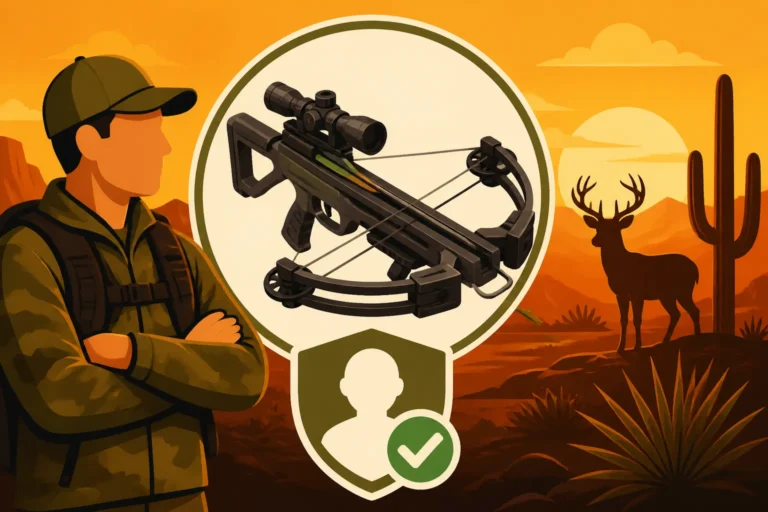
The distinction is important because crossbows, which are shoulder-fired and mechanically hold the string at full draw, fall under a separate set of regulations in Arizona, including a different minimum draw weight requirement and specific seasons or permits. For anyone primarily hunting with a compound, recurve, or longbow, understanding that you are operating under the "vertical bow" umbrella is key. This clarity helps you focus on the correct set of rules and avoids confusion with other archery equipment, ensuring you're compliant with all aspects of the law for your chosen weapon.
Age and Physical Considerations
While the 30-pound minimum draw weight is a universal rule for big game hunting with a vertical bow in Arizona, it naturally brings up questions regarding age and physical capabilities. For younger hunters or those with certain physical limitations, reaching and consistently handling a 30-pound draw weight can be a significant hurdle. Arizona is committed to fostering new hunters, but not at the expense of ethical harvest.
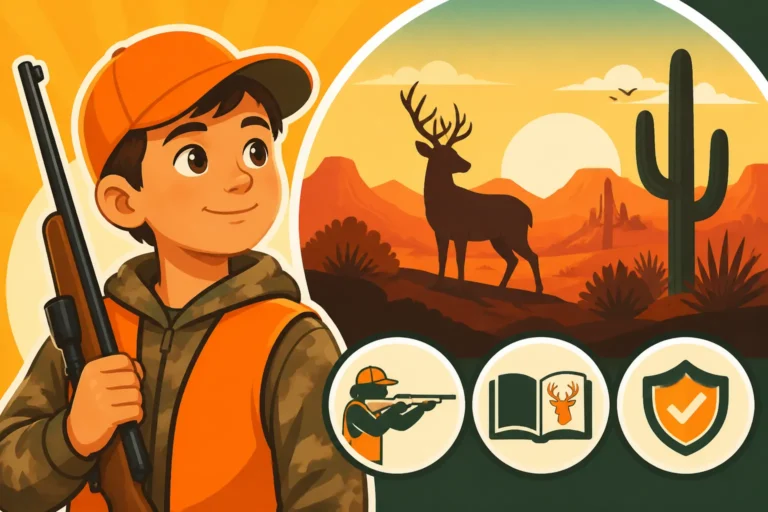
For youth hunters, this means parents and mentors need to ensure their equipment is properly tuned and that the young archer can comfortably and accurately shoot a bow set at 30 pounds or higher. This might mean starting with lower draw weights for practice and gradually increasing it as strength and form improve. Similarly, older hunters or those with injuries might need to re-evaluate their equipment or consider seeking an adaptive permit if their physical condition genuinely prevents them from meeting the minimum. It's a balance of inclusion and responsibility. Remember, it's not just about drawing the weight, but about holding it steadily and making an accurate shot under pressure, which is a much higher bar. Preparing for a hunt also involves physical conditioning, which is crucial, as you can read more about in articles like Preparing Physically for a Desert Hunt.
Why Minimum Draw Weights Exist
Regulations like the 30-pound minimum draw weight for vertical bows aren't arbitrary rules designed to make hunting more difficult. Instead, they are rooted in sound principles of wildlife management and ethical hunting. These rules are put in place by wildlife agencies like AZGFD to ensure that animals are harvested humanely and that the sport maintains its integrity.
Promoting Ethical Harvest
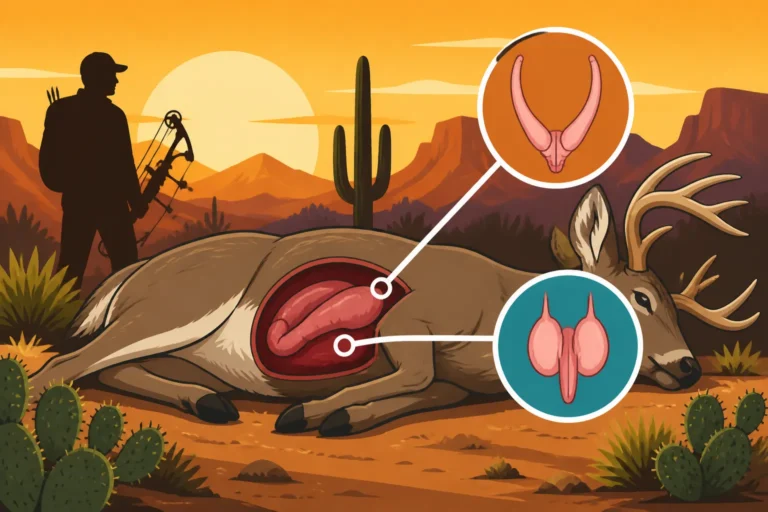
At the heart of any hunting regulation, especially those concerning equipment, is the commitment to ethical harvest. This means striving for the quickest, most humane kill possible. A bow and arrow, by nature, are short-range weapons that rely on precision and penetration, not blunt force trauma, to harvest an animal. If a bow doesn't generate sufficient power, the arrow won't penetrate deeply enough to strike vital organs efficiently. This can lead to a wounded animal that suffers unnecessarily and potentially escapes, leaving the hunter with no ethical harvest and the animal facing a prolonged, painful death.
The 30-pound minimum helps ensure that the equipment used is capable of delivering enough kinetic energy to achieve a humane kill on big game species like deer, javelina, or elk. It's a safeguard, promoting responsible hunting practices and upholding the values that bowhunters cherish: respect for the animal and a commitment to minimizing suffering. Every hunter wants a clean kill, and this regulation helps set a baseline for achieving that outcome.
Ensuring Clean Kills and Animal Welfare
The science behind arrow ballistics and terminal performance plays a significant role in setting draw weight minimums. An arrow needs enough speed and weight to penetrate skin, muscle, and bone to reach the heart and lungs, causing rapid blood loss and a quick lights-out scenario. If the kinetic energy is too low, the arrow might only partially penetrate, or deflect off bone, resulting in a superficial wound rather than a lethal one.
For example, when an arrow from a low-poundage bow hits the shoulder blade of a deer, it might not break through, causing immense pain and potentially leaving the animal to suffer. With a bow pulling at least 30 pounds, especially when paired with a sharp, quality broadhead (which we'll discuss later), the chances of sufficient penetration are dramatically increased. This focus on kinetic energy and penetration directly translates to improved animal welfare, reducing the likelihood of wounded game and contributing to the overall health and respect of the hunted population.
Historical Context of Archery Regulations
The idea of regulating archery equipment for hunting isn't new; it has evolved alongside the sport itself. Historically, archery regulations often started with simple rules regarding seasons and species, but as equipment advanced, so did the need for more specific guidelines to ensure fair chase and ethical standards. In the early days of modern bowhunting, there was a wider range of homemade and varied equipment. As manufactured bows became more common and powerful, wildlife agencies recognized the need to set minimum performance standards.
Many states, including Arizona, looked at studies on arrow penetration for different game animals and determined minimum draw weights that would provide a reasonable expectation of a clean kill for commonly hunted species. These regulations are periodically reviewed and updated to reflect advancements in archery technology and ongoing research into animal physiology and ethical harvest methods. The 30-pound minimum isn't an arbitrary number; it's a reflection of decades of collective experience, scientific study, and a deep commitment to responsible wildlife stewardship.
The Impact on Bowhunters and Equipment Choices
The 30-pound minimum draw weight significantly influences how bowhunters choose and set up their equipment. It's a foundational consideration, especially for new archers, and impacts everything from the type of bow you buy to your offseason practice routine. Understanding these impacts helps you make informed decisions that keep you legal and effective in the field.
Bow Selection for New and Experienced Archers
For those just starting out, the 30-pound minimum often dictates the kind of bow they should consider. Many entry-level compound bows are designed with a wide range of adjustability, allowing the draw weight to be set as low as 10-15 pounds and cranked up to 50-70 pounds as the archer gains strength. This flexibility makes them an excellent choice for new hunters, as they can start light and progressively increase the draw weight to meet the Arizona minimum and beyond. Recurve and longbows, on the other hand, have a fixed draw weight that cannot be adjusted, so a new traditional archer must purchase a bow that already meets or exceeds the 30-pound mark.
Experienced archers might find this less of a concern, as most have long surpassed the 30-pound threshold. However, even seasoned hunters occasionally face situations like injuries or age-related strength loss that might require them to shoot a lower poundage. In such cases, they need to ensure their adjusted setup still meets the legal requirement. When planning your hunt, doing your research on units and regulations, perhaps with tools found on platforms like GoHunt, can help solidify your equipment choices and preparedness. For those thinking about Compound, Recurve or Longbow for Coues Deer, this minimum is a key factor in that decision.
Adjusting Draw Weight on Modern Compounds
One of the great advantages of modern compound bows is their adjustability. Most compound bows allow hunters to adjust their draw weight by turning limb bolts or sometimes by changing modules or cams. If your compound bow is set below the 30-pound minimum, increasing its draw weight is usually a straightforward process. You'll typically use an Allen wrench to turn the limb bolts, tightening them to increase weight or loosening them to decrease it. It's crucial to make equal adjustments to both upper and lower limb bolts to keep the bow in tune.
Always consult your bow's manufacturer manual for specific instructions on adjusting draw weight. It's also a good idea to have an experienced pro shop technician confirm your bow's exact draw weight after adjustment, especially if you're close to the 30-pound mark. They can use a bow scale to get a precise reading at your full draw, ensuring you're legally compliant and that your bow is safely set up. Never over-tighten limb bolts beyond the manufacturer's recommendations, as this can damage the bow and pose a safety risk.
Recurves and Longbows: What to Consider
For traditional archers who prefer recurve bows or longbows, the draw weight is fixed based on the limbs. When purchasing a traditional bow for hunting big game in Arizona, you must select one that is rated at 30 pounds or more at your draw length. This is an important distinction because the advertised draw weight of a recurve or longbow is typically measured at a standard 28-inch draw length. If your personal draw length is longer than 28 inches, the actual draw weight you achieve will be higher than advertised; if it's shorter, the weight will be less.
Therefore, a hunter with a 26-inch draw length who buys a recurve marked "30# @ 28 inches" would actually be pulling less than 30 pounds at their personal draw length, making their bow illegal for big game hunting in Arizona. Conversely, someone with a 30-inch draw length using the same bow would be pulling more than 30 pounds. It's essential to understand your true draw length and select a traditional bow accordingly to ensure you meet or exceed the minimum requirement. This often means buying a bow rated slightly above 30 pounds at 28 inches if you have a shorter draw, or consulting with a knowledgeable pro shop to ensure proper selection.
Ensuring You Meet the 30-Pound Minimum
Meeting the 30-pound minimum isn't just about owning the right bow; it's also about understanding how to measure its output, maintaining your physical readiness, and being aware of the consequences if you fall short. It's an ongoing commitment to responsible archery hunting.
Checking Your Bow's Draw Weight
The most accurate way to check your bow's draw weight is by using a bow scale. Most archery pro shops have digital bow scales that can provide a precise measurement of the peak draw weight and, more importantly for Arizona regulations, the holding weight at your full draw. While some compound bows have visible markings on their limbs indicating their peak weight range, these are often just approximations, and the actual weight you pull can vary slightly based on adjustments and your specific draw length.
For traditional bows, the manufacturer's stated draw weight (e.g., "40# @ 28 inches") is the reference point. You'll need to know your own draw length and factor in how that affects the actual weight you're pulling. If you're unsure, or if you've made adjustments to a compound bow, a quick trip to a local archery shop for a measurement is highly recommended. It provides peace of mind and guarantees you're compliant before you ever step foot in the field.
Practice and Physical Conditioning
Meeting the 30-pound minimum is one thing; shooting it accurately and consistently under hunting conditions is another. Drawing a bow repeatedly, holding it steady, and executing a clean release requires muscle strength, endurance, and proper form. This is where regular practice and physical conditioning come into play. If you're struggling to comfortably pull 30 pounds, consistent practice will build the necessary strength. Start with shorter sessions and gradually increase the number of repetitions.
Incorporating exercises that strengthen your back, shoulders, and core can also significantly improve your ability to handle higher draw weights. Resistance band exercises, rowing motions, and proper stretching can all contribute to better archery performance. Remember, an ethical shot demands not just a legal bow, but a physically capable and well-practiced archer. It's not enough to just reach the 30-pound mark; you need to be proficient with it. Building a consistent Building a Practice Routine Before Opener is essential.
What Happens if You Don't Meet the Minimum?
Hunting with a vertical bow that doesn't meet Arizona's 30-pound minimum draw weight is a violation of state hunting regulations. The consequences can be serious and may include citations, fines, confiscation of your equipment, and even loss of hunting privileges. Wildlife enforcement officers are trained to check for compliance, and this includes equipment specifications. They might ask to inspect your bow, and if they suspect a violation, they can use a portable bow scale to verify the draw weight.
Beyond the legal ramifications, there's the ethical consideration. As discussed, hunting with an underpowered bow greatly increases the risk of wounding an animal without achieving a humane kill. This not only goes against ethical hunting principles but also reflects poorly on the hunting community as a whole. It’s simply not worth the risk. Always ensure your equipment is legal and effective well before your hunt begins, and use resources like GoHunt to stay updated on any regulatory changes.
Beyond the Draw Weight: Other Vertical Bow Regulations
While the 30-pound minimum draw weight is a crucial regulation for vertical bowhunters in Arizona, it's just one piece of the puzzle. There are several other important rules pertaining to broadheads, arrows, and prohibited devices that bowhunters must understand and follow to ensure a legal and ethical hunt.
Broadhead Requirements and Effectiveness
Arizona has specific requirements for broadheads used on big game. For vertical bows, broadheads must have a minimum cutting diameter of 7/8 inch. This rule applies to both fixed-blade and mechanical (expandable) broadheads. The reasoning behind this is, again, to ensure sufficient tissue damage and blood loss for a quick, humane kill. A smaller cutting diameter might not create a large enough wound channel, especially if penetration is less than ideal.
When selecting broadheads, consider their sharpness, durability, and how they fly with your specific arrow setup. Fixed-blade broadheads are known for their strength and reliability, while mechanical broadheads can offer field-point accuracy but rely on proper deployment upon impact. Regardless of your choice, ensure they meet the 7/8-inch minimum. You can delve deeper into this specific requirement by checking out Why Arizona Requires Broadheads Wider Than 7/8 Inch and also clarify Are Mechanical Broadheads Legal in Arizona?. Proper broadhead selection, combined with adequate draw weight, forms a formidable and ethical hunting system.
Arrow Specifications for Vertical Bows
While Arizona does not specify a minimum weight for arrows, it does implicitly require that your arrow and broadhead combination be suitable for the game you are pursuing. Generally, heavier arrows carry more kinetic energy and momentum, leading to better penetration, especially on larger big game animals like elk. Lighter arrows fly faster but can lose energy quickly and may not penetrate as well, particularly if they encounter bone.
Most bowhunters will choose carbon or aluminum arrows matched to their draw weight and length for optimal flight and energy transfer. It's critical that your arrows are straight, fletched properly, and have nocks that fit your bowstring securely. A poorly matched or damaged arrow can lead to erratic flight, missed shots, or even equipment failure. The integrity of your arrow is just as important as the power of your bow for a successful and ethical hunt.
Prohibited Devices and Practices
Arizona has clear prohibitions regarding certain archery equipment and practices to maintain fair chase principles. For vertical bows, this includes:
- Poisons or Explosives: Using any arrow tipped with poison or explosives is strictly illegal and unethical.
- Barbed Broadheads: Broadheads with barbs designed to prevent withdrawal are prohibited.
- Devices Attached to Arrows: Except for illuminated nocks, no electronic devices can be attached to the arrow itself.
- Laser Sighting Devices: Lasers cannot be used to project a visible light onto the target for aiming. Pin sights, however, are perfectly fine.
- Motorized Devices: No motorized devices can be incorporated into the bow, except for those used in assisting an individual with a permanent physical disability who possesses a CHAMP permit.
Staying informed about these prohibitions ensures you don't inadvertently break the law. Regulations are in place to ensure a level playing field between hunter and hunted, relying on skill and ethical equipment rather than technological advantage that could compromise fair chase. Regularly reviewing the current AZGFD regulations is always a good idea, as these can be updated.
Common Misconceptions and FAQs
Arizona's hunting regulations, particularly for archery, can sometimes be misinterpreted. Clearing up common misconceptions and answering frequently asked questions can help bowhunters navigate the rules with greater confidence and understanding.
Does This Apply to Crossbows?
This is perhaps the most common question, and the answer is no, the 30-pound minimum draw weight for vertical bows does not apply to crossbows. Crossbows in Arizona have a separate minimum draw weight requirement, which is set at 125 pounds. Furthermore, crossbows have different regulations regarding their use in various hunting seasons. For example, Crossbows Leave Arizona's Archery-Only Seasons in 2026, making it crucial to understand the distinction.
The regulations for crossbows are distinct because they operate differently. A crossbow functions more like a firearm, allowing the hunter to cock the string and hold it mechanically at full draw for an extended period. This design, combined with their generally higher power, necessitates different rules. Therefore, if you're hunting with a crossbow, you need to be familiar with The 125-Pound Crossbow Draw Weight Arizona Requires and other specific crossbow regulations, not the vertical bow rules.
Field Judgments and Enforcement
It's natural to wonder how wildlife officers enforce these regulations in the field. Game and Fish officers are well-versed in equipment requirements. While they typically don't randomly stop hunters to check bow poundage without cause, if an officer observes questionable ethical practices, an injured animal, or if they have reason to believe a hunter is not in compliance, they can request to inspect equipment. This might involve using a portable bow scale to verify draw weight on the spot.
The best defense against any potential issues is always to be proactive. Know your equipment, ensure it's compliant, and be confident in its capabilities for a humane harvest. Officers prefer to see hunters who are knowledgeable and responsible, rather than those who are ignorant of the rules. Being able to demonstrate that your bow meets the 30-pound minimum, and that you are proficient with it, will go a long way in any field interaction. Remember, the goal of enforcement is not to penalize, but to ensure ethical hunting and wildlife conservation.
How Regulations Change Over Time
Hunting regulations are not set in stone; they are dynamic and can change over time. The Arizona Game and Fish Department periodically reviews and updates its regulations based on biological data, public input, technological advancements, and evolving ethical standards. For instance, the recent changes regarding crossbow use in archery-only seasons are a perfect example of how regulations can shift.
It is every hunter's responsibility to stay current with the most recent hunting regulations. Before each hunting season, always consult the official Arizona Game and Fish Department Hunting Regulations booklet. These are usually available online via the AZGFD website and at license vendors. You can also utilize reputable online platforms like GoHunt that provide updated regulatory information and tools for planning your hunts. Don't rely on outdated information or word-of-mouth; always verify directly from official sources to ensure you're hunting legally. For example, understanding How to Hunt Arizona's Five-Month OTC Archery Deer Season requires staying on top of yearly regulation updates.
Vertical Bow Specifications Table for Arizona Big Game
To help clarify the core vertical bow requirements for hunting big game in Arizona, here's a quick reference table. This table summarizes the key physical specifications your vertical bow and broadheads must meet.
| Equipment Component | Minimum Requirement (Vertical Bows) | Important Notes |
|---|---|---|
| Draw Weight | 30 pounds at full draw | Applies to compounds, recurves, longbows. Measured at archer's personal full draw. |
| Broadhead Type | Fixed-blade or mechanical | Must be non-barbed. |
| Broadhead Cutting Diameter | 7/8 inch minimum | Measured when fully expanded for mechanicals. |
| Arrow Type | No minimum weight specified | Must be matched to bow/draw weight for ethical harvest. |
| Prohibited Devices | Poisons, explosives, laser sights, motorized devices (unless CHAMP permit) | Electronic devices on arrows (except illuminated nocks) are prohibited. |
This table provides a snapshot of the crucial rules. Always refer to the official AZGFD regulations for the most current and complete information. Ethical hunting is a lifelong commitment to learning and adapting. Understanding these rules, whether it's the 30-pound minimum for your vertical bow or What a HAM Hunt Actually Is, is fundamental to participating in Arizona's rich hunting tradition. Furthermore, programs like Hunter Education Is Required Under 14 in Arizona ensure that new hunters are instilled with this knowledge from the start, and The Ethically Hunting Arizona Course Earns a Permanent Point further encourages responsible behavior.
Disclaimer
The information provided in this guide is for general informational purposes only and is not a substitute for the official Arizona Game and Fish Department hunting regulations. While we strive to keep this information accurate and up-to-date, regulations can change. Always consult the most current AZGFD hunting regulations prior to any hunting activity to ensure full compliance.