Typical Price Range for a Guided Arizona Elk Hunt
The dream of chasing a majestic bull elk through Arizona’s rugged landscapes is a powerful one, but for many, the practical questions about cost can feel overwhelming. It’s hard to know what’s realistic when you're looking at a bucket-list hunt. This guide is here to pull back the curtain on the typical price range you can expect for a guided Arizona elk hunt, helping you understand the investment involved so you can plan your adventure with confidence.
The Dream Versus the Reality: Why Arizona Elk Hunts Cost What They Do
There's something truly special about Arizona elk. Whether it's the famed Kaibab Plateau, the sprawling Mogollon Rim, or the high country of the White Mountains, the state consistently produces some incredible animals and offers unforgettable experiences. But with that allure comes a significant investment, especially if you're looking to maximize your chances with a guided hunt. It's not just a matter of showing up; it's about the decades of experience, the intense scouting, the specialized gear, and the sheer logistical effort that goes into making a successful hunt possible in some of the most challenging terrain imaginable.
The Allure of Arizona Elk and What Drives Demand
Arizona has a well-deserved reputation for producing truly world-class elk. We're talking about bulls that can make a taxidermist's calendar. The state's unique habitat, from ponderosa pine forests to high-desert grasslands, combined with meticulous wildlife management, means that hunters have a legitimate shot at once-in-a-lifetime animals. This reputation, naturally, drives immense demand for tags, making them incredibly difficult to draw for residents and non-residents alike. When tags are scarce and the potential for a monster bull is high, the value of a guided service, which can significantly increase your odds of success, also rises. People are willing to invest in expertise to capitalize on that coveted tag.
Consider the years many hunters spend accumulating bonus points just to get into the draw for a premium unit. Once that golden ticket is finally in hand, the pressure is on. It's often seen as a once-in-a-decade or even once-in-a-lifetime opportunity. To leave it to chance, especially if you're not intimately familiar with the unit or the nuances of elk behavior in Arizona, feels like a missed opportunity. This intense desire for success on a hard-won tag is a primary driver behind the robust market for guided hunts. It’s not just a hunt; it’s an investment in an experience that you might not get again for a very long time.
The Components of a Guided Hunt Price Tag
When you look at the price of a guided Arizona elk hunt, it’s easy to feel a little sticker shock. But once you break down what goes into that figure, it starts to make a lot more sense. An outfitter isn't just taking you for a walk in the woods; they're providing a comprehensive service built on years, often decades, of experience in specific hunting units. Think about the extensive scouting they do, sometimes months in advance, putting boots on the ground, running trail cameras, and flying drones to pattern animals. This isn't just a casual weekend trip; it's a dedicated effort to locate prime elk habitat and active herds. Scouting an Arizona Unit Before the February Deadline is a year-round commitment for professional outfits.
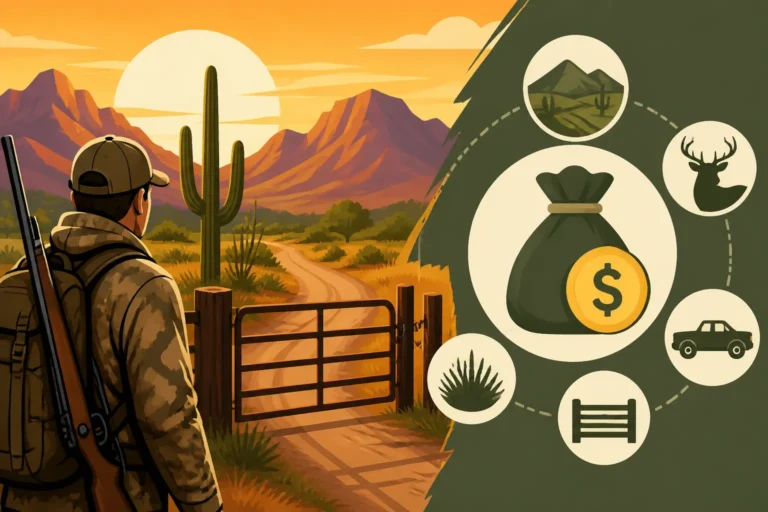
Beyond the pre-season work, there's the actual hunt itself. You're paying for their knowledge of the terrain, their ability to read elk sign, their calling prowess, and their judgment in making critical decisions in the field. Then there are the logistics: transportation to and from the hunting grounds, often in specialized vehicles, fuel costs for those miles of driving, and potentially horseback riding or ATV use to reach remote areas. Outfitters also cover food, whether it’s hearty camp meals or field lunches, and provide comfortable lodging, which could range from a remote wall tent camp to a cabin or even a motel. Add in the cost of high-quality equipment—optics, communication devices, first-aid gear, and backup plans for emergencies—and you quickly see how the expenses accumulate.
Breaking Down the Price Tag: What to Expect for an Arizona Guided Elk Hunt
So, what kind of numbers are we really talking about? It’s not a cheap endeavor, by any stretch, but the range can be quite broad depending on the level of service, the duration of the hunt, and the specific unit you’re targeting. Understanding these variations is key to setting realistic expectations and finding a hunt that aligns with your budget and desired experience. A guided elk hunt in Arizona is an investment, but with careful planning, it can be one of the most rewarding experiences of your hunting life.
The "Typical" Range: Where Most Guided Elk Hunts Fall
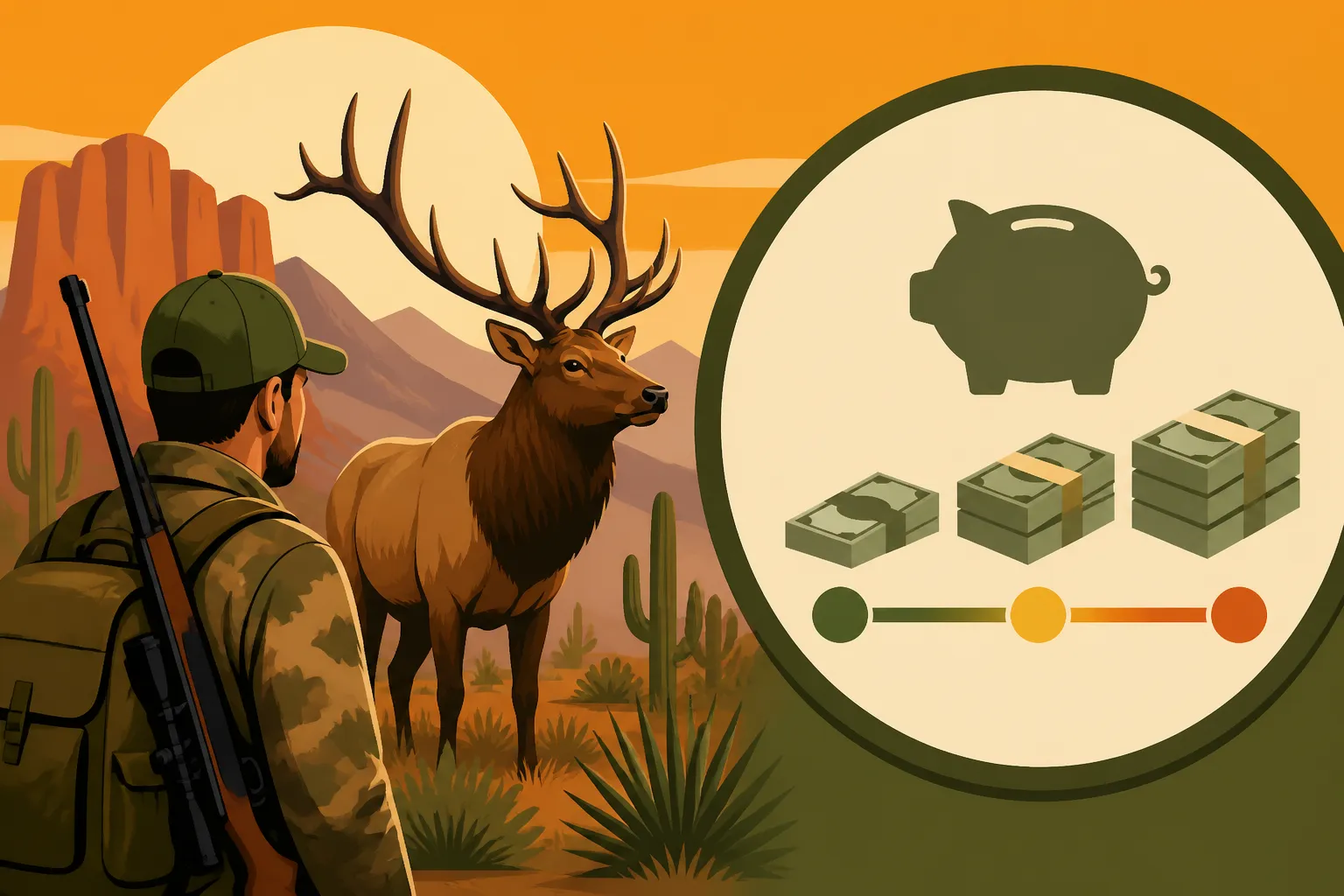
For a guided Arizona elk hunt, you can typically expect prices to start in the low to mid-four figures and climb significantly from there. A standard, fully outfitted 5-7 day elk hunt in a solid unit will often fall in the mid-to-high four-figure range, sometimes reaching well into five figures, particularly for top-tier outfits in highly coveted units known for producing giant bulls. These figures reflect the intensive labor, specialized knowledge, and extensive resources an outfitter deploys to give you the best possible chance at success.
Factors that push the price higher include:
- Unit Quality: Hunts in premier units (like the famous Unit 9 or certain areas on the Mogollon Rim) where trophy potential is exceptionally high naturally command higher prices. Demand for these hunts is astronomical.
- Season Timing: Early archery and early rifle seasons, often coinciding with the rut, are generally the most sought-after and thus the most expensive. These are the times when elk are most vocal and active, increasing the excitement and potential for a close encounter. When the Elk Rut Peaks on the Rim is prime time, and outfitters know it.
- Outfitter Reputation and Success Rate: Highly reputable outfitters with a proven track record of consistently putting clients on trophy animals will, understandably, charge more for their services. You’re often paying for that demonstrated expertise and the peace of mind it brings.
- Hunt Duration: Longer hunts mean more days of guide service, food, and lodging, directly increasing the overall cost. A 10-day hunt will be considerably more expensive than a 5-day hunt.
Conversely, some hunts might be slightly less expensive:
- Late Season Hunts: While still challenging and rewarding, late-season hunts can sometimes be a bit more budget-friendly as elk behavior shifts and weather becomes a more significant factor.
- Cow Elk Hunts: If your goal is primarily meat and a unique experience rather than a trophy bull, cow elk hunts are usually significantly less expensive than bull hunts.
- Specific Unit Access: Units that are easier to access or have less intense trophy potential might offer more competitive pricing.
It's important to remember that these are general expectations, and prices can fluctuate. The key is to get detailed quotes from several outfitters.
Understanding Different Service Tiers: From Drop Camps to Fully Outfitted
The cost of your guided hunt largely depends on the level of service you choose. Outfitters typically offer a spectrum of experiences, each with its own price point and expectations. Knowing the difference is crucial for aligning your budget with your desired hunting style.
- Drop Camps: These are the most basic and typically the most affordable guided option. An outfitter will pack you and your gear into a remote location, often a pre-set camp with tents and basic amenities, and then leave you to hunt on your own. They’ll return at a pre-arranged time to pack out your game and gear. This option is perfect for experienced hunters who are confident in their own hunting skills but need help accessing challenging backcountry. You're essentially paying for transportation and camp setup. What an Arizona Drop Camp Costs can vary greatly depending on the distance packed and the amenities provided.
- Semi-Guided Hunts: This tier offers a middle ground. You might have a guide for a portion of the hunt, or they might provide extensive scouting, mapping, and game retrieval services, but not be with you every single moment in the field. They might drop you off at specific spots and pick you up, or point you toward productive areas based on their scouting. This can be a great option for hunters who want more support than a drop camp but still enjoy a good degree of independence. The outfitter acts more as a logistics and information hub.
- Fully Guided Hunts: This is the premium, all-inclusive package, and consequently, the most expensive. A dedicated guide will be with you throughout the entire hunt, from dawn until dusk, leading you, calling for you, spotting game, helping with field dressing, and ensuring all logistics are handled. Food, lodging, and often even some gear (like high-quality optics for glassing) are typically included. This is the ideal choice for hunters seeking the highest chance of success, first-time Arizona elk hunters, or those who simply want to immerse themselves in the hunt without worrying about any of the logistical details. What a Fully Guided Arizona Elk Hunt Includes goes beyond just finding an animal; it's a complete hunting experience.
What's Usually Not Included in the Sticker Price
While a fully guided hunt covers a lot, it’s vital to understand that the quoted price almost never covers everything. There are several significant expenses that you, the hunter, are typically responsible for, and these can add hundreds or even thousands of dollars to your overall trip cost. Being aware of these additional costs upfront will prevent any unwelcome surprises.
- Hunting License and Tag: This is a non-negotiable and often substantial expense. You'll need to purchase an Arizona hunting license and, for elk, a separate draw tag. For non-residents, these fees can be considerable. The Nonresident Arizona Hunting License Price combined with the tag fee makes up a large chunk of the initial investment. You'll apply for these tags through the Arizona Game and Fish Department's draw system, and while an outfitter can advise, securing the tag is your responsibility.
- Travel Expenses: Getting to Arizona, whether by plane or car, and then to the outfitter’s base camp or meeting point, is on you. This includes airfare, vehicle rental, fuel, and any pre- or post-hunt lodging required outside of the outfitter's provided camp.
- Meat Processing and Shipping: Once you harvest an elk, you'll need to decide what to do with the meat. Most outfitters will help with field dressing and getting the animal out of the woods, but the cost of professional meat processing and any special shipping arrangements (especially if you're flying home) will be an additional charge. Cooling meat on an early season hunt is crucial, and butchers are an added expense.
- Taxidermy: If you’re lucky enough to harvest a trophy bull, the cost of taxidermy is another significant expense. Outfitters often have preferred taxidermists they can recommend, but the bill will be yours. Shipping Capes and Antlers Home requires careful planning and can be costly.
- Gratuities for Guides and Camp Staff: Tipping your guide and any support staff (cooks, packers) is customary in the hunting industry and a significant part of their income. A typical tip for a good guide is usually a percentage of the hunt cost, and it's something you should budget for well in advance. How Much to Tip a Hunting Guide is an important consideration for ethical hunters.
- Personal Gear: While outfitters provide camp and some shared equipment, you are responsible for your personal hunting gear: clothing, boots, backpack, rifle or bow, ammunition, optics (though guides provide spotting scopes, you'll want your own binoculars), and sleeping bag.
Maximizing Value and Finding the Right Fit for Your Budget
Finding the right guided Arizona elk hunt isn't just about the price tag; it's about value, trust, and ensuring the experience aligns with your expectations. With so many variables, a little upfront research and clear communication can go a long way in making sure your investment pays off in an unforgettable adventure. Utilizing resources and asking the right questions will set you up for success.
Researching Outfitters and Their Offerings
The internet has made researching outfitters easier than ever, but it also means wading through a lot of information. Start by identifying outfitters that specialize in Arizona elk and, if possible, in the specific units you might draw. Look for outfits with a long history and strong reputation. Websites like BookYourHunt can be a great starting point, as they often compile various outfitter offerings and provide a structured way to compare services, availability, and general price points without having to scour dozens of individual websites. They act as a central hub for information, allowing you to quickly narrow down your options based on filters like species, location, and hunt type.
Once you have a shortlist, dive deeper. Check out their social media, read client testimonials, and most importantly, ask for a list of references. Call those references. Ask detailed questions about their experience: Was the camp comfortable? Was the food good? Did the guide work hard? Were expectations managed properly? What was their Outfitter Success Rates in Arizona for the species they booked? Pay attention to how the outfitter communicates with you during this initial phase. Are they responsive? Do they answer your questions thoroughly and honestly? A transparent outfitter is a good sign. Be sure to understand their Deposits and Cancellation Terms in Arizona before committing.
The Role of Season Dates and Unit Quality in Pricing
The "when" and "where" of your Arizona elk hunt play a huge role in its cost. As mentioned, early archery and early rifle seasons, especially during the rut, are generally the most expensive due to high demand and the perceived "best" hunting conditions. If your tag is for a late-season hunt, you might find slightly lower prices, though the hunting can be incredibly challenging with different strategies required, such as Reading Fresh Elk Sign in Ponderosa Timber or finding isolated water sources.
Unit quality is another major factor. Some units in Arizona are renowned for their genetics and trophy potential, making tags exceptionally hard to draw. Outfitters who operate in these units have invested years, if not decades, building knowledge and access, and their services will reflect that premium. Websites like GoHunt offer invaluable data and analysis tools, including draw odds and unit breakdowns, which can help you understand the quality of specific units and how challenging it might be to draw a tag there. This kind of information is crucial for planning your application strategy and understanding why one unit's guided hunt might cost significantly more than another's. Checking Arizona Draw Odds Before You Apply is an essential step in your planning process.
Negotiating and Understanding Contract Terms
While outright "negotiating" the price of a guided hunt might not always be feasible with established outfitters, especially for high-demand Arizona elk hunts, thoroughly understanding every aspect of the contract is paramount. Don't be afraid to ask for clarification on any point that seems unclear. Pay close attention to the payment schedule: how much is due as a deposit, when are subsequent payments expected, and what is the final balance due date?
Crucially, review the cancellation and refund policies with a fine-tooth comb. What happens if you have to cancel due to an emergency? What if the outfitter has to cancel due to unforeseen circumstances (like wildfires or extreme weather)? A major concern for many hunters applying for draw tags is Whether You Get a Refund If You Fail to Draw. Some outfitters offer full refunds or allow you to roll your deposit over to the following year if you don't draw your tag; others might have non-refundable deposits. Clarify this upfront. A reputable outfitter will have clear, fair terms and be willing to walk you through them. Never sign a contract you don't fully understand, and always get everything in writing.
Comparison of Arizona Guided Elk Hunt Service Tiers
| Service Tier | Typical Inclusions | Typical Exclusions | Price Point (Relative) | Ideal for |
|---|---|---|---|---|
| Drop Camp | Pack-in/pack-out service, basic camp setup | Guide service, food, personal gear, license/tag | Lowest | Experienced, self-sufficient hunters seeking remote access without the full guide expense. |
| Semi-Guided | Extensive scouting, detailed maps, game retrieval, some support/advice | Consistent guide in field, some meals/lodging, personal gear, license/tag | Mid-Range | Hunters who want significant logistical support and pre-scouted areas but prefer to do much of the in-field hunting themselves. |
| Fully Guided | Dedicated guide in field, all meals, comfortable lodging (camp or cabin), transportation during hunt, field care of game, high-end optics | License/tag, travel to AZ, meat processing, taxidermy, tips, personal gear | Highest | First-time Arizona elk hunters, those seeking highest success odds, or hunters who want an all-inclusive, stress-free experience focused purely on the hunt. |
Disclaimer
This article is for general informational purposes only and does not constitute professional advice. Laws, prices and regulations vary by location and change over time. Consult a qualified professional for guidance on your specific situation.