The Logistics of a Horseback Drop Camp
Embarking on a backcountry hunt in Arizona is a dream for many, but the sheer effort of packing in enough gear and provisions for a week or more can quickly turn that dream into a logistical nightmare. For those who crave the deep wilderness experience but lack the dedicated pack animals or the physical capacity to haul everything themselves, a horseback drop camp can bridge that gap. This guide will walk you through the often-overlooked details of how these unique arrangements work, helping you decide if it's the right choice for your next Arizona adventure.
What Exactly is a Horseback Drop Camp?
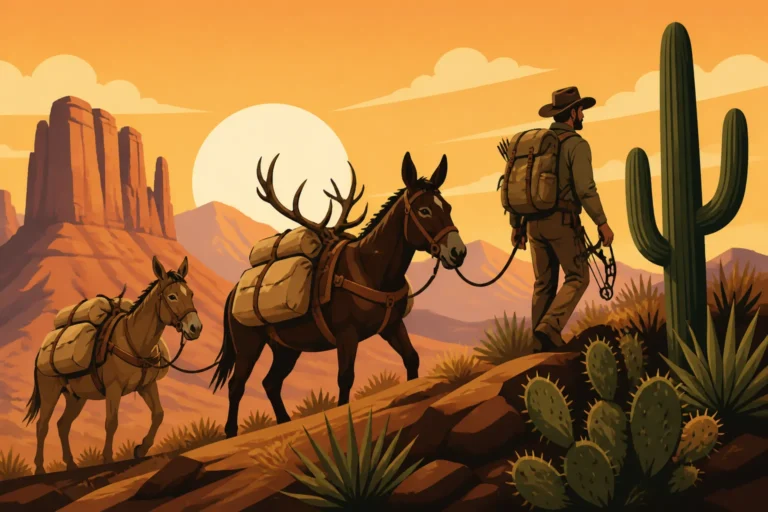
When you hear "drop camp," it conjures images of being left in the middle of nowhere, and honestly, that's pretty close to the truth – in the best possible way! A horseback drop camp service involves an outfitter packing you and your gear, often on horseback or with dedicated pack mules, into a pre-determined backcountry location. They drop you off with your supplies, the horses return to civilization with the outfitter, and you're left to hunt independently for a specified number of days. At the agreed-upon time, the outfitter returns to pick you up. It’s a fantastic way to access remote areas without the expense of a fully guided hunt or the intense physical demands of a complete DIY pack-in.
Defining the Service: What's Provided, What's Not
It’s crucial to understand that a drop camp is primarily a transportation and logistics service, not a guiding service. The outfitter’s responsibility typically begins with getting you and your gear to a designated spot and ends with picking you up. They might provide a basic canvas tent, a stove, and perhaps some water containers, but that's often where the "provided" list ends. You are responsible for all your food, personal hunting gear, sleeping arrangements, cooking equipment, and, most importantly, your hunting strategy. Think of it as a wilderness taxi service that sets you up with a base camp. For a clearer picture of what to expect, it's always wise to ask What a Drop Camp Actually Includes when you're speaking with potential outfitters.
The beauty of this arrangement is the self-reliance it fosters. You're making all the hunting decisions, choosing your routes, and executing your stalks. This level of autonomy is highly appealing to experienced hunters who know their own capabilities and prefer to manage their hunt dynamics without direct guidance. It’s a significant step up in independence compared to a fully guided trip, yet it alleviates the most grueling aspects of packing heavy loads over long distances.
The "Horseback" Element: Why It's Necessary in Certain Terrain
The "horseback" part of "horseback drop camp" is not just a romantic touch; it’s a practical necessity in many of Arizona’s prime hunting areas. Much of Arizona's rugged terrain, especially in the high country like the Mogollon Rim or some of the more remote Sky Islands, is inaccessible by vehicle. Steep canyons, dense timber, and a lack of established roads mean that horses and mules are often the only efficient way to transport heavy loads deep into the wilderness. These animals are purpose-bred for navigating challenging trails and carrying substantial weight, making them indispensable for accessing truly remote hunting grounds.
For hunters targeting elk in units along the Rim or mule deer in areas that require significant elevation changes, relying on pack animals can make the difference between hunting the fringes and reaching prime, less-pressured habitat. Without horses, carrying everything necessary for a week-long stay—food, water, sleeping gear, hunting equipment, and emergency supplies—would be an almost insurmountable task for most individuals. The animals carry the bulk, leaving you to focus on your hunt. Additionally, understanding Pack Stock Rules Inside Wilderness areas is vital, as outfitters will be intimately familiar with these regulations.
Common Drop Camp Scenarios in Arizona
Arizona offers diverse hunting opportunities that lend themselves well to drop camp logistics. Elk hunts in the high country are probably the most common. Imagine being dropped deep into a ponderosa pine forest, far from any road, with weeks of scouting already indicating prime elk activity. This allows you to hunt from dawn till dusk without the daily grind of hiking miles in from a truck camp. Similarly, some of the more remote mule deer units on the northern plateaus or even challenging Coues deer areas in the Sky Islands, where specific pockets of habitat are hard to reach, can be excellent candidates for a drop camp.
Javelina, bear, and even some turkey hunts in more secluded mountain ranges can also benefit from a drop camp setup. The key is identifying units or specific areas where limited road access means fewer hunters and potentially higher quality game. A quick look at a Motor Vehicle Use Map (MVUM) for any National Forest in Arizona will quickly show you areas where motorized travel is restricted, often signaling ideal drop camp territory. Sometimes, these remote areas are precisely the places that hold the bigger, older animals that have learned to avoid easy access points. If you're looking to escape the crowds in Units That Get the Heaviest Hunting Pressure, a drop camp might be your ticket.
Key Logistics Before You Go
Successfully executing a drop camp hunt hinges almost entirely on meticulous planning long before you ever set foot in Arizona. This isn't a trip where you can just show up and figure things out. Every detail, from who your outfitter is to what food you'll eat, needs to be nailed down.
Booking and Communication: Finding an Outfitter, Initial Discussions
The first step is finding a reputable outfitter. This might seem obvious, but not all outfitters offer drop camp services, and those who do specialize in certain areas or species. Websites like BookYourHunt can be a great resource for finding outfitters who advertise drop camp services in Arizona. When you contact an outfitter, be prepared with a list of questions. Ask about their experience in the specific unit you’re targeting, their success rates (though remember, a drop camp's success relies heavily on your hunting skills), and what exactly is included in their service. Are tents provided? What about cots or cooking gear? What’s the maximum weight limit for your personal gear?
Communication should be crystal clear from the outset. Discuss dates, pick-up times, and contingency plans. What happens if you fill your tag early? What if there’s an emergency? A good outfitter will have well-thought-out answers for these scenarios. They should also be able to provide references from previous drop camp clients. Asking Questions Worth Asking Before You Book is not only prudent but essential for a smooth experience. This initial vetting process is your best defense against unexpected issues down the line.
Gear and Supplies: What to Bring, What the Outfitter Might Provide
This is where the rubber meets the road for a drop camp hunter. Since you’re responsible for everything beyond what the outfitter explicitly provides, a comprehensive gear list is paramount. Most outfitters will give you a weight limit for your gear, typically around 100-150 pounds per hunter, sometimes more if you're paying for additional pack animals. This might sound like a lot, but once you factor in food, water, sleeping bags, tents (if not provided), cooking equipment, hunting clothes, optics, and emergency supplies, that weight adds up quickly.
Think about durability and weight. Every item needs to earn its spot. Instead of bringing heavy cast iron, opt for lightweight backpacking stoves and cookware. Consider the climate and expected weather for your hunt dates; layering is always wise for Arizona’s often unpredictable mountain weather. If the outfitter provides a tent, make sure you know its size and condition. If not, a quality backcountry tent that can withstand potential winds and rain is a must. Remember, once you’re dropped, you’re on your own, so redundancy for critical items like fire-starting tools, navigation, and first aid is a smart move.
Food and Water Planning: Self-Sufficiency in the Backcountry
Food is another critical component of your planning. Dehydrated meals are popular for their light weight, but you might want to supplement with some fresh items that can withstand a few days without refrigeration, especially for the beginning of the hunt. Plan out every meal, every snack, and every drink. Don't forget coffee or tea! The goal is to have enough to sustain you through strenuous hunting days, plus a few extra days' worth of emergency rations.
Water is perhaps the most vital consideration, especially in Arizona's dry climate. While some drop camps might be near a reliable water source (like a spring or stream), you should never assume this. Always confirm the water situation with your outfitter. Many outfitters will pack in large jugs of potable water, but even then, you’ll need a reliable water filter or purification tablets for supplemental hydration, especially if you plan to hunt far from camp. Carrying Water You Must Carry on a Day Hunt is essential, even if you have a supply at camp. Having a robust system for collecting, filtering, and storing water is non-negotiable for any backcountry hunt in Arizona.
Physical Preparation: The Demands of a Wilderness Hunt
Don’t underestimate the physical demands of a drop camp hunt. While horses carry your heavy gear in, you’ll be doing all the legwork during the hunt. This means miles of hiking, often at elevation, through challenging terrain, carrying your daypack, rifle or bow, and potentially a heavy load of meat on the way out. Being in peak physical condition is not just about comfort; it's about safety and increasing your chances of success.
Start a fitness regimen well in advance. Focus on cardio, strength training, and especially hiking with a weighted pack. Simulate the conditions you'll face: hike hills, walk through uneven terrain, and be comfortable being on your feet for long hours. A strong core, powerful legs, and good endurance will pay dividends when you’re climbing a ridge at 8,000 feet or packing out game miles from camp. Many seasoned Arizona hunters will tell you that Preparing Physically for a Desert Hunt is as important as sighting in your rifle.
On the Trail and In Camp
Once the planning is done and the day arrives, the real adventure begins. The journey into your drop camp is often an experience in itself, and once settled, you embrace the solitude and challenge of a self-sufficient hunt.
The Ride In: What to Expect During Transit
The ride into your drop camp usually starts early in the morning. You’ll meet your outfitter at a designated trailhead or meeting point, load your gear onto the pack animals, and then saddle up. The pace will typically be slow and steady, designed to conserve the animals' energy and allow you to take in the surroundings. It's not a race; it's a journey. Depending on the depth of your drop camp, this ride could last anywhere from a few hours to a full day.
Wear comfortable, durable clothing, and sturdy boots that are suitable for riding. Bring a small daypack with essentials like water, snacks, binoculars, and a camera. The outfitter will lead the way, navigating trails that might be overgrown or steep. This is your chance to observe the terrain, ask your outfitter questions about the area (if they're chatty), and mentally prepare for the hunt ahead. It’s also an opportunity to build trust and rapport with the individuals responsible for your ingress and egress.
Setting Up Your Camp: Making It Home
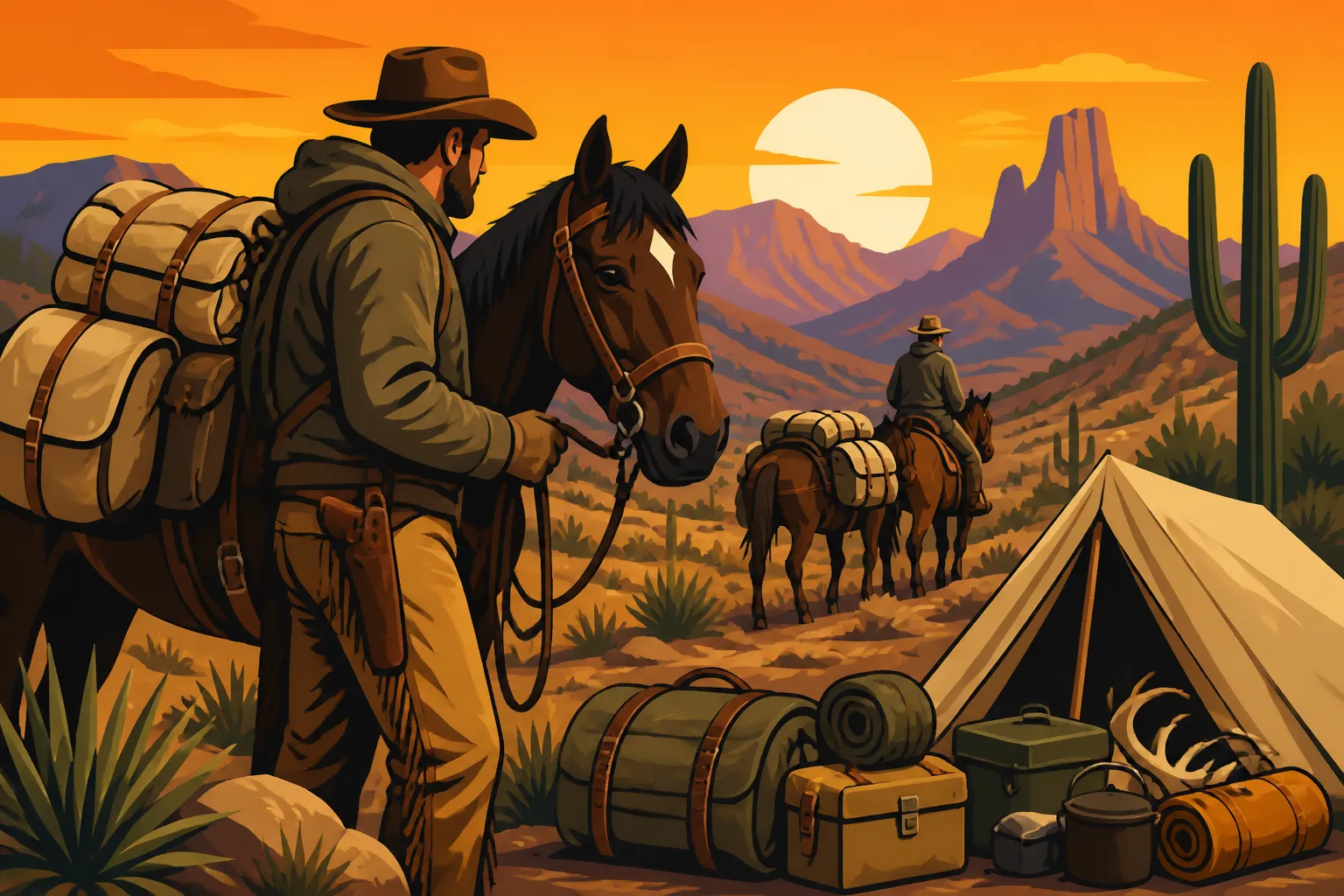
Once you arrive at your drop-off point, the real work begins. The outfitter will unload your gear, and then it’s up to you to establish your camp. If the outfitter provides a tent, you’ll need to set it up. Unpack your sleeping gear, organize your cooking station, and establish a system for food storage to deter curious wildlife. It’s always a good idea to bring some small tarps for extra shelter or a covered cooking area, especially if you anticipate rain.
The first few hours in camp are critical for establishing a comfortable and functional base of operations. Think about your workflow: where will you cook, where will you clean up, where will you store your gear, and where will you hang your game meat if you harvest something? Setting up camp efficiently on day one means you can hit the ground running with your hunting strategy on day two. This also includes understanding the limitations and services of the outfitter, so clarifying What a Drop Camp Actually Includes can prevent surprises.
Hunting From a Drop Camp: Autonomy and Strategy
This is the core of the drop camp experience: independent hunting. You'll wake up before dawn, prepare your own breakfast, and head out into the wilderness with your daypack, completely reliant on your own skills and knowledge. There’s no guide to tell you where to go or what to do. You’ll need to have a solid hunting strategy based on your e-scouting, maps, and any pre-season scouting you were able to do.
This autonomy is incredibly rewarding but also demands a higher level of preparedness. You are responsible for navigation, game location, tracking, and recovery. Utilizing tools like GPS devices, satellite communicators, and detailed topographic maps (perhaps from a service like GoHunt) is essential. Your daily routine will revolve around covering ground, glassing for animals, and making calculated stalks. It’s a truly immersive wilderness experience, providing a sense of accomplishment that’s hard to match. Remember that this setup offers a different dynamic than Drop Camp Against Semi-Guided Hunts, placing full responsibility on your shoulders.
Retrieval and Departure
The end of the hunt, whether successful or not, involves another critical logistical phase: getting yourself, your gear, and any harvested game out of the backcountry.
Harvesting an Animal: How Retrieval Works With a Drop Camp
Successfully harvesting an animal in a drop camp scenario adds another layer of complexity. Before you even start hunting, discuss the game retrieval plan with your outfitter. Will they return with extra pack animals specifically for meat? Or are you expected to pack out the first load to a designated pick-up spot? Often, especially with larger animals like elk, the outfitter will agree to return with a pack string earlier than the scheduled departure date if you notify them of a harvest. This is where a satellite communicator or satellite phone becomes absolutely indispensable.
Field dressing and quartering your animal quickly and efficiently are crucial, especially in warmer conditions. You’ll need to protect the meat from flies and keep it cool until the pack string arrives. Having quality game bags is non-negotiable. If you’re hunting in a remote area, packing out meat to a central drop camp might be your first task, before the outfitter can come in for the final haul. Understanding the process of Getting Meat Cooled on an Early Season Hunt and the importance of Field Dressing in Desert Heat will be vital, even if you're in the mountains, as temperatures can vary wildly.
Packing Out Your Gear and Meat: The Final Stages
On the scheduled pick-up day, you’ll need to have all your gear packed up and ready to go. Break down your camp, ensure all trash is packed out (leave no trace!), and consolidate your belongings. If you harvested an animal, the meat should be packed into coolers or sturdy game bags, ready for transport. The outfitter will typically arrive with enough pack animals to carry out your gear and any game.
This can be a long day, involving loading, riding back to the trailhead, and then transferring everything to your vehicle. Be prepared for some physical effort, even on the way out. Ensure you have plenty of ice for your coolers if you have meat, and plan your drive home to keep the meat cool and cared for. This final logistical push is just as important as the initial setup.
Post-Hunt Communication and Feedback: Wrapping Things Up
Once back at the trailhead, take the time to thank your outfitter and provide any feedback. If you had a positive experience, consider offering a gratuity to the packer or outfitter, as they work incredibly hard. Many outfitters value honest feedback, as it helps them improve their services for future clients.
Sharing your experience, especially if positive, can also help other hunters make informed decisions. Many outfitters rely on word-of-mouth and testimonials. If your hunt was successful, you might even send them a photo of your harvest for their website or social media. This respectful closing to the trip helps maintain good relationships within the hunting community. For those considering future trips, remember that Horseback and Pack String Outfitters in Arizona are a special breed, and finding a good one is key.
Is a Drop Camp Right for You?
Deciding whether a horseback drop camp is the right choice for your hunting ambitions involves weighing the advantages against the unique challenges. It’s not for everyone, but for a specific type of hunter, it's an ideal solution.
Advantages of a Horseback Drop Camp: Benefits for Certain Hunters
The primary advantage of a drop camp is unparalleled access to remote, less-pressured hunting areas. By using pack animals, you can bypass miles of difficult hiking and place yourself deep in prime habitat where vehicle access is impossible. This often translates to a higher chance of encountering older, wiser animals that don't frequent roadsides. You get the authentic wilderness experience—the solitude, the self-reliance—without having to shoulder the monumental task of hauling all your heavy gear.
It's also a more economical option than a fully guided hunt, while still providing logistical support. You save money by doing the actual hunting yourself, but invest in the invaluable service of professional packing. For hunters who have developed strong independent hunting skills but don't own their own pack animals, a drop camp is the perfect hybrid solution. It bridges the gap between a full DIY backpack hunt and a high-dollar guided excursion. Services like GoHunt can help you scout and plan your areas, further enhancing the DIY aspect once you’re dropped.
Challenges and Considerations: The Downsides and Realities
However, drop camps come with their own set of challenges. Foremost among them is the absolute reliance on your own hunting and survival skills. There’s no guide to bail you out if you get lost, injured, or make a poor shot. You are entirely responsible for your own safety and success. This demands a high level of backcountry experience, excellent navigation skills, and a solid understanding of first aid.
Weather can also be a significant factor. You're exposed to the elements, and a sudden snowstorm or intense rain can make hunting miserable and even dangerous. Being prepared for all weather conditions is crucial. Finally, there's the unpredictability of wildlife. You're paying for access, not a guaranteed kill. While a remote location might offer better odds, a drop camp doesn't negate the fundamental challenge of hunting wild animals. Always be prepared for the possibility of an unsuccessful hunt. Keep in mind that securing dates for drop camps, especially for prime seasons, requires planning ahead, and sometimes Booking Before Arizona Draw Results Post is necessary.
Comparing Drop Camp to Other Options: Guided vs. DIY
Let’s lay out how a horseback drop camp stacks up against other common hunting methods in Arizona:
| Feature | Fully Guided Hunt | Horseback Drop Camp | Full DIY Backpack Hunt |
|---|---|---|---|
| Cost | Highest (includes guide fees, food, lodging) | Mid-range (packing service, minimal amenities) | Lowest (only your personal gear and tag costs) |
| Logistics | All handled by guide | Outfitter handles transport of gear; you manage camp & hunt | All handled by you (gear, food, water, transport) |
| Autonomy | Lowest (guide makes most hunting decisions) | Highest (you make all hunting decisions) | Highest (you make all hunting decisions) |
| Backcountry Access | Very High (guide uses expertise and resources) | Very High (pack animals get you deep) | Limited by physical capacity to carry gear |
| Skills Required | Basic hunting, minimal survival/navigation | Advanced hunting, navigation, survival, first aid | Expert in all aspects: hunting, survival, navigation, physical fitness |
| Game Retrieval | Handled by guide and resources | Coordinated with outfitter, requires hunter's effort | Entirely hunter's responsibility (often multiple trips) |
| Comfort | Often higher (better camp, cooked meals) | Basic (your own gear, self-prepared food) | Primitive (minimalist gear, often lightweight meals) |
As you can see, the drop camp is a fantastic middle ground. It grants you the deep wilderness access usually reserved for full-on backpackers or guided clients, but at a more accessible price point and with maximum hunting independence. This makes it an attractive option for seasoned hunters who are confident in their abilities and simply need a logistical assist to reach those hard-to-get-to honey holes. Consider researching outfitters on platforms like BookYourHunt to find one that aligns with your specific needs and budget.
Disclaimer
This article is for general informational purposes only and does not constitute professional advice. Laws, prices and regulations vary by location and change over time. Consult a qualified professional for guidance on your specific situation.