How Trespass Fee Arrangements Work
It can be incredibly frustrating to scout a promising area in Arizona, only to realize the best habitat or crucial water sources are locked behind private land. This guide is here to walk you through how "trespass fee arrangements" work, giving you a viable option to access those elusive hunting grounds and expand your opportunities beyond the often-pressured public land.
Understanding Trespass Fee Arrangements in Arizona
Hunting in Arizona, like many western states, often means navigating a mosaic of public and private lands. While our vast expanses of BLM and National Forest ground offer incredible DIY opportunities, some of the most consistent big game populations, especially in certain units, reside on or frequently use private ranch land. That's where trespass fee arrangements come into play – they're a direct agreement with a landowner, allowing you to cross or hunt on their property for a set fee.
What Exactly is a Trespass Fee?
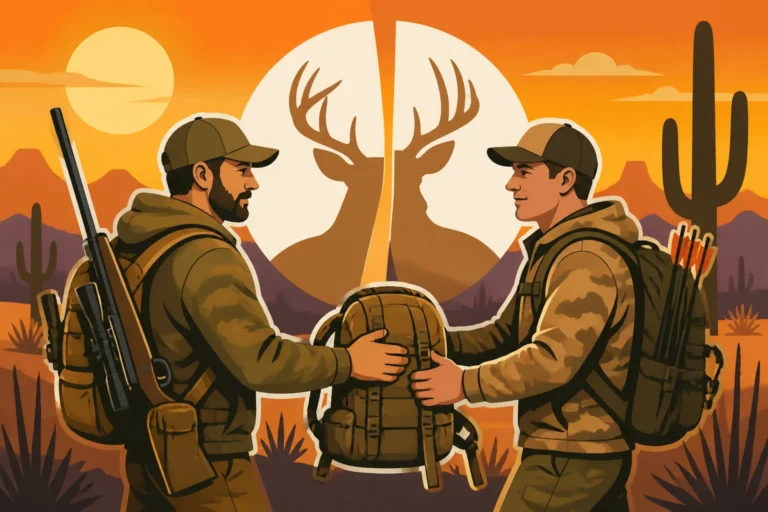
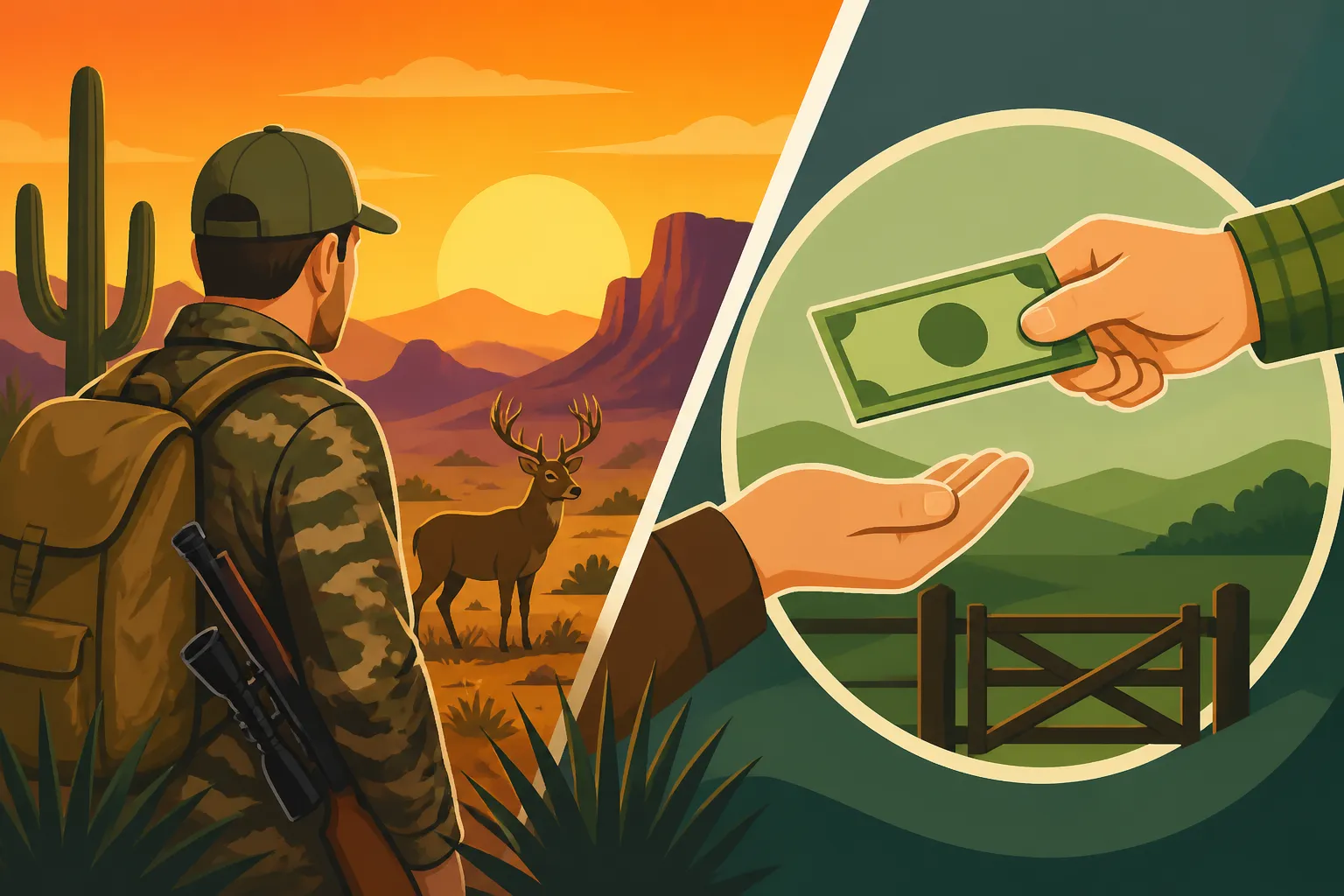
Think of a trespass fee not as a formal lease, which is usually a longer-term agreement for exclusive rights, but more like a short-term, permission-based access pass. You're literally paying the landowner for the permission to enter their private property for hunting purposes, thus avoiding "trespassing." It’s an arrangement that acknowledges the landowner's control over their property while providing a mutually beneficial solution for hunters seeking access and landowners looking for additional income or help with wildlife management.
This isn't about buying the land, or even leasing it for a whole season. It’s typically a one-time fee for a specific hunt, often for a defined number of days or even just for the opportunity to cross a parcel to access adjacent public land. The terms are highly flexible and set directly between you and the property owner, or sometimes facilitated through an outfitter. The crucial element is securing that explicit, documented permission to be on their ground.
Why Ranches Offer Trespass Fees
For many Arizona ranchers, their land is not just a place to raise livestock; it's also a valuable wildlife resource. Offering trespass fee arrangements can provide a significant additional income stream, helping to offset the rising costs of land management, property taxes, and ranching operations. It's a way for them to monetize the wildlife that lives on or passes through their property without changing their primary land use.
From the landowner's perspective, these fees also help them manage wildlife populations, especially if they have specific conservation goals or are trying to reduce impacts on crops or forage. They can control the number of hunters on their land, often leading to less pressure on the animals and potentially higher quality hunts. For hunters, this means gaining access to areas that might hold better genetics, have less hunting pressure, and offer a more secluded experience than many heavily trafficked public areas. Imagine having a vast chunk of prime Coues deer habitat all to yourself during the general season – that's the kind of opportunity a trespass fee can unlock. Ranch Access Along Grassland Units often comes with these types of arrangements.
The Role of Outfitters and Landowners
Sometimes, a direct conversation with a landowner is all it takes to arrange a trespass fee. If you’re tenacious, respectful, and prepared, you might be able to forge a direct relationship. However, many landowners prefer to work through established hunting outfitters. Outfitters often have long-standing relationships with private landowners and can bundle these trespass fees into a semi-guided or fully guided hunt package. They act as the intermediary, handling the negotiations, paperwork, and ensuring that both parties understand the terms.
Working with an outfitter can streamline the process, as they typically have a roster of ranches they work with and understand the local regulations. They might even have exclusive rights to certain properties, meaning you'd have to go through them to access that ground. Platforms like BookYourHunt can also connect hunters with outfitters who manage these private land opportunities, simplifying the search and booking process. Whether you go direct or through an outfitter, the core principle remains: you’re paying for access to private ground that would otherwise be off-limits.
Navigating the Costs and Terms of Trespass Fees
Understanding how trespass fees are priced and what kind of agreement you're entering into is crucial. These aren't one-size-fits-all deals, and the details can vary wildly from one property to the next.
Factors Influencing the Fee Amount
The price tag on a trespass fee can fluctuate based on several key factors, and it's rarely a flat rate across the board. The most significant influence is often the species you're pursuing. An opportunity to hunt trophy elk on prime private ground in a coveted unit like those along The Mogollon Rim as Arizona Elk Country will undoubtedly command a much higher fee than access for javelina or small game on a lesser-known ranch. The reputation of the unit, its historical success rates for specific animals, and the trophy potential are all critical considerations.
Beyond the species, the quality of the access itself plays a huge role. Does the fee grant you exclusive access to a large parcel for a week, or is it just permission to cross a corner of a ranch to reach public land? The duration of the hunt, whether it's for a single day, a weekend, or an entire season, also directly impacts the cost. Furthermore, any amenities provided, such as a place to camp, access to water, or even a basic cabin, can add to the price. Always inquire about these specifics upfront.
What to Expect in a Trespass Agreement
A clear, written agreement is your best friend when dealing with trespass fees. This document should outline everything, leaving no room for misunderstanding. It should explicitly state the agreed-upon fee, the dates you have access, and the specific boundaries of the hunting area on the private land. You'll want to ensure it covers what species you're allowed to hunt, any specific weapon restrictions (e.g., archery-only, rifle), and bag limits if different from state regulations.
Crucially, the agreement should detail access routes – precisely where you can drive, park, or walk. Many ranches have strict rules about vehicle use to prevent damage to roads or grazing areas. It might also address camping arrangements, if allowed, and what happens if you harvest an animal: rules for retrieving game, field dressing, and carcass transport. Don't be shy about asking questions and clarifying every point before signing. This agreement protects both you and the landowner.
Hidden Costs and Unexpected Challenges
While a trespass fee can open doors, it’s important to budget for more than just the access cost. These arrangements typically cover just the permission to hunt; they rarely include other services. You'll still be responsible for your Arizona hunting license and any necessary tags. What Outfitter Prices Almost Never Include often extend to trespass fees too. Meat processing, taxidermy, lodging (unless specifically included in the fee), and transportation are usually on your dime. If you’re coming from out of state, these costs can add up quickly.
Another challenge can be navigating the rules set by the landowner. They might have specific expectations about how you conduct your hunt that go beyond state regulations. For example, they might prohibit certain types of calls, limit scouting time, or have strict quiet hours. While these rules are often in place to protect their property or livestock, they can sometimes feel restrictive. Always consider the potential for limited flexibility compared to hunting vast public lands, where you have more autonomy. You might also want to clarify rules about Hunting From a Vehicle versus walking, as restrictions can vary greatly.
Finding and Securing Trespass Fee Opportunities
Finding these private land opportunities takes a combination of diligent research, respectful communication, and sometimes, a little luck. It's not always about stumbling upon a "For Lease" sign.
Researching Landowners and Ranches
Your first step in securing a trespass fee arrangement often begins long before the season. Start by thoroughly researching the Game Management Unit (GMU) you're interested in. Use online mapping tools like those offered by GoHunt to identify private land parcels within these units. Look for large ranches, especially those that appear to have excellent habitat or provide access to hard-to-reach public land. Once you've identified potential properties, you can often find landowner contact information through county assessor's offices or local land management agencies.
Don't underestimate the power of local connections. Visit the nearest small towns, talk to folks at the local hardware store, diner, or feed store. They often know which ranchers might be open to such arrangements. Networking with other hunters and even speaking to outfitters in the area can also provide valuable leads, even if you don't intend to book a fully guided hunt. Remember, you're trying to build a relationship, so approach every interaction with respect and professionalism.
Engaging with Landowners Respectfully
When you finally make contact with a landowner, how you present yourself is paramount. This isn't just a transaction; it's about trust. Be clear, concise, and respectful in your communication. Introduce yourself, explain your interest in hunting their property, and specify the species and dates you're hoping for. Have a clear idea of what you're asking for – whether it's permission to cross, hunt a specific pasture, or access a particular water source.
Come prepared with questions, but also be ready to listen. Landowners might have concerns about safety, fire risk, damage to fences, or disturbance to their livestock. Address these concerns proactively. Offer to provide references, proof of insurance, or even sign a liability waiver. Building a positive reputation can lead to future opportunities, not just for you but for other hunters as well. Remember, you are a guest on their land, and acting accordingly is non-negotiable. Getting Landowner Permission in Arizona is always about mutual respect.
Utilizing Scouting Tools and Resources
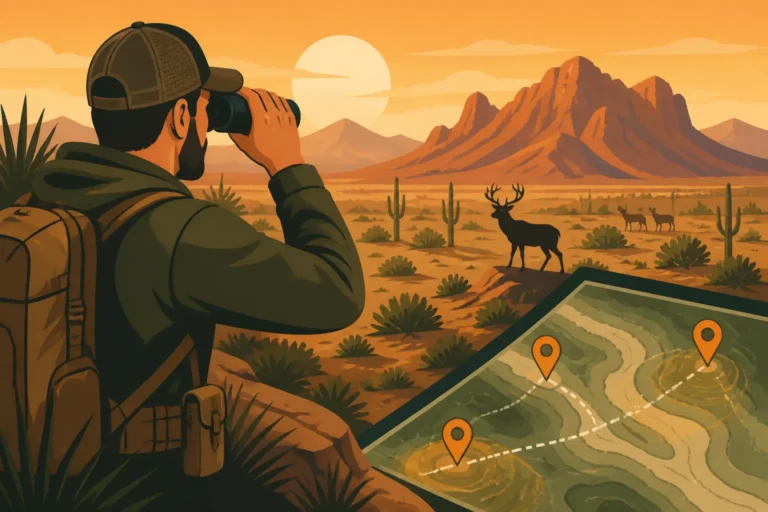
Modern hunting tools are incredibly valuable in this process. Before you even contact a landowner, use satellite imagery and land ownership maps (like those found on GoHunt) to get a clear picture of their property. Understand the terrain, locate water sources, and identify potential bedding or feeding areas that make their land attractive for hunting. This detailed knowledge shows the landowner you've done your homework and are serious. Reading a Land Ownership Layer Correctly is a critical skill here.
You can also use these tools to understand how their private land connects to public land. Perhaps their property provides the only feasible access to a landlocked parcel of BLM ground, making a trespass fee invaluable. E-Scouting an Arizona Unit Before the Season can help you pinpoint these strategic access points. Having a well-researched proposal, backed by solid mapping, can make a positive impression and increase your chances of securing an agreement.
Pros and Cons of Trespass Fee Arrangements
Like any hunting strategy, paying a trespass fee comes with its own set of advantages and disadvantages. It's important to weigh these carefully against your personal hunting style, budget, and goals.
The Advantages for Hunters
The primary advantage of a trespass fee arrangement is gaining access to private land that often experiences significantly less hunting pressure than public ground. This can translate directly to higher quality animals, more consistent game sightings, and a generally more relaxed hunting experience. On private ranches, animals are less likely to be "educated" by constant human presence, potentially making them more predictable and less wary.
Furthermore, private lands frequently encompass prime habitat – key feeding grounds, crucial water sources, or sheltered bedding areas – that might not be easily accessible or available on public land. This concentrated habitat can increase your odds of success, especially for elusive species like Coues deer. Imagine a ranch that carefully manages its deer herd; a trespass fee here could put you on a buck that has rarely, if ever, seen a human hunter. You're essentially paying for an enhanced opportunity that might be scarce elsewhere.
The Potential Downsides
On the flip side, the most obvious downside is the cost. Trespass fees can range from a few hundred dollars to several thousands, depending on the species, unit, and exclusivity. This adds a significant expense on top of your license, tag, travel, and gear. For many hunters, this financial barrier is simply too high, making public land hunting their only viable option.
Another potential drawback is the strictness of the rules. While some landowners are flexible, others have very specific guidelines that can limit your hunting style or preferred methods. You might be restricted to certain areas, specific times, or even certain hunting techniques. This lack of flexibility can sometimes feel confining, especially if you're used to the wide-open freedom of public land. There's also the element of relying on the landowner's word; while a written agreement helps, unforeseen issues can always arise. It's not a guaranteed success, just an enhanced opportunity.
Comparison of Arizona Land Access Options
To put trespass fee arrangements into perspective, let's look at how they compare to other common ways to access hunting land in Arizona. Each option offers a different balance of cost, access, and flexibility.
| Feature | Public Land (BLM, National Forest) | State Trust Land (with hunting license) | Trespass Fee Arrangement | Guided Private Land Hunt |
|---|---|---|---|---|
| Cost | License & Tag Only | License & Tag Only | Moderate to High | Very High |
| Access Permit | None | Hunting License Acts as Permit | Private Agreement | Included with Outfitter |
| Pressure | High, especially popular units | Moderate, varies by area | Low to Moderate | Low |
| Flexibility | High (within regulations) | High (within regulations) | Moderate (landowner rules) | Moderate (outfitter schedule) |
| Amenities | Primitive, DIY | Primitive, DIY | Minimal to Basic | Often comprehensive |
| Success Odds | Varies widely, often challenging | Varies widely | Potentially higher | Generally highest |
| Relationship | None | None | Direct with landowner | Outfitter and landowner |
| Examples | Coconino National Forest Access in Arizona | Arizona Holds 9.2 Million Acres of State Trust Land | Specific ranch access | What a Guided Arizona Elk Hunt Costs |
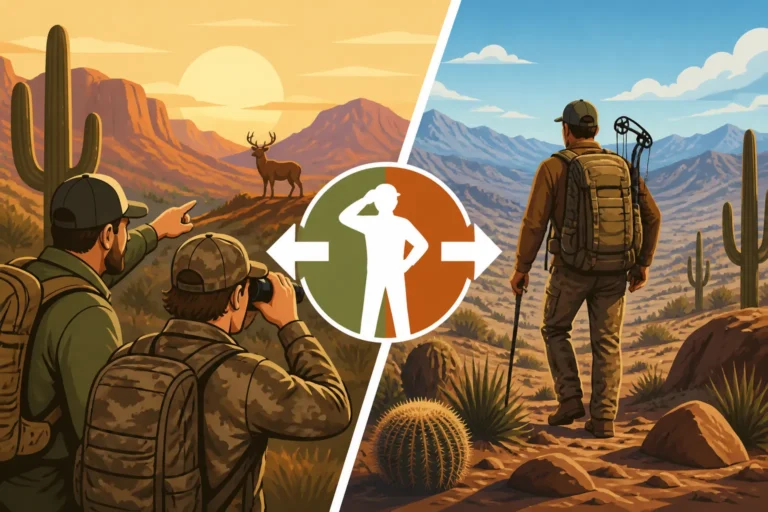
As you can see, trespass fee arrangements offer a middle ground between completely DIY public land hunting and the premium cost of a fully guided private land hunt. They provide enhanced access without necessarily bringing all the services an outfitter provides. Whether it's the right choice for you depends on your budget, your desire for solitude, and your hunting objectives. Leasing Hunting Ground in Arizona is another step up in commitment and cost, typically for longer terms and more exclusive rights.
Ultimately, understanding how trespass fee arrangements work gives you another tool in your Arizona hunting arsenal. It's about opening up new possibilities and being strategic about where and how you pursue your game.
Disclaimer
This article is for general informational purposes only and does not constitute professional advice. Laws, prices and regulations vary by location and change over time. Consult a qualified professional for guidance on your specific situation.