Bugle Timing Across the Mogollon Rim
Understanding the nuances of elk bugle timing across Arizona's vast and diverse Mogollon Rim can feel like trying to decipher a secret language spoken only by the forest. Many hunters head into the woods with a generic idea of when the rut should be happening, only to find themselves bewildered by silent timber or confused responses. This guide aims to pull back the curtain on the factors that truly dictate when and how bulls vocalize, helping you align your strategies with the elk's real-time behavior for a more successful hunt.
The Rhythms of the Arizona Elk Rut
The Mogollon Rim is a truly special place for elk, a sprawling transition zone where ponderosa pine forests meet rugged canyons and high-elevation meadows. This diverse habitat, combined with varying temperatures and rainfall, creates an elk rut that is less about a fixed calendar date and more about a dynamic, unfolding event. Knowing the general phases of the rut is crucial, but successful hunters understand that the elk dictate the timing, not the other way around.
Understanding the Elk Breeding Cycle
Elk follow an annual breeding cycle driven primarily by photoperiod – the changing length of daylight. As days shorten in late summer and early fall, hormonal changes in both bulls and cows kick off the rut. For cows, this means entering estrus, and for bulls, it means a surge in testosterone, leading to antler growth completion, velvet shedding, and an undeniable urge to gather and breed cows. This entire process is signaled through a symphony of vocalizations, from soft cow mews to the thunderous bugles of a challenging bull. The sheer scale and ruggedness of the Rim, from units like 3C and 4A to the more remote corners, mean that this cycle can vary slightly from one drainage to the next, adding another layer of complexity to predicting peak activity.
Why the Mogollon Rim is a Unique Elk Arena
The Mogollon Rim, with its elevation changes from around 5,000 feet to over 8,000 feet, offers a patchwork of microclimates and habitats that influence elk behavior. Unlike some more homogenous elk ranges, the Rim's varied terrain means that the rut might be hitting its stride in a high-elevation meadow while lower, drier canyons are still seeing pre-rut activity. Factors like lingering summer monsoons, which can green up forage and fill water sources, or an early cold snap, can either accelerate or delay the onset of intense rutting behavior. This makes a deep understanding of local conditions, often informed by preseason scouting or tools like those offered by GoHunt, absolutely critical. Hunters looking for insights into specific elk populations can benefit greatly from observing signs of activity like rubs, wallows, and fresh tracks, which often indicate an increase in bull activity. For those looking to understand the core populations, checking out articles like "Why Arizona Elk on the Mogollon Rim" can provide valuable context.
Early Season Bugle Timing: Anticipation and Locator Calls
The early archery season, typically running in late August and early September, can be one of the most exciting, yet frustrating, times to hunt elk on the Mogollon Rim. Bulls are shedding velvet, bachelor herds are beginning to break up, and the first whispers of the rut are just starting. This period is less about aggressive calling and more about strategic listening and coaxing responses.
Pre-Rut Chatter and Initial Vocalizations
As August transitions into September, you'll start hearing the initial signs of the rut. These often aren't the full-throated, challenging bugles of peak rut, but rather softer, exploratory sounds. Think of it as pre-rut chatter: cows might start chirping more frequently, and younger bulls or satellite bulls may throw out tentative bugles. These early bugles are often meant to locate other elk, test the waters, or simply establish a presence. Bulls are still mostly focused on feeding and getting into peak physical condition, but the hormonal shifts are definitely underway. This is a time when understanding herd dynamics and being in areas where elk are staging before the main rut can pay huge dividends. Keeping an eye on weather patterns, particularly any unseasonably warm temperatures, is also wise, as "Heat Management on an Arizona Early Season Hunt" can be a significant factor in hunter and elk comfort.
Locator Bugles at Dawn and Dusk
During these early days, your best bet for eliciting a bugle is often with a locator call, particularly at dawn and dusk. A sharp, loud bugle echoing across a canyon can often get a response from a bull simply trying to locate other elk, without necessarily committing to a challenge. I've found that these responses are usually less aggressive, sometimes just a single bugle or a string of cow calls. The key is to listen for the direction and then move in cautiously. Don't immediately go full-throttle with aggressive calling. Instead, try to close the distance silently, using the wind and terrain to your advantage, before attempting any further vocalizations. This period is fantastic for finding where the bulls are generally hanging out, even if they aren't ready to fight over cows. For a deeper dive into this specific strategy, consider reading "Locator Bugles for Finding Bulls at Dawn".
Peak Rut Activity and Aggressive Calling
Mid-September is often when the Mogollon Rim truly comes alive with the sounds of the elk rut. This is the period most hunters dream of, characterized by intense vocalizations, aggressive bull behavior, and heightened opportunities for calling elk into range. The air literally crackles with anticipation.
Full-Throttle Bull Responses and Challenging Encounters
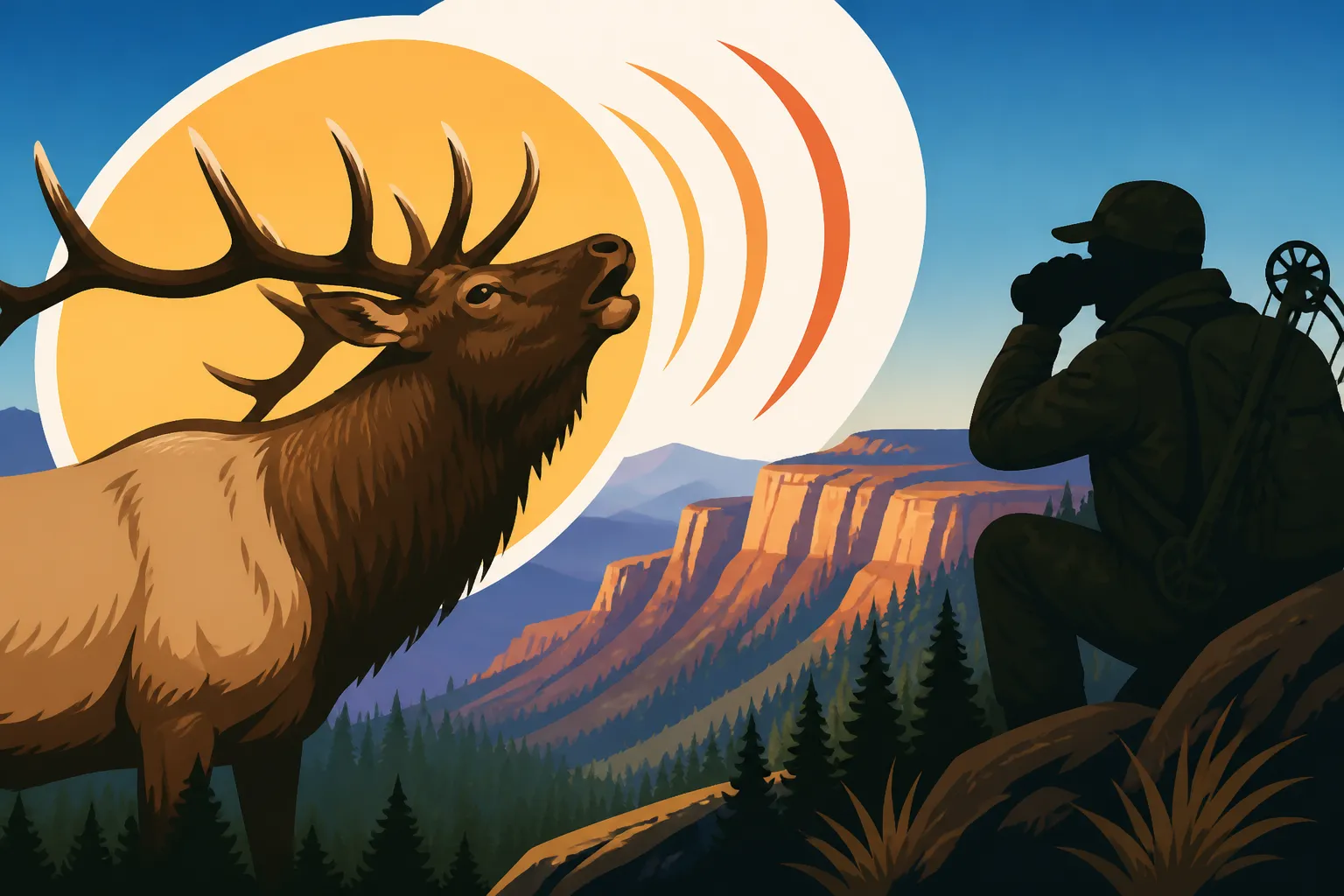
When the rut hits its peak, usually around the second and third weeks of September, mature bulls are actively gathering harems and defending them with vigor. Their bugles become more frequent, louder, and often include the distinctive "chuckle" or "grunts" that signal aggression and a readiness to fight. This is the time to be bold with your calling, within reason. If you hear a bull bugle, especially a deep, powerful one, don't be afraid to challenge him with your own aggressive bugle. The goal is to make him believe there's another bull attempting to steal his cows. These peak rut scenarios are when you can often call a bull right into your lap, sometimes at a dead run, particularly in units with a healthy bull-to-cow ratio. Understanding "When the Elk Rut Peaks on the Rim" is critical for planning your hunt around this explosive activity.
Cow Calling for Pressured Bulls
Even during the peak rut, particularly in areas that see significant hunter pressure, some older, wiser bulls might become "call shy." They've heard it all before and are wary of an aggressive bugle that might mean a human rather than a rival. This is where a subtle shift to cow calling can be incredibly effective. Instead of challenging a bull, try to lure him in by sounding like a receptive cow. Mix in soft mews and chirps, occasionally adding a pleading estrus whine. This can pique a bull's curiosity without triggering his caution, especially if he already has a harem and is looking for more cows, or if he's a satellite bull trying to sneak in. Sometimes, a combination of a soft cow call followed by a soft, questioning bugle can be deadly. Using a reliable mapping application, like GoHunt's platform, can help identify areas with less pressure or escape routes elk might use, allowing you to position yourself for these more nuanced calling tactics. For more on this, check out "Cow Calling Pressured Arizona Bulls".
Late Season Bugles and Post-Rut Strategies
As the calendar turns from September to October, the frenetic energy of the peak rut begins to wane. While the loudest, most aggressive bugling might subside, the rut isn't entirely over. Smart hunters understand that there are still opportunities for calling in elk, but the tactics shift significantly.
Lingering Bulls and Satellite Herds
In the late rut and post-rut period, the dominant bulls might be exhausted from weeks of breeding and defending their harems. They often become less vocal and more focused on recovering. However, this is prime time for satellite bulls – younger, less dominant males who spent the peak rut on the fringes of the action – to become more active. These bulls might not have secured many breeding opportunities and are still actively searching for any cows that haven't been bred or have come back into estrus. You might hear less frequent but still strong bugles from these eager, often less wary, bulls. These aren't the big herd bulls, but they offer exciting hunting opportunities. Hunters often find themselves working harder to locate these animals, relying on patience and meticulous observation of "Reading Fresh Elk Sign in Ponderosa Timber" rather than just sound alone.
Silent Strategies for Wary Elk
Once the peak bugling dies down, aggressive calling becomes far less effective and can even be detrimental. Bulls are often on high alert, and a booming bugle can send them running. This is the time to switch to silent or very subtle tactics. Focus on still-hunting, glassing vast areas, and mimicking soft cow and calf sounds. A quiet cow mew or a soft chirp can sometimes bring in a curious bull who is still searching but doesn't want to draw attention to himself. This is also when understanding terrain and wind becomes paramount, as elk are more prone to sneaking away undetected. Think about setting up near known bedding areas or transition zones where elk might be traveling between feed and cover. Sometimes, the best call is no call at all, letting the elk's natural movements lead them to you.
Factors Influencing Bugle Timing
While the general timeframe of the rut is tied to daylight, several environmental factors can subtly (or not so subtly) influence the intensity and precise timing of bugling activity on the Mogollon Rim. Ignoring these can leave you wondering why the elk aren't "reading the script."
The Impact of Early Monsoons and Weather Shifts
Arizona's late summer monsoon season can have a direct impact on elk behavior and, consequently, bugle timing. Abundant rainfall means lush feed and full water sources, which can keep elk in certain areas longer and in better physical condition. A particularly wet monsoon season might even slightly delay the onset of intense rutting behavior, as elk are less stressed and focused on survival. Conversely, an early cold snap or unusually dry conditions could potentially push elk to rut earlier or move them to different areas in search of resources, affecting where and when you'll hear them. A sudden temperature drop can sometimes spark a burst of activity, while prolonged heat can make bulls lethargic and less vocal during daylight hours. Always pay attention to the forecast leading up to and during your hunt.
Hunter Pressure and Elk Behavior
It's no secret that the Mogollon Rim is a popular elk hunting destination, and hunter pressure is a very real factor that influences bugle timing and elk visibility. In heavily hunted units, elk quickly become wise to human presence and adapt their behavior. This can mean less daylight bugling, a reluctance to respond to aggressive calls, and a tendency to move into thicker cover or go completely nocturnal. Overly aggressive calling in high-pressure areas can often backfire, as elk associate the sound with danger. This is where subtle tactics, patience, and choosing less accessible areas can make a huge difference. Using detailed maps, perhaps through a platform like GoHunt, to identify remote drainages or public land parcels surrounded by difficult terrain, can help you find pockets of less pressured elk. Even small pockets of undisturbed areas can hold a gem.
Adapting Your Calling Strategy
The most effective elk hunters are those who don't rely on a single calling sequence but rather adapt their strategy to the specific circumstances, the elk's mood, and the prevailing conditions. There's no one-size-fits-all solution when it comes to luring in a bull.
Reading the Elk's Mood
This is perhaps the most crucial skill a caller can develop. Is the bull bugling in a challenging, aggressive manner, or is it a more relaxed, conversational tone? Is he moving towards you, or staying put? If he's hot and aggressive, a strong bugle and some raking sounds might bring him in. If he's hesitant or seems to be holding his ground, a strategy of moving closer silently and using softer cow calls might be more effective. Pay attention to how the elk responds (or doesn't respond) to your calls. If he answers every bugle with an equally strong one and closes the distance, lean into that aggression. If he goes silent, it's time to back off the aggressive calls and switch to soft mews, or even a different strategy entirely. For advanced tactics, sometimes understanding "Bugling Against Cow Calling in September" can make all the difference when a bull is playing hard to get.
Mastering Different Call Types and Scenarios
A versatile elk hunter carries a range of calls and knows how to use them. This includes diaphragm calls for bugles and cow mews, external reed calls for more volume or specific tones, and even bite calls for quick, easy cow sounds. Beyond the calls themselves, understanding when to use them is key.
Here's a quick rundown of scenarios and associated calls:
- Locating Bulls: Use a loud, clear locator bugle, especially at dawn and dusk.
- Challenging an Aggressive Bull: A strong, confident bugle with chuckles and glunking, perhaps accompanied by raking a tree to simulate another bull.
- Luring a Wary Bull: Soft cow mews, chirps, and estrus whines. Keep it subtle and don't overdo it.
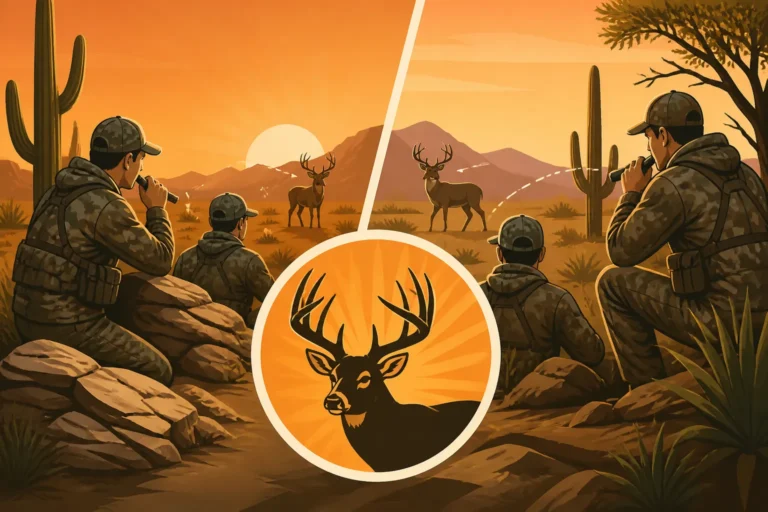
- Bringing a Bull Into Bow Range: Once he's committed, switch to very soft mews and chirps to calm him and guide him those last few yards. Don't be afraid to try a "Two-Hunter Calling Setups That Actually Work" where one person calls and the other moves into a shooting lane.
- Cold Calling (no known elk): Mix occasional cow mews with short bugles to see if anything responds. Don't sit in one spot for too long without hearing something.
Understanding that calling is a conversation, not a monologue, is paramount. Listen more than you call, and let the elk's responses guide your next move. Using detailed maps from services like GoHunt can help you pre-plan ambush points based on terrain and known elk travel corridors, allowing you to get into a prime calling position before the elk even know you're there.
Here’s a quick overview of typical bugle timing and corresponding strategies on the Mogollon Rim:
| Rut Phase | Timeframe (Approx.) | Primary Elk Activity | Dominant Bugle Type | Recommended Calling Strategy |
|---|---|---|---|---|
| Pre-Rut | Late August – Early Sept | Bachelor herds breaking up, velvet shedding, feeding. | Infrequent, exploratory bugles; soft cow mews/chirps. | Locator bugles at dawn/dusk. Soft cow/calf talk. Focus on finding elk, not calling them in. |
| Early Rut | First Week of Sept | Bulls starting to gather cows, testing dominance. | More frequent bugles, some chuckles. Still exploratory. | Mix of locator bugles and soft cow calls. Challenge if a bull is aggressive, but be subtle. |
| Peak Rut | Mid-September | Bulls actively breeding, defending harems, fighting. | Frequent, aggressive bugles with chuckles/grunts. | Aggressive bugles to challenge. Intense cow/estrus calls to lure. Adapt to bull's mood. |
| Late Rut | Late Sept – Early Oct | Dominant bulls recovering, satellite bulls active. | Less frequent bugles, often from satellite bulls. | Subtle cow mews/chirps. Less aggressive bugling. Focus on stalking and silent approaches. |
| Post-Rut | Mid-October + | Elk scattering, recovering from rut, feeding heavily. | Very rare bugles, mostly from isolated or late-rutting bulls. | Silent hunting. Focus on glassing and spotting. Minimal, soft cow calls only if needed. |
No matter your experience level, remember that elk hunting on the Mogollon Rim is an incredible experience. By understanding the nuances of bugle timing and adapting your approach, you can significantly increase your chances of a successful and memorable hunt.
Disclaimer
Hunting regulations and season dates can change. Always consult the official Arizona Game and Fish Department regulations booklet for the current year before planning and participating in any hunting activity. This guide is for informational purposes only and does not supersede official regulations.