The Minimum Bow Draw Weight Arizona Requires
Few things are as frustrating for an Arizona hunter as getting ready for a season, putting in the practice, and then realizing your gear isn't compliant with state regulations. When it comes to archery, understanding the minimum draw weight for your bow is absolutely critical, not just for legal reasons, but for ethical hunting. This guide will walk you through Arizona's specific draw weight requirements for vertical bows, why these rules are in place, and how you can ensure you're ready for your next big game pursuit without any last-minute surprises or ethical dilemmas.
Understanding Arizona's Minimum Draw Weight Regulations
Arizona Game and Fish Department (AZGFD) sets clear guidelines for archery equipment to ensure humane and ethical harvests. These regulations are designed to ensure that any arrow launched at a big game animal has sufficient power to penetrate adequately and dispatch the animal quickly and cleanly. It's not about making hunting harder; it's about respecting the animals we pursue and upholding the integrity of the sport.
The Specific Draw Weight for Vertical Bows
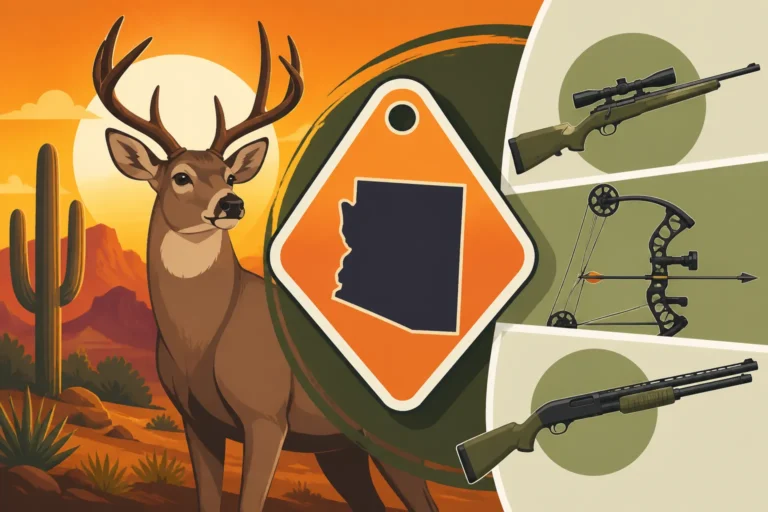
For any vertical bow – that includes compound bows, recurves, and longbows – used for hunting big game in Arizona, there's a specific minimum draw weight that must be met. This regulation states that the bow must have a minimum draw weight of 30 pounds. This isn't just a suggestion; it's a hard and fast rule. Whether you're chasing elusive Coues deer in the sky islands or hoping for an opportunity at an Arizona elk on the Mogollon Rim, your bow setup needs to hit that 30-pound mark at your actual draw length. This minimum is pretty standard across many states and is generally considered the lowest practical threshold for achieving sufficient kinetic energy for responsible big game hunting, especially when combined with a well-placed shot and an effective broadhead.
Imagine a new hunter, excited to get into the sport, picking up a beginner's compound bow. They might be tempted to set the draw weight very low to ease into the practice, which is great for building form. However, if they plan to hunt big game, they absolutely must crank those limb bolts up until the bow pulls at least 30 pounds. This can be a rude awakening for someone who has only practiced at a lower setting, highlighting the importance of knowing these regulations from the start. For a deeper dive into this specific rule, you can check out details on Arizona's 30-Pound Minimum for Vertical Bows.
Why Draw Weight Matters for Ethical Hunting
The 30-pound minimum isn't arbitrary; it's rooted in the principles of ethical hunting. When an arrow hits an animal, it needs to penetrate deep enough to reach vital organs. This penetration comes from kinetic energy and momentum. While a perfectly placed shot is paramount, even the best shot can fail to be lethal if the arrow lacks the energy to get through bone, muscle, and hide. A bow pulling less than 30 pounds simply doesn't generate enough force to reliably achieve that necessary penetration on larger game animals like deer or elk, leading to wounded animals that might suffer and never be recovered.
Think about the density of an elk's hide and muscle, or the robust rib cage of a mature mule deer. An arrow with insufficient energy might only wound the animal superficially, causing immense suffering and often leading to a long, fruitless tracking job. No hunter wants to be in that position. It's our responsibility to make every effort to harvest game cleanly and quickly. This 30-pound minimum helps ensure that, when combined with proper broadhead selection and shot placement, hunters have the equipment capable of fulfilling that ethical obligation.
How to Ensure Your Bow Meets the Requirements
Meeting Arizona's minimum draw weight is a crucial first step for any archer heading into the field for big game. It's not just about compliance; it's about confidence in your equipment and your ability to make a clean harvest. Taking the time to properly set up and practice with your bow at the legal minimum will make all the difference.
Checking and Adjusting Your Bow's Draw Weight
Confirming your bow's draw weight is usually straightforward, especially with modern equipment. For compound bows, most bow presses and pro shops can give you an exact reading. If you're doing it yourself, a portable bow scale will be your best friend. You simply draw the bow back to your full draw length and hold it there while the scale measures the peak weight. It's important to measure it at your actual draw length, as the peak weight can vary slightly. If your bow is below the 30-pound threshold, most compound bows allow for adjustment by turning the limb bolts. Always adjust both limb bolts equally and in small increments, consulting your bow's manual or a qualified pro shop. Over-tightening or uneven adjustments can damage your bow or even cause injury.
For traditional archers using recurves or longbows, the draw weight is typically marked on the limb. However, this marked weight is usually rated at a specific draw length, most commonly 28 inches. If your personal draw length is longer than 28 inches, your actual draw weight will be slightly higher than marked. Conversely, if your draw length is shorter, your actual draw weight will be lower. Traditional bow hunters with shorter draw lengths should be particularly mindful of this to ensure they still meet the 30-pound minimum at their specific draw. Taking your bow to a pro shop for a precise measurement is always a good idea, providing peace of mind before you venture into the field. This attention to detail is part of being prepared, much like using tools like GoHunt to thoroughly scout your unit and understand the terrain before you ever set foot on it.
Practicing with Your Legal Draw Weight
Simply meeting the 30-pound minimum isn't enough; you need to be proficient and comfortable shooting it. Drawing a 30-pound bow cold in your living room is one thing; drawing it smoothly and silently while a mature Coues buck is standing broadside at 30 yards after a long stalk in the Arizona heat is entirely another. Consistent practice is absolutely non-negotiable. Start by shooting frequently at shorter distances, focusing on form and muscle memory. Gradually extend your range as your strength and accuracy improve. You'll want to replicate hunting scenarios as much as possible, practicing from kneeling or awkward positions, or after a brisk walk to simulate the exertion of a stalk.
Building the necessary muscle endurance is key. If you struggle to hold your bow at full draw for more than a few seconds, you'll likely struggle in a real hunting situation when adrenaline is pumping, and an animal might take its time presenting the perfect shot. Many experienced archers recommend being able to comfortably hold your bow at full draw for at least 30-60 seconds. This ensures you can settle your pin and execute a clean shot under pressure. Remember, the goal isn't just to be able to pull it back, but to control that weight confidently and accurately when it counts. For tips on how close you need to get for an ethical shot, particularly for smaller deer like Coues, read about How Close a Bowhunter Needs to Get on Coues.
Common Misconceptions and Additional Gear Considerations
Sometimes, hunters focus solely on draw weight, thinking it's the be-all and end-all of penetration. While essential, it's really just one piece of a larger, more complex puzzle that ensures an ethical and effective harvest. Understanding how draw weight interacts with other aspects of your setup is crucial for true preparedness.
Draw Weight vs. Kinetic Energy and Broadhead Selection
While the 30-pound draw weight is a legal minimum, what truly delivers the punch for penetration is kinetic energy and momentum. Draw weight is a significant contributor, but it's not the only factor. Arrow weight, arrow speed, and most critically, broadhead design, all play huge roles. A heavier arrow, even from a bow with moderate draw weight, can carry more momentum than a lighter, faster arrow from a higher poundage bow. This momentum is vital for driving through tough hide and bone.
Broadhead selection is equally, if not more, critical. A super-sharp, well-designed fixed-blade broadhead will penetrate far more efficiently than a dull, poorly designed mechanical broadhead, even with the same kinetic energy. Arizona has specific rules regarding broadhead size and type; for example, broadheads must be wider than 7/8 inch. You can learn more about Why Arizona Requires Broadheads Wider Than 7/8 Inch to ensure your setup is legal. While mechanical broadheads are legal in Arizona, their performance can be more variable, especially at lower draw weights, if they don't deploy cleanly. It’s always worth investigating Are Mechanical Broadheads Legal in Arizona? and understanding the nuances. Ultimately, a balanced setup that combines sufficient draw weight, appropriate arrow weight, and a razor-sharp, reliable broadhead is the best approach for ethical harvesting.
Draw Length and Its Impact on Effective Weight
Your individual draw length has a profound impact on the effective performance of your bow, even at the same marked draw weight. On a compound bow, the draw weight is typically measured at peak. However, if your draw length is significantly shorter than the bow's optimal range, you might not be getting the full efficiency or kinetic energy potential. Conversely, if your draw length is longer, you might actually be pulling more than the advertised weight. For traditional bows, as mentioned, the marked weight is at a standard 28-inch draw. If you have a 26-inch draw, you're not going to be pulling 30 pounds on a 30-pound recurve.
Optimizing your draw length is about more than just comfort; it's about maximizing your bow's performance and ensuring consistent accuracy. A proper draw length allows for a consistent anchor point, better form, and more efficient transfer of energy to the arrow. If your draw length is particularly short, you might need to increase your actual draw weight beyond the 30-pound minimum to achieve the same level of kinetic energy and momentum that someone with a longer draw length gets at 30 pounds. This is where personalized fit and tuning from a pro shop become invaluable. They can help you determine your true draw length and adjust your bow accordingly, ensuring you meet both the letter and the spirit of Arizona's hunting regulations.
Crossbow Regulations vs. Vertical Bows
It's really important to draw a clear distinction between vertical bows (compound, recurve, longbow) and crossbows when discussing Arizona's draw weight regulations. They are treated very differently, and mistaking one for the other could lead to legal trouble or, worse, an unethical shot.
Differentiating Vertical Bow and Crossbow Requirements
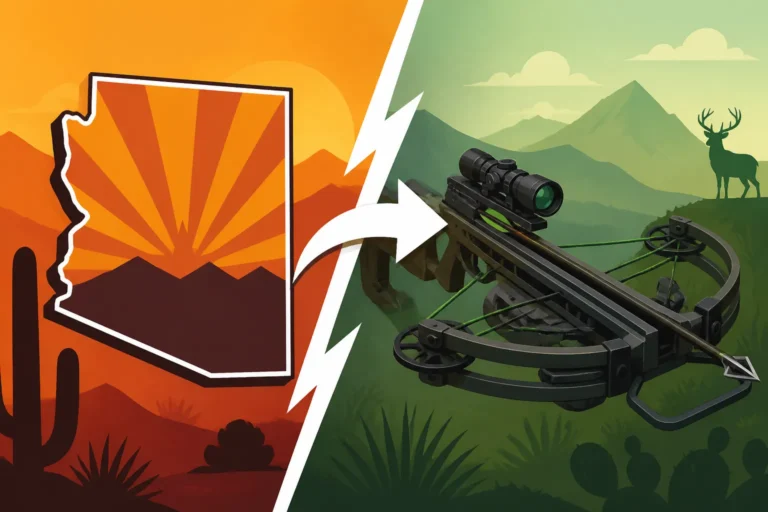
While vertical bows have a 30-pound minimum draw weight, crossbows in Arizona operate under a much higher threshold. The state mandates that crossbows used for big game must have a minimum draw weight of 125 pounds. This significant difference reflects the distinct mechanics and power output of crossbows, which are designed to generate considerably more force and arrow speed compared to most vertical bows. This higher minimum ensures that the bolts launched from a crossbow have ample energy for a clean kill. In addition to draw weight, crossbows also have specific requirements for bolt length and broadhead type, much like vertical bows. For a comprehensive look at these distinct rules, you should consult the details on The 125-Pound Crossbow Draw Weight Arizona Requires and Minimum Crossbow Bolt Length in Arizona. Understanding these separate sets of rules is paramount for staying compliant, regardless of your preferred archery equipment. Arizona's regulations on draw weight for both types of bows, along with crossbow bolt length, are all part of a larger framework designed to promote ethical hunting. If you're comparing your options, the state has clearly defined criteria, which you can see summarized in resources like Arizona Sets Bow Draw at 30 Pounds and Crossbows at 125.
The Changing Landscape for Crossbow Hunters in Arizona
The legal landscape for crossbow hunters in Arizona has seen some significant shifts in recent years, particularly concerning their use in archery-only seasons. Historically, crossbows were treated similarly to vertical bows in many respects, but that's no longer the case for certain hunts. As of January 1, 2026, crossbows will no longer be permitted during Arizona's archery-only seasons for big game. This is a substantial change that crossbow enthusiasts need to be acutely aware of. If you've been relying on a crossbow for your archery deer hunt, this will directly impact you. You can read more about this change in Crossbows Leave Arizona's Archery-Only Seasons in 2026 and What Changed for Arizona Crossbows on January 1.
However, this doesn't mean crossbows are completely out of the picture for big game hunting in Arizona. They are still perfectly legal for general weapons seasons, muzzleloader seasons (where they are allowed as an alternative weapon), and certain Handicapped Archery/Muzzleloader (HAM) hunts, provided the hunter has the appropriate permit. If you're a crossbow hunter, it's vital to meticulously check the specific regulations for the hunt unit and season you're applying for. Don't assume; verify. For information on which hunts still allow a crossbow, check out Which Hunts Still Allow a Crossbow to ensure your planned hunt aligns with the current regulations. This ongoing evolution in regulations requires hunters to stay informed, and resources like GoHunt can be invaluable for tracking these changes and planning accordingly.
To help visualize the differences, here’s a quick comparison:
| Equipment Type | Minimum Draw Weight | Use in Archery-Only Seasons (Post 2026) | Legal Broadhead Minimum | Other Considerations |
|---|---|---|---|---|
| Vertical Bow | 30 pounds | Yes | 7/8 inch wide | Arrow weight, draw length, kinetic energy |
| Crossbow | 125 pounds | No (with exceptions like HAM hunts) | 7/8 inch wide | Bolt length, kinetic energy, specific permits |
This table clearly illustrates the different requirements and the distinct pathways for hunting with either a vertical bow or a crossbow in Arizona. Always verify your specific hunt code regulations, as exceptions and nuances can exist, particularly for permit holders in specific categories. For example, understanding How to Hunt Arizona's Five-Month OTC Archery Deer Season would be critical for anyone planning an archery deer hunt, and it would confirm that after the 2026 change, only vertical bows will be allowed in that season.
Disclaimer
Please remember that hunting regulations can change. While every effort has been made to provide accurate and up-to-date information, it is ultimately the hunter's responsibility to review and understand the most current Arizona Game and Fish Department regulations prior to any hunting activity. Always consult the official AZGFD hunting regulations booklet or website for the most authoritative information.