What a HAM Hunt Actually Is
If you've ever poured over the Arizona hunting regulations, you've likely come across the enigmatic term "HAM hunt." It can feel like you're trying to crack a secret code, leaving you scratching your head about what weapons are actually allowed and how it differs from a standard archery or general season. This confusion is totally understandable, but don't worry! This guide is designed to clear up all the mystery surrounding Arizona's HAM hunts, explaining precisely what they entail and how they can fit into your hunting adventures.
What Exactly is an Arizona HAM Hunt?
Let's cut right to the chase: "HAM" is an acronym that stands for Handgun, Archery, and Muzzleloader. Essentially, an Arizona HAM hunt is a specific season structure where hunters are restricted to using only these three weapon types. It's a unique offering from the Arizona Game and Fish Department (AZGFD) that bridges the gap between the typically long, quiet archery-only seasons and the more widespread, often louder, general rifle seasons.
The idea behind HAM hunts is to provide expanded opportunities for hunters while still maintaining a level of challenge and limiting the overall impact on game animals compared to high-powered rifles. These hunts often occur in timeframes that might be considered "shoulder seasons" – periods just before or after general rifle hunts, or sometimes overlapping with portions of archery seasons. They are designed to give hunters who prefer traditional or more skill-intensive weapon choices a dedicated window to pursue big game. It's a way to spread out hunting pressure and offer diverse experiences across the landscape of Arizona's stunning units.
When you see a hunt code in the regulations with "HAM" in its description, you immediately know your weapon choices are limited to these specific categories. This isn't just a suggestion; it's a hard and fast rule, and knowing it upfront is crucial for planning your gear and tactics. It's a different rhythm of hunting, one that often encourages closer encounters and a more intimate connection with the pursuit.
Permitted Weapons and Key Regulations for HAM Hunts
The beauty and the challenge of a HAM hunt lie in its specific weapon restrictions. This isn't a free-for-all; each of the "HAM" categories comes with its own set of rules and limitations that you absolutely must understand before heading afield.
Handgun Regulations
When we talk about handguns for big game in Arizona, we're not talking about your everyday carry pistol. These are generally powerful, large-caliber revolvers or semi-automatics designed for hunting. The key here is ethical harvest. Arizona regulations specify minimum cartridge requirements to ensure a clean kill. For big game, your handgun must be chambered for a centerfire cartridge and have a minimum case length of 1.16 inches. The bullet must be a soft-nosed or expanding bullet. Think .44 Magnum, .454 Casull, .500 S&W Magnum, or similar calibers.
Unlike rifles, handguns require a different kind of practice and a deep understanding of their effective range. The limited range of a handgun means you'll need to be incredibly skilled at stalking and getting significantly closer to your quarry than a rifle hunter. This is where patience and meticulous attention to wind and terrain become paramount. You'll often be pushing the limits of what many consider a comfortable shooting distance, making accurate range estimation and steady shooting crucial. Always practice extensively at the distances you anticipate shooting in the field, ensuring you can consistently group shots within a vital zone.
Archery Regulations
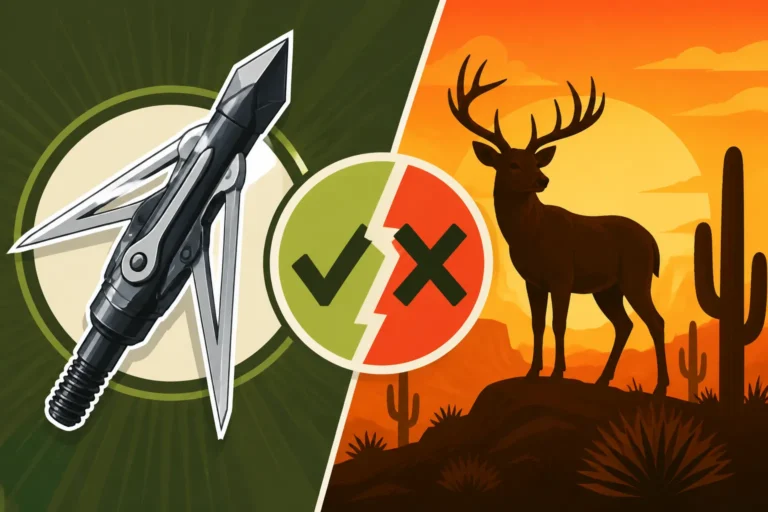
The "A" in HAM covers both vertical bows (compound, recurve, longbow) and crossbows, but with important distinctions and specific rules that are well worth exploring in detail. For vertical bows, Arizona requires a minimum draw weight of 30 pounds. This ensures enough kinetic energy for an ethical harvest on big game. If you're wondering about the specifics, you can dive deeper into The Minimum Bow Draw Weight Arizona Requires. Broadheads are also strictly regulated. They must be fixed-blade or mechanical broadheads with a minimum cutting diameter of 7/8 inch. This rule is designed to ensure maximum hemorrhage and a quick, humane kill. Many hunters specifically ask, Are Mechanical Broadheads Legal in Arizona?, and the answer is yes, as long as they meet the size requirement. For a full breakdown on this, check out Why Arizona Requires Broadheads Wider Than 7/8 Inch.
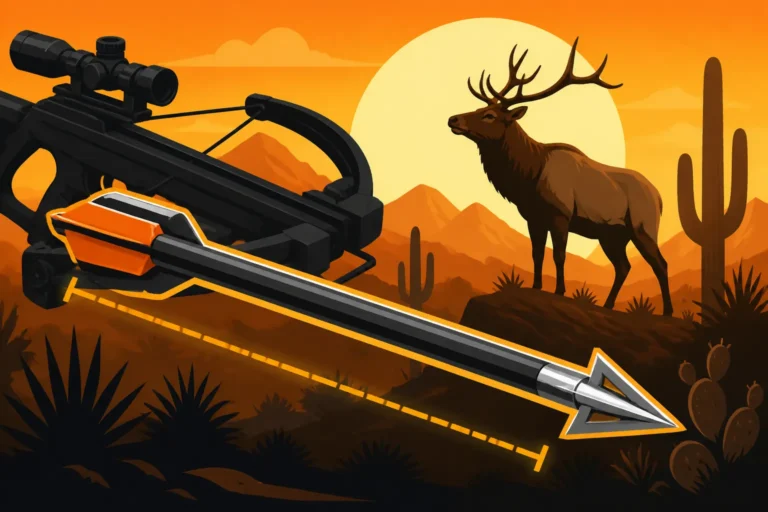
Crossbows, while allowed in HAM seasons, have their own set of rules. As of January 1, 2026, crossbows are no longer permitted in archery-only seasons, making HAM hunts a key opportunity for crossbow users. They must meet a minimum draw weight of 125 pounds, which ensures sufficient power for big game. The bolts used must also meet minimum length requirements. If you're a crossbow hunter, it's vital to understand these specifics, and you can find more information on Minimum Crossbow Bolt Length for Big Game and Arizona Sets Bow Draw at 30 Pounds and Crossbows at 125. There are also special considerations for hunters with disabilities who might qualify for a CHAMP (Concealed Handgun, Archery, Muzzleloader Permit) permit, which allows for additional flexibility. Details about What a CHAMP Permit Allows and Who Qualifies for a Crossbow Permit in Arizona are essential if this applies to you.
Regardless of your bow type, ethical archery hunting demands extreme precision, understanding animal anatomy, and rigorous practice. You're working with a much more limited range than firearms, so becoming proficient at estimating distances and maintaining composure in high-pressure situations is key. This is why many experienced archers spend countless hours practicing their craft.
Muzzleloader Regulations
Muzzleloaders in Arizona's HAM hunts offer a blend of traditional challenge and modern technology, as the rules are surprisingly open compared to many other states. Unlike some jurisdictions that restrict sights or powders, Arizona's regulations are quite liberal. For big game, muzzleloaders must be at least .40 caliber, and they can use any powder type. Perhaps the most significant freedom for muzzleloader enthusiasts in Arizona is the sight restriction – or rather, the lack thereof. You can use open sights, peep sights, or even a modern scope. Hunters often wonder, Can You Use a Scope on an Arizona Muzzleloader?, and the answer is a resounding yes! For more details on this, you can look up Muzzleloader Sight Systems With No Restrictions. When it comes to Powder Charges Allowed in Arizona Muzzleloaders, you also have a lot of flexibility, from traditional black powder to more modern propellants.
This openness allows muzzleloader hunters to customize their setup for maximum accuracy and confidence. However, don't mistake flexibility for ease. Muzzleloaders are still single-shot firearms, requiring a slower, more deliberate reloading process if a follow-up shot is needed. The smoke produced by some powders can also obscure your view, and cleaning is an important part of maintenance. Just like handguns and archery, extensive practice to master your specific muzzleloader, its ballistics, and its effective range is paramount for success and ethical hunting.
The Strategic Advantages and Challenges of HAM Hunts
HAM hunts aren't just about weapon choice; they offer a unique strategic landscape with both compelling advantages and distinct challenges. Understanding these can help you decide if a HAM tag is the right fit for your hunting style and goals.
Longer Seasons and Reduced Pressure
One of the biggest draws of HAM hunts for many hunters, especially those who appreciate extended time in the field, is the typically longer season dates. While general rifle seasons might run for a week, HAM seasons often stretch for weeks or even a month, providing much more flexibility. This expanded window can be a game-changer, allowing you to scout more thoroughly, adapt to changing weather conditions, and spend more days pursuing your quarry without feeling rushed. This is particularly appealing to folks who might not draw a prime rifle tag every year, or who simply crave more time in Arizona's stunning landscapes.
Furthermore, HAM hunts generally see less hunting pressure than the highly competitive general rifle seasons. Because of the weapon restrictions and the increased skill required, fewer hunters participate, or at least they are more spread out. This can lead to a more solitary, peaceful hunting experience, and potentially less skittish animals. While a popular unit might be crawling with orange vests during a rifle hunt, a HAM season in the same unit could offer a stark contrast. This reduction in pressure can be a significant advantage, especially if you're willing to put in the effort required by the HAM weapon limitations. Websites like GoHunt provide valuable draw odds and season date information, helping you identify these less-pressured HAM opportunities.
Enhanced Challenge and Skill Development
Let's be honest: hunting with a handgun, archery equipment, or a muzzleloader in big game situations demands a higher level of hunting skill compared to using a modern rifle. This isn't a knock on rifle hunting, but simply an acknowledgment of the inherent limitations of HAM weapons. You'll need to master the art of stalking, reading terrain, understanding wind, and identifying game at closer distances. Your ability to move silently, break up your silhouette, and interpret animal behavior will be put to the test.
This increased challenge is precisely what attracts many hunters to HAM seasons. It forces you to become a more complete hunter, refining skills that might not be as critical with a 500-yard rifle shot. Successfully harvesting an animal with a HAM weapon can be incredibly rewarding, a testament to your patience, perseverance, and woodsmanship. It's a journey of continuous learning and improvement, where every close encounter, even if it doesn't result in a shot, feels like a victory in itself. Developing these skills will make you a better hunter overall, no matter what weapon you choose in the future.
Range Limitations and Strategic Implications
The primary challenge of a HAM hunt directly relates to the effective range of the permitted weapons. Handguns and archery equipment are, by nature, short-range tools. Even a scoped muzzleloader, while more capable than open sights, typically has a more limited ethical range compared to many hunting rifles. This means your hunting strategy must fundamentally shift. Long-range glassing from a distant ridge, while still useful for locating game, needs to be followed by meticulous and often lengthy stalks. You can't just set up and wait for an animal to appear at 300 yards.
This necessitates a much more aggressive, yet stealthy, approach. You'll spend more time actively pursuing and less time passively observing. You'll need to become intimately familiar with the terrain, identifying pinch points, cover, and travel corridors where you can close the distance undetected. This is where detailed map scouting with resources like GoHunt can really pay off, helping you identify potential stalk routes and ambush points before you even step foot in the field. The inability to make a quick follow-up shot with a muzzleloader or a single-shot handgun also means that shot placement becomes even more critical, demanding extreme precision and a calm demeanor when the moment of truth arrives.
| Weapon Type | Typical Effective Range (Big Game) | Skill Level Required | Noise Signature | Key Advantage in HAM |
|---|---|---|---|---|
| Handgun | 50-100 yards | Very High | Loud | Compact, high challenge |
| Archery | 20-60 yards | Very High | Low | Silent, long seasons |
| Muzzleloader | 100-200 yards | High | Loud (smoky) | Flexible optics, traditional feel |
Note: Effective ranges are highly dependent on shooter proficiency, caliber/draw weight, and specific animal size.
Making the Most of Your Arizona HAM Tag
Drawing a HAM tag is an exciting opportunity, but to truly make the most of it, you need to approach it with a well-thought-out plan. It's not just about showing up with a legal weapon; it's about strategy, preparation, and embracing the unique demands of these hunts.
Tailored Gear Selection and Practice
Your gear for a HAM hunt needs to be meticulously chosen and practiced with. For handgun hunters, this means selecting a powerful, accurate handgun and spending significant time on the range becoming proficient at various distances and shooting positions. For archers, whether vertical bow or crossbow, consistent practice is non-negotiable. Dialing in your pins or scope, practicing from treestands or on your knees, and shooting in varying weather conditions will build the confidence you need. Remember, the goal is not just to hit the target, but to consistently hit the vital zone under pressure.
Muzzleloader hunters, with their broader options, should experiment with different powders, sabots, and bullets to find the most accurate combination for their specific firearm. Given that Arizona allows Muzzleloader Sight Systems With No Restrictions, take advantage of that freedom to find the optic setup that gives you the best sight picture and confidence for your hunt. The most advanced gear is useless without consistent, disciplined practice. Consider what you’d need for a How to Hunt Arizona's Five-Month OTC Archery Deer Season and adjust for your HAM weapon.
Scouting with HAM Limitations in Mind
Scouting for a HAM hunt is distinct from scouting for a general rifle hunt. While you still want to locate game and understand their patterns, your focus shifts to identifying areas that facilitate close encounters. Look for thick cover, natural funnels, and terrain features that allow for stealthy approaches. This could mean canyons with natural draws, dense juniper pockets, or broken country with numerous small ridges and washes.
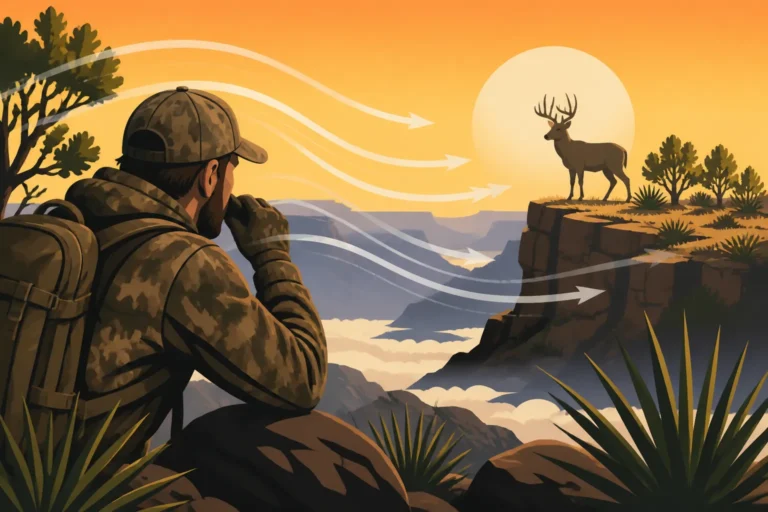
Instead of just looking for animals, you're looking for avenues to get to the animals. Pinpoint water sources, feeding areas, and bedding locations that offer good cover for a stalk. Pay close attention to prevailing winds and how they might swirl in specific drainages. Utilize mapping tools like those offered by GoHunt to identify potential ambush points and escape routes that can make a short-range shot possible. Your scouting efforts should be geared towards finding "HAM friendly" terrain, not just "animal rich" areas.
Embrace the Close-Range Game
Successful HAM hunting is fundamentally a close-range game. This means you need to adjust your mindset and tactics accordingly. Forget about those long-range hero shots; focus on getting within 100 yards for a muzzleloader, 75 yards for a handgun, and often 40-50 yards for archery. This requires an immense amount of patience, stealth, and determination. You will get busted. You will have animals slip away. But each close encounter, successful or not, will teach you valuable lessons.
Learn to use every bit of cover available – a small juniper, a rock outcropping, the shadow side of a ridge. Walk slowly, stop frequently, and use your optics constantly to pick apart the landscape. When you spot an animal, don't rush the stalk. Take your time, plan your approach, and be ready to adapt. Often, the best strategy is to become invisible and let the animal come to you, or to slowly close the distance when they are feeding or preoccupied. It’s an incredibly engaging and immersive way to hunt, connecting you more deeply with the wilderness and the animals you pursue.
Mental Toughness and Ethical Considerations
Finally, a HAM hunt demands significant mental toughness. The increased challenge can be frustrating, and you'll likely experience more close calls and missed opportunities than on a rifle hunt. Maintaining a positive attitude, staying focused, and learning from every experience are crucial. Don't let setbacks discourage you; see them as opportunities to refine your skills.
Always prioritize an ethical shot. With HAM weapons, this means knowing your personal and your weapon's absolute maximum effective range and sticking to it. If the shot isn't clean and ethical, don't take it. Passing on a marginal shot is a sign of a responsible hunter. The reward of a HAM harvest is immense, but it should never come at the cost of the animal's welfare.
Disclaimer
Please remember that hunting regulations can change. While this guide provides comprehensive information, it is always your responsibility to consult the most current Arizona Game and Fish Department regulations prior to any hunting activity. Stay safe and ethical in the field.