Arizona Javelina Season Structure
One of the most common head-scratchers for hunters looking at Arizona's diverse opportunities is figuring out the javelina seasons. Are they truly year-round? Do you need a draw tag, or can you just grab one over the counter? It's easy to get lost in the regulations, especially when you're used to more rigid deer or elk seasons. This comprehensive guide is here to untangle all that confusion, walking you through the ins and outs of Arizona's javelina season structure so you can plan your hunt with confidence.
Understanding Arizona's Javelina: More Than Just a Pig
Before we dive into seasons and tags, let's clear up a common misconception that often shapes how folks approach hunting these critters. Javelina might look like small wild pigs, but they're actually peccaries, a completely different family of mammals. They're unique, fascinating, and offer an incredibly fun hunting challenge in the vast Arizona landscape.
The Javelina's Unique Place in Arizona Wildlife
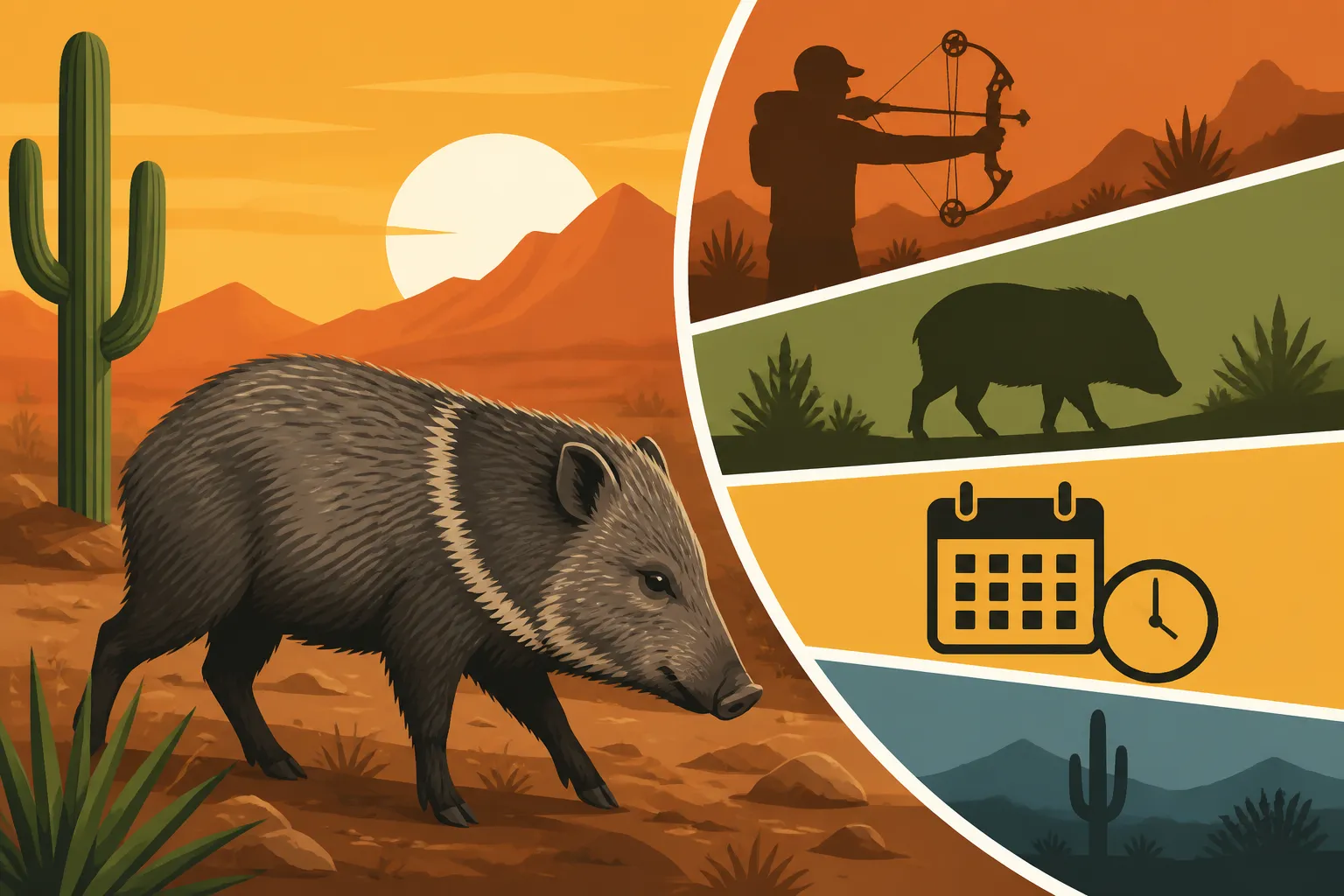
These social creatures, often found in herds ranging from a few individuals to more than 20, are perfectly adapted to the desert and semi-desert environments of Arizona. You'll find them ranging across the Sonoran Desert, especially in the southern and central parts of the state, often concentrated around washes, prickly pear flats, and rocky hillsides. Unlike domestic hogs or true wild boars, Why Javelina Are Not Wild Pigs, javelina have a distinct musk gland on their back, a short, bristly coat, and a keen sense of smell that makes them surprisingly elusive. Their primary diet consists of cacti, roots, tubers, and insects, which means they're often found in areas with ample prickly pear and mesquite. Understanding What Family Javelina Actually Belong To is the first step to truly appreciating the hunt.
Their social behavior is a huge part of the challenge and excitement of hunting them. When you find one, you often find many. They communicate through a series of grunts, woofs, and teeth-clattering, and their reliance on scent for communication and detecting danger is paramount. Learning How Javelina Use Scent to Communicate can be a game-changer for your hunting strategy, especially when trying to approach a herd unnoticed. This unique blend of characteristics—their strong herd instinct, reliance on scent, and preference for dense cover—makes javelina hunting a truly engaging experience that stands apart from pursuing deer or elk.
Why Javelina Tags Are So Accessible
One of the most appealing aspects of hunting javelina in Arizona is the incredible accessibility of their tags compared to many other big game species. While drawing a premier elk tag in Arizona might take decades for a nonresident, a javelina tag is often just a click away or a quick trip to a license dealer. This accessibility is largely due to healthy, widespread populations across their range, and the Arizona Game and Fish Department's management strategy that aims to provide abundant opportunity.
For many, javelina hunting serves as an excellent introduction to big game hunting in Arizona, or a fantastic way to extend their time in the field when other highly sought-after tags are out of reach. It's a fantastic way to learn the desert, practice your glassing skills, and hone stalking techniques without the immense pressure of a once-in-a-lifetime tag. The relatively low cost of the tag, coupled with the high chance of success (especially for archery hunters), makes them a perennial favorite. This democratic approach to tag distribution reflects a desire to keep hunters engaged and provide opportunities for everyone, from seasoned veterans to brand-new hunters looking for their first taste of Arizona's unique wildlife.
Over-the-Counter Archery Javelina: The Main Event
If there's one javelina season that captures the imagination and provides the most flexibility, it's the over-the-counter (OTC) archery hunt. It's arguably the most popular way to chase these desert dwellers and offers extensive opportunities across the state.
The Near Year-Round Archery Javelina Opportunity
While the internal link title mentions "Year-Round Archery Javelina in Arizona," it's important to clarify that "year-round" isn't strictly 365 days for every unit, but rather spans significant portions of the year, offering incredible flexibility. Arizona is unique in offering such long archery seasons for javelina, making it feel like an almost constant opportunity. These extended periods are typically split into a winter/early spring window and a late spring/summer/fall window, allowing bowhunters to pursue javelina for many months out of the year.
This generous season structure means that whether you're looking for a hunt in the cooler desert months or a challenging outing when other big game seasons are closed, javelina are often an option. For many, it's a chance to dust off the bow, enjoy the solitude of the desert, and sharpen skills like tracking and still-hunting. The thrill of getting close enough for an ethical archery shot on a herd of javelina is an experience unlike any other, demanding patience, quiet movement, and an intimate understanding of their habits. The fact that you don't have to wait for draw results for these tags is a huge draw, making spontaneous hunting trips a real possibility.
Specific Archery Season Dates and Unit Considerations
The actual dates for the OTC archery javelina season can vary slightly year to year and by unit, so it's always critical to consult the most current Arizona Game and Fish Department (AZGFD) regulations booklet. However, generally, you'll see a winter archery season that might run from January 1st through January 31st, and then a much longer "fall" archery season that kicks off around August 1st and continues through December 31st in many units. Some units may have slightly different frameworks, so double-checking your chosen unit is a must.
These seasons are truly over-the-counter. You simply purchase your Arizona hunting license and an archery javelina tag, and you're good to go. There's no application period, no waiting for draw results, and no bonus points needed. This simplicity is a major reason for the season's popularity. When choosing a unit, consider factors like terrain, available water sources, and historical Javelina Harvest Success Rates. Units with good access to washes, thick mesquite, and plenty of prickly pear cactus are often prime spots. Sites like GoHunt offer valuable mapping tools and unit breakdowns that can help you identify promising areas, even for OTC opportunities.
Requirements and Considerations for Archery Javelina
Hunting javelina with a bow comes with specific requirements that mirror those for other big game archery hunts in Arizona. You'll need to ensure your vertical bow meets the 30-pound minimum draw weight, and that your broadheads are fixed or mechanical designs wider than 7/8 inch. Why Arizona Requires Broadheads Wider Than 7/8 Inch for big game applies here too. These regulations are in place to ensure ethical and humane harvests.
Beyond the legal requirements, there are practical considerations. Archery javelina hunting often means getting within 20-30 yards of a herd, which can be incredibly challenging. Their strong sense of smell will bust you far more often than their eyesight. This requires careful wind assessment, slow and deliberate stalks, and often a lot of crawling. Bringing good optics, like a reliable pair of binoculars and perhaps a spotting scope if you're glassing wide-open country, is essential. For many, this is the quintessential Arizona archery hunt, testing every skill in a bowhunter's arsenal.
Permit-Tag Javelina Hunts: Rifle, Muzzleloader, and HAM
While archery offers incredible flexibility, many hunters prefer the longer range and different challenges of rifle, muzzleloader, or HAM (Handgun, Archery, Muzzleloader) seasons. These hunts are generally shorter, take place during specific times of the year, and require drawing a permit tag.
Rifle and Muzzleloader Seasons
Rifle and muzzleloader seasons for javelina are typically held in the late winter and early spring, often after the first archery periods have concluded. These hunts provide a different experience, allowing for longer shots and often covering more ground with less emphasis on extreme close-range stealth. For many, these seasons offer a more traditional "big game" feel.
Drawing a rifle or muzzleloader javelina tag requires applying through the Arizona Game and Fish Department's draw system. While the draw odds for javelina are generally much better than for species like elk or bighorn sheep, popular units or prime timeframes can still be competitive. These tags are unit-specific and weapon-specific, so you'll need to apply for the precise hunt you want. The seasons are usually concentrated in February and March, providing opportunities when the weather is still relatively cool across the desert floor, making for more comfortable hunting conditions. Scouting ahead of time, especially identifying areas with good javelina sign, water, and dense cover, is crucial for success during these shorter, more intense permit hunts.
Handgun, Archery, Muzzleloader (HAM) Seasons
The HAM season is a fascinating category unique to Arizona, designed to provide a specific challenge for hunters who enjoy using alternative weapons. HAM stands for Handgun, Archery, and Muzzleloader, meaning hunters with a HAM tag can use any of these three weapon types during the specified season dates. This flexibility is a huge draw for those who might want to try handgun hunting for big game or prefer a muzzleloader but missed the dedicated muzzleloader draw.
HAM seasons for javelina often run concurrently with, or immediately following, the dedicated rifle or muzzleloader seasons. They also require a permit tag obtained through the draw. The beauty of HAM is the choice it offers; you can tailor your weapon to the terrain, your personal preference, or the specific situation you find yourself in. Imagine stalking a herd with a handgun, only to switch to a muzzleloader if a longer shot presents itself, or even using your bow if the conditions are right for a close encounter. This season truly caters to the versatile hunter, demanding proficiency with multiple weapon systems and adaptability in the field. Understanding What a HAM Hunt Actually Is and Which Weapons a HAM Tag Covers can unlock a whole new dimension of hunting opportunity in Arizona.
| Season Type | Weapon(s) Allowed | Tag Acquisition | Typical Dates (Consult Regulations) | Primary Advantage | Primary Challenge |
|---|---|---|---|---|---|
| Archery OTC | Vertical Bow, Crossbow* | Over-the-Counter | Jan 1-31 & Aug 1-Dec 31 (varies by unit/year) | Highly accessible, long season, no draw needed | Extreme close range, scent control, stealth |
| Rifle Draw | Centerfire Rifle | Draw Permit | Feb-March (specific unit dates) | Longer range shots, often higher success rates | Limited season, competitive draw, less stealth |
| Muzzleloader Draw | Muzzleloader | Draw Permit | Feb-March (specific unit dates) | Traditional challenge, unique experience | Limited range, single shot, competitive draw |
| HAM Draw | Handgun, Archery, Muzzleloader | Draw Permit | Feb-March (often overlaps/follows rifle) | Weapon flexibility, diverse hunting styles | Still draw-dependent, less common weapon skills |
*Note: Crossbows are currently legal in archery seasons for big game in Arizona, but check current regulations for any changes, especially as Crossbows Leave Arizona's Archery-Only Seasons in 2026.
Applying for Permit Tags: Navigating the Arizona Draw
For those looking to hunt javelina with a rifle, muzzleloader, or during HAM seasons, understanding Arizona's big game draw system is paramount. It can feel daunting at first glance, but with a bit of guidance, it's quite manageable.
Key Application Deadlines and Cycles
Arizona runs two main draw cycles for its big game species. Javelina tags, along with deer, bighorn sheep, and bison, typically fall under the primary "spring" draw cycle with an application deadline usually in mid-February. It's crucial to mark this deadline on your calendar if you plan to apply. Missing it means missing out on drawn opportunities for the year. The Arizona Game and Fish Department (AZGFD) publishes specific dates in their annual hunt regulations booklet, which is your go-to source for the most accurate and up-to-date information.
While the February deadline is key for javelina, it's worth noting that this cycle also includes other species. Many hunters will apply for multiple species within this same window, so ensure you understand the application fees and how points are accumulated. Websites like GoHunt are fantastic resources for managing application deadlines, checking regulations, and getting reminders so you never miss a chance to apply. They streamline the process, taking some of the guesswork out of navigating the complex Arizona system.
Understanding Draw Odds for Javelina
When it comes to draw odds, javelina tags are generally far more attainable than those for trophy elk or bighorn sheep. Many units have decent draw odds, even for nonresidents, making them a realistic goal for hunters looking to draw a big game tag in Arizona. However, "generally" doesn't mean always. Certain popular units, especially those with historically high success rates or close proximity to major population centers, can still be competitive.
This is where tools like GoHunt become invaluable. Their draw odds calculators and unit breakdown data can help you analyze past draw results, determine your chances of success based on your bonus points (if any), and make informed decisions about which units and hunt codes to apply for. While bonus points are helpful in Arizona's draw system, they're not as critical for javelina as they are for more limited species. You can often draw a javelina tag with few or even zero points, especially if you're willing to apply for units that might be a bit more remote or have slightly lower success rates. Analyzing the data available through platforms like GoHunt can empower you to choose the best strategy for your application, whether you're chasing Best Units for an Archery Javelina Hunt or a specific rifle hunt.
Strategies for Success Across Javelina Seasons
No matter which season you choose, successful javelina hunting boils down to a few core principles: understanding their habits, mastering your environment, and having a good dose of patience.
Archery Season Tactics: Scent, Spotting, and Stalking
Archery javelina hunting is a true test of a bowhunter's skills. Because you need to get incredibly close for an ethical shot, usually within 20-30 yards, their keen sense of smell is your biggest adversary. Javelina rely heavily on their nose to detect danger, and even the slightest shift in wind can send a herd scattering. Therefore, obsessive attention to wind direction is non-negotiable. Always hunt into the wind or with a strong crosswind.
Effective glassing is the key to locating herds. Javelina often move through washes, feed on prickly pear flats, or bed in thick cholla or mesquite. Utilize high vantage points to systematically glass vast areas. Once a herd is spotted, the stalking game begins. This requires immense patience, slow movement, and often crawling through thorny brush. Using natural cover, such as washes, rock formations, and dense vegetation, to break up your silhouette is essential. Remember, javelina herds are often spread out, so even if you spot one, there are likely others. Take your time, assess the herd's movement, and plan your final approach meticulously. For a deeper dive, consider the insights in "How Close a Bowhunter Needs to Get on Coues" as many of the stalking principles apply to javelina in similar desert terrain.
Rifle and HAM Season Approaches
While rifle and HAM seasons often allow for longer shot opportunities, the core principles of locating javelina remain the same. Glassing from high points is still your best friend, allowing you to cover ground efficiently without disturbing animals. Javelina are creatures of habit, often moving between bedding areas, feeding grounds, and water sources. Learning Hunting a Stock Tank During Early Archery or during rifle seasons can be highly effective, as these animals need to drink, especially in arid environments. Focus your efforts around washes and canyons that contain water, dense prickly pear patches, and thick brush that offers cover.
During rifle seasons, you might find herds moving more openly, especially during cooler parts of the day. A good set of binoculars and a rangefinder are essential for making ethical shots at varying distances. For HAM hunters, the flexibility is a huge advantage. If you're encountering tight, brushy country, a handgun or bow might be ideal. If a javelina steps out at 100 yards across an open flat, a muzzleloader (if you're proficient) might be the better choice. The key is to be comfortable and practiced with whichever weapon you choose to carry on a HAM hunt. Regardless of the weapon, understanding the Javelina Range Across Southern Arizona and focusing your scouting efforts on these areas will greatly increase your chances of success.
Disclaimer
Please remember that hunting regulations in Arizona, including season dates and specific weapon requirements, can change annually. It is your responsibility as a hunter to consult the most current Arizona Game and Fish Department (AZGFD) regulations booklet and official proclamations before planning and embarking on any hunt. This guide is intended for informational purposes only and should not be considered a substitute for the official state hunting regulations.