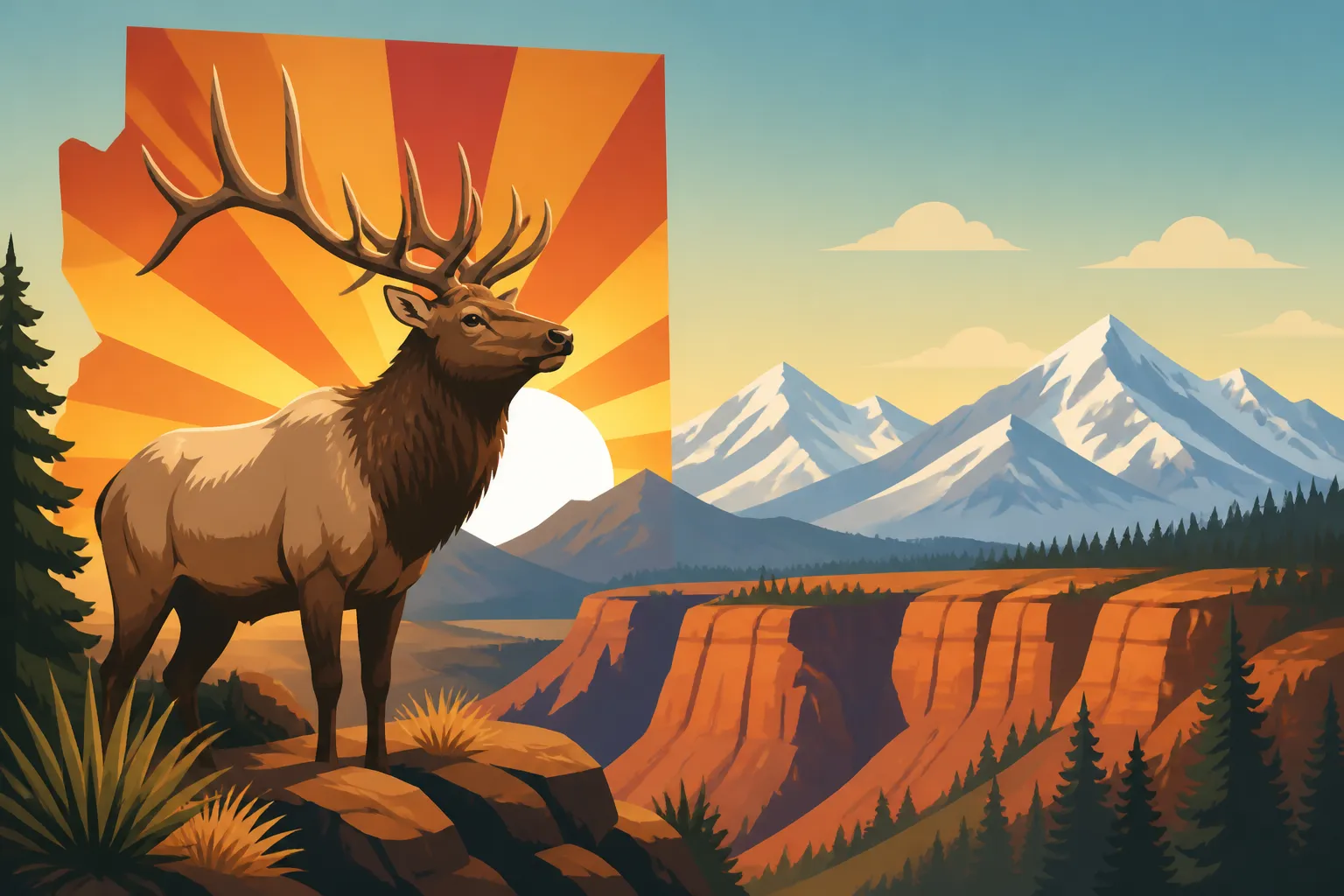
Arizona Elk on the Rim, White Mountains and Kaibab
Staring at the vast, rugged landscapes of Arizona, it's easy to feel a thrill, but also a healthy dose of intimidation. Arizona isn't just about cactus and desert heat; it's home to some of the most sought-after elk hunting in the West, drawing hunters from across the globe with its promise of big bulls and challenging adventures. But actually finding and hunting these majestic animals across such diverse terrain – from the dense Ponderosa pines of the Mogollon Rim to the high peaks of the White Mountains and the fabled Kaibab Plateau – can feel like an overwhelming puzzle. This comprehensive guide will break down the unique characteristics of Arizona's premier elk country, equipping you with the knowledge to understand where these elk live, how they behave, and how to prepare for a successful and ethical hunt in these iconic regions.
The Grandeur of Arizona Elk: An Overview
Arizona, often pictured as a land of scorching desert, actually harbors some of the most breathtaking and productive elk habitat in North America. The sheer diversity of its landscapes, ranging from arid grasslands to towering alpine forests, allows for a vibrant elk population that thrives under varied conditions. For any hunter, understanding this broader context is the first step toward appreciating what makes an Arizona elk tag so coveted.
Why Arizona is an Elk Hunter's Dream
The allure of Arizona elk hunting is multi-faceted. First and foremost, the state is known for producing genuinely massive bulls. The genetics are strong, and the management practices often allow bulls to reach older age classes, resulting in impressive antler growth. Beyond the trophy potential, the hunting experience itself is incredibly unique. You might be bugling through dark timber one day and glassing open parks for miles the next. The challenge of the terrain, the unpredictability of the weather, and the pure wildness of the landscape all contribute to an adventure that imprints itself on a hunter's memory. It’s not just about pulling a trigger; it’s about becoming intimately familiar with a truly wild place and its magnificent inhabitants. This dream, however, comes with its own set of hurdles, primarily concerning access to tags and the demanding nature of the hunt itself.
Understanding Arizona's Diverse Elk Habitat
Arizona's elk don't stick to one type of terrain; they are masters of adaptation. You'll find them predominantly in the central and northern parts of the state, particularly in elevations ranging from 5,000 to over 10,000 feet. These areas are characterized by vast expanses of Ponderosa pine forests, mixed conifer stands, aspen groves, oak brush, and high-desert grasslands. Water sources, whether natural springs, stock tanks, or man-made wildlife waters, are critical components of their habitat, especially during the drier months. Elk are constantly moving, driven by food availability, water, seasonal weather patterns, and hunting pressure. During the scorching Arizona summers, they seek the cooler, higher elevations and the security of dense timber. As fall approaches, and especially during the rut, they become more vocal and visible in transition areas. Then, as winter sets in, they may descend to lower elevations to escape heavy snow and find accessible forage. Understanding these broad patterns is fundamental to effective scouting and hunting.
The Mogollon Rim: A Heartbeat of Elk Country
When people talk about elk hunting in Arizona, the Mogollon Rim is often one of the first places that comes to mind. This massive geological feature, running diagonally across the central part of the state, creates a dramatic landscape of steep canyons, dense forests, and hidden pockets that are perfect for elk. It's a challenging, yet incredibly rewarding, region for any hunter.
Key Units and Distinctive Terrain
The Mogollon Rim encompasses a number of highly productive elk units, including areas like Unit 1, Unit 3C, Unit 4A, and sections of Unit 27, among others. These units are characterized by their rugged topography: steep, heavily timbered canyons that drop off the rim, interspersed with relatively flat mesa tops covered in dense Ponderosa pine and mixed conifer forests. Volcanic features, such as old lava flows and cinder cones, add to the complex terrain, creating incredibly thick bedding areas that can be nearly impenetrable. Access often involves navigating a network of forest roads, some well-maintained, others requiring high-clearance vehicles. The sheer scale of the landscape means that covering ground effectively requires a solid understanding of maps and a willingness to commit to long days on foot. This is not country for the faint of heart, but the rewards can be truly exceptional.
Successful Hunting Strategies for the Rim
Hunting the Mogollon Rim demands a versatile approach. Early archery seasons often find elk still grouped up, but wary, in their summer feeding and bedding patterns. During the cooler mornings and evenings, glassing steep canyon sides and open parks from vantage points can be productive. As the rut approaches in September, the woods come alive, and calling becomes a primary tactic. However, these bulls have heard it all, so patience and realistic setups are key. Learning the nuances of "Calling Bulls on Arizona's Mogollon Rim" can be a game-changer. Often, it's not about sounding like the biggest bull, but about sounding like a lonely cow or a satellite bull looking for action. Still-hunting through dense timber, especially during midday, can also pay off, as elk often bed in the thickest cover available. Look for fresh sign – tracks, rubs, and droppings – and move slowly, using the wind to your advantage. Water sources, particularly during drier periods, are also critical focal points. Elk need water daily, and a hidden spring or stock tank can be an ambush point, especially during the early morning or late evening hours.
The White Mountains: High-Elevation Elk Paradises
Further east, Arizona's White Mountains offer a distinct elk hunting experience, characterized by higher elevations, cooler temperatures, and a mix of expansive meadows and thick timber. This region provides a refreshing contrast to the Rim, with its own unique challenges and incredible opportunities.
Prime Areas and Unique Challenges
The White Mountains region includes units such as Unit 1, Unit 27, and Unit 2C, all renowned for their elk populations. Here, you'll find sprawling stands of Ponderosa pine, mixed with aspen groves that turn brilliant gold in the fall, and vast open meadows. Elevations routinely exceed 8,000 feet, often reaching over 10,000 feet in some areas. This higher altitude brings unique challenges: thinner air, which can test your physical limits, and more unpredictable weather, including early season snowfalls or sudden thunderstorms. While water can be plentiful in some areas due to higher rainfall, other areas can still be surprisingly dry, making water sources equally important. Access is generally good via a network of forest roads, but many areas require extensive hiking to reach the elk's preferred secluded spots. The sheer beauty of the aspens and high mountain vistas, however, makes every step a joy, even when the elk are proving elusive.
Adapting Your Hunt for Mountain Elk
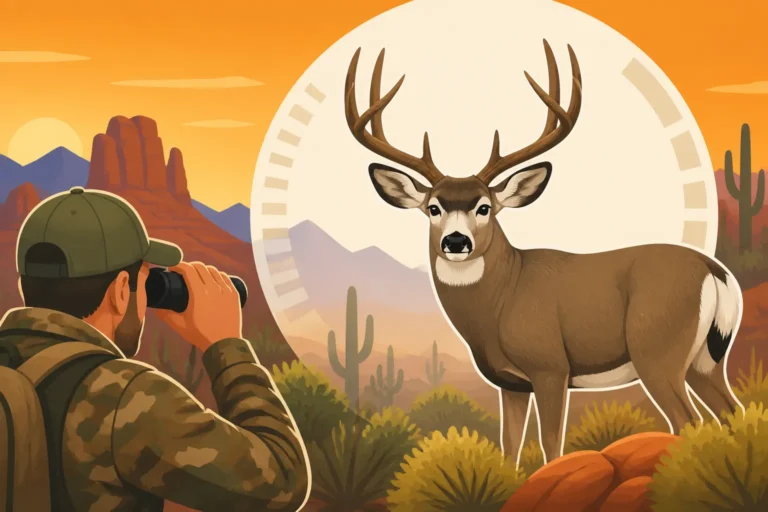
Hunting in the White Mountains often means adjusting your strategy to account for the higher elevations and varied terrain. Spot-and-stalk tactics work exceptionally well in the open meadows and parks, especially at first light and last light, when elk move to feed. Utilize your optics to systematically glass distant hillsides and timber edges. When moving into timber, still-hunting or slow-stalking through the Ponderosa and mixed conifer forests is effective, focusing on areas with fresh sign or known bedding cover. The "Bugle Timing Across the Mogollon Rim" principles apply here too; understanding when and how to call can be crucial, but be prepared for elk to travel vast distances in these big-country units. Physical conditioning is paramount when hunting at these altitudes. Even small hills can feel like mountains when you're carrying a pack at 9,000 feet. Prepare for extreme temperature swings; mornings can be frosty, while midday can be warm. Layering your clothing is essential. Being prepared for sudden weather changes, including rain, hail, or snow, is also critical for safety and comfort in this high-country environment.
The Legendary Kaibab Plateau: Trophy Elk Kingdom
North of the Grand Canyon lies the legendary Kaibab Plateau, a distinct and iconic elk hunting destination that commands respect and embodies the pinnacle of Arizona's big game opportunities. Drawing a Kaibab elk tag is often considered a once-in-a-lifetime achievement for many hunters.
Genetic Prowess and Limited Opportunity
The Kaibab Plateau, encompassing units like Unit 9 and Unit 12A, is celebrated for its exceptional elk genetics and the consistent production of truly gargantuan bulls. These elk have a reputation for massive antlers, with impressive mass and width, largely attributed to decades of robust habitat management and restricted hunting pressure. The habitat itself is primarily Ponderosa pine forest, interspersed with oak brush, aspen, and open parks. This specific combination, along with consistent forage, contributes to the unparalleled antler growth. However, this trophy potential comes with extremely limited opportunity. Tags are incredibly difficult to draw, often requiring decades of accumulated bonus points for residents and even longer for non-residents. This makes every Kaibab tag a precious commodity, transforming each hunt into a deeply anticipated event. Understanding "Kaibab Plateau Elk Genetics" helps illustrate why this area is so famous.
Mastering the Kaibab's Hunting Game
Hunting the Kaibab Plateau is a unique experience, demanding extensive preparation and a specific skillset. Given the density of the Ponderosa forests, much of the hunting involves still-hunting through thick timber, focusing on finding fresh tracks and sign. Glassing can be effective in larger burns or open parks, but often, it's a slow, deliberate hunt through the woods. Bulls frequently seek refuge in dense thickets and dark timber, only emerging into more open areas during low light. Navigating the Kaibab's terrain requires precision. While it might appear relatively flat on a map, the ground often rolls and dips, concealing elk until you are nearly on top of them. The sheer size of the Kaibab means covering vast amounts of ground. Utilizing tools like the GoHunt platform can help analyze previous harvest data and draw odds, providing insights into unit-specific strategies, even if the tags are exceptionally hard to come by. The Kaibab experience is often about patience, persistence, and a deep appreciation for the history and reputation of this trophy elk kingdom.
Essential Preparations for Your Arizona Elk Expedition
Successfully hunting elk in Arizona’s diverse and demanding landscapes requires more than just luck; it demands meticulous preparation. From your physical condition to the gear you pack, every detail contributes to your safety, comfort, and ultimate success in the field.
Physical Conditioning and Mental Grit
Let's be honest, hunting elk in Arizona is a workout. Whether you're navigating the steep canyons of the Mogollon Rim, ascending the high peaks of the White Mountains, or still-hunting through the thick timber of the Kaibab, you'll be covering serious ground, often at elevation. This isn't a stroll in the park. Therefore, a rigorous physical conditioning routine before your hunt is non-negotiable. Focus on cardiovascular endurance – hiking with a loaded pack, trail running, or stair climbing are excellent choices. Incorporate strength training, particularly for your legs and core, which will support you on uneven terrain. Don't forget flexibility and balance exercises to help prevent injuries. Beyond the physical, mental toughness is equally vital. There will be long days, missed opportunities, and moments of doubt. The ability to stay positive, persist through discomfort, and maintain focus is just as important as your physical strength. Read up on "Preparing Physically for a Desert Hunt" to understand the specific demands of the Arizona environment. Being able to push through fatigue and maintain a clear head will greatly increase your chances of success and safety.
The Right Gear Makes All the Difference
Packing the right gear can make or break an Arizona elk hunt. First and foremost, a high-quality layering system for your clothing is essential. Arizona weather can be notoriously unpredictable, with frosty mornings giving way to warm afternoons, and sudden rain or snow showers at higher elevations. Moisture-wicking base layers, insulating mid-layers, and a waterproof/windproof outer shell are crucial. Footwear is another critical consideration; invest in sturdy, broken-in hiking boots that offer excellent ankle support and traction on rocky and uneven terrain. You'll be putting miles on them, so comfort is key.
For optics, don't skimp. Quality binoculars (10x or 12x) are indispensable for glassing distant hillsides and timber edges. A good spotting scope (20-60x or 20-70x) with a sturdy tripod is vital for evaluating elk from long distances, especially in open country or across canyons. Understanding "Optics Power for Arizona's Long Desert Sightlines" will help you choose wisely. Navigation tools, such as a reliable GPS device, a detailed topographical map, and a compass, are non-negotiable. Modern mapping apps like onX Hunt or Basemap are incredibly valuable for showing property boundaries, roads, and topography, but always have a backup plan. A comfortable, well-fitting backpack capable of carrying water, food, extra layers, and potentially quarters of elk meat is also paramount. Don't forget a first-aid kit, headlamp, water filtration system, and emergency communication device like a satellite messenger. When dealing with early season heat, specific items to aid in "Heat Management on an Arizona Early Season Hunt" become critical, like a wide-brimmed hat, lightweight breathable clothing, and extra water capacity.
Navigating Arizona's Elk Draw: Strategy and Patience
Acquiring an Arizona elk tag is often the biggest hurdle for hunters, especially for non-residents or those dreaming of a coveted trophy unit. The state's draw system is complex, but understanding its mechanics is crucial for building a successful application strategy.
Understanding Bonus Points and Application Cycles
Arizona utilizes a bonus point system designed to reward loyal applicants. For most big game species, including elk, the state runs two draw cycles annually. The primary draw for elk and antelope occurs with a February deadline, while deer, sheep, and bison have a June deadline. This means if you're applying for elk, you need to mark that calendar for February! Each time you apply and are unsuccessful, you earn a bonus point. These points are species-specific, meaning elk points only help with elk draws. The more points you accumulate, the better your odds in the bonus point pass of the draw, where "How Arizona's Bonus Point Pass Awards the First Twenty Percent" of the tags are allocated. After this, a random draw allocates the remaining tags. It's a system that truly rewards long-term commitment. Non-residents face an additional challenge: a statutory cap limits them to a maximum of 10% of the available tags in any given hunt unit. This means non-resident odds are inherently tougher, especially for the top-tier units.
Decoding Draw Odds and Unit Selection
Understanding draw odds is paramount to formulating a smart application strategy. Arizona Game and Fish Department (AZGFD) publishes draw results and harvest statistics from previous years, which are invaluable resources. These reports will show you how many applicants applied for each unit and hunt number, how many tags were issued, and how many points it took to draw. Specialized tools, like those offered by GoHunt, can parse this data and present it in user-friendly formats, allowing you to filter by unit, weapon, season, and point level. This helps you identify units that might offer a higher chance of drawing with your current point total, or to gauge how many more years it might take to draw a dream tag like the Kaibab. Some hunters choose to apply for "opportunity" units, which have higher draw odds but might offer a lower chance at a true giant, simply to get a tag in hand. Others choose to apply for "trophy" units consistently, playing the long game with many bonus points. Your personal hunting goals and patience levels will dictate your approach. Regardless of your strategy, meticulously researching units, understanding the hunt codes, and monitoring draw trends are essential steps in this critical phase of planning your hunt. Keep in mind that "Arizona Runs Two Draw Cycles, February and June", so always double-check the deadlines for elk.
| Feature | Mogollon Rim | White Mountains | Kaibab Plateau |
|---|---|---|---|
| Elevation Range | 5,000 – 8,000 feet | 8,000 – 10,000+ feet | 6,000 – 9,000 feet |
| Dominant Habitat | Ponderosa Pine, Mixed Conifer, Oak Brush, Canyons | Ponderosa Pine, Aspen, Open Meadows, Mixed Conifer | Dense Ponderosa Pine, Oak Brush |
| Terrain Difficulty | Very rugged, steep canyons, dense timber | Challenging, high altitude, steep climbs, open parks | Varied, rolling terrain, thick timber |
| Elk Characteristics | Good genetics, consistent populations | Strong genetics, often larger herds | Exceptional genetics, huge trophy potential |
| Hunting Style | Calling, still-hunting timber, glassing canyons | Spot-and-stalk in meadows, still-hunting timber | Primarily still-hunting, tracking in timber |
| Draw Difficulty | Moderate to Difficult | Difficult to Very Difficult | Extremely Difficult (often decades of points) |
| Weather | Hot days, cool nights (early season); cold/snow (late) | Unpredictable, potential for early snow, cold/warm swings | Generally cooler, can have early snow |
| Physical Demands | High | Very High | High |
Ethical Practices and Responsible Stewardship
Hunting in Arizona, particularly for a magnificent animal like an elk, comes with a profound responsibility. Ethical conduct, respect for the land, and proper game care are not just rules; they are tenets that uphold the integrity of the hunting tradition and ensure the health of wildlife populations for generations to come.
Respecting the Land and Its Wildlife
Adhering to ethical hunting principles starts with respecting the land itself. This means practicing "Leave No Trace" principles: packing out everything you pack in, including all trash and spent casings. Avoid driving off designated roads, which can damage sensitive ecosystems and create erosion. Be acutely aware of land ownership boundaries, utilizing GPS mapping tools to ensure you are always on public land or have explicit permission to be on private property. A crucial aspect of Arizona hunting, especially in the arid desert, is understanding "Water Sources and Ethics in Arizona Desert Hunting". Water is life in the desert, and these vital resources are shared by all wildlife. Never contaminate water sources, and always be mindful of your presence around them, allowing animals unimpeded access. Respect other outdoor users, including hikers, campers, and other hunters. Your actions reflect on the entire hunting community, so always strive to be a responsible and respectful ambassador for the sport.
Crucial Game Care in the Field
After a successful harvest, the real work begins, and proper game care is paramount, especially in Arizona's often warm climate. The moment an animal is down, your priority shifts to quickly and efficiently field dressing it to begin the cooling process. This means removing all internal organs as soon as possible. In many Arizona units, particularly during early seasons, temperatures can still be quite high. This heat can quickly spoil meat if not handled correctly. Learning effective field dressing techniques and having the right tools (sharp knives, game bags) are essential. For elk, quartering the animal in the field is often necessary due to its size and the challenging terrain. Get the meat off the bone and into breathable game bags to allow for airflow and cooling. If you’re far from your vehicle or a cooler, having a plan for "Getting Meat Cooled on an Early Season Hunt" is vital. This might involve packing ice, finding shade, or even making multiple trips to pack out meat in stages. Never waste game meat; it is a precious resource that deserves your utmost care and respect. Timely and meticulous game care ensures the meat is delicious and honors the animal you've harvested. Detailed information on "Field Dressing in Desert Heat" can provide practical tips for these challenging conditions.
Leveraging Modern Tools for Elk Hunting Success
In today's hunting landscape, technology has become an indispensable ally. From pre-season scouting to real-time navigation in the field, modern tools can significantly enhance your effectiveness and safety, turning complex information into actionable strategies.
The Power of E-Scouting and Mapping
E-scouting has revolutionized the way many hunters approach their preparation. Before you even set foot in Arizona, you can spend countless hours virtually exploring your hunt unit. Platforms like onX Hunt, Basemap, or Google Earth provide satellite imagery, topographical maps, public and private land boundaries, and even road networks. This allows you to identify potential bedding areas, feeding zones, water sources, and travel corridors from the comfort of your home. You can mark waypoints for glassing points, potential campsites, and areas of interest. Understanding how to use these layers effectively for "E-Scouting an Arizona Unit Before the Season" can save you valuable time and physical effort during the actual hunt. For example, by identifying remote water sources in a less accessible part of a unit, you might discover areas that hold elk away from hunting pressure. Overlaying historic burn areas or timber cuts can also reveal renewed forage areas that attract elk. Many hunters also leverage these tools to study access points and plan their routes into specific hunting areas, ensuring they understand the terrain before they ever arrive. The GoHunt platform, specifically, takes this a step further by integrating application data and unit statistics, helping you identify high-potential areas based on historical success rates and elk densities, adding another layer of informed decision-making to your e-scouting efforts.
Community Knowledge and Resource Sharing
While e-scouting and personal experience are crucial, the collective knowledge of the hunting community and official resources can provide invaluable insights. Online forums, social media groups dedicated to Arizona hunting, and even local sports shops are excellent places to gather information. Hunters often share general observations about elk behavior, weather patterns, or road conditions. While it's always wise to take forum advice with a grain of salt, these communities can be great for asking questions, learning from others' experiences, and connecting with fellow enthusiasts.
Beyond community discussions, the Arizona Game and Fish Department (AZGFD) website is a treasure trove of official resources. Here you'll find current regulations, draw results, harvest statistics, and often, unit-specific reports. These reports can include population estimates, fawn-to-doe ratios, and habitat condition assessments, all of which can inform your scouting and hunting strategy. Combining your personal e-scouting with verified information from AZGFD and insights from experienced hunters creates a comprehensive approach. Just remember to always verify information and use your own judgment, as conditions can change rapidly in the Arizona wilderness. Building this diverse knowledge base is an ongoing process that will continually refine your understanding of Arizona's majestic elk and the incredible landscapes they call home.
Disclaimer
This guide is intended for informational purposes only and does not constitute legal advice. Hunting regulations and seasons in Arizona are subject to change. It is the responsibility of every hunter to consult the most current Arizona Game and Fish Department regulations and obtain all necessary licenses and tags before engaging in any hunting activities. Always prioritize safety and ethical hunting practices.