Arizona Mountain Lion Harvest Limits by Unit
Hunting mountain lions in Arizona is a pursuit shrouded in mystique and incredible challenge, demanding not just skill and perseverance, but also a deep understanding of the unique management system designed to protect these elusive predators. It's a real frustration for many hunters that the rules aren't static; limits can change in an instant, making it critical to stay informed. This guide will help you navigate the unit-specific harvest limits for mountain lions in Arizona, ensuring you're prepared for a responsible and successful hunt.
Understanding Arizona's Mountain Lion Management Philosophy
Arizona's approach to managing mountain lions is as dynamic as the cats themselves, often adapting to changing conditions rather than adhering to rigid, year-long seasons. This flexibility is key to maintaining healthy populations while also addressing various ecological and social factors.
The Elusive Nature of Mountain Lions and Why Management Matters
Mountain lions, often called cougars or pumas, are apex predators, meaning they sit at the top of the food chain in their respective habitats. Their presence is a sign of a healthy ecosystem, as they play a crucial role in regulating prey populations like deer and elk. However, their solitary and secretive nature makes them incredibly difficult to census accurately. You rarely just stumble upon a mountain lion track, let alone the cat itself, without significant effort and often specialized methods. This elusiveness means that traditional season structures, like those for deer or elk, aren't always suitable. Instead, Arizona Game and Fish Department (AZGFD) employs a system that aims to manage harvest in near real-time, responding quickly to ensure sustainable populations. Without careful, adaptive management, localized overharvesting could impact prey dynamics and the long-term health of these magnificent animals. Arizona Manages Mountain Lion With Harvest Limits is a core principle here.
How Arizona Game and Fish Sets Dynamic Harvest Guidelines
Unlike many other big game species with fixed harvest quotas, Arizona implements a system of unit-specific harvest limits for mountain lions that are continuously monitored. These aren't simply "x number of lions per unit per year" that you can count on. Instead, AZGFD utilizes an adaptive management approach, setting general guidelines for the overall state and then adjusting unit-specific quotas throughout the year based on various factors. These factors can include previous harvest data, observed population trends, reports of human-wildlife conflicts, and even environmental conditions like drought that might impact prey availability. The goal is to allow opportunity for hunters while ensuring that populations remain robust. This flexible system means that a unit can open and close multiple times within a hunting year, sometimes with very little notice, demanding constant vigilance from hunters. It's truly a test of how committed you are to staying updated.
Decoding Unit-Specific Harvest Limits and Closures
The cornerstone of Arizona's mountain lion hunting lies in understanding and diligently tracking these unit-specific harvest limits. Failing to do so can lead to legal issues and undermine conservation efforts.
Factors Influencing Unit Quotas Across Arizona's Diverse Terrain
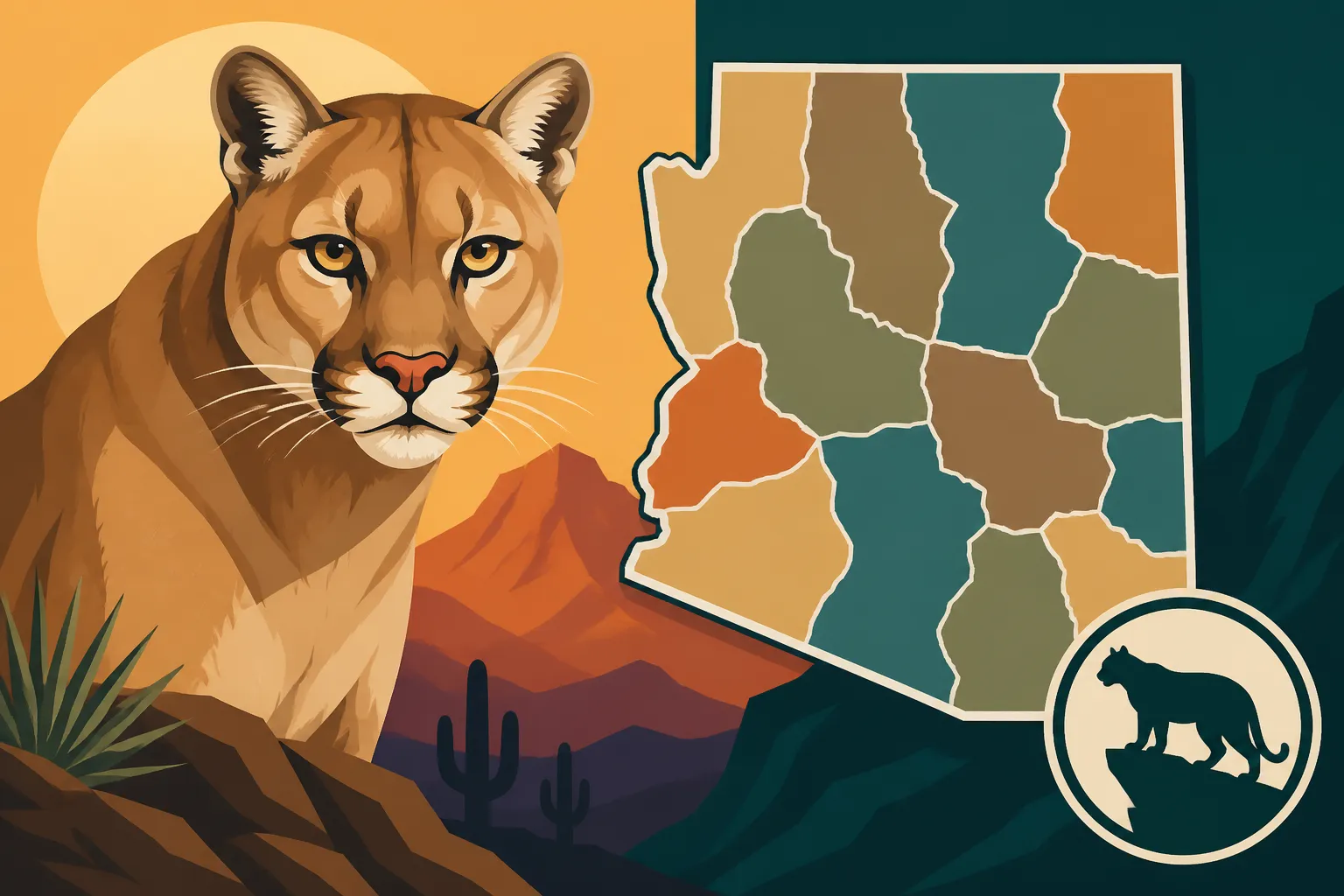
Mountain lion harvest limits are not uniform across Arizona; they vary significantly from one Game Management Unit (GMU) to another. This is because Arizona's landscape is incredibly diverse, ranging from vast, arid deserts to high-elevation pine forests and isolated sky island mountain ranges. A unit with dense elk and deer populations in the Mogollon Rim country might sustain a higher lion population and thus a higher harvest limit than a sparse desert unit with limited prey availability. AZGFD considers several key factors when setting these quotas:
- Prey Base: Units with abundant prey species, particularly deer and elk, tend to support higher mountain lion densities and therefore might have higher harvest limits.
- Habitat Quality: Rugged, mountainous terrain with ample cover offers ideal lion habitat, often leading to more liberal limits compared to open, less suitable areas.
- Historical Harvest Data: Past harvest numbers provide crucial insights into how many lions a unit has historically produced without impacting the population.
- Human-Wildlife Conflict: In areas where lions might pose a risk to livestock or human safety, limits might be adjusted to mitigate conflicts.
- Research and Survey Data: While difficult to obtain, any available data on lion populations through studies, scat surveys, or remote cameras can inform decisions.
This complex interplay of factors means that the limits for a unit like Unit 23 (part of the Mogollon Rim) could look very different from a more desert-centric unit in the southern part of the state.
Real-Time Monitoring and the Importance of Checking Unit Status
Given the dynamic nature of mountain lion harvest limits, it is absolutely paramount for hunters to continuously monitor the status of their chosen unit. These units can close at any time, sometimes with only a few hours' notice, once the harvest limit for that specific unit has been met. Heading into the field without checking the most current information is a recipe for disaster and potential legal trouble.
Arizona Game and Fish provides several ways to stay informed:
- AZGFD Website: The official Arizona Game and Fish Department website is the primary source for real-time harvest limit updates and unit closures. They typically have a dedicated page or section for mountain lion regulations that is updated constantly. This is your first and most reliable stop.
- AZGFD Hunt Regulations: While the printed regulations provide the initial framework, always remember that the digital updates supersede any static publication due to the dynamic nature of these hunts.
- Third-Party Platforms: Tools like GoHunt offer applications and alert systems that can help hunters track unit closures and current harvest numbers, often pulling data directly from AZGFD. Many hunters find these services invaluable for receiving immediate notifications when a unit's status changes.
- Phone Hotlines: AZGFD often provides a dedicated phone number for hunters to call and check the current status of units, especially during peak hunting times.
Always check before you leave for your hunt, and if possible, check daily while you are in the field using a satellite communicator or cell service if available. The responsibility to know if a unit is open rests entirely with the hunter. For more details on the season framework, you might find Arizona Mountain Lion Season and Closures helpful.
Here’s a hypothetical example of what a unit status table might look like, illustrative only, as actual numbers change constantly:
| Game Management Unit | Primary Habitat Type | Illustrative Harvest Limit (Adult Lions) | Current Status (Hypothetical) | Notes |
|---|---|---|---|---|
| Unit 23 | Mogollon Rim, Ponderosa | 5 | Open (3/5) | High deer/elk populations, popular for hound hunting. Harvest often fills quickly. |
| Unit 21 | Sky Island, Oak Brush | 3 | Open (1/3) | Coues deer country, challenging terrain. |
| Unit 33 | Desert Foothills, Mountains | 2 | Closed (2/2) | Limited population, closes fast. Check for reopening after monitoring. |
| Unit 10 | Kaibab Plateau, Juniper | 4 | Open (0/4) | Good elk country, but remote. |
| Unit 36B | Sonoran Desert, Washes | 1 | Open (0/1) | Sparse, very challenging to locate. |
Remember: This table is for illustrative purposes only. Actual harvest limits and unit statuses are dynamic and must be verified with the Arizona Game and Fish Department before hunting.
The Hunter's Role in Respecting Mountain Lion Regulations
Hunting mountain lions in Arizona isn't just about finding tracks or calling in a cat; it's about adhering to a strict set of rules that emphasize responsible harvest and data collection. Your actions as a hunter directly contribute to the management process.
Immediate Reporting: Your Critical Responsibility After a Harvest
This cannot be stressed enough: immediate reporting of a harvested mountain lion is an absolute, non-negotiable requirement. The moment you take a lion, you are responsible for notifying AZGFD. This isn't just a suggestion; it's a legal obligation and a fundamental piece of Arizona's adaptive management strategy. Typically, you must call a designated AZGFD phone number within a very short timeframe (e.g., 24-48 hours, always check current regulations for exact timing) to report your harvest. This call provides game and fish officials with crucial data: the unit, the date and time of kill, and often other details like the sex of the animal. This real-time reporting is what allows them to update unit statuses and issue closure notices. Without this immediate data, the entire system breaks down, and units could inadvertently be over-harvested. After the initial report, you'll also be required to present the skull and hide to an AZGFD official for inspection and sealing within a specific timeframe. This allows biologists to collect biological data, verify species and sex, and ensure compliance. Missing these steps can lead to severe penalties. For a more detailed look, check out Mountain Lion Reporting Requirements in Arizona.
Navigating Unit Closures: What to Do When the Season Stops
When a unit reaches its harvest limit, AZGFD will issue a closure notice. This means hunting for mountain lions in that specific unit is immediately suspended. If you are in the field, you must cease hunting for lions in that unit, effective immediately upon closure notification. This is why having multiple ways to check for updates (phone, internet, satellite communicator) is so vital. Imagine driving for hours, hiking into rugged country, only to find out your unit closed an hour before you got there. It's frustrating, but it happens.
What should you do if your unit closes?
- Stop Hunting: The first and most important step is to immediately stop pursuing mountain lions in that unit.
- Check Other Units: If you have done your homework, you might have alternative units in mind. Use your digital tools or phone to check the status of other nearby units that might still be open.
- Adjust Your Plan: This might mean shifting your hunt to a different unit, or perhaps pivoting to hunt other species if available and legal. Sometimes, a unit might reopen later in the season if biologists determine the population can sustain more harvest, but don't count on it. Always consult the official AZGFD regulations for specific rules on closures and re-openings.
Specific Rules for Hunting Lions with Hounds
A significant portion of mountain lion hunting in Arizona is conducted with the aid of trained hounds. This method is highly effective for locating and treeing these elusive cats in the rugged terrain they call home. However, using hounds comes with its own set of strict regulations that hunters must understand and follow. These rules are in place to ensure ethical hunting practices and to manage harvest effectively.
Key considerations for hound hunting include:
- Licensing and Permits: Both the hunter and often the houndsman (if different) must possess valid hunting licenses and tags.
- Dog Training Regulations: There are specific rules regarding the training of hounds on mountain lions outside of the hunting season, including restrictions on pursuit-only activities without the intent to harvest.
- Number of Hounds: Regulations often specify the maximum number of hounds that can be used to pursue a single mountain lion.
- Pursuit and Harvest: Once a lion is treed, there are ethical considerations and rules regarding the take of the animal, ensuring a clean and humane harvest.
- Reporting: All the immediate reporting rules mentioned above still apply when hunting with hounds.
Understanding these detailed regulations is crucial for anyone considering a hound hunt. Violations can lead to severe penalties, including fines and loss of hunting privileges. Many of the most successful lion hunters are dedicated houndsmen who have spent years perfecting their craft and meticulously adhering to every regulation. For more on this, you can explore topics like Hound Rules for Mountain Lion Hunting and Hunting Lions Behind a Pack of Hounds.
Strategic Planning for a Successful and Ethical Mountain Lion Hunt
Success in mountain lion hunting often comes down to meticulous preparation and a deep understanding of the animal and its habitat, all while respecting the ever-changing regulatory landscape.
Pre-Hunt Research and Utilizing Modern Scouting Tools
Before you even think about putting boots on the ground, extensive pre-hunt research is non-negotiable for mountain lion hunting. Unlike deer or elk, where you might scout for specific feeding areas or migration routes, lion hunting is largely about finding fresh sign, primarily tracks, and understanding where the cats frequent.
Here's how to approach it:
- Unit Selection: Start by identifying units with good lion populations and accessible terrain. Review past harvest data (available on the AZGFD website) to see which units consistently produce. Remember to also check public land percentages. Reading an Arizona Unit Boundary Before You Apply can be a lifesaver.
- Digital Mapping: Utilize powerful mapping applications like GoHunt's platform, which overlays public and private land boundaries, topographical maps, and satellite imagery. Look for rugged, broken country, steep canyons, and areas with dense cover—these are prime lion hideouts. Identify potential access points, old logging roads, or wash systems that might allow you to cover ground and find tracks. E-Scouting an Arizona Unit Before the Season is incredibly valuable for this.
- Prey Concentration: Mountain lions follow their food. Research where deer, elk, and javelina populations are strong within your chosen unit. Focus your scouting efforts on areas where these prey species are known to frequent, especially during the time of year you plan to hunt.
- Water Sources: Even lions need water, especially in arid Arizona. Identify natural springs, tanks, and other water sources that might draw both lions and their prey.
This groundwork, done from the comfort of your home, will save you countless hours in the field and dramatically increase your chances of finding fresh sign once you are out there.
Understanding Mountain Lion Ecology and Habitat Preferences
To effectively hunt mountain lions, you need to think like one. These animals are masters of stealth and efficiency, perfectly adapted to their rugged environments. Their habitat preferences are strongly tied to their hunting strategy and survival needs.
- Terrain: Mountain lions thrive in rough, broken country—steep canyons, rocky outcrops, dense oak brush, and thick juniper forests. This type of terrain provides excellent cover for ambushing prey, escape routes from perceived threats, and secluded denning sites. Flat, open plains are generally avoided.
- Cover: Dense vegetation is crucial for lions. They utilize thickets, brushy draws, and forest edges to stalk prey unseen. When bedded, they prefer areas with overhead cover and a good vantage point.
- Elevation: While lions can be found from low desert elevations up into the high mountains, their density often correlates with prey availability across these elevation bands. In Arizona's "sky islands" of the south, they patrol the mid-elevations where deer are common, while in the Rim country, they follow elk and mule deer through the pine and juniper forests.
- Solitary Nature: Mountain lions are largely solitary animals, with adults typically only coming together for breeding. This means you're generally looking for a single cat, not a herd. Understanding this behavior helps in predicting their movements and territorial habits. They rely heavily on scent marking to communicate their presence to other lions.
By internalizing these ecological insights, you can better interpret sign, predict travel corridors, and select scouting locations that are most likely to yield results.
The Role of Information Sharing (and Caution)
In the close-knit hunting community, especially for specialized pursuits like mountain lion hunting, information sharing can be a powerful tool. Hunters often exchange notes on recent sightings, tracks, or even unit closure predictions. Online forums, social media groups, and local hunting clubs can be sources of valuable, real-time intelligence.
However, it's crucial to approach this information with a healthy dose of caution:
- Verify Everything: Never rely solely on anecdotal reports. Always cross-reference any information with official AZGFD sources, especially regarding unit closures or specific regulations. What one person thinks is allowed might be entirely incorrect.
- Timing is Everything: A report of fresh tracks from last week might be old news today, especially with how quickly lions can cover ground. Focus on the most current information.
- Protect Your Spots: While sharing general information is helpful, be judicious about revealing your specific scouting locations or successful hunting spots. The desert is big, but good lion country can feel small.
- Ethical Considerations: Ensure any information shared or received adheres to ethical hunting practices and does not violate any regulations, such as attempting to use another's success to unfairly gain an advantage outside legal means.
Platforms like GoHunt can offer data-driven insights, but always remember that human intelligence and personal experience, backed by official information, remain your strongest assets in the challenging yet rewarding pursuit of an Arizona mountain lion.
Disclaimer
This article is for general informational purposes only and does not constitute professional advice. Laws, prices and regulations vary by location and change over time. Consult a qualified professional for guidance on your specific situation.