Buying an Arizona Nonpermit Archery Tag Online
It’s a common frustration among hunters, especially those new to Arizona or simply seeking a more accessible hunting opportunity: navigating complex draw systems and waiting years for a tag. But here’s some good news – Arizona offers a fantastic over-the-counter (OTC) archery deer tag that bypasses the draw entirely, and you can buy it conveniently online. This guide will walk you through everything you need to know about purchasing and utilizing this unique opportunity, from understanding the tag's specifics to maximizing your chances in the field.
Understanding the Arizona Over-the-Counter Archery Deer Tag
The Arizona over-the-counter archery deer tag is a true gem for many hunters. Unlike the highly competitive draw tags for rifle or even some archery hunts, this particular tag is available for purchase directly from the Arizona Game and Fish Department (AZGFD) portal. This means no waiting for draw results, no accumulating bonus points, and no worrying about the odds. If you have an Arizona hunting license, you can generally buy this tag, provided you meet all other state requirements. It's a fantastic option for those who want to experience Arizona’s diverse deer hunting without the long lead times often associated with Western big game.
What "Non-Permit" Really Means for Hunters
When we talk about a "non-permit" or "over-the-counter" tag, it signifies that the Arizona Game and Fish Department has determined that the population of a particular game animal can sustain harvest without the need for a strict lottery system to control hunter numbers. For archery deer, this typically applies to specific seasons where the method of take (archery) and the time of year naturally limit hunter success rates, thus managing the population effectively. It's a system designed to offer consistent hunting opportunities while still ensuring healthy game populations. This stands in stark contrast to the highly regulated permit-only draws for species like elk or bighorn sheep, where every single tag is allocated through a lottery. This accessibility is precisely what makes the Arizona OTC archery deer tag so appealing, particularly for non-residents who face additional hurdles like the Arizona Caps Nonresidents at Ten Percent of Every Hunt rule in the draw.
Species and Seasons Covered by This Accessible Tag
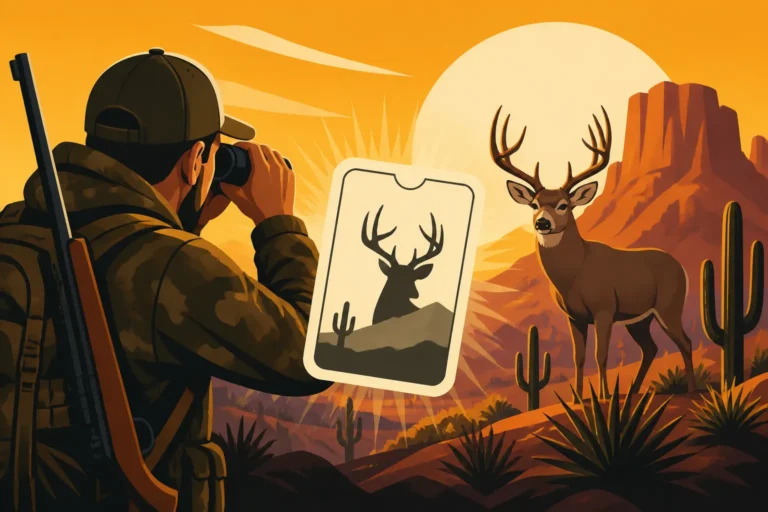
The Arizona OTC archery deer tag allows you to hunt both Coues deer and mule deer within open units during the designated archery seasons. This flexibility is a huge bonus, as it means you can pursue two distinct and challenging deer species with a single tag. Coues deer, often called the "gray ghost" of the desert, are smaller, incredibly wary whitetails found primarily in the southern Arizona sky islands and mountain ranges. Mule deer, on the other hand, are larger, found across much of the state, particularly in the northern plateaus and more open desert country.
The archery seasons themselves are split into two distinct periods: an early fall hunt, typically running from late August through mid-September, and a late winter hunt, usually from mid-December through January. Each period offers a completely different hunting experience. The early season is often scorching hot, requiring hunters to focus on water sources, while the late season can be brutally cold in the high country but coincides with the tail end of the rut for some deer. Understanding these season structures and how they impact deer behavior is crucial. For a deeper dive into the specifics, check out our detailed guide on Arizona's Over-the-Counter Archery Deer Tag Explained.
Step-by-Step Guide to Purchasing Your Arizona OTC Archery Deer Tag Online
The beauty of the Arizona OTC archery deer tag is its online accessibility. You don’t need to stand in line or fill out complicated paper applications. Everything can be done from the comfort of your home, provided you have an internet connection and a valid Arizona hunting license. This streamlined process is a major convenience, especially for out-of-state hunters planning their trips.
Setting Up Your AZGFD Portal Account
Before you can purchase any tags or licenses online, you'll need an active account with the Arizona Game and Fish Department's online portal. If you’ve applied for a draw in the past, you likely already have one. If not, setting one up is straightforward. You’ll need to provide personal information like your name, address, date of birth, and some form of identification. This portal acts as your central hub for all things Arizona hunting and fishing, managing your licenses, permits, draw applications, and bonus points. It’s critical to ensure all your information is accurate, as any discrepancies could cause issues down the line with your purchases or even when validating a harvest. For a comprehensive walkthrough of this initial setup, refer to Setting Up an Arizona Portal Account.
Purchasing Your Required Arizona Hunting License
It's absolutely crucial to remember that the OTC archery deer tag is an add-on to a general hunting license, not a standalone product. You must purchase an annual Arizona hunting license before you can buy any tags. This license serves as your basic authorization to hunt game in Arizona. Non-residents, in particular, should factor the cost of this license into their budget. Once you're logged into your AZGFD portal account, navigate to the "Licenses and Products" section. Select the appropriate hunting license (resident or non-resident, youth or adult) and add it to your cart. Complete the purchase process for the license first. Think of it like a driver's license – you need that foundational document before you can get a special endorsement to drive a motorcycle or operate commercial vehicles.
Locating and Adding the OTC Archery Deer Tag to Your Cart
With your hunting license secured, you can now proceed to purchase the OTC archery deer tag. Within the AZGFD portal, you’ll want to navigate back to the "Licenses and Products" or "Tags" section. Look specifically for "Deer" and then for "Archery Deer Over-the-Counter" or a similar phrasing. The AZGFD website is generally user-friendly, but sometimes exact terminology can be a bit tricky. If you're having trouble, a quick search on their site or using the navigation menus will usually get you there. Select the OTC archery deer tag and add it to your cart. Double-check that you've selected the correct tag before proceeding. Some hunters find external resources like GoHunt incredibly helpful for navigating state regulations and understanding exactly which products to look for, even for OTC options.
Completing the Transaction and Confirmation
Once both your hunting license and the OTC archery deer tag are in your cart, proceed to checkout. You'll enter your payment information (credit card is standard) and review your order. It's always a good idea to take a moment here to confirm all details, especially the type of license and tag you're buying, as mistakes can be a hassle to correct. After successful payment, you'll receive a confirmation email. This email often contains a link to print your license and tag immediately. While Arizona generally allows you to carry digital proof of your license, it’s highly recommended to print a physical copy of both your hunting license and your deer tag. This physical copy is what you’ll need to physically attach to a harvested animal as soon as it's down. For a visual guide on the entire portal navigation, you might find A Walkthrough of the Arizona Hunt Portal beneficial.
Key Considerations and Regulations for Your OTC Archery Deer Hunt
Acquiring your tag online is just the first step. To ensure a legal and ethical hunt, you need a solid understanding of Arizona's specific regulations and best practices for OTC archery deer hunting. While these tags are easily purchased, the hunt itself demands significant preparation and adherence to rules.
Understanding Season Dates, Units, and Legal Weapon Requirements
Arizona’s OTC archery deer seasons are specific and must be meticulously followed. They are typically split into a late summer/early fall period and a late fall/winter period. You need to know the exact start and end dates for the specific units you plan to hunt, as these can vary slightly. The state's game management units (GMUs) define legal hunting areas, and while many units are open for OTC archery deer, it's always wise to confirm. You can find these details in the official Arizona hunting regulations.
Crucially, this is an archery-only hunt. This means you can only use a legal bow or crossbow. Arizona has specific regulations regarding bow draw weight, minimum crossbow draw weight, and minimum broadhead width. For vertical bows, Arizona's 30-Pound Minimum for Vertical Bows is a key regulation, while crossbow hunters must adhere to The 125-Pound Crossbow Draw Weight Arizona Requires and ensure their broadheads meet the Why Arizona Requires Broadheads Wider Than 7/8 Inch standard. Mechanical broadheads are generally legal in Arizona, provided they meet the minimum width when deployed.
| Season Period | Typical Dates (Approximate) | Permitted Species | Key Conditions |
|---|---|---|---|
| Early Archery | Late August – Mid September | Coues & Mule Deer | High heat, focus on water, deer less pressured |
| Late Archery | Mid December – Late January | Coues & Mule Deer | Colder temps, potential snow, rut influence |
Always consult the current year's Arizona Game and Fish Department regulations for exact dates and unit-specific rules.
Navigating Public and State Trust Land Access
Arizona offers vast tracts of public land, including Bureau of Land Management (BLM) and National Forest lands, which are generally open to hunting. However, a significant portion of the state is also made up of Arizona State Trust Land. Many hunters are often confused about whether they need a separate permit for this. Good news: your valid Arizona hunting license generally serves as your permit for recreational use, including hunting, on State Trust Land. This is a huge benefit for hunters. However, it’s vital to be aware of any private land inholdings or leases, as access might be restricted or require permission. Tools like GoHunt maps or OnX Hunt are invaluable for understanding land ownership boundaries and ensuring you’re hunting legally. For more information, refer to Arizona State Trust Land Needs a Permit, and Your License Counts.
Ethical Considerations and Post-Harvest Requirements
As with any hunt, ethical conduct is paramount. This includes responsible shot placement, diligent tracking of wounded animals, and proper field dressing. Arizona has "evidence of sex" requirements for harvested deer, meaning you must leave certain parts attached to the carcass until it's processed, which helps game wardens verify the sex of the animal. You're also required to physically tag your downed animal immediately after harvest using the tag portion of your purchased permit. In Arizona's often warm climate, especially during the early archery season, quick field dressing and cooling of the meat are essential to prevent spoilage. Mandatory harvest reporting might also be in effect, so be prepared to report your success (or lack thereof) to AZGFD. Detailed information on all these aspects is found within Reading the Arizona Hunt Regulations Booklet, a document you should thoroughly review before heading afield.
Maximizing Your Success with an Arizona OTC Archery Deer Tag
The ease of acquiring an OTC archery deer tag doesn't translate to an easy hunt. Arizona deer, especially Coues deer, are notoriously challenging. Success often hinges on preparation, patience, and a deep understanding of the environment.
The Art of Glassing in Arizona's Diverse Terrain
Whether you're after Coues deer in the "sky islands" of Southern Arizona or mule deer in the more open, rolling country, glassing is your absolute best friend. Unlike hunting in dense forests, Arizona's vast landscapes demand high-quality optics and the discipline to sit still and scan for hours. For Coues deer, this means meticulously picking apart brushy hillsides and canyon systems. A good spotting scope and a solid pair of binoculars on a tripod are indispensable. Many seasoned hunters will tell you that Why Arizona Coues Hunting Is a Glassing Game is not just a saying, it's the truth. Learning to read the terrain, understand thermals, and identify subtle deer movements in seemingly empty country will significantly boost your odds. You can learn more about this technique in Glassing Arizona's Sky Islands for Coues Deer.
Strategic Approaches to Early and Late Archery Seasons
The two distinct seasons for OTC archery deer present different opportunities and challenges. The early season (late August/early September) is often characterized by extreme heat, especially in the low desert. Deer will be highly concentrated around reliable water sources like stock tanks and natural springs. This can present unique ambush opportunities, but it also means dealing with hot weather and potentially active rattlesnakes. Staying hydrated and managing your body temperature is critical. On the other hand, the late season (mid-December/late January) often brings colder temperatures, especially at higher elevations. This period can coincide with portions of the deer rut, leading to increased deer movement and potentially more aggressive buck behavior. Snow can also be a factor, which can aid in tracking and spotting animals against a white backdrop but also makes access challenging. Understanding When Arizona OTC Archery Deer Season Opens and closes, along with typical weather patterns, is key to planning.
Patience, Persistence, and Physical Preparedness
Hunting Arizona's OTC archery deer is a marathon, not a sprint. You might glass for days without seeing a shooter buck, or put in miles stalking only to be busted by a wary doe. The "gray ghost" nickname for Coues deer is well-earned. Success stories often involve hunters who are incredibly patient, willing to put in long hours behind the glass, and persistent in their pursuit. Beyond patience, physical conditioning is non-negotiable. Arizona's terrain can be rugged, steep, and unforgiving, especially when carrying a heavy pack in the heat or navigating snow-covered slopes. Training beforehand will make your hunt safer and more enjoyable. Lastly, utilizing resources like GoHunt for e-scouting, accessing public land layers, and understanding unit characteristics can give you a significant edge in planning your hunt and maximizing your time in the field. For more insights on the actual hunting strategy, refer to How to Hunt Arizona's Five-Month OTC Archery Deer Season.
Disclaimer
The information provided in this guide is for general informational purposes only and is not intended to be legal advice. Hunting regulations in Arizona are subject to change, and it is the hunter's sole responsibility to consult the official Arizona Game and Fish Department regulations booklet for the current year before participating in any hunting activities. Always prioritize safety, ethical hunting practices, and compliance with all local, state, and federal laws.