Tracking Javelina Through Thick Cover
Tracking javelina through dense Arizona cover requires understanding desert habitats, herd dynamics, and scent marking behaviors.
Close the distance.
Archery, muzzleloader, and firearm techniques — calling, stand placement, still-hunting, spot-and-stalk, and the weapon rules that change at the state line.
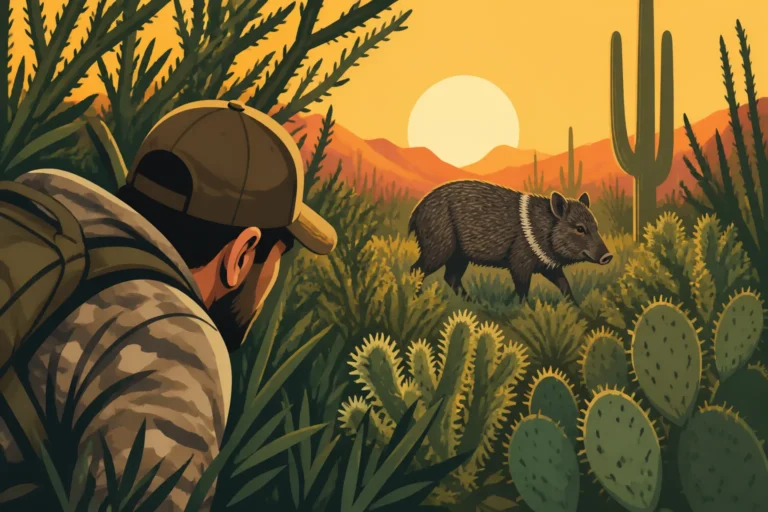
Tracking javelina through dense Arizona cover requires understanding desert habitats, herd dynamics, and scent marking behaviors.
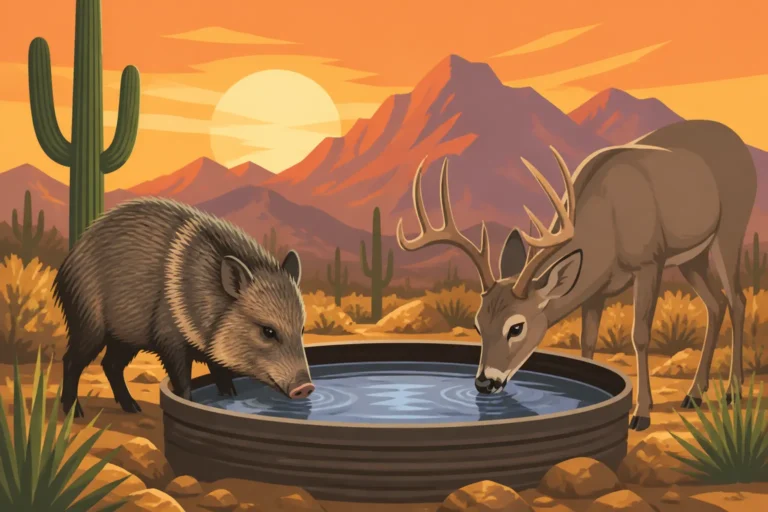
Hunting over water sources for javelina and deer in Arizona, where scarce water shrinks home ranges and makes animal movement easier to predict in desert heat.
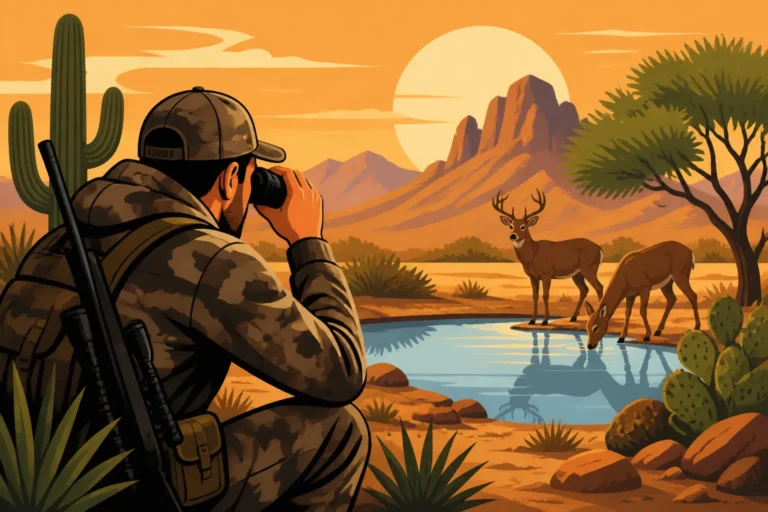
Arizona game movements and hunting survival strategies depend on locating scarce desert water sources during dry periods.
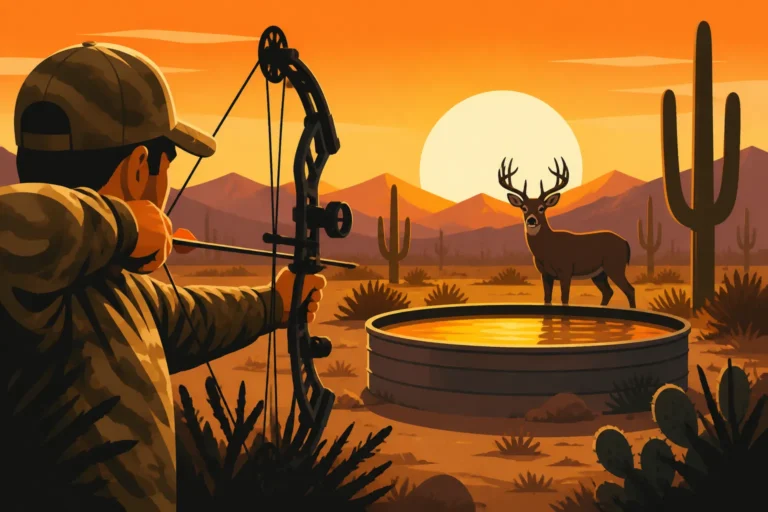
Arizona early archery stock tank strategies explain how desert animal behavior, water scarcity, and scouting improve hunting success.
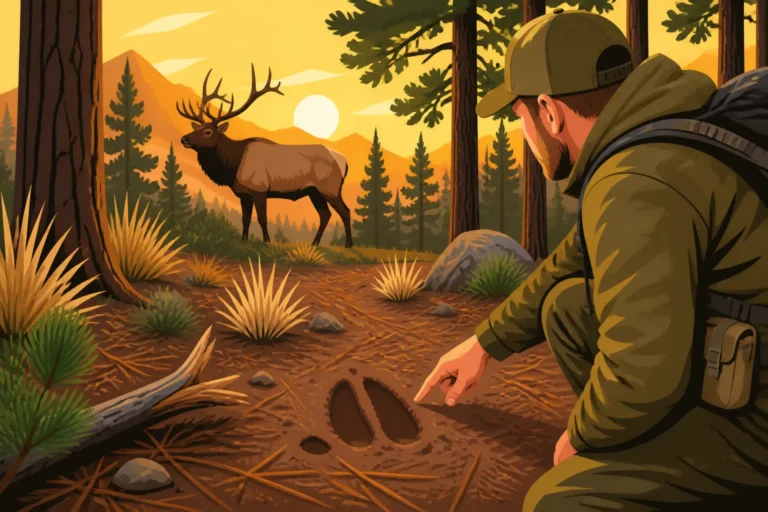
Arizona ponderosa elk tracking methods explain how to read fresh tracks, trails, and droppings on pine needle forest floors.
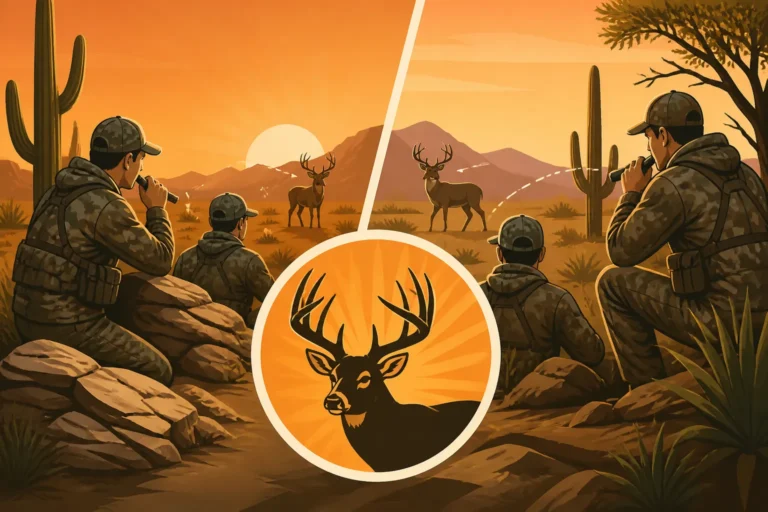
Two-hunter calling setups in Arizona, where two callers create dual-source sound and directional deception to draw in wary big game that hang up out of range.
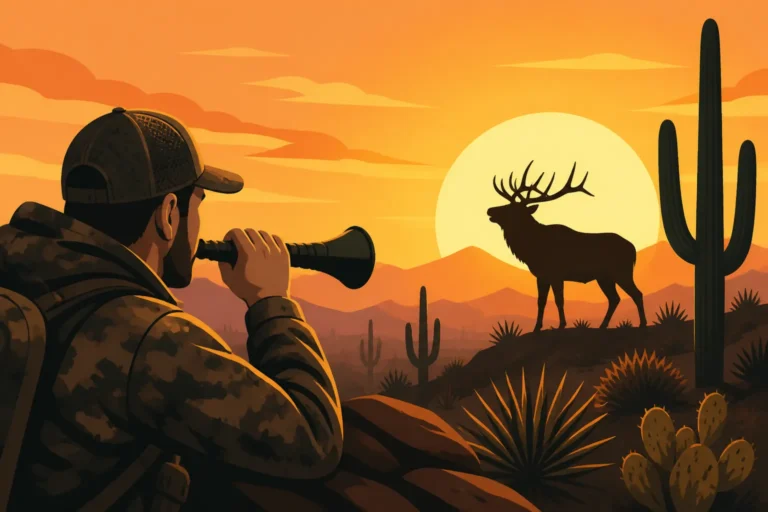
Locator bugles help hunters pinpoint Arizona elk thirty minutes before dawn by eliciting quiet responses to plan morning stalks.
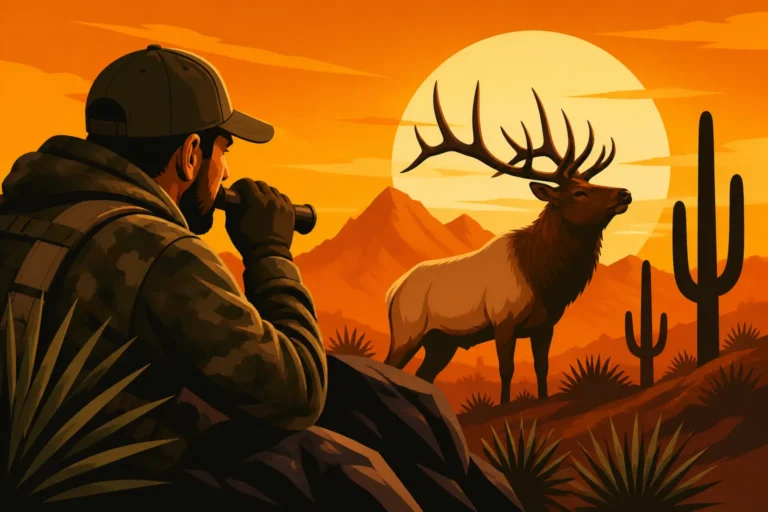
Arizona elk hunting strategies help hunters coax silent, pressured bulls into closing the distance using realistic calls.
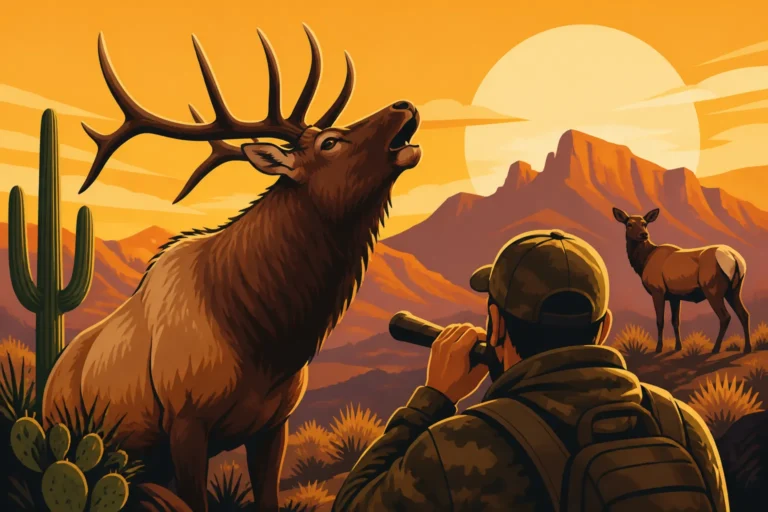
Arizona elk hunting tactics compare aggressive bugles and subtle cow calls during September high country hunts.
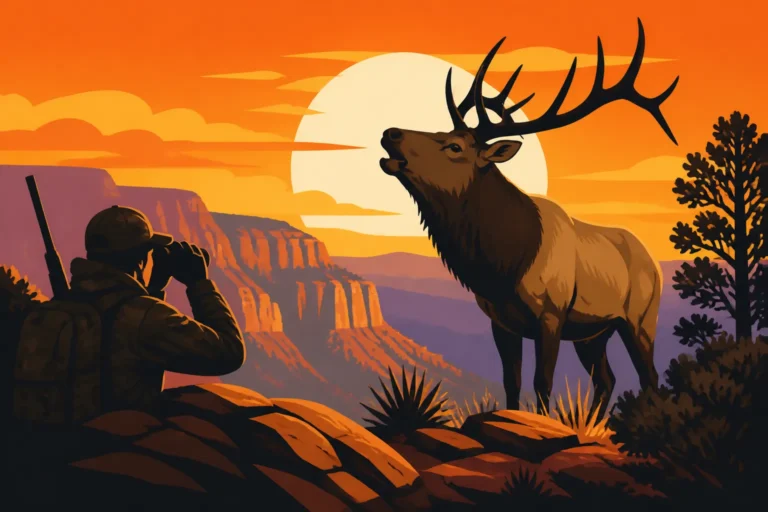
Timing of the elk rut on Arizona’s Mogollon Rim, which can run from late August to early October, with peak activity in the second to fourth weeks of September.