How Outfitters Plan Emergency Evacuations
Heading out into Arizona's vast and often unforgiving wilderness for a hunt is an incredible experience, but it also comes with inherent risks. We all envision a perfect trip, but what happens when the unexpected strikes – a sprained ankle miles from the truck, a sudden severe allergic reaction, or even getting separated from your group? That gnawing worry about emergencies can really weigh on you. This guide is all about giving you peace of mind by detailing exactly how professional outfitters plan for and manage emergency evacuations, ensuring your safety is their top priority when things go south.
Understanding the Inherent Risks of Arizona Backcountry Hunts
Let's be real, Arizona's backcountry is stunning, but it's not a walk in the park. From the scorching Sonoran Desert to the high-elevation pine forests of the Mogollon Rim, the environment itself poses significant challenges. When you're dreaming of bugling elk or glassing for Coues deer, it's easy to overlook the very real dangers that can turn an adventure into a crisis.
Remote Terrain and Limited Access
One of the biggest hurdles in Arizona hunting is simply the vastness and remoteness of the landscape. Many of the prime hunting units are deep within national forests or BLM land, far from paved roads and even further from urgent care facilities. Cell phone service is notoriously spotty, or non-existent, in these areas. Imagine twisting an ankle on a rocky descent in a remote canyon, or experiencing chest pains when you're three miles from the nearest trail, let alone a hospital. The time it takes to get help, even in a non-life-threatening situation, can be hours, if not a full day, which is precisely why outfitters have robust plans in place. They're keenly aware that every minute counts when you're off the grid.
Access itself can be a nightmare. Dirt roads might be washed out from monsoon rains, or seasonally closed due to snow, forcing long hikes or detours. This means that a seemingly straightforward extraction can become a multi-faceted logistical puzzle, requiring different modes of transport and coordination. It's not just about getting to the nearest road; it's about navigating that road and then getting to appropriate medical care. This deep understanding of local geography and access points is a key part of an outfitter's value.
Environmental Hazards and Wildlife Encounters
Arizona's weather can be extreme and unpredictable. Early season hunts, especially for archery deer or bear, can see triple-digit temperatures in the desert, leading to severe dehydration or heatstroke. Conversely, a late-season elk hunt on the Rim could involve sudden snowstorms and freezing temperatures, risking hypothermia. Flash floods are a real danger in the desert during monsoon season, turning a dry wash into a raging torrent in minutes, trapping hunters or washing away vehicles. Preparing for Heat on an Early Season Hunt is crucial, but even the most prepared hunter can be caught off guard.
Beyond the weather, there's the wildlife. While rare, encounters with mountain lions, bears, or venomous snakes are a possibility. A rattlesnake bite, while rarely fatal, requires immediate medical attention and can be debilitating. An unexpected slip that results in a fall can lead to fractures, head injuries, or worse. Outfitters understand that these aren't just theoretical dangers; they're very real scenarios they must be ready to manage at a moment's notice. Snake Awareness on an August Archery Hunt is something they preach for a reason.
Core Components of an Outfitter's Emergency Plan
A professional outfitter doesn't just hope for the best; they plan for the worst. Their emergency plans are comprehensive, multi-layered, and practiced. They treat client safety as seriously as they treat finding game, because without it, nothing else matters.
Pre-Trip Assessment and Client Information
Before you even set foot in the field, a good outfitter starts gathering critical information. They'll have you fill out medical questionnaires detailing any pre-existing conditions, allergies, regular medications, and past injuries. This isn't just paperwork; it's vital intelligence that helps them anticipate potential issues and plan accordingly. Knowing a client has a severe bee allergy, for example, means ensuring an EpiPen is always on hand and that guides know how to administer it. They'll also collect emergency contact information, making sure they can quickly reach your loved ones if an incident occurs.
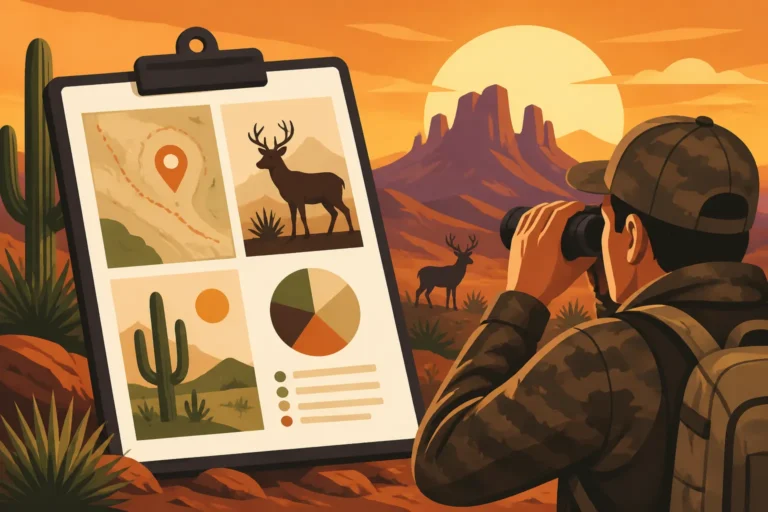
Beyond your personal medical details, outfitters are constantly assessing the hunting area. They map out primary and secondary evacuation routes, noting terrain features, potential landing zones for helicopters, and the quickest routes to medical facilities. This detailed reconnaissance often involves using advanced mapping software like that offered by GoHunt, which allows them to identify key access points and potential challenges long before the season even begins. They know which roads are passable by truck, which require ATVs, and which are strictly foot traffic, and they develop strategies for each scenario.
Essential Gear and Training for Guides
The backbone of any emergency plan lies in the gear and the expertise of the people wielding it. Outfitters invest in reliable communication devices that work where cell phones don't. This includes satellite phones, personal locator beacons (PLBs), or satellite messengers that can send SOS signals and communicate via text from anywhere. These devices are regularly tested and charged, and guides are proficient in their use. Satellite Communication From a Hunting Camp is no longer a luxury, but a necessity.
Equally important is the medical training their guides possess. Many professional guides hold certifications in Wilderness First Responder (WFR) or even Wilderness EMT (WEMT). These aren't just basic first aid courses; they're intensive programs designed to equip individuals with the skills to manage medical emergencies in remote environments for extended periods until professional help arrives. They know how to stabilize a broken bone, treat severe bleeding, manage shock, and administer basic life support. Wilderness First Aid on a Guided Hunt means they're prepared for what comes next.
Communication Protocols and Emergency Signals
Clear communication is paramount, not just with outside help, but within the hunting party itself. Outfitters establish strict communication protocols for the duration of the hunt. This can include daily check-in times at camp, specific hand signals for various situations, and predetermined ways to signal distress if separated from the group. Everyone in the party, including the client, should know these protocols.
For more severe situations, outfitters have a step-by-step process for escalating communication. This might start with internal communication among guides, then move to contacting a base camp manager via satellite, and finally, reaching out to official emergency services like local search and rescue, the county sheriff, or even calling for air ambulance services. They know exactly who to call, what information those agencies will need, and how to coordinate effectively under pressure.
Communication and Evacuation Protocols in the Field
When an emergency happens, the initial response is critical. A well-planned outfitter acts decisively and systematically, focusing first on stabilization and then on efficient evacuation.
Initial Response and Stabilization
The first moments of an emergency are often chaotic, but a trained guide is conditioned to remain calm and assess the situation. Their priority is always to ensure the safety of everyone involved, including themselves. This means quickly evaluating the nature of the injury or medical event, the immediate surroundings, and any ongoing dangers. Is there a rockslide risk? Is the animal still alive and dangerous? They’ll secure the scene before moving on to patient care.
Once the scene is safe, the guide will administer appropriate first aid based on their training. This could involve splinting a limb, stopping bleeding, managing a severe allergic reaction, or initiating CPR. They work to stabilize the client, keeping them warm, comfortable, and conscious while preparing for the next steps. This on-the-spot care is vital in preventing conditions from worsening while waiting for more advanced medical personnel. It truly highlights the value of Wilderness First Aid on a Guided Hunt.
Activating External Resources and Coordination
With the patient stabilized, the next step is to activate external resources. This typically involves using a satellite device to contact the outfitter's base camp or directly calling emergency services (911). The guide will provide precise details: their exact GPS coordinates, the nature of the emergency, the number of people involved, and the client's condition. They will then maintain communication, providing updates and following instructions from rescue personnel.
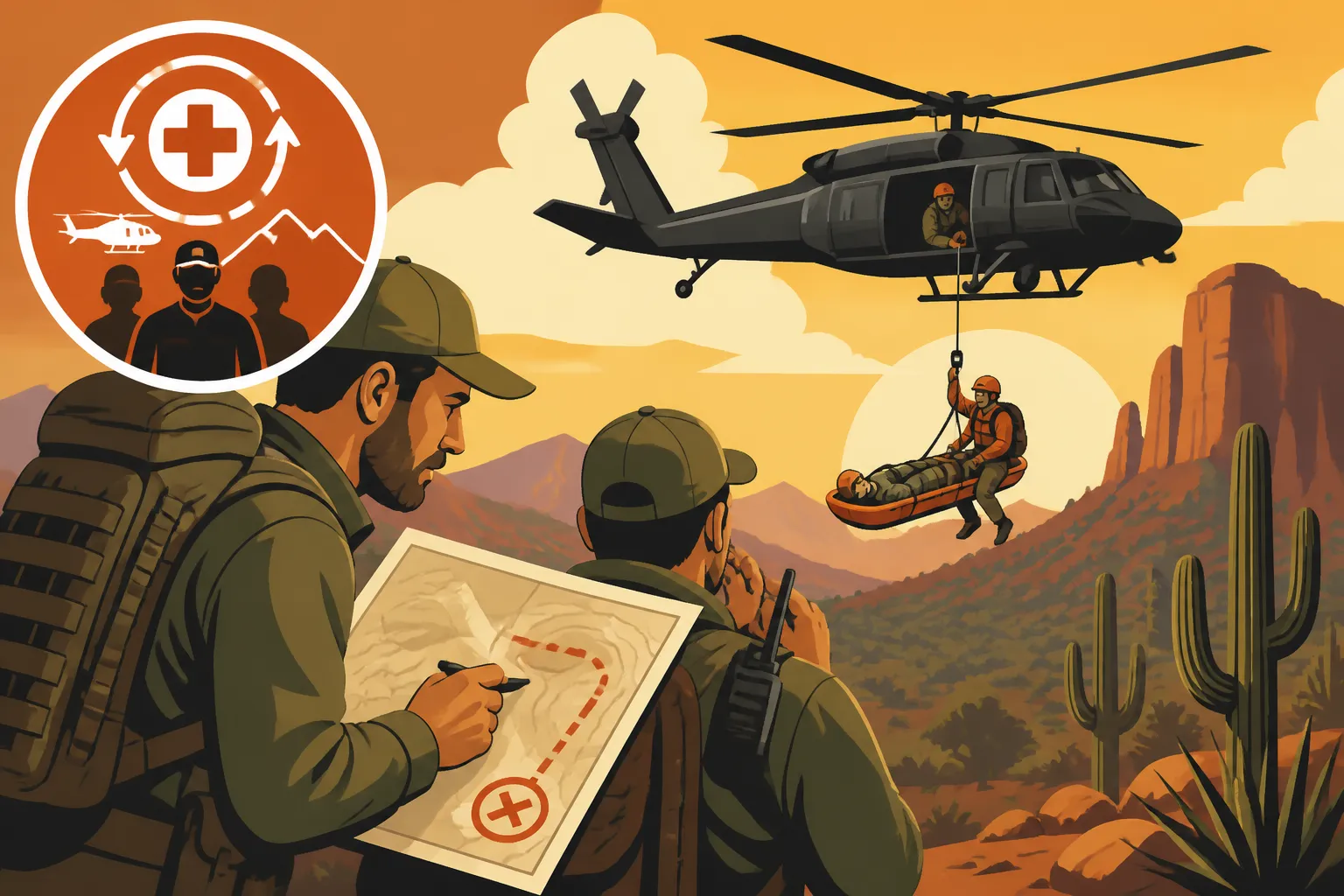
Coordinating with search and rescue teams or medevac helicopters is a complex dance. Guides often need to prepare a landing zone, clear brush, set up signaling lights, or even hike out to meet ground teams to direct them in. They understand the specific requirements for different types of rescue operations and can relay crucial information about terrain, weather, and access points that only someone on the ground can provide. They are the eyes and ears for the rescuers, saving precious time in critical situations.
Transport and Logistics for Evacuation
The actual transport from the field to a medical facility can take many forms, depending on the remoteness, severity of the injury, and available resources. For less severe injuries, an outfitter might use ATVs or side-by-sides to get a client to a waiting vehicle on a forest road. If vehicle access is impossible, a horseback evacuation might be the most practical solution, with specialized litters designed to safely carry an injured person.
In life-threatening situations, particularly in truly remote and rugged areas like the Sky Islands, a helicopter medevac is often the quickest and safest option. Outfitters have pre-identified potential landing zones in their hunt units and can direct helicopters to them. This level of logistical planning, from knowing who to call to understanding how to prepare a site for air rescue, is what separates a casual guide from a professional outfitter dedicated to client safety. Getting someone out, whether by foot, horse, ATV, or air, is a testament to the comprehensive nature of their planning.
Vetting an Outfitter's Safety Preparedness
Choosing an outfitter isn't just about their trophy photos; it’s about their commitment to your well-being. Asking the right questions and doing your homework can give you immense peace of mind. Platforms like BookYourHunt can be useful resources for exploring outfitters, but always follow up with direct conversations about their safety protocols.
Key Questions to Ask Prospective Outfitters
When you're Questions Worth Asking Before You Book, don't shy away from grilling them on safety. Here are some essential inquiries:
- What is your emergency plan? Ask for specifics. Don't settle for "we handle it."
- What communication devices do you carry, and are they regularly tested? Confirm they have satellite communication and not just cell phones.
- What medical training do your guides have? Look for WFR or WEMT certifications, not just basic first aid.
- How do you handle client medical information and allergies? Ensure they have a system for this.
- What is your plan if a client becomes separated from the group? This tests their search and rescue readiness.
- Have you ever had to conduct an emergency evacuation, and if so, what was the outcome? Honest answers build trust.
A reputable outfitter will welcome these questions and be able to provide clear, detailed answers without hesitation. They want you to feel confident in their ability to keep you safe. Many hunters also leverage resources like GoHunt to research units and gain a better understanding of the terrain, which can inform their questions for potential outfitters.
Licensing, Certifications, and Reputation
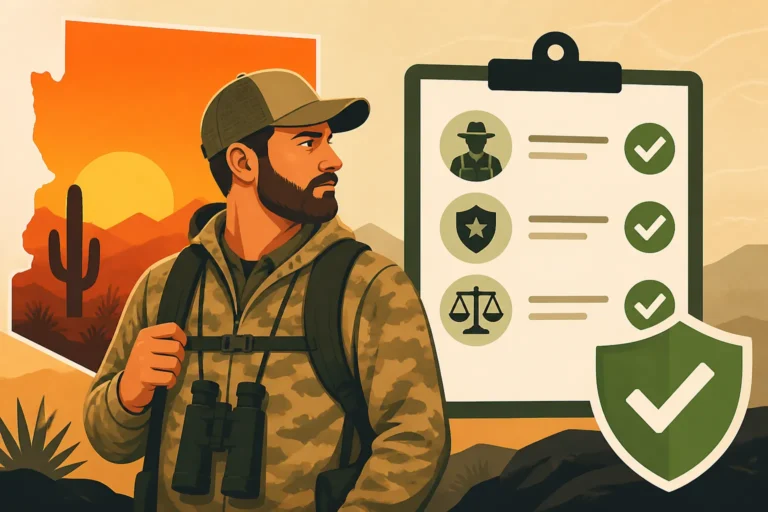
Before committing to an outfitter, it's crucial to verify their credentials. Ensure they are properly licensed by the state of Arizona and that their guides hold the necessary certifications. You can often check an outfitter's standing with the state game and fish department or professional outfitter associations. How to Check an Outfitter's Standing is a vital step in your research.
Beyond formal certifications, consider their reputation. Look for reviews and testimonials, but also ask for references from past clients. When speaking with references, inquire specifically about how the outfitter handled any unexpected challenges or minor incidents during their hunt, not just whether they killed an animal. A guide's demeanor under pressure, their organizational skills, and their genuine concern for client welfare speak volumes about their overall professionalism and preparedness.
Comparing Safety Measures: A Quick Guide
Here's a handy table to help you compare the safety measures between what a client should prepare and what a professional outfitter should provide:
| Aspect | Client Preparedness (Your Role) | Outfitter Preparedness (Their Role) |
|---|---|---|
| Communication | Personal locator beacon (PLB) or satellite messenger (optional but recommended) | Satellite phone, PLBs for guides, backup communication, daily check-ins |
| Medical Info | Disclose all medical conditions, allergies, and medications | Collect detailed medical questionnaires, have emergency contacts on file |
| First Aid | Personal first aid kit for minor issues | Comprehensive wilderness first aid kits, specialized medical training (WFR/WEMT) |
| Navigation | GPS device, map, compass, know your location | Detailed unit maps, pre-planned primary/secondary evacuation routes, GPS devices |
| Physical Prep | Physical Conditioning for a Sky Island Hunt to avoid exhaustion/injury | Assess client fitness, plan hunts within client's capabilities |
| Contingency Plans | Discuss separation plan with group before heading out | Clear protocols for lost person, severe injury, medical emergency, weather crisis |
| Evacuation Assets | Understand your role in an emergency | Access to vehicles (ATVs/trucks), horse strings, coordination with air/ground rescue |
Choosing an outfitter who has a clear, practiced, and comprehensive emergency plan isn't just smart; it's a testament to their professionalism and commitment to ensuring your Arizona hunting adventure is memorable for all the right reasons. What Guides Expect From Their Clients includes taking their safety briefings seriously.
Disclaimer
This article is for general informational purposes only and does not constitute professional advice. Laws, prices and regulations vary by location and change over time. Consult a qualified professional for guidance on your specific situation.