Units Near Payson Within a Day Trip
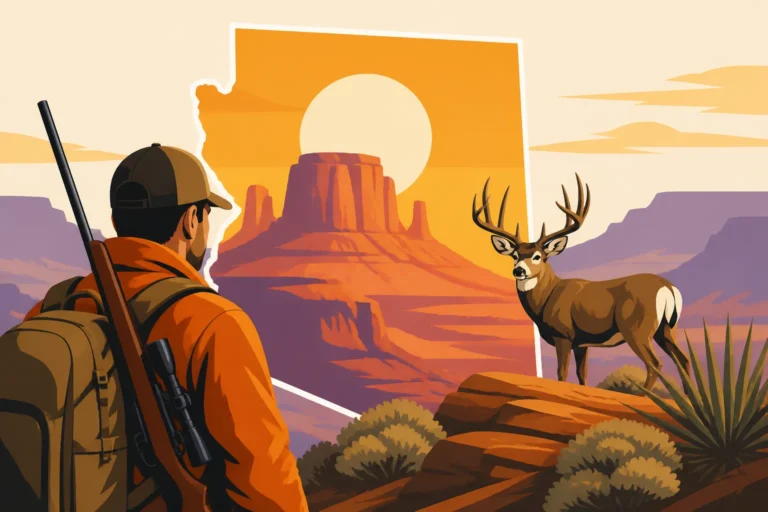
It's a common dream for many Arizona hunters: living in a central location like Payson and being able to slip out for a quality hunt without needing to commit to an overnight camp. The reality, though, is that even a "day trip" in Arizona can involve significant drive times and rugged country. This guide is all about navigating that challenge, pinpointing the best hunting units easily reachable from Payson, and giving you the realistic rundown on what to expect for those quick, impactful forays into the field.
Defining a "Day Trip" from Payson for Arizona Hunters
When we talk about a "day trip" for hunting in Arizona, especially from a hub like Payson, it's not quite the same as popping out to a local duck pond for a couple of hours. Arizona's landscapes are vast, and even relatively short distances can take a surprising amount of time to cover, especially when you factor in dirt roads and rough terrain. For a successful day hunt from Payson, you’re typically looking at units that are within a 1 to 2-hour drive, allowing for maximized hunting time once you’re actually in the field.
Realistic Drive Times and Field Hours
Payson sits right in the heart of some incredible country, but "right there" is a relative term. A unit might look close on a map, but once you consider winding mountain roads, forest service roads that demand a slower pace, and the walk from your truck to your actual hunting spot, that 30-mile drive can quickly eat up an hour or more. For a true day trip, you want to leave well before dawn and be prepared to stay out until legal shooting light fades, allowing enough time for the drive back. This means an honest assessment of your available daylight and how much of it you can actually dedicate to hunting. Pushing too far means less time with boots on the ground, which defeats the purpose of trying to squeeze a quality hunt into a single day.
Balancing Proximity with Opportunity
The beauty of Payson is its central location, offering access to diverse habitats ranging from ponderosa pine forests on the Mogollon Rim to juniper and oak woodlands heading south. This means you can often target different species within a similar drive radius. However, the closer units might also experience higher hunting pressure, especially on opening weekends. The trick is finding that sweet spot where the drive isn't exhausting, but the game populations offer a reasonable chance of success. This often involves looking at terrain and access points that might deter less committed hunters, even if they're close to a main road. Sometimes, adding an extra 30 minutes to your drive to get into a less accessible pocket within a close unit can dramatically improve your odds.
Prime Hunting Units Easily Accessible from Payson
Payson is nestled beautifully within some of Arizona's most productive and diverse hunting units. For hunters looking for a day trip, focusing on Units 22 and 23 will offer the most accessible and varied opportunities. These units cover a significant amount of the Tonto National Forest and stretch across the Mogollon Rim, providing habitats for a range of big game.
Unit 22: Diverse Terrain, Diverse Game
Unit 22 is a sprawling unit that runs from the outskirts of Payson down through the eastern side of the Tonto National Forest, bordering Roosevelt Lake. It offers a fantastic mix of habitats, from the high ponderosa forests transitioning to juniper and chaparral, and eventually down to the Sonoran Desert interface. This diversity means you can hunt different species depending on the elevation and specific area you target.
For day trips, many Payson hunters focus on the northern and central portions of Unit 22. This area provides good elk hunting opportunities, particularly during archery or muzzleloader seasons when animals are often found in the higher elevations near the Rim. Mule deer are also present, especially in the more rugged, timbered draws. As you drop in elevation, heading south towards the brushier country, you'll find more Coues deer and plentiful javelina. The network of forest service roads makes many parts of Unit 22 accessible, but don't let that fool you into thinking it's easy. The terrain can be steep and rugged quickly once you leave the main roads, requiring physical fitness even on a day hunt. Hunting a Stock Tank During Early Archery is a strategy often employed in the lower, drier parts of this unit.
Unit 23: The Heart of Rim Country Opportunity
Directly east of Payson, Unit 23 encompasses a significant portion of the Mogollon Rim and its associated drainages. This unit is legendary for its elk hunting, but also holds strong populations of mule deer, Coues deer, and javelina. It's truly a gem for a Payson day-tripper. The high country in Unit 23, with its dense ponderosa forests and mixed conifer stands, is prime elk habitat. The elk often use the deep canyons and broken country for bedding, making them challenging but rewarding to pursue.
Access into Unit 23 is generally good from Payson, with several main highways and forest roads leading into prime areas. During the early archery seasons, calling bulls along the Rim can be incredibly productive. Calling Bulls on Arizona's Mogollon Rim is a strategy many seasoned hunters employ here. For deer, both mule deer and Coues deer inhabit this unit. Mule deer tend to stick to the higher, thicker timber, while Coues deer are more prevalent in the oak brush and juniper country as you drop off the Rim. Javelina are also common throughout the lower and mid-elevations. The sheer size and varied terrain of Unit 23 means there's always a new ridge to explore or a new canyon to glass, making it perfect for repeated day trips.
A Quick Look at Other Close Options
While Units 22 and 23 are the primary targets, other units are technically within a day trip radius, though they might push the boundaries of travel time for optimal hunting.
- Unit 21 (South of Payson): This unit is primarily known for its Coues deer and javelina. It's a bit further south but offers excellent opportunities for those specific species in more desert-like, rugged terrain. If you're looking for How Close a Bowhunter Needs to Get on Coues, Unit 21 offers plenty of practice with that challenge.
- Units 5B North/South and 6A (North of Payson): These units extend north onto the Mogollon Rim and beyond towards Flagstaff. While great for elk and mule deer, they often involve a longer drive, pushing the typical "day trip" definition unless you're exceptionally efficient or targeting a specific, easily accessible pocket.
Understanding Access and Regulations in Payson's Neighboring Units
Hunting close to Payson means navigating a mosaic of public lands and understanding the specific rules that govern them. Most of your hunting will take place on Tonto National Forest and Coconino National Forest lands, but there are other considerations.
National Forest and BLM Land Access
The vast majority of the hunting opportunities around Payson are on federal lands, primarily National Forests. The good news is that BLM and Forest Ground Across Arizona Needs No Permit beyond your valid hunting license. This means you can drive, walk, and hunt these areas freely, provided you adhere to all state hunting regulations and federal land use rules. These rules include things like seasonal road closures, which can drastically impact access, especially after wet weather or during specific times of the year. Always check a Motor Vehicle Use Map (MVUM) for the specific forest district you plan to hunt in. These maps are invaluable for knowing which roads are open to motorized travel and which are not.
While dispersed camping is generally allowed on National Forest lands, even for a day trip, it's worth knowing the rules. Camping on Forest Ground During Hunting Season might not apply to your day hunt, but understanding where others might be camped can influence your hunting strategy.
Arizona State Trust Land and Private Property
While less prevalent in the immediate Payson area compared to other parts of the state, it's crucial to understand Arizona State Trust Land. In some areas, these parcels can be interspersed with federal lands. Arizona State Trust Land Needs a Permit, and Your License Counts for hunting access, but it's important to be sure you're on Trust Land if you think you are. You don't want to accidentally wander onto a private ranch. Always have a reliable mapping application like onX Hunt on your phone or GPS device. This allows you to Reading a Land Ownership Layer Correctly and avoid accidental trespassing, which can ruin a hunt and land you in trouble.
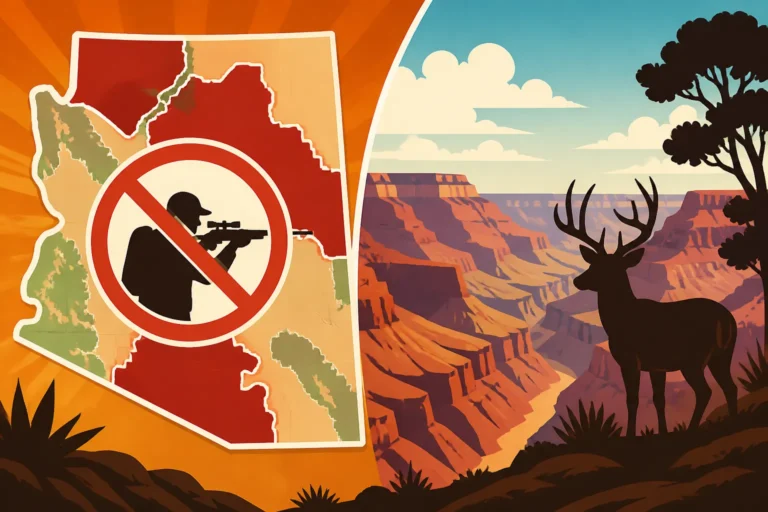
Private property is less of an issue in the dense forest units around Payson, but it still exists, especially along major highways or near small towns. Look for fencing, signage, or structures, and always be aware of your surroundings. When Reading an Arizona Unit Boundary Before You Apply, pay close attention to the land ownership overlays.
Road Conditions and Vehicle Preparedness
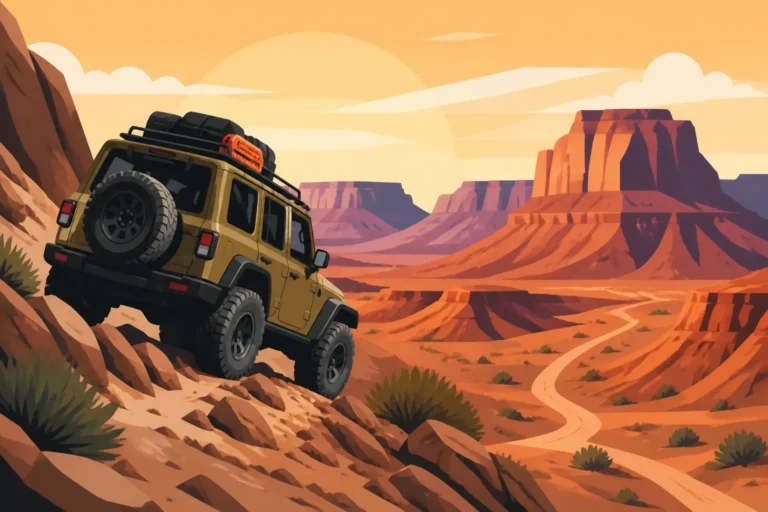
Arizona's forest roads can be notoriously unpredictable. What starts as a well-maintained dirt road can quickly turn into a rocky, rutted track, or a muddy mess after a monsoon rain. For day trips, this is a critical consideration. You don't want to get stuck miles from pavement as darkness falls. A high-clearance 4×4 vehicle is often a necessity, not a luxury, especially if you plan to explore beyond the main arteries. Carry a spare tire, a jack, basic tools, and recovery gear. Even more importantly, Motor Vehicle Use Maps for Forest Ground are your best friend. They'll tell you which roads are open, which are closed, and which are seasonally restricted, saving you from a frustrating dead-end or, worse, a citation.
Making the Most of Your Payson-Area Day Hunt
A successful day hunt isn't just about showing up with your gear. It requires diligent planning, smart execution, and an understanding of the local conditions. Payson's surrounding units demand a thoughtful approach.
E-Scouting and Pre-Season Reconnaissance
Even for a day trip, effective scouting is paramount. You don't have the luxury of several days in camp to learn the land. This is where E-Scouting an Arizona Unit Before the Season becomes invaluable. Using satellite imagery on platforms like onX Hunt, you can identify potential bedding areas, water sources, natural funnels, and escape routes from your couch. Look for specific features like saddles, small benches, or fingers extending from ridges that might hold game.
Combine e-scouting with physical reconnaissance if possible. Even a non-hunting drive or hike into an area can reveal crucial details about road conditions, game sign, and potential glassing points. Understand the prevailing wind patterns and thermals, especially if you're hunting in the mountainous or canyon terrain that defines much of the Rim country. This is particularly important for species like elk, which are highly scent-sensitive.
Essential Gear for a Payson Day Trip
Packing smart is key for a day hunt. You won't have your full camp setup, so every item needs to earn its spot in your pack.
- Optics: High-quality binoculars are non-negotiable for glassing the open, broken country. A spotting scope might be overkill for quick stalks but can be incredibly useful if you plan to settle into a glassing position for an hour or two. Optics Power for Arizona's Long Desert Sightlines is a crucial consideration.
- Water: Dehydration is a real danger, even on cooler days. Always carry more water than you think you’ll need. Water You Must Carry on a Day Hunt is a significant amount in Arizona's dry climate. Consider a water filter or purification tablets as a backup.
- Navigation: A GPS device (dedicated unit or phone app like onX Hunt) with downloaded maps is essential. Cell service is spotty in many areas, so don't rely solely on your phone's live data.
- First Aid and Safety: A compact first-aid kit, signaling device (whistle, mirror), headlamp, and fire starter are absolute musts. Tell someone your plan and estimated return time. Snake Awareness on an August Archery Hunt is also critical, as rattlesnakes are common in many areas you'll be hunting.
- Clothing: Layering for Rim Country Temperature Swings is vital. Mornings can be freezing, but midday can be quite warm, even in fall. Be prepared for sudden changes in weather, including monsoon storms in late summer.
Timing and Strategy for Maximizing Opportunity
Day hunts often mean hitting the ground running. You need to be at your chosen spot well before first light, ready to hike in and be in position as the sun comes up. This means knowing exactly where you're going and having your entry route scouted.
For early morning and late evening, focus on feeding areas or travel corridors between bedding and feeding. During the middle of the day, shift your focus to bedding areas, dense cover, or near Water Sources That Concentrate Arizona Desert Game. Being able to adapt your strategy based on time of day and animal behavior is crucial when your hunting window is limited.
Finally, manage your expectations. A day trip might not yield a trophy, but it offers valuable time in the field, a chance to scout new areas, and the opportunity to connect with nature. Don't fall into the trap of constantly chasing the next ridge; sometimes, patience and thoroughness in a smaller area can be more productive than covering vast amounts of ground superficially. Finding Low Pressure Ground on Opening Weekend might mean hiking a bit further than others are willing to go, even if the unit itself is highly accessible.
| Unit Number | Primary Game Species | Typical Terrain | Key Access Points from Payson | General Difficulty for Day Hunt |
|---|---|---|---|---|
| Unit 22 | Elk, Mule Deer, Coues Deer, Javelina | Pine, Juniper, Chaparral, Desert | AZ-87 S, Numerous Forest Roads | Moderate to Difficult |
| Unit 23 | Elk, Mule Deer, Coues Deer, Javelina | Ponderosa, Mixed Conifer, Oak Brush | AZ-260 E, Numerous Forest Roads | Moderate to Difficult |
| Unit 21 | Coues Deer, Javelina | Juniper, Chaparral, Sonoran Desert | AZ-87 S, Bush Hwy | Moderate |
Disclaimer
This article is for general informational purposes only and does not constitute professional advice. Laws, prices and regulations vary by location and change over time. Consult a qualified professional for guidance on your specific situation.