Why Coues Guides Charge for Optics Time
Anyone who has even thought about hunting Coues deer in Arizona has likely heard the term "optics time." And if you’re looking into hiring a guide, you might have noticed their pricing structure or service descriptions put a heavy emphasis on hours spent behind glass. It can feel a bit perplexing, almost like you’re being charged for a guide to simply look at the landscape, rather than actively hunt. But the truth is, with the diminutive "gray ghost" of the desert, a guide's expertise in glassing isn't just part of the job—it is the job. This deep dive will unravel why Coues guides charge for optics time, explaining the unique challenges of these deer, the specialized skill involved, and the immense value it brings to your hunting experience.
Understanding the Elusive Coues Deer and Their Habitat
Before we can appreciate why a guide’s optics time is so crucial, we need to really understand the animal itself and the incredibly challenging environment it calls home. Coues deer are not your typical whitetail, and Arizona's landscape is far from ordinary.
The "Gray Ghost" Reputation and Its Challenges
Coues deer, often affectionately (or perhaps frustratingly) called the "gray ghosts," earned their nickname for a reason. These are small deer, often weighing under 100 pounds, with coats that blend seamlessly into the sun-baked, rocky, and brush-covered mountainsides of southern Arizona. Their petite stature means they can disappear behind a single mesquite bush or a small rock outcropping with astonishing ease. They’re masters of cover and movement, often only revealing themselves for fleeting moments before melting back into the landscape.
Think about the difference between spotting a large, dark-bodied elk against a snowy backdrop, or a big mule deer buck silhouetted on an open sage flat in Wyoming. Those animals are substantial targets, relatively easy to pick out with decent binoculars. Coues deer are the polar opposite. Their camouflage is so effective that even when you know one is in an area, finding it can feel like trying to locate a specific needle in a thousand haystacks, all of which are the exact same color as the needle. This inherent elusiveness means that a hunter's primary tool isn't their rifle or bow, but their eyes, and the powerful optics that extend their vision. You can spend days walking through prime Coues habitat and never see a deer if you're not utilizing your optics correctly. What Makes a Coues Deer Different explores this reputation further.
Sky Island Terrain and Vast Landscapes
The primary domain of the Coues deer in Arizona is the "sky islands." These are isolated mountain ranges that rise dramatically from the Sonoran Desert floor, forming ecological islands with different climates and vegetation zones at various elevations. From a high vantage point, these ranges offer breathtaking, panoramic views that stretch for miles. You might be able to see an entire mountain range, or even several, from a single glassing knob.
While this vastness might sound advantageous for spotting game, it's actually part of the challenge. The sheer scale of the landscape means there’s an immense amount of ground for a deer to hide in. Every rock, every shadow, every patch of oak brush, and every canyon bottom needs to be meticulously scrutinized. A Coues deer could be bedded down a mile away, in a patch of brush no bigger than a pickup truck, and remain invisible to the naked eye. The guide's job isn't to walk this entire landscape with you, it's to systematically search it with specialized equipment and trained eyes. Understanding Where Coues Whitetail Live in Arizona and exploring The Sky Island Ranges That Hold Coues helps paint a picture of this unique environment. It’s an environment designed for hiding small, camouflaged animals, and only through diligent, sustained glassing can you hope to pick them out.
The Critical Role of Optics in Coues Deer Hunting
Given the nature of the Coues deer and their habitat, it becomes clear that optics are not just an accessory; they are the central pillar of any successful hunt. A Coues guide's expertise isn't merely about knowing the country, but about truly mastering the art of seeing within it.
More Than Just Looking: The Art of Glassing
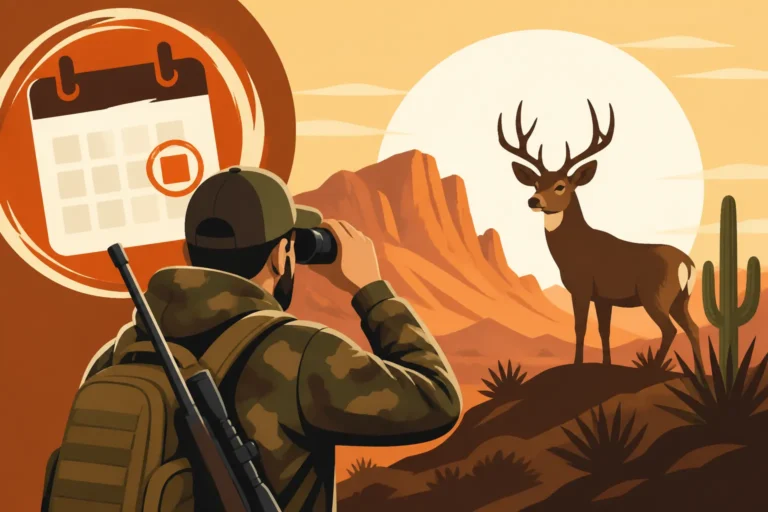
When we talk about "glassing" in Coues deer hunting, we're not talking about casually sweeping your binoculars across a hillside for a few minutes. This is a disciplined, methodical, and often painstaking process. It involves setting up a spotting scope and tripod, or settling in with high-powered binoculars on a steady rest, and systematically dissecting a hillside, grid by grid, inch by agonizing inch. The goal is not just to see a deer, but to find a flick of an ear, a patch of hide that looks slightly out of place, a subtle shift in color, or the glint of an antler tip catching the sun.
This requires immense patience, often hours spent looking at the same section of terrain, waiting for a deer to twitch, stand up, or simply reveal a hint of its presence. The angle of the sun, the presence of heat shimmer, and changing light conditions throughout the day all impact visibility. A good guide understands how these factors affect what can be seen and adjusts their glassing strategy accordingly. They know when to pause, when to re-scan, and what minute details to look for. The Grid Glassing Method, Step by Step is a testament to the systematic approach required, far beyond casual observation. A guide's "optics time" is the continuous application of this art, often locating deer that a client, even with good glass, might miss entirely due to inexperience.
Specialized Equipment and Expertise
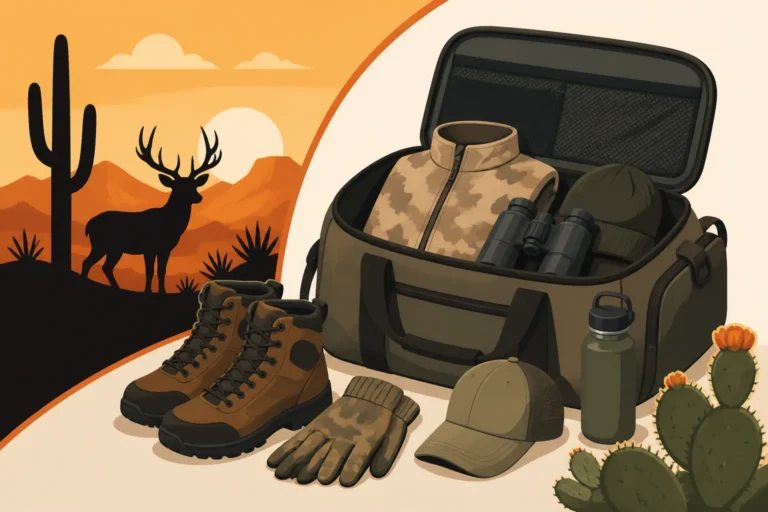
The "optics time" charge also reflects the significant investment a guide makes in their equipment and, more importantly, in their ability to wield it effectively. You can't adequately hunt Coues deer with a cheap pair of binoculars. Guides rely on top-tier optics: powerful 15x binoculars, often mounted on a tripod for stability, and high-magnification spotting scopes (20-60x or even higher) with large objective lenses to gather maximum light. These tools are precision instruments, designed to resolve fine details at extreme distances.
Beyond the initial purchase, these optics require proper care, maintenance, and sometimes even replacement. The cost of a guide’s arsenal of glass can run into many thousands of dollars. But simply owning the best gear isn't enough. The guide's true value lies in their mastery of that equipment. They understand the nuances of focus, field of view, and how to stabilize the image to minimize eye strain over hours of intense observation. They know how to quickly acquire and track a small target at long range, and how to instruct you on what you're looking at. This is why discussions around Spotting Scope Power for Coues Country and Binocular Size That Survives an All-Day Session are so prevalent among serious Coues hunters. The guide has already done the legwork, both financially and skillfully, to maximize the effectiveness of their glassing operation. Mastering the Tripod Setup for Glassing From a Ridge is just one small piece of the extensive skillset.
The Guide's Time and Skill Investment
The perceived "optics time" isn't just about the hours a guide spends looking through a spotting scope during your hunt. It's a much broader commitment that begins long before you ever set foot in Arizona and continues throughout the entire season.
Pre-Season Scouting and Identifying Productive Areas
A significant portion of a Coues guide’s "optics time" happens well before you arrive. Good guides spend countless hours in the off-season and leading up to hunting season meticulously scouting units. This isn't just driving around looking for fresh tracks; it's intense glassing sessions, often alone, covering vast swathes of potential habitat. They're looking for deer, yes, but also for sign, water sources, bedding areas, travel corridors, and understanding how deer use the terrain during different times of the year. This pre-season optics time is what allows them to confidently take you to areas with the highest probability of success.
They use their experience to adapt to changing conditions—droughts affecting water sources, recent rains creating new feed, or even subtle shifts in deer behavior. This deep understanding, gleaned from hundreds of hours behind glass in the specific units they hunt, is invaluable. Think of it as a significant portion of your guide fee going towards their "research and development" into where the deer are and how they're behaving. They’re effectively Scouting an Arizona Unit Before the February Deadline with intense focus, turning that hard-earned knowledge into a more efficient hunt for you. Knowing Finding Water in Arizona's Dry Country is a prime example of insights gained from this long-term glassing commitment.
In-Season Glassing and Client Instruction
During the actual hunt, the guide's optics time is virtually continuous. From first light until last light, their eyes are glued to the glass, systematically breaking down every canyon, ridge, and brush patch. While you might be scanning, your guide is likely engaged in an advanced form of optical search, meticulously searching for the most subtle clues. They are the primary spotters.
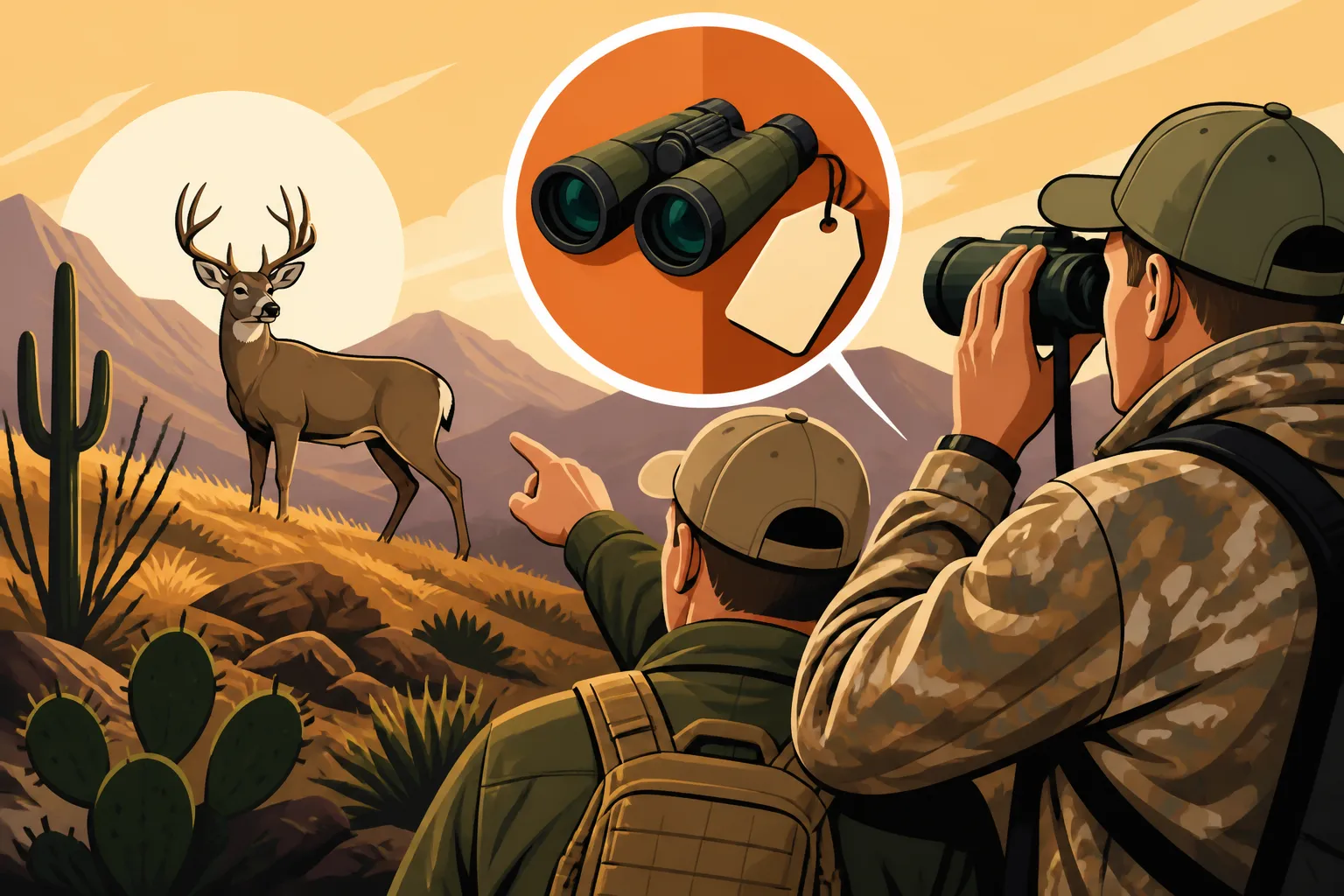
Beyond simply locating deer, a good Coues guide also uses their optics time to teach you. They’ll help you understand what you're seeing (or not seeing), explain how to pick out deer, and guide your eye to a specific animal they’ve spotted. This instruction is critical for judging trophy quality from immense distances, a skill that is incredibly difficult to develop on your own. Imagine being told, "See that little oak tree on the third ridge over? Look to the left, just below that boulder, for a subtle gray patch." Without the guide's trained eye and constant focus, you might stare for minutes and still not see what they’ve pinpointed. Judging an Arizona Coues Buck at Distance is a prime example of this shared optics time, where the guide ensures you're looking at a mature, legal animal before a stalk even begins. It’s their continuous vigilance and ability to translate their visual expertise that makes How Arizona Guides Judge a Coues Buck so effective for their clients.
Operational Costs and Value Provided
The "optics time" fee isn't just about the time itself; it's a reflection of the significant operational costs involved in providing a high-quality Coues deer hunt, and the immense value that expertise brings to your experience.
The Cost of High-End Optics and Maintenance
Let's talk about the gear for a moment. High-end hunting optics, the kind necessary for effectively hunting Coues deer, are incredibly expensive. A top-tier pair of 15x binoculars, a quality spotting scope, and a stable tripod can easily cost several thousand dollars, each. A guide needs multiple sets, often a primary setup and backups, plus accessories like angled eyepieces, phone adapters for digiscoping, and protective cases. This isn't a one-time purchase, either. Lenses can scratch, mechanisms can wear out, and technology sometimes improves, leading to upgrades.
These tools are the guide's workbench. Just as a carpenter invests in expensive tools to do quality work, a Coues guide invests heavily in optics because they are the primary means of finding game. This capital investment, along with the ongoing maintenance and depreciation, is directly factored into the guide's rates. When you pay for optics time, you're not just paying for someone to use their gear; you're contributing to the cost of acquiring and maintaining that essential, specialized equipment. Without it, the hunt simply isn't feasible with any reasonable expectation of success.
Experience, Success Rates, and Ethical Hunting
Ultimately, paying for a guide’s "optics time" is paying for a higher probability of success and a more ethical hunting experience. Coues deer hunting is notoriously difficult, and unguided success rates can be very low, especially for those new to the species or the terrain. A seasoned guide brings years, often decades, of dedicated glassing experience to the table. They’ve learned through countless hours of trial and error what to look for, where to look, and how to interpret the subtle clues of the landscape. This experience dramatically increases your chances of locating a buck.
Furthermore, a guide's optics time is crucial for ethical hunting. With deer often spotted at extreme distances, the guide uses their high-powered glass to confirm the animal is a legal buck, assess its size, and determine if a stalk is feasible and safe. They can pinpoint the exact location for the stalk, minimize disturbance, and ensure that when a shot is taken, it's on a confirmed animal. This reduces the risk of misidentifying a deer or taking an unethical shot at an unknown target. Arizona Coues Guides Sell Glassing, Not Ground perfectly encapsulates this value proposition—you're not paying for exclusive access to land, but for the skill to see deer on the land. It’s also about ensuring you're aligned with principles like The Ethically Hunting Arizona Course Explained. The entire experience is refined and improved by What an Arizona Coues Guide Actually Provides through their dedicated optics time.
Comparing DIY Coues Hunting to Guided Trips
Many hunters love the idea of a do-it-yourself adventure, and Coues deer hunting can certainly be a rewarding DIY pursuit. However, understanding the stark differences, especially concerning "optics time," is key to setting realistic expectations.
The DIY Reality: Time, Gear, and Learning Curve
For the DIY Coues hunter, the reality is that you become the guide, and your optics time becomes paramount. This means a substantial investment in several areas. First, time. You'll need to dedicate countless hours to pre-season scouting, learning the specific unit, understanding deer movements, and, crucially, developing your glassing skills. This isn't something that happens overnight; it's a learned art that takes years of practice to master. Many hunters, especially those with limited vacation time or who live out of state, simply don't have the hundreds of hours required to achieve proficiency.
Second, gear. A serious DIY Coues hunter will need to invest in the same high-quality, high-magnification optics that a guide uses. This includes 15x binoculars, a spotting scope, and a sturdy tripod. This represents a significant financial outlay that might rival a guided hunt in the long run if you're starting from scratch. Third, the learning curve. Expect frustration. You will miss deer that are there, you will glass unproductive country, and you will make mistakes. This is all part of the process, but it can be disheartening. While a guide often provides What an Arizona Coues Guide Actually Provides, the DIY hunter must acquire and apply all of this knowledge independently. For those dedicated to the challenge, it's incredibly fulfilling, but it's important to go in with eyes wide open about the commitment required for a successful Planning a DIY Public Land Hunt in Arizona.
When a Guide's Optics Time Becomes Indispensable
For many hunters, particularly those traveling from out of state, those with limited hunting experience in Arizona, or those simply seeking to maximize their chances of success within a short timeframe, a guide’s optics time becomes indispensable. When you hire a Coues guide, you are essentially purchasing a compressed package of their lifelong dedication to spotting these elusive animals. You’re getting the benefit of their pre-season scouting, their investment in top-tier gear, and their highly refined ability to locate game under challenging conditions.
The guide short-circuits that steep learning curve for you. Instead of spending days just trying to spot any deer, you’re often directed to specific animals, given instruction on how to judge them, and then led on a stalk. This makes the hunt far more efficient and dramatically increases your odds of going home with a buck. For those who value their limited hunting days and want to focus on the thrill of the stalk and the shot, rather than the exhaustive search, a guide specializing in "optics time" is an excellent investment. Platforms like BookYourHunt can be a great starting point for finding experienced Coues guides, allowing you to compare services and philosophies directly. Similarly, GoHunt often provides detailed unit information and resources that can help you understand the landscape and guide qualifications, making an informed decision easier when looking for an outfitter who excels at this specialized type of hunting.
Here’s a look at the comparison between DIY and Guided Coues Hunting, especially regarding the 'Optics Time' aspect:
| Feature | DIY Coues Hunting | Guided Coues Hunting |
|---|---|---|
| Optics Time Source | Your own time, skill, and equipment. | Guide's dedicated time, honed skill, and high-end equipment. |
| Pre-Season Scouting | Requires extensive personal time and effort. | Handled by the guide; benefit of their hundreds of hours. |
| Gear Investment | Significant personal cost for high-quality optics. | Included in guide fee; access to top-tier equipment. |
| Glassing Skill | Acquired through personal practice, trial, and error. | Leverage guide's lifelong mastery and immediate expertise. |
| Time Efficiency | Lower efficiency, more time spent learning/searching. | High efficiency, focused on locating and stalking deer. |
| Success Rate Potential | Generally lower, especially for new hunters. | Generally higher, due to guide's expertise and experience. |
| Instruction | Self-taught or learned from peers. | Direct, real-time coaching on spotting and judging deer. |
| Frustration Level | Can be high due to missed opportunities. | Lower, as guide handles much of the difficult finding. |
Disclaimer
This article is for general informational purposes only and does not constitute professional advice. Laws, prices and regulations vary by location and change over time. Consult a qualified professional for guidance on your specific situation.