Desert Bighorn Guided Hunt Expectations
Hunting for desert bighorn sheep in Arizona isn't just another tag; it's a monumental undertaking, both in terms of physical effort and financial commitment. Many hunters dream of pursuing these elusive rams in their rugged, unforgiving habitats, but the reality of drawing a tag and successfully executing the hunt can be incredibly daunting. This comprehensive guide will walk you through what to realistically expect from a guided desert bighorn hunt in Arizona, offering insights into the costs, the critical process of choosing a reputable outfitter, and the intense preparation required to make this once-in-a-lifetime experience a success.
Understanding the Desert Bighorn Hunt in Arizona
Hunting desert bighorn sheep in Arizona is unlike almost any other big game pursuit. It's a test of endurance, mental fortitude, and patience, all set against some of the most spectacular, yet challenging, landscapes the state has to offer. The very nature of the animal and its preferred habitat dictates a specific approach that often benefits immensely from experienced guidance.
The Unique Challenge of Desert Bighorns
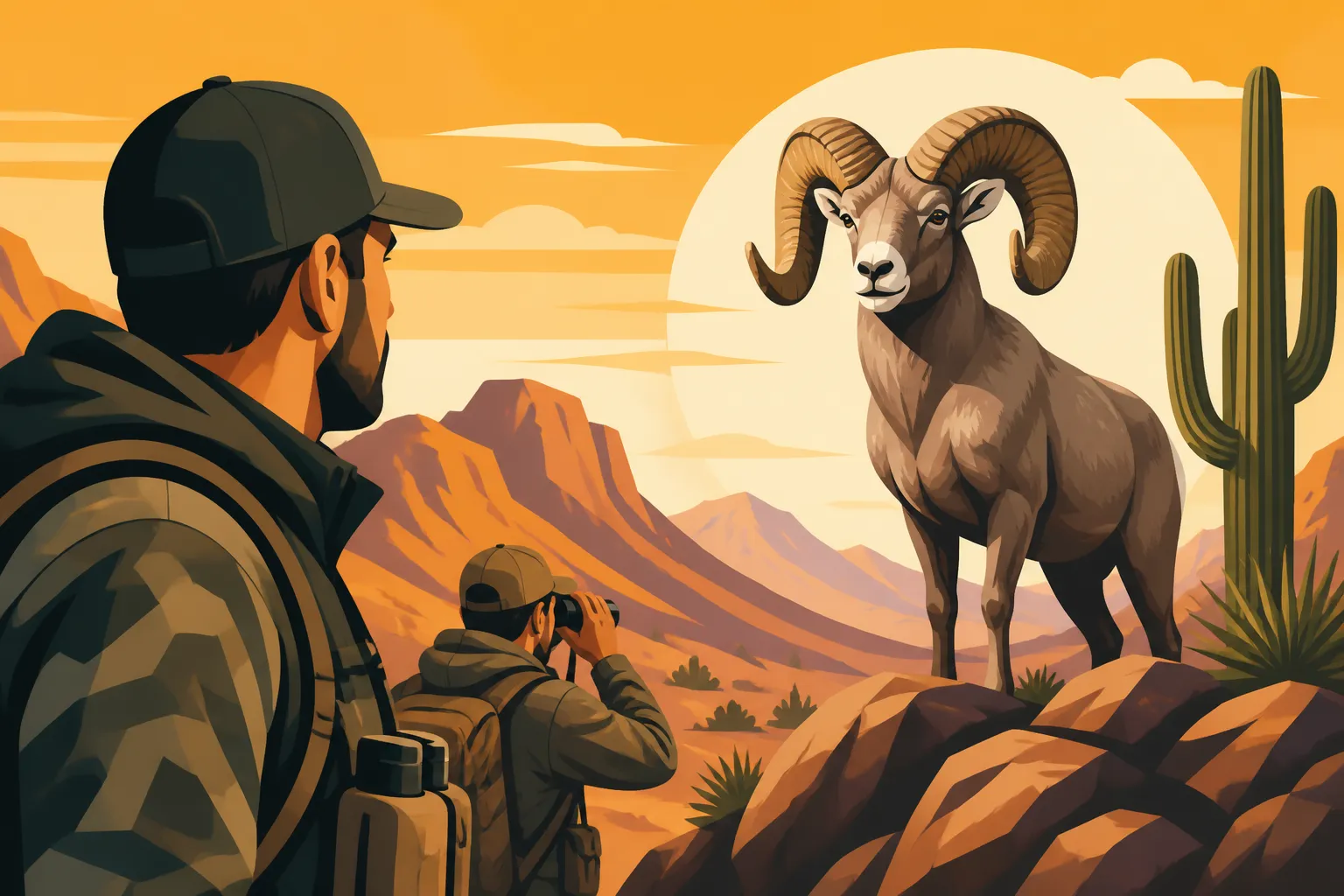
Desert bighorns are masters of their mountainous domains. They thrive in incredibly steep, rocky, and remote terrain, often referred to as "sheep country," which is notorious for being brutal on hunters. Their eyesight is legendary, rivaling that of an antelope, allowing them to spot movement and identify threats from vast distances. They're also incredibly wary, and any mistake in approach, such as misjudging the wind or being spotted, will often send them scrambling up impossible slopes, disappearing into the crags. The physical demands of traversing this terrain are immense; hunters must be prepared for relentless climbs, precarious descents, and long hours of glassing under a relentless sun, often far from any trail or road. This isn't a hunt where you might stumble upon an animal; it's a dedicated search-and-stalk mission.
Moreover, the sheer scarcity of tags for Desert Bighorn in Arizona's Mountain Ranges means that every hunter who draws one feels the immense pressure to make the most of it. This isn't just about bagging an animal; it's about honoring the privilege of the tag and the incredible animal itself. The hunt window can often be short, adding to the intensity. It requires a singular focus, a deep understanding of sheep behavior, and the ability to operate effectively in extreme conditions.
What Makes Arizona's Desert Bighorn Special
Arizona is home to two distinct populations of bighorn sheep: the desert bighorn, found in the state's hotter, lower elevation ranges, and the Rocky Mountain bighorn, which inhabits areas like the canyons of the Salt River. While both are incredible trophies, the desert bighorn carries a mystique all its own. These animals are perfectly adapted to their harsh environment, showcasing incredible resilience. Their short, heavy horns are a testament to their tough existence. Arizona's desert bighorn units often encompass vast, iconic desert mountain ranges, offering stunning vistas and an immersive wilderness experience.
The opportunity to hunt these animals is incredibly rare. Tags are typically allocated through a highly competitive draw system, meaning most hunters will apply for many years, sometimes even decades, before drawing a coveted permit. This rarity elevates the hunt to a truly once-in-a-lifetime event for most. When you look at Arizona Holds Desert and Rocky Mountain Bighorns, you realize the unique opportunity these tags represent. Successfully taking a desert bighorn ram in Arizona isn't just a trophy; it's a profound accomplishment earned through immense dedication, both in the draw process and in the field.
The Financial Commitment of a Guided Desert Bighorn Hunt
Let's be upfront: a guided desert bighorn hunt in Arizona is one of the most significant financial investments a hunter can make. This isn't a weekend whitetail trip; it's a multi-faceted expense that demands careful planning and a clear understanding of what you're paying for.
Breaking Down the Costs: License, Tag, and Outfitter Fees
The primary financial components of an Arizona desert bighorn hunt typically include the non-refundable application fee, the hunting license itself, the bighorn tag, and the outfitter's guiding fees. First, you'll need an Arizona hunting license, which is a prerequisite for applying for any big game draw. Then there's the application fee per species, which is a smaller, non-refundable cost just to enter the draw. The big one, of course, is the bighorn tag itself. For non-residents, these tags are a substantial expense, far exceeding what one might pay for an elk or deer tag. You only pay for the tag if you are successful in the draw, but the funds need to be available.
Beyond these state-mandated costs, the outfitter fees form the largest portion of the expense. These fees cover the guide's time, expertise, equipment, scouting, and logistics. Because bighorn tags are so rare, and the hunts are so specialized and demanding, outfitters often dedicate significant resources to preseason scouting and ensuring a high probability of success for their clients. A good outfitter will have spent countless hours in the unit before you even arrive, locating rams and understanding their movements. For a comprehensive overview of the expected financial outlay, looking at resources like Cost Expectations for an Arizona Desert Bighorn Hunt can be very insightful, although specific figures will need to be obtained directly from current regulations and outfitters.
What's Usually Included (and Not Included) in the Price
When you're looking at outfitter proposals, it's crucial to understand the "all-inclusive" versus "ala carte" nature of their services. Typically, a guided desert bighorn hunt fee will cover the guide's services for the duration of the hunt (usually 7-10 days, or until a ram is harvested), all necessary camping gear (tents, cooking equipment, etc.), food and non-alcoholic beverages in camp, transportation within the hunting unit, and initial field care of the animal. Many outfitters also include specialized optics like high-powered spotting scopes and tripods, which are absolutely essential for glassing sheep country.
However, there are almost always things that are not included. These commonly include your Arizona hunting license and bighorn tag fees, personal gear (clothing, boots, sleeping bag), travel to and from Arizona (flights, rental cars), taxidermy, meat processing and shipping, hotels before or after the hunt, and, significantly, gratuities for the guide and any support staff. Some outfitters might offer these as add-on services or referrals. Always get a detailed breakdown in writing, asking for a clear list of What Outfitter Prices Almost Never Include to avoid any surprises down the line.
Navigating Trophy Fees and Gratuities
Trophy fees and gratuities are two often-overlooked financial aspects that can add significantly to the overall cost of a guided desert bighorn hunt. While less common on bighorn hunts than on some international or private land hunts, some outfitters might have a "trophy fee" clause, especially if the hunt involves private land access or if a ram of a certain size is taken. This is rare for Arizona public land bighorns but always worth clarifying. A trophy fee is an additional payment made upon the successful harvest of an animal, often based on its size or specific characteristics.
Gratuities, or tips, for your guide and any camp staff (cooks, packers, assistant guides) are a customary and expected part of the guided hunting experience, especially for such a high-value hunt. These individuals work incredibly hard, often for long hours in challenging conditions, to ensure your success and comfort. The amount is discretionary, but it's important to budget for it. Industry standards for guiding services typically suggest a percentage of the total hunt cost, but a truly outstanding experience might warrant more. It’s always a good idea to discuss this with the outfitter beforehand or consult other hunters to understand the norms for a hunt of this caliber.
Choosing the Right Outfitter for Your Bighorn Adventure
Given the expense and the rarity of a desert bighorn tag, selecting the right outfitter is arguably the most critical decision you'll make, even more important than the gear you pack. A good outfitter can make the difference between a successful, enjoyable hunt and a frustrating, even dangerous, experience.
Essential Questions to Ask Potential Guides
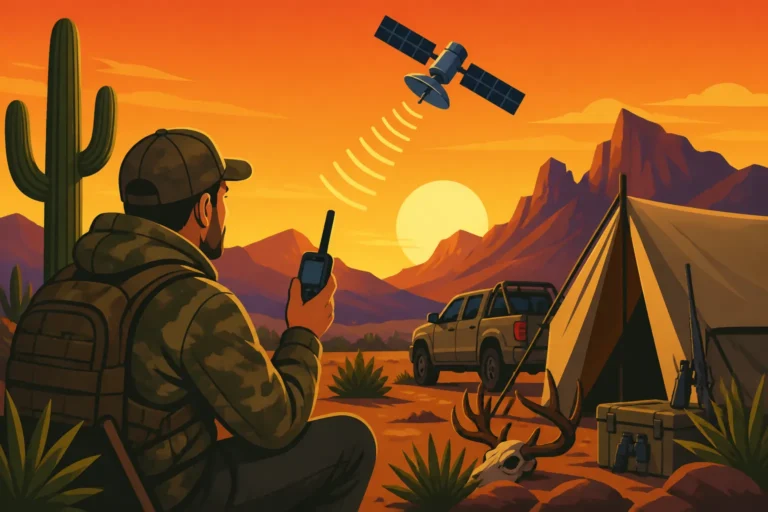
Before you commit to an outfitter, compile a comprehensive list of questions. Don't be shy; this is your hunt of a lifetime. Start by asking about their experience specifically with desert bighorn sheep in the particular unit you've drawn. How many bighorn hunts have they guided there? What is their success rate? What are their typical hunt strategies? You'll want to know about their camp setup, food, and communication methods in the field (satellite phones, radios). Inquire about their physical expectations for clients and if they offer any pre-hunt fitness advice. It's also vital to ask about safety protocols, emergency plans, and first-aid capabilities, especially in remote sheep country.
Furthermore, discuss the guide-to-hunter ratio. For a desert bighorn hunt, a one-on-one guide-to-hunter ratio is ideal and often necessary for successful spot-and-stalk hunting. Ask about their pre-hunt scouting efforts and how they share that information with you. Request references, and make sure you call them. A reliable outfitter will be transparent and eager to answer all your questions. For a full list of considerations, you might find guidance in Questions Worth Asking Before You Book.
Red Flags to Watch Out For When Booking
While most outfitters are reputable, it's wise to be vigilant for potential red flags. Be wary of any outfitter who avoids direct answers, seems overly pushy, or promises a "guaranteed" kill. Hunting is never guaranteed, especially for an animal as challenging as a desert bighorn. A lack of specific references, or references that don't specifically highlight bighorn hunts, should raise an eyebrow. If they seem unwilling to provide a detailed written contract outlining all services, inclusions, exclusions, and cancellation policies, consider that a major warning sign.
Another red flag could be an outfitter who doesn't emphasize client physical conditioning for such a demanding hunt. Hunting sheep in Arizona requires peak physical fitness, and an outfitter who downplays this might not fully grasp the reality of the terrain. Lastly, if the price seems significantly lower than others in the market, it might be too good to be true, potentially indicating corner-cutting in crucial areas like scouting, equipment, or guide experience. Always trust your gut feeling; if something feels off, it probably is.
Evaluating Outfitter Experience and Reputation
An outfitter's experience and reputation are paramount. Look for guides with a long history of successfully guiding desert bighorn hunts, not just general big game hunts. Their experience in navigating the specific units, understanding sheep movements based on seasonal changes, and adapting to weather conditions is invaluable. Check their online presence, but rely more heavily on direct references and independent platforms. Websites like BookYourHunt can provide aggregated reviews and listings, but always go beyond that.
The best way to gauge an outfitter's reputation is by talking to their past clients. Ask specific questions about their hunt, the guide's demeanor, the condition of the equipment, and the overall experience. Did the outfitter communicate well? Were they prepared? Did they work hard? A strong reputation is built over many years of delivering ethical, professional, and successful hunts. It’s also wise to check with the state's licensing board to ensure the outfitter is properly licensed and has no significant complaints against them.
| Aspect | Experienced Outfitter | Less Experienced Outfitter |
|---|---|---|
| Sheep-Specific Success Rate | Clear, verifiable history of successful bighorn harvests in relevant units. | General big game success, vague bighorn claims. |
| Pre-Hunt Scouting | Extensive, ongoing scouting efforts; detailed knowledge of current animal locations. | Limited scouting, relying on general area knowledge. |
| Physical Demands | Emphasizes client fitness, offers preparation advice, leads accordingly. | Downplays physical needs, potentially pushing client beyond limits. |
| Equipment & Logistics | High-quality optics, well-maintained vehicles, robust camp setup, clear emergency plan. | Outdated equipment, disorganized logistics, unclear safety protocols. |
| Communication | Proactive, transparent, responsive; provides detailed contracts and expectations. | Vague, slow to respond, pushes for quick commitment without details. |
| References | Readily provides multiple references specifically for bighorn hunts. | Provides general references or limited bighorn-specific ones. |
Preparing for Your Once-in-a-Lifetime Hunt
Drawing a desert bighorn tag is a victory in itself, but it's only the first step. The real work begins long before you set foot in the field, with rigorous physical preparation and meticulous gear planning. This hunt will push you to your limits, and being prepared is key to both success and enjoyment.
Physical and Mental Conditioning for Desert Terrain
A desert bighorn hunt is an extreme physical challenge. You will be hiking for miles each day, often up and down steep, rocky slopes, carrying a pack that includes water, optics, and personal gear. The elevation can vary dramatically, and the temperatures can range from scorching heat to surprisingly cold nights. Your physical conditioning needs to be top-notch. Start training months in advance with a focus on cardiovascular endurance, strength training (especially legs and core), and hiking with a weighted pack on uneven terrain. Incorporate stair climbing, hill repeats, and long hikes into your routine. Consider finding a local mountain or rugged area to mimic the terrain you'll encounter. For inspiration on the kind of conditioning needed for similar tough hunts, consider reviewing Physical Conditioning for a Sky Island Hunt.
Beyond the physical, mental toughness is equally vital. You will face frustrating moments: rams disappearing, long dry spells of glassing, and unexpected weather. The ability to stay positive, persistent, and focused under pressure is crucial. Practice patience during your training; spend hours sitting quietly, observing, and focusing, as this mirrors the glassing techniques you'll employ in the field. Visualize success, but prepare for adversity.
Essential Gear and Equipment for Bighorn Hunting
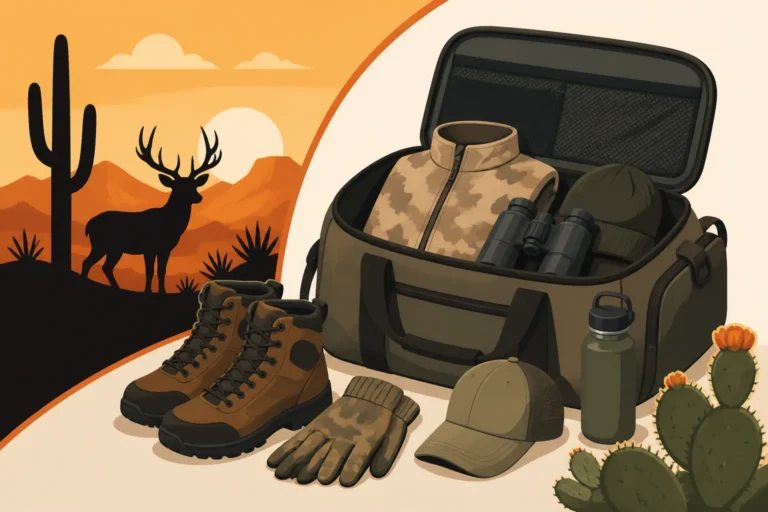
Packing the right gear can make or break a desert bighorn hunt. Optics are king: you'll need top-tier binoculars (10x-15x), a high-quality spotting scope (20-60x or higher), and a sturdy tripod. These are not areas to skimp. Your footwear is paramount; choose well-broken-in, sturdy hiking boots with excellent ankle support and aggressive tread, suitable for rocky and loose terrain. Bring multiple pairs of high-quality wool or synthetic socks. Layering clothing is essential, from moisture-wicking base layers to a warm jacket for cool mornings and evenings, and tough outer layers to protect against brush and sun. Don't forget a wide-brimmed hat, sunglasses, and high-SPF sunscreen.
A durable backpack capable of carrying water, food, extra layers, and potentially half a bighorn is critical. Hydration systems are a must, whether multiple water bottles or a bladder system, as water sources are scarce. Consider a personal locator beacon (PLB) or satellite messenger for emergencies, as cell service will be non-existent in much of sheep country. A rangefinder is also essential for accurate shot placement across open desert expanses. Your rifle and ammunition should be thoroughly sighted in and proven accurate at extended ranges, as shots can sometimes be long due to the open terrain and wary nature of the sheep.
Understanding Hunt Logistics and Expectations
When planning your guided bighorn hunt, a clear understanding of the logistics and realistic expectations is key. Your outfitter will coordinate the specific meeting points, transportation to the hunting unit, and camp setup. Clarify travel arrangements, what you're responsible for bringing, and what the outfitter provides. Be prepared for a rustic camp experience, often in remote locations, which may involve wall tents, spike camps, or even bivouac setups under the stars. Embrace it as part of the adventure.
Manage your expectations regarding harvest success. While reputable bighorn outfitters have very high success rates, it's still hunting. Weather, sheep movement, or simply the capriciousness of wild animals can influence the outcome. Be prepared for long days, early mornings, and late nights. The hunt might be physically and mentally draining, but the rewards are immense. Communicate openly with your guide about your physical limits, your preferences, and any concerns you might have. This collaboration will help ensure a smoother, more enjoyable hunt.
The Hunt Itself: What to Expect in the Field
The moment you've applied for, trained for, and dreamed of is finally here: the actual hunt. Days in the field during a desert bighorn hunt are intense, demanding, and ultimately, deeply rewarding. Understanding the typical flow and roles will help you optimize your experience.
Scouting and Spot-and-Stalk Tactics
Your guided bighorn hunt will likely begin with extensive glassing from high vantage points. This is where those top-tier optics and hours of practice come into play. Your guide will often have specific areas they've identified during preseason scouting, but the sheep can move, so constant vigilance is required. Using powerful spotting scopes, you and your guide will systematically pick apart miles of mountainous terrain, looking for the tell-tale white patch of a ram's rump, the curve of a horn, or even just a shadow that looks out of place. This can be painstakingly slow work, requiring immense patience.
Once a ram (or several) is located and identified as a legal animal (pay attention to Ram Curl Requirements Arizona Enforces), the spot-and-stalk phase begins. This involves carefully planning an approach that utilizes terrain features to hide your movement, accounts for wind direction, and minimizes noise. This is where your physical conditioning and your guide's expertise in the local terrain truly shine. Stalks can be long, arduous, and sometimes take hours or even multiple days, involving circling entire mountains to get into a shooting position. Many stalks may fail due to a change in wind, a misplaced step, or simply the sheep's keen senses. Persistence is key.
The Role of the Guide During the Hunt
Your guide is your most valuable asset on a desert bighorn hunt. They are not just there to point out an animal; they are your eyes, ears, and strategic planner. A good guide knows the unit intimately: the sheep's preferred bedding areas, travel corridors, and escape routes. They'll be the primary glasser, identifying rams and assessing their trophy quality. During the stalk, they will lead the way, reading the terrain, monitoring the wind, and making critical decisions about your approach. They will also manage the logistics, from camp setup to ensuring you have enough water and food.
Crucially, your guide will also be responsible for making the final call on a shot opportunity, ensuring the ram is legal and that you have a safe, ethical shot. Trust their judgment, as they have vastly more experience in these situations. They'll also provide encouragement, keep your spirits up during tough times, and offer advice on everything from shooting positions to navigating treacherous terrain. This is a partnership, and open communication with your guide is essential. Consider how many hunters seek guidance for challenging hunts, like when evaluating When an Arizona Hunt Really Needs a Guide, to understand the indispensable role a bighorn guide plays.
Post-Harvest Procedures and Trophy Care
The moment of truth arrives, and with a successful shot, a whole new set of procedures begins. Your guide will assist with locating the downed animal, which can sometimes be another significant challenge in steep country. Once the ram is reached, ethical field care of the meat and trophy is paramount. This involves field dressing the animal quickly and efficiently to begin the cooling process, especially important in the desert heat. Your guide will help with skinning, caping, and quartering the animal, preparing it for packing out.
Packing out a desert bighorn ram, even quartered, is a monumental effort. It will likely involve multiple trips, especially if the ram is taken in a remote area far from any vehicle access. Your guide will coordinate the pack-out, which may involve using specialized frame packs or even pack animals if the terrain allows. Once back at camp or a vehicle, the guide will ensure the cape and horns are properly cared for to preserve them for taxidermy, often salting the cape and protecting the horns. They will also advise you on local taxidermists or shipping options for your trophy. Always verify reporting requirements, as successful harvests must be documented with the state.
Disclaimer
This article is for general informational purposes only and does not constitute professional advice. Laws, prices and regulations vary by location and change over time. Consult a qualified professional for guidance on your specific situation.